Análise geopolítica do conflito no Irã em 2026.
Análise geopolítica e estratégica do conflito iraniano de 2026: dinâmica operacional, sucessão de liderança e consequências globais.
Introdução
O início de ofensivas militares coordenadas contra a República Islâmica do Irã, em 28 de fevereiro de 2026, representa um momento crucial na arquitetura geopolítica moderna do Oriente Médio.1 Denominada "Operação Fúria Épica" pelos Estados Unidos e executada em paralelo com a "Operação Leão Rugidor" de Israel, a campanha significa uma ruptura definitiva e violenta com décadas de estratégias de contenção diplomática, sanções econômicas e engajamentos limitados.1 Diferentemente dos ataques direcionados às instalações nucleares iranianas em junho de 2025 – que visavam principalmente degradar as capacidades de enriquecimento de urânio em locais como Isfahan, Natanz e Fordow –, a ofensiva de fevereiro de 2026 foi planejada como um esforço abrangente de desestabilização e desmilitarização, projetado para neutralizar a matriz de ameaças existenciais do regime.3 A consequência imediata dos primeiros ataques, notavelmente o assassinato seletivo do Líder Supremo Ayatollah Ali Khamenei, juntamente com a dizimação dos escalões superiores do Corpo da Guarda Revolucionária Islâmica (CGRI) e das forças armadas regulares, precipitou um vácuo de poder catastrófico em Teerã.1
As implicações deste conflito se estendem muito além das fronteiras soberanas da República Islâmica, gerando ondas de choque sistêmicas que ameaçam a estabilidade fundamental da ordem global. À medida que as forças combinadas dos Estados Unidos e de Israel desmantelam sistematicamente a infraestrutura de retaliação do Irã, as redes integradas de defesa aérea e os centros de comando de proxy, o teatro de guerra se expandiu rapidamente para englobar a região mais ampla do Golfo Pérsico, o Levante e pontos estratégicos marítimos globais. O subsequente fechamento do Estreito de Ormuz desencadeou interrupções em cadeia nas cadeias de suprimentos, ameaçando os mercados de energia globais e paralisando as complexas redes de logística que sustentam os setores internacionais de tecnologia e manufatura. Ao mesmo tempo, o conflito expôs as limitações estruturais das emergentes alianças multipolares, especificamente a Organização de Cooperação de Xangai (SCO) e o bloco BRICS, ao mesmo tempo em que força potências regionais, como os Estados do Conselho de Cooperação do Golfo (GCC) e a Turquia, a reavaliar fundamentalmente e urgentemente suas posturas de segurança nacional.
Este relatório abrangente fornece uma análise geopolítica e estratégica detalhada do conflito no Irã em 2026. Ao sintetizar desenvolvimentos militares, dinâmicas de sucessão interna, choques macroeconômicos e mudanças no equilíbrio de poder global, a análise delineia as consequências de segundo e terceiro graus da guerra. O objetivo principal é mapear os cenários futuros altamente prováveis que o Estado iraniano enfrentará, avaliar os impactos duradouros na segurança internacional e prever a trajetória de longo prazo da estabilidade econômica e diplomática global após a derrubada do regime.
Origens do Conflito de 2026
: Colapso Interno e o Massacre de Janeiro
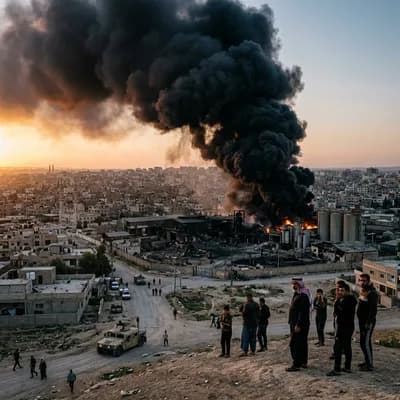
O cálculo estratégico que precipitou a Operação Epic Fury não pode ser avaliado com precisão sem levar em consideração o desastre do colapso interno do Estado iraniano nos meses imediatamente anteriores à intervenção militar. A base para a campanha militar EUA-Israel foi lançada por uma insurreição sem precedentes, de âmbito nacional, que começou em 28 de dezembro de 2025. Inicialmente desencadeada por uma escassez orçamentária artificialmente criada por Washington – uma tática macroeconômica deliberada projetada para levar o rial iraniano a uma desvalorização – a subsequente crise econômica rapidamente se transformou em uma rebelião política sistêmica, exigindo a erradicação total da ditadura clerical.
No início de janeiro de 2026, os protestos atingiram uma escala e dispersão geográfica que superaram todas as mobilizações anteriores contra o regime, incluindo os significativos distúrbios de 2022. Após um chamado de alto perfil por figuras da oposição, incluindo Reza Pahlavi, filho do último xá do Irã, cerca de 1,5 milhão de manifestantes se mobilizaram apenas em Teerã, em 8 de janeiro. Em poucos dias, a participação em todo o país aumentou para aproximadamente 5 milhões de manifestantes ativos, distribuídos em 675 locais distintos nas 31 províncias. A demografia da revolta transcendia divisões históricas e socioeconômicas, unindo a tradicional classe comercial (_bazaaris_), estudantes universitários, sindicatos, aposentados e minorias étnicas marginalizadas em um bloco coeso contra o regime.
A resposta do regime a essa ameaça existencial interna foi caracterizada por violência extrema e sistemática, resultando no que observadores internacionais e organizações de direitos humanos chamaram de "Massacre de Janeiro". Avaliações de inteligência confirmam que diretivas diretas e inflexíveis do Líder Supremo Ali Khamenei e de altos funcionários de segurança autorizaram a ampla utilização de munição real contra civis desarmados. Essa brutalidade se estendeu além das ruas, atingindo sistematicamente instalações médicas; forças de segurança invadiram frequentemente hospitais em Teerã e Shiraz, executando manifestantes feridos diretamente dentro das enfermarias para impedir que retornassem aos protestos.
Para complementar um aparato de segurança interna que estava rapidamente se esgotando e se fragmentando devido a deserções internas, o IRGC orquestrou a importação de combatentes estrangeiros. Até 15 de janeiro, quase 5.000 milícias xiitas iraquianas foram transportadas através da fronteira para ajudar na repressão da população iraniana. Esses mercenários estrangeiros, que supostamente recebiam recompensas de US$ 600, foram documentados cometendo abusos extremos, incluindo tirar fotos com os corpos de vítimas em cidades como Karaj.
A brutalidade da repressão de janeiro foi impressionante e sem precedentes na história moderna do Irã. Enquanto estimativas conservadoras iniciais de organizações de direitos humanos confirmaram pelo menos 7.000 mortes, modelos analíticos robustos e dados internos vazados sugerem que o número real de mortos provavelmente atingiu cerca de 32.000. Essa enorme perda de vidas foi agravada pelos esforços sistemáticos do regime para ocultar a escala do massacre através de sepultamentos secretos em massa em locais remotos e a prática repugnante de extorquir "taxas de balas" de famílias enlutadas que buscavam a devolução dos restos mortais de seus entes queridos. Para obscurecer as atrocidades em curso da comunidade internacional, o Estado impôs um apagão quase total de comunicação digital e telefônica em todo o país.
No entanto, em vez de estabilizar o regime, a gravidade da crise interna alterou fundamentalmente a percepção internacional da ameaça. A disposição do regime de importar milícias estrangeiras para massacrar seus próprios cidadãos, combinada com a perda total de legitimidade e controle interno, sinalizou aos formuladores de políticas em Washington e Jerusalém que a liderança iraniana era altamente vulnerável e perigosamente imprevisível.3 Reconhecendo que um regime desesperado poderia acelerar seu programa de armas nucleares ou lançar ataques regionais preventivos para criar uma distração externa, os Estados Unidos iniciaram um enorme aumento militar no Golfo Pérsico, alterando sua postura estratégica de contenção para uma decapitação preventiva.16
O Fracasso da Diplomacia e o Limiar Nuclear
Nas semanas que antecederam os ataques militares, os esforços diplomáticos para evitar uma conflagração regional entraram em colapso devido à incompatibilidade de objetivos estratégicos. Os Estados Unidos e o Irã participaram de discussões mediadas em Omã em 6 de fevereiro de 2026, e de rodadas subsequentes em Genebra em 17 e 26 de fevereiro. Essas negociações, mediadas pelo Ministro de Assuntos Exteriores de Omã, Badr Albusaidi, revelaram uma divergência fundamental. Enquanto os diplomatas iranianos, liderados pelo Ministro de Assuntos Exteriores, Abbas Araghchi, manifestaram uma disposição condicional de transferir o estoque de 400 quilogramas de urânio altamente enriquecido do Irã para um terceiro país, em troca de um alívio abrangente das sanções, eles se recusaram categoricamente a discutir limitações em seus programas de mísseis balísticos ou seu apoio ao chamado "Eixo da Resistência" regional.
Os Estados Unidos, atuando sob o arcabouço maximalista da administração Trump, apresentaram demandas que Teerã considerou equivalentes a uma rendição da soberania. Os negociadores americanos insistiram na desmantelamento total das instalações nucleares de Fordow, Natanz e Esfahan, na entrega de todo o urânio enriquecido aos Estados Unidos e em um tratado permanente de enriquecimento zero, sem cláusulas de validade, oferecendo apenas um alívio mínimo das sanções. A natureza inflexível dessas demandas, combinada com as ameaças explícitas dos EUA de usar a força militar caso um acordo não fosse alcançado, efetivamente interrompeu a possibilidade de uma solução diplomática.
Simultaneamente, a Agência Internacional de Energia Atômica (AIEA) relatou uma preocupante perda de continuidade do conhecimento sobre o programa nuclear iraniano. Em um relatório confidencial divulgado em 27 de fevereiro, a AIEA admitiu que não podia verificar se o Irã havia suspendido as atividades de enriquecimento após os ataques de junho de 2025, nem podia confirmar a localização, o tamanho ou a composição do estoque de urânio do Irã, que incluía uma estimativa de 440,9 quilogramas de urânio enriquecido a 60 por cento de pureza—uma fração técnica inferior ao grau de armas. A AIEA observou atividades suspeitas, incluindo a cobertura de entradas de túneis em Isfahan com terra e a instalação de estruturas de proteção contra drones em Natanz, sugerindo esforços secretos de recuperação. Com informações de inteligência indicando que o Irã poderia teoricamente alcançar o enriquecimento de 90 por cento em duas semanas, a falha diplomática forneceu a justificativa operacional final para a Operação Epic Fury.
Execução Militar: Operações Epic Fury e Roaring Lion
A execução militar da Operação Epic Fury, juntamente com a Operação Roaring Lion israelense, demonstra uma profunda mudança de paradigma na projeção de forças aliadas e em operações conjuntas em múltiplos domínios. Lançada às 01h15 EST (09h45 no horário de Teerã) em 28 de fevereiro de 2026, a campanha utilizou a maior concentração de poder aéreo americano no Oriente Médio desde a invasão do Iraque em 2003. O projeto tático da ofensiva refletiu as doutrinas operacionais da Desert Storm, priorizando a decapitação imediata da liderança política, a neutralização de sistemas de defesa aérea integrados (IADS) e a destruição sistemática das capacidades de mísseis balísticos.
Ataques de Decapitação e Estabelecimento da Superioridade Aérea
As primeiras ações militares dependeram fortemente de munições de longo alcance projetadas para penetrar em espaços aéreos fortemente fortificados, sem arriscar pilotos aliados. Isso incluiu mísseis Tomahawk de cruzeiro lançados de navios dos EUA, como o USS Spruance, e mísseis balísticos lançados por aeronaves israelenses. Esses ataques iniciais alcançaram seu principal objetivo estratégico em poucas horas: um ataque direto e catastrófico a um complexo de liderança em Teerã resultou na morte do Líder Supremo Ali Khamenei, do Ministro da Defesa Aziz Nasirzadeh, do Chefe do Estado-Maior e do Comandante do IRGC, General Mohammad Pakpour. Essa decapitação interrompeu severamente o sistema nervoso central do Estado iraniano, agravando o choque de um sistema já fragmentado por uma revolta interna.
Simultaneamente, uma vasta força de mais de 200 caças da Força Aérea israelense desmantelou sistematicamente os radares de alerta antecipado e as baterias de defesa aérea no oeste do Irã, neutralizando efetivamente o sistema de defesa antiaérea do regime. O chefe do Estado-Maior Conjunto dos EUA, o general Dan Caine, confirmou que as forças combinadas haviam alcançado "superioridade aérea local" sobre o espaço aéreo iraniano, especialmente sobre a capital. A conquista da superioridade aérea permitiu que aeronaves israelenses e americanas passassem de armas de longo alcance a munições de "ação direta" — ataques de bombardeio gravimétrico que utilizavam bombas penetrantes —, aumentando drasticamente a letalidade, a sustentabilidade e a precisão da campanha.
Degradação sistemática da infraestrutura militar e de segurança interna.
A matriz de alvos se expandiu rapidamente para abranger todo o complexo militar-industrial do Irã, com a força combinada dos EUA e Israel atacando mais de 2.000 alvos nos primeiros dias da guerra.24 As instalações-chave destruídas incluíram a instalação de mísseis balísticos Bid Ganeh, na província de Teerã, o complexo aeroespacial da Universidade Malek Ashtar (responsável pelo projeto de aeronaves avançadas da Guarda Revolucionária Islâmica), e inúmeros locais da indústria de defesa localizados na área densamente povoada de Pasdaran, em Teerã.8 A campanha também priorizou a aniquilação total da Marinha iraniana para garantir as rotas marítimas globais. Em 48 horas, o Comando Central dos EUA relatou que a presença naval iraniana no Golfo de Omã havia sido reduzida a zero, após o afundamento de embarcações notáveis, como a _IRIS Kurdistan_ e uma fragata da classe Alvand, em Bandar Abbas.8
O projeto operacional também visou explicitamente o aparato de repressão interna. As forças combinadas executaram ataques precisos contra as bases regionais de resistência Quds Basij das municipalidades de Teerã 5 e 15, instalações do Comando de Aplicação da Lei (LEC) e dez centros de comando do Ministério da Inteligência.8 Ao degradar sistematicamente a estrutura de segurança interna do regime, a campanha militar buscou sincronizar-se com a insurreição interna em andamento, com o objetivo de precipitar um colapso total do controle estatal e facilitar uma mudança de regime a partir de dentro.3
Além disso, os ataques físicos foram fortemente complementados por sofisticadas operações cibernéticas ofensivas. Um exemplo notável foi o comprometimento do BadeSaba, um aplicativo de calendário religioso amplamente utilizado com mais de 5 milhões de usuários iranianos. Operadores cibernéticos aliados utilizaram o aplicativo para entregar mensagens psicológicas direcionadas diretamente à população, alertando que o regime pagaria por sua crueldade e incentivando explicitamente os civis a se revoltarem. Ataques cibernéticos adicionais desfiguraram sites de mídia controlados pelo estado, como a agência de notícias IRNA, neutralizando os canais de propaganda do regime e causando ampla confusão no momento exato em que a campanha aérea começou.
Os Limites dos Ataques Convencionais à Infraestrutura Nuclear.
Apesar do enorme sucesso da campanha aérea convencional, a operação destacou as limitações persistentes dos ataques diretos contra instalações nucleares subterrâneas. Embora as declarações das Forças de Defesa de Israel (IDF) sugerissem uma desmantelação sistemática da infraestrutura nuclear, a Agência Internacional de Energia Atômica (AIEA) informou em 2 de março que não havia indicação de consequências radiológicas ou danos estruturais significativos em instalações essenciais, como a usina de Bushehr ou o Reator de Pesquisa de Teerã.8 As apresentações militares revelaram uma vulnerabilidade crítica: o Presidente do Estado-Maior Conjunto, General Dan Caine, observou que as áreas de armazenamento e enriquecimento subterrâneas em Esfahan estão enterradas muito profundamente para que mesmo a Massive Ordnance Penetrator (MOP) consiga destruí-las.26 Consequentemente, as forças aliadas foram forçadas a atacar as entradas dos túneis e os dutos de ventilação, tentando selá-los em vez de destruí-los.26 Essa realidade física demonstra que, embora a campanha militar possa atrasar significativamente o programa nuclear, ela não pode definitivamente eliminar o conhecimento técnico ou o material físsil profundamente enterrado.
A Retaliação Iraniana: Guerra Assimétrica e Redução de Capacidades.
A resposta iraniana aos ataques coordenados revelou tanto o extenso planejamento prévio do IRGC quanto a rápida degradação de suas capacidades sob o bombardeio contínuo da coalizão. O lançamento oportuno de centenas de mísseis balísticos e veículos aéreos não tripulados (UAVs) logo após a morte de Khamenei indica que a autoridade para ordenar ataques havia sido previamente delegada a comandantes regionais. Essa descentralização crucial permitiu que a Força Aeroespacial do IRGC contornasse o comando central danificado em Teerã e executasse operações de contingência pré-planejadas.
Os Ataques Iniciais e o Impacto Regional
Os ataques retaliatórios iniciais de 28 de fevereiro foram de grande escala e projetados para sobrecarregar os sistemas regionais integrados de defesa aérea e antimísseis. O Irã lançou cerca de 150 a 200 mísseis balísticos contra Israel, aproximadamente 140 contra os Emirados Árabes Unidos e 63 contra o Catar. Esses ataques visavam infligir pesadas baixas em militares americanos e interromper a infraestrutura civil e energética em todo o Golfo. Drones penetraram com sucesso no espaço aéreo da Arábia Saudita, atingindo a embaixada dos EUA em Riad, e executaram ataques diretos no coração de Dubai, destruindo a ilusão de invulnerabilidade do Golfo que perdurava há muito tempo.
O custo humano dessa retaliação em múltiplos locais foi significativo. No início de março, os Estados Unidos informaram a morte de seis militares e 18 feridos gravemente, principalmente devido a um ataque de drone em Camp Arifjan, no Kuwait. Além disso, a intensa congestão do espaço aéreo e a implantação de diversos sistemas de defesa aérea levaram a trágicos incidentes de fogo amigo; o Comando Central dos EUA anunciou que defesas aéreas kuwaitianas abatiram erroneamente três caças F-15E americanos sobre o Kuwait em 1º de março, embora todos os membros da tripulação tenham sido resgatados com segurança. Em toda a região, o número de vítimas civis aumentou, com Israel relatando 12 mortos, os Emirados Árabes Unidos três, o Kuwait dois e Omã um, além de inúmeros feridos.
A Degradação da Infraestrutura de Retaliação
No entanto, a capacidade de resistência da campanha de retaliação iraniana se mostrou altamente limitada. Um objetivo estratégico primário da campanha aérea EUA-Israel era a destruição rápida dos lançadores de mísseis balísticos iranianos antes que a coalizão esgotasse seus próprios estoques finitos de interceptores caros. Em 3 de março, o IDF avaliou que aproximadamente 300 lançadores iranianos haviam sido sistematicamente destruídos.
Consequentemente, o volume e a coordenação dos ataques iranianos diminuíram drasticamente. O número de ataques diários de mísseis balísticos contra Israel caiu de vinte em 28 de fevereiro para apenas seis em 3 de março, representando uma redução impressionante de 70% na capacidade ofensiva. A inconsistência dos ataques subsequentes sugere que as unidades restantes do Corpo da Guarda Revolucionária Islâmica (CGRI), privadas de sua liderança e enfrentando redes de comunicação degradadas, estavam com dificuldades para coordenar operações em grande escala e em múltiplas áreas. Em vez de ondas sincronizadas projetadas para sobrecarregar as defesas, a retaliação se transformou em ataques esporádicos e descentralizados, indicando uma erosão severa das capacidades de dissuasão estratégica do Irã.
A Crise de Sucessão Pós-Khamenei e Cenários Futuros para o Regime
O assassinato do Ayatollah Ali Khamenei mergulhou a República Islâmica na crise constitucional e política mais grave desde sua fundação após a revolução de 1979. Por quase quatro décadas, Khamenei centralizou meticulosamente a autoridade político-religiosa, criando um sistema complexo de instituições sobrepostas projetadas para absorver choques e garantir a sobrevivência do regime. No entanto, a decapitação sem precedentes do líder supremo, juntamente com a eliminação simultânea de altos comandantes militares e a destruição física contínua da infraestrutura estatal, forçou um processo de sucessão caótico, em tempos de guerra.
A Assembleia Paralisada e a Ascensão de Mojtaba Khamenei
No vácuo imediato criado pelos ataques aéreos, a Assembleia de Especialistas—o corpo clerical de 88 membros constitucionalmente responsável por nomear, supervisionar e destituir o líder supremo—tentou se reunir na cidade sagrada de Qom.8 No entanto, suas deliberações foram severamente interrompidas, e em alguns casos paralisadas, por ataques que atingiram edifícios governamentais e centros de comando em Teerã, impedindo uma transição de poder normal.8
A análise de inteligência indica que o Corpo de Guardiões da Revolução Islâmica (CGRI) agiu rapidamente para determinar o resultado da sucessão, pressionando fortemente a Assembleia para nomear o filho de Khamenei, Mojtaba Khamenei, como o próximo líder supremo.33 A elevação de Mojtaba Khamenei representa um indicador profundo da mudança nas dinâmicas de poder dentro do Estado iraniano. Embora não possua as credenciais religiosas tradicionais e rigorosas historicamente exigidas para a liderança suprema, Mojtaba possui uma influência administrativa e de segurança incomparável. Por mais de duas décadas, ele administrou o "Beit" (o Gabinete do Líder Supremo), controlando efetivamente os mecanismos financeiros, políticos e coercitivos do Estado, tornando o governo eleito uma mera fachada.33 Além disso, suas profundas e duradouras relações com os escalões superiores da rede de comando do CGRI o tornam o candidato ideal e confiável para o aparato de segurança.33
A Consolidação da "Junta de Segurança"
O apoio agressivo do IRGC a Mojtaba sinaliza a cristalização de uma "Junta de Segurança". Nesse cenário, as fachadas teológicas e republicanas da República Islâmica são totalmente subsumidas por uma guarda pretoriana militarizada. Ao promover Mojtaba, o IRGC busca projetar uma imagem de continuidade, manter a estrita cadeia de comando necessária para a sobrevivência em tempos de guerra e evitar uma luta fratricida pelo poder entre facções religiosas e políticas concorrentes.
Mojtaba Khamenei enfrenta uma bifurcação estratégica crítica e existencial. Ele pode usar sua autoridade religiosa e política singular como o "próximo do falecido" (_vali-e dam_) para negociar uma rendição que salve o regime, desmantelando o legado de 37 anos de seu pai, aceitando profundas concessões no enriquecimento nuclear, alcance de mísseis e redes de proxy, para interromper os bombardeios, ou ele pode intensificar a rebelião apocalíptica, utilizando as capacidades de guerra assimétrica existentes para desgastar a coalizão EUA-Israel em um conflito prolongado.
Modelagem Preditiva de Riscos: Cenários para o Estado Iraniano
A trajetória do Estado iraniano nos próximos meses permanece altamente volátil. Com base na inferência bayesiana e na modelagem avançada de riscos geopolíticos, três cenários primários emergem em relação ao futuro da estrutura de governança iraniana.
Designação do Cenário
Probabilidade
Principal Fator Estratégico
Efeitos Macroeconômicos e Geopolíticos de Segunda Ordem
A Junta de Segurança
45%
O IRGC assume o poder formal e absoluto após Khamenei, utilizando Mojtaba Khamenei como uma figura de destaque permanente.
Aumento das tensões regionais; guerra assimétrica prolongada através de redes de proxies; militarização total da economia interna; ataques persistentes a centros energéticos regionais.
Rebalanceamento Institucional
35%
Um consenso de elite, impulsionado pela autopreservação, transfere o poder executivo para o Presidente eleito e o Majlis, a fim de aplacar a população e o Ocidente.
Abrandamento das restrições de inteligência estrangeira; potencial para uma rendição negociada ou um JCPOA 3.0; estabilização temporária dos mercados globais de petróleo e das rotas de navegação.
Fragmentação Sistêmica
20%
O processo de sucessão falha completamente, levando a conflitos civis localizados, motins dentro das forças armadas e colapso total do Estado.
Crise de refugiados em massa que afeta a Turquia e a Europa; colapso da estabilidade da OPEP; perda de controle sobre materiais nucleares e balísticos; ascensão do regionalismo bélico.
O cenário da Fragmentação Sistêmica representa a ameaça mais grave à segurança global.18 Caso a autoridade central sob Mojtaba Khamenei não consiga consolidar o controle diante dos incessantes bombardeios dos EUA e de Israel e das vastas revoltas internas, o Estado não se democratizará pacificamente; ele se fragmentará violentamente. Essa balkanização se assemelharia fortemente às guerras civis na Síria ou na Líbia, mas em uma escala demográfica e geográfica muito maior.18 Facções rivais da Guarda Revolucionária Islâmica (IRGC), senhores da guerra provinciais e grupos minoritários étnicos armados (como separatistas curdos no noroeste e insurgentes baluches no sudeste) lutariam pelo domínio territorial.14
A consequência mais alarmante dessa fragmentação seria a perda de comando e controle central sobre os estoques remanescentes de mísseis balísticos do Irã e seu urânio altamente enriquecido.18 A proliferação de 440 quilos de urânio enriquecido a 60% para atores não estatais "renegados", grupos separatistas radicais da IRGC ou organizações terroristas transnacionais alteraria fundamentalmente e irreversivelmente o cenário global do terrorismo, criando um pesadelo de segurança multigeneracional para o Ocidente.4
Ondas de Choque Macroeconômicas Globais
e Paralisação da Cadeia de Suprimentos
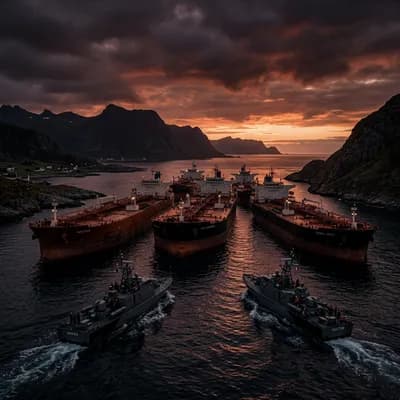
A rápida transformação do conflito EUA-Irã em uma guerra regional generalizada desencadeou imediatamente severas crises macroeconômicas, principalmente por meio da utilização da geografia marítima como arma pelo Irã. Poucas horas após o início da Operação Epic Fury, o IRGC (Guarda Revolucionária Islâmica) executou seu plano estratégico de contingência para bloquear o Estreito de Ormuz, reconhecido universalmente como o ponto de estrangulamento energético mais crítico do mundo.
A Crise Energética e a Vulnerabilidade Assimétrica da Ásia
O Estreito de Ormuz transporta aproximadamente 20 milhões de barris de petróleo bruto por dia, representando cerca de 20% do consumo global de líquidos de petróleo e mais de um quarto do comércio total mundial de petróleo por via marítima. O bloqueio iraniano – inicialmente imposto por meio da implantação de minas navais, mísseis de cruzeiro antinavio e embarcações de ataque rápido, antes de serem neutralizados pelas forças navais dos EUA – imediatamente deixou retidas mais de 150 enormes embarcações transportando petróleo bruto, gás natural liquefeito (GNL) e produtos refinados em águas abertas fora do estreito. Ciente do extremo risco operacional para embarcações comerciais, grandes empresas globais de transporte de contêineres, incluindo MSC, Maersk e Hapag-Lloyd, suspenderam universalmente as travessias pelo Golfo Pérsico.
A reação inicial do mercado foi violenta e imediata. Os preços do petróleo Brent subiram de 10 a 13 por cento nas primeiras horas de negociação, saltando de US$ 67 para mais de US$ 75 por barril, com analistas de commodities prevendo uma rápida escalada para US$ 100 por barril caso o bloqueio persistisse por mais de duas semanas.
A distribuição geográfica dessa perda econômica é extremamente desigual. As economias do Sul e Leste Asiático, fortemente dependentes do fluxo ininterrupto de hidrocarbonetos do Golfo, enfrentam ameaças existenciais à segurança energética. A dependência estrutural dessas nações significa que a interrupção no Hormuz não é apenas um choque de preços, mas também um choque físico de transporte, privando fisicamente as bases industriais do combustível necessário.
Economia Asiática
Dependência dos fluxos de energia do Estreito de Hormuz
Vulnerabilidade Macroeconômica e Risco Estratégico
Japão
Importa quase 75% de seu petróleo bruto através do Estreito.
Alto risco de desaceleração industrial e inflação severa devido à alta dependência de GNL e petróleo bruto importados; potencial instabilidade na rede elétrica.
China
Recebe aproximadamente 33% de seu petróleo bruto total dos estados do Golfo através do Estreito; representa uma parcela enorme do fluxo total de Hormuz.
Esgotamento das reservas estratégicas; aumento dos custos de produção afetando os preços de exportação globais; forte pressão sobre as metas de crescimento econômico; exposição de 400.000 cidadãos nos Emirados Árabes Unidos a perigo físico.
Coreia do Sul
Importa aproximadamente 60% de seu petróleo bruto através dessa rota.
Alta vulnerabilidade nos setores petroquímico e de manufatura pesada; a competitividade nas exportações ameaçada pelo aumento dos custos de produção.
Índia
Importa quase 50% de seu petróleo bruto e 60% de gás natural através do Estreito.
Risco de hiperinflação, desvalorização da moeda e impactos secundários nas exportações de arroz e outras commodities agrícolas vitais.
Interrupções na Cadeia de Suprimentos de Logística e Tecnologia
Além da crise energética, o conflito interrompeu severamente as cadeias de suprimentos globais que dependem do Oriente Médio como um ponto de trânsito transcontinental crucial. O fechamento do Estreito de Ormuz interrompeu efetivamente o tráfego de contêineres oceânicos destinados a portos regionais vitais, como Jebel Ali (Dubai), Khalifa (Abu Dhabi) e Dammam (Arábia Saudita). O desvio forçado de milhares de embarcações – representando aproximadamente 4% da tonelagem global de navios – ao redor do Cabo da Boa Esperança causou atrasos massivos e aumentou significativamente os custos de frete e seguro, exacerbando as pressões inflacionárias em todo o mundo. A empresa de rastreamento de embarcações Pole Star Global observou que a atividade de embarcações com bandeira iraniana diminuiu em 95,6% imediatamente após os ataques, indicando uma paralisia total das operações marítimas normais na região.
Além disso, a militarização do espaço aéreo do Oriente Médio praticamente paralisou as operações de transporte aéreo a partir dos principais centros de Dubai e Doha. Esses aeroportos funcionam como agregadores cruciais para a cadeia de suprimentos global de eletrônicos, especialmente para produtos de alto valor e baixo volume, como semicondutores e smartphones. Gigantes da tecnologia como Samsung Electronics e SK Hynix, que utilizam o transporte aéreo para mais de 90% de sua logística, enfrentam iminentes gargalos, pois os envios destinados à Europa e às Américas estão paralisados nos pátios. O conflito destaca a extrema fragilidade dos modelos de fabricação "just-in-time"; analistas da cadeia de suprimentos observam que até mesmo um breve conflito militar de sete dias gera uma "transmissão atrasada" de pressões de custos que pode interromper a produção industrial global e os preços para o consumidor por vários meses.
Mudanças no Equilíbrio de Poder Global e Arquiteturas de Alianças
O conflito no Irã em 2026 serve como um teste rigoroso e real para a ordem mundial multipolar emergente. A flagrante incapacidade das alianças não ocidentais de proteger um parceiro estratégico fundamental expôs as profundas limitações estruturais das potências revisionistas, alterando fundamentalmente os cálculos geopolíticos em Pequim, Moscou e nas capitais do Sul Global.
O "Dilema Impossível" da China e o Fracasso da Ordem Alternativa
O início das hostilidades colocou a República Popular da China em uma situação estratégica impossível, transformando sua diplomacia pró-ativa no Oriente Médio, amplamente divulgada, em uma profunda vulnerabilidade geopolítica. Ao longo da década anterior, Pequim buscou ativamente estabelecer sua Iniciativa Global de Segurança como uma alternativa viável à hegemonia dos Estados Unidos na região. Essa estratégia incluiu a proposta de novas arquiteturas de segurança em 2018, a mediação da histórica reaproximação entre Irã e Arábia Saudita em 2023, a elevação do Irã à plena adesão na SCO em 2023 e no bloco BRICS em 2024, e o posicionamento como o maior parceiro comercial e investidor estrangeiro em toda a região do Oriente Médio e Norte da África (MENA).
No entanto, a profunda integração da China na economia da região superou em muito suas capacidades de projeção militar. Quando a Operação Epic Fury começou, Pequim se viu completamente incapaz de defender o Irã, que considerava seu esteio mais confiável contra a influência ocidental e uma fonte vital de petróleo bruto com preços fortemente subsidiados. Essa impotência estratégica é agravada por uma ironia geopolítica amarga e inescapável: os mais de 400.000 cidadãos chineses que residem nos Emirados Árabes Unidos, juntamente com bilhões de dólares em investimentos em infraestrutura da Iniciativa Cinturão e Rota em todo o Golfo, estão atualmente sob ameaça direta de drones e mísseis iranianos – armas que muito provavelmente foram fabricadas utilizando componentes eletrônicos e produtos químicos de origem chinesa.
A resposta pública de Pequim tem sido notavelmente fraca e contida, limitada a avisos genéricos de evacuação para seus cidadãos e condenações retóricas e formulaicas da agressão dos EUA e de Israel. Isso expõe brutalmente a natureza superficial das garantias de segurança dentro dos marcos da SCO (Organização de Cooperação de Xangai) e dos BRICS; nenhuma dessas organizações possui o poderio militar, o alcance logístico ou a coesão política necessários para igualar, muito menos dissuadir, a dominância militar dos EUA e de Israel. A questão estratégica fundamental para Pequim no futuro é se o potencial colapso do regime iraniano forçará uma mudança pragmática na geopolítica – abandonando seu compromisso ideológico de apoiar Teerã em favor de um apoio discreto a um Golfo estabilizado e controlado pelos EUA, que garanta o fluxo ininterrupto dos hidrocarbonetos dos quais a economia chinesa depende desesperadamente.
O Opportunismo da Rússia e o Paradigma do "Aliado Não Confiável"
Para a Federação Russa, a remoção da liderança iraniana e a destruição sistemática de seu complexo militar-industrial representam um duro golpe em sua coalizão anti-ocidental, consolidando ainda mais a crescente reputação internacional de Moscou como um aliado altamente não confiável.12 Preocupada e severamente enfraquecida por sua prolongada e desgastante guerra de agressão na Ucrânia, o Kremlin demonstrou nem a vontade política nem a capacidade militar para intervir em defesa de Teerã.12 Quando os ataques começaram, o presidente Vladimir Putin ofereceu apenas simpatia verbal e condolências formais em relação à morte de Khamenei, ecoando falhas anteriores e evidentes da Rússia em defender parceiros importantes na Síria (a queda de Assad em 2024), na Venezuela (a prisão de Maduro) e na Armênia (durante os conflitos de Nagorno-Karabakh).12
Apesar da perda estratégica de longo prazo de um parceiro vital que fornecia tecnologia crucial de drones e mísseis balísticos para o teatro ucraniano, a resposta imediata de Moscou é caracterizada por um cínico cálculo estratégico.12 O Kremlin pode obter benefícios econômicos significativos de curto prazo com o conflito. A rápida alta nos preços globais do petróleo repõe diretamente o cofre de guerra russo, fortemente sancionado e esgotado, enquanto o enorme conflito no Oriente Médio distrai efetivamente a mídia ocidental, o foco diplomático e os recursos militares da Ucrânia.12
Para Kiev, a guerra gera uma reação paradoxal e profundamente ansiosa. Há um sentimento profundo e evidente de satisfação ao testemunhar a destruição das fábricas iranianas que produzem os drones Shahed, os quais aterrorizaram as cidades ucranianas por anos. No entanto, isso é fortemente contrabalanceado pela aguda ansiedade de que o desvio da atenção dos EUA, e, mais importante, o desvio de suprimentos globais de interceptores de defesa aérea, que são extremamente escassos, para o Oriente Médio, deixará a Ucrânia altamente vulnerável a novas ofensivas russas.
Divisão Europeia e Reações Ocidentais
Na Europa, o conflito expôs um profundo vazio estratégico e profundas divisões internas dentro da União Europeia. A abordagem histórica da UE em relação ao Irã, centrada quase inteiramente na diplomacia nuclear e em medidas de contenção graduais, tornou-se instantaneamente obsoleta. O bloco está atualmente paralisado por três lógicas estratégicas concorrentes: o desejo de alguns estados membros de defender o direito internacional e condenar ataques militares preventivos (temendo acusações de hipocrisia ocidental por parte do Sul Global); a necessidade urgente de manter a coesão transatlântica com os Estados Unidos em uma era de extrema volatilidade geopolítica; e a esperança silenciosa e não oficial de que o regime iraniano repressivo seja finalmente desmantelado, neutralizando assim um importante Estado patrocinador do terror. Em última análise, a UE se vê marginalizada, reduzida a gerenciar as consequências econômicas do bloqueio do Estreito de Ormuz e a se preparar para possíveis pressões migratórias, sem ter uma influência militar ou diplomática unificada para moldar o resultado da guerra.
Em outras partes do Ocidente, as reações são mistas. O governo trabalhista do Reino Unido, liderado pelo Primeiro-Ministro Keir Starmer, vê a ação militar com profundo ceticismo, estabelecendo fortes comparações históricas com a desastrosa invasão do Iraque em 2003 e temendo uma instabilidade regional prolongada sem objetivos claros e alcançáveis.12 Em contraste, o Presidente da Argentina, Javier Milei, emergiu como o mais fervoroso apoiador dos ataques EUA-Israel na América Latina, impulsionado tanto por sua profunda alinhamento com Washington quanto pela própria história traumática da Argentina em relação ao terrorismo ligado ao Irã, especificamente o atentado à embaixada israelense em 1992 e o atentado ao centro comunitário judaico AMIA em Buenos Aires em 1994, que matou 85 pessoas.12 O Primeiro-Ministro da Espanha, Pedro Sánchez, desafiou ativamente os EUA ao negar acesso a bases aéreas espanholas operadas em conjunto, uma medida impulsionada principalmente por pressões políticas internas para apaziguar a ala esquerda de sua coalizão, resultando em ameaças de retaliação econômica da administração Trump.12
O GCC e as Arquiteturas de Segurança Regionais: Da Neutralidade ao Conflito
A postura estratégica dos estados árabes do Golfo passou por uma evolução rápida e intensa desde o início dos conflitos. Inicialmente, países como Arábia Saudita, Catar, Emirados Árabes Unidos e Omã se posicionaram como "agentes de desescalada".18 Impulsionados por uma avaliação pragmática de riscos que favorecia um Irã enfraquecido, mas previsível, em vez de um estado fragmentado e caótico, o Conselho de Cooperação do Golfo (CCG) se envolveu em intensa diplomacia nos bastidores.18 Eles alertaram repetidamente Washington sobre os efeitos secundários incontroláveis da intervenção militar, como danos generalizados à infraestrutura, ataques cibernéticos e fluxos maciços de refugiados.18 Antes da guerra, esses estados seguiram uma política de "zero conflito", navegando em um delicado entendimento com Teerã após os devastadores ataques iranianos às instalações petrolíferas sauditas em 2019.49
Este cálculo cuidadosamente elaborado foi completamente destruído quando o Irã, utilizando suas autoridades de ataque previamente delegadas, lançou massivos ataques de drones e mísseis contra a infraestrutura energética do Conselho de Cooperação do Golfo (CCG) e instalações militares dos EUA sediadas em solo do Golfo.18 O ataque aos Emirados Árabes Unidos, incluindo ataques que conseguiram romper as defesas aéreas de Dubai, forçou Abu Dhabi a abandonar seu "acordo informal" com Teerã.29 O enorme volume de projéteis recebidos, com o Ministério da Defesa dos EAU relatando mais de 174 mísseis balísticos e 689 drones lançados contra seu território apenas no início de março, forçou os estados do Golfo a abandonar sua neutralidade e se integrar a operações de combate defensivas ativas ao lado das forças dos EUA.9
A ilusão da neutralidade do Golfo desapareceu. Os estados do Golfo agora reconhecem que a doutrina militar iraniana os considera alvos legítimos e de alto valor em qualquer confronto com o Ocidente. O resultado da guerra determinará a futura arquitetura de segurança da Península Arábica. Se os EUA conseguirem desmantelar a ameaça iraniana, o CCG poderá se tornar mais seguro, firmemente integrado sob uma ampla proteção de defesa EUA-Israel. Por outro lado, se o Irã se fragmentar, os estados do Golfo enfrentam a terrível perspectiva de uma guerra assimétrica interminável, perpetrada por facções renegadas da IRGC e milícias de proxy que operam sem as restrições ou o cálculo previsível de uma estrutura estatal central.18
O medo da contaminação e a segurança da fronteira da Turquia.
Para as nações vizinhas à zona de conflito, a principal preocupação é o contágio sociopolítico decorrente do colapso do Estado iraniano. A Turquia, que compartilha uma fronteira de 534 quilômetros com o Irã e já abriga mais de 3,5 milhões de refugiados sírios, considera a potencial onda de milhões de migrantes iranianos e afegãos fugindo dos bombardeios como uma ameaça existencial à estabilidade social interna.
Além disso, Ancara está profundamente alarmada com a possibilidade de que a destruição da autoridade central em Teerã incentive grupos separatistas curdos. As autoridades turcas temem que um vácuo de poder permita que o Partido da Vida Livre do Curdistão (PJAK) — a ala iraniana do PKK, que a Turquia considera sua principal ameaça à segurança nacional — estabeleça refúgios seguros e lance insurgências transfronteiriças. Em resposta a essa ameaça iminente, formuladores de políticas e líderes militares turcos discutiram abertamente a necessidade de estabelecer zonas de segurança militares em áreas profundas do território iraniano para conter as consequências e gerenciar a resposta humanitária externamente.
O Eixo da Resistência e a Reconstituição Assimétrica
A pedra fundamental da dominância regional do Irã nas últimas duas décadas tem sido o "Eixo da Resistência", uma vasta rede de milícias substitutas, fortemente armadas e estrategicamente posicionadas no Levante, no Iraque e na Península Arábica. A remoção da liderança iraniana e a destruição dos centros de comando da Força Quds do Corpo da Guarda Revolucionária Islâmica (IRGC) em Teerã representam um teste decisivo para a autonomia e a resiliência dessa rede. A crença ocidental de longa data de que a eliminação do apoio financeiro e logístico de Teerã neutralizaria instantaneamente esses grupos se mostrou fundamentalmente equivocada; muitas dessas organizações evoluíram para entidades político-militares sofisticadas e profundamente enraizadas, capazes de ações autônomas altamente letais.
Hezbollah: O Cálculo da Prevenção
O Hezbollah libanês representa a joia da coroa e a entidade mais capaz dentro da rede de proxies iranianos. Após os ataques devastadores dos EUA e de Israel contra o Irã, o Hezbollah violou imediatamente o acordo de cessar-fogo entre Israel e Hezbollah de novembro de 2024, lançando foguetes e drones que visaram o local de defesa antimísseis IDF Mishmar al Karmel em Haifa, no norte de Israel. Essa escalada rápida está enraizada em uma realidade estratégica sombria para o grupo. O recente colapso do regime de Assad na Síria no final de 2024 cortou permanentemente a "ponte terrestre" que fornecia ao Hezbollah armas avançadas de Teerã. Agora, com seu principal patrocinador sob ataque existencial e a liderança da IRGC dizimada, o Hezbollah enfrenta a perspectiva de uma guerra de atrito isolada e sem apoio.
A decisão do grupo de atacar Israel indica uma doutrina rígida de preempção. Ao iniciar as hostilidades, o Hezbollah busca forçar Israel a entrar em uma guerra complexa em duas frentes, visando aliviar a pressão militar sobre o Irã antes que as Forças de Defesa de Israel (IDF) possam mobilizar todo o seu aparato militar para o Líbano. A resposta de Israel tem sido devastadora e rápida, passando imediatamente da defesa aérea a ataques precisos e decisivos. Nos dias 1 e 2 de março, as IDF bombardearam pesadamente os subúrbios sul de Beirute, assassinando figuras-chave do Hezbollah, incluindo Hussein Mekeld, chefe da inteligência, e Mohammad Raad, um importante ideólogo e líder parlamentar. Além disso, as IDF iniciaram "manobras de defesa avançada" no sul do Líbano, sinalizando preparativos ativos para uma invasão terrestre abrangente, projetada para neutralizar permanentemente a ameaça do Hezbollah ao norte do rio Litani. Apesar de grandes perdas de liderança, que remontam ao assassinato de Hassan Nasrallah em 2024, a estrutura de comando descentralizada do Hezbollah, liderada por Naim Qassem, garante que ele permaneça uma ameaça letal e independente, capaz de projetar poder no Mediterrâneo e infligir pesadas baixas em forças terrestres avançadas.
O Dilema dos Houtis e as Milícias Iraquianas
No Iêmen, o movimento Houthi (Ansar Allah) enfrenta um dilema estratégico altamente complexo. Embora o líder Abdel-Malik al-Houthi tenha feito declarações retóricas televisionadas afirmando solidariedade com o Irã, as ações concretas do grupo têm sido notavelmente mais contidas em comparação com o Hezbollah. Essa hesitação decorre de uma alta vulnerabilidade interna. O governo iemenita, reconhecido internacionalmente, percebendo a interrupção do apoio iraniano, está ativamente se preparando para uma grande ofensiva terrestre para retomar a capital Houthi de Sanaa. Envolver todo o poderio militar dos EUA para defender o Irã convidaria a uma retaliação catastrófica que poderia pôr fim ao controle territorial dos Houthis no Iêmen. Consequentemente, os Houthis têm buscado desviar o peso imediato da guerra, embora avaliações de inteligência alertem que eles mantêm a capacidade de interromper severamente o tráfego marítimo no Mar Vermelho ou de atacar a instalação militar vital dos EUA em Camp Lemonnier, em Djibouti, que abriga mais de 4.000 militares americanos.
Inversamente, milícias iraquianas apoiadas pelo Irã, como Kataib Hezbollah e Saraya Awliya al-Dam, integraram-se perfeitamente à campanha de retaliação, reivindicando múltiplos ataques de drones e foguetes contra as forças americanas estacionadas no Aeroporto de Bagdá e ameaçando instalações vitais dos EUA na Jordânia. Essas milícias estão profundamente enraizadas nas forças de segurança do estado iraquiano, tornando sua erradicação praticamente impossível sem desencadear uma guerra civil mais ampla e devastadora no Iraque. A ameaça persistente representada por esses grupos destaca uma realidade crucial: a rede de procuradores deve ser tratada como uma matriz de ameaças distribuída e autônoma que não requer um comando central iraniano para permanecer violentamente ativa contra os interesses ocidentais.
Catástrofe Humanitária e Erosão da Sociedade Civil
A análise estratégica, macroeconômica e militar do conflito de 2026 não deve obscurecer a profunda catástrofe humanitária que está se desenrolando rapidamente dentro do Irã. A população civil, já profundamente traumatizada pela brutal repressão estatal do Massacre de Janeiro, agora está sofrendo as consequências catastróficas de um bombardeio aéreo sem precedentes.
No início de março, organizações humanitárias e a Sociedade de Crescente Vermelho Iraniana registraram mais de 787 mortes de civis confirmadas, diretamente atribuíveis à campanha aérea, com ataques que afetaram 153 cidades e vilas. Embora as forças dos EUA e de Israel utilizem amplamente munições guiadas com precisão para atingir infraestruturas militares e do regime, a integração deliberada e profunda de bases do IRGC e instalações da indústria de defesa em centros urbanos densamente povoados, como o bairro de Pasdaran em Teerã, tornou inevitáveis graves danos colaterais. Incidentes devastadores com grande número de vítimas, como a destruição de uma escola primária em Minab, no sul do Irã, destacam a proximidade letal da vida civil com o campo de batalha e provocaram fortes condenações do Alto Comissário das Nações Unidas para os Direitos Humanos. Tragédias semelhantes ocorreram na região, como as mortes de nove civis em Beit Shemesh, em Israel, devido a ataques de mísseis iranianos, e o deslocamento de quase 94.000 residentes no Líbano.
A infraestrutura básica do Estado iraniano está se desintegrando sob uma pressão incrível. Hospitais, já sobrecarregados pelos milhares de vítimas das revoltas de janeiro, carecem de suprimentos médicos básicos, água potável e energia estável necessários para tratar as vítimas de munições de alto poder explosivo. Serviços essenciais, incluindo purificação de água, geração de eletricidade e telecomunicações, estão falhando intermitentemente em grandes centros urbanos como Teerã, Isfahan, Shiraz e Karaj. Aeroportos e escolas foram fechados indefinidamente, prendendo populações em zonas de guerra.
A destruição física do país é agravada por operações sofisticadas de guerra psicológica. Iniciativas como a invasão do aplicativo religioso BadeSaba transmitem mensagens diretas contra o regime para milhões de cidadãos, semeando deliberadamente confusão e amplificando o terror interno, enquanto os alarmes de ataque aéreo soam. Para a população iraniana, o conflito apresenta um paradoxo horrível e inevitável. A derrubada do líder supremo e a desmantelação sistemática do aparato coercitivo do IRGC representam a realização repentina dos objetivos revolucionários expressos durante os protestos de janeiro. No entanto, essa tão almejada libertação está sendo alcançada por meio da destruição total da infraestrutura nacional, com a iminente e aterrorizante ameaça de balkanização do Estado, guerra civil e ruína econômica. O cenário psicológico do público iraniano é atualmente definido por uma euforia simultânea pela queda da ditadura clerical e um medo paralisante de que a nação inevitavelmente se desintegrará no sistema de senhores da guerra e na anarquia sangrenta que consumiram os países vizinhos, Iraque e Afeganistão.
Conclusão
A iniciação da Operação Epic Fury e a subsequente e rápida eliminação da liderança iraniana alteraram fundamentalmente e de forma irreversível a arquitetura estratégica do Oriente Médio. A longa era de contenção—caracterizada por negociações nucleares cíclicas e, em última análise, infrutíferas, sanções econômicas incrementais e a tolerância incômoda de uma rede de procuradores iranianos em constante expansão—chegou a um fim violento. O conflito de 2026 demonstra vividamente a eficácia aterradora do poder aéreo dos EUA e de Israel quando deliberadamente dissociado da busca por compromissos diplomáticos, desmantelando em poucos dias um complexo militar-industrial que Teerã levou quatro décadas para construir meticulosamente.
No entanto, os rápidos sucessos táticos da campanha da coalizão mascaram profundas e perigosas ambiguidades estratégicas sobre o "dia seguinte". A remoção do aiatolá Ali Khamenei não garantiu intrinsecamente a pacificação ou a democratização do estado iraniano. Em vez disso, desencadeou uma crise de sucessão precária e de tempos de guerra, com alta probabilidade de resultar na ascensão de uma junta de segurança militarizada, orquestrada pelo Corpo de Guardiões da Revolução Islâmica (IRGC), sob a liderança nominal e contínua de Mojtaba Khamenei. Caso essa junta consiga consolidar o controle coercitivo em meio às ruínas do estado, ela, sem dúvida, seguirá uma política externa hiper-nacionalista e profundamente hostil, utilizando suas capacidades assimétricas remanescentes para infligir dor econômica e física contínuas ao comércio marítimo global e aos estados do Golfo Pérsico. Por outro lado, se o regime não conseguir manter a coesão interna, a fragmentação sistêmica resultante representa uma ameaça global ainda maior, levantando o espectro de uma crise massiva de refugiados que afetaria a Europa e a Turquia, uma guerra civil interminável e a proliferação catastrófica e descontrolada de urânio altamente enriquecido e tecnologia de mísseis balísticos para atores não estatais.
As consequências globais deste conflito são igualmente transformadoras e de longo alcance. A extrema vulnerabilidade da cadeia de suprimentos de energia asiática foi claramente exposta, evidenciando a fragilidade de uma economia global dependente de um único gargalo marítimo no Estreito de Ormuz. Além disso, a guerra desacreditou severamente as pretensões geopolíticas de potências revisionistas; a incapacidade da China de proteger seus investimentos em infraestrutura estratégica ou de defender seu principal parceiro anti-ocidental expõe as profundas limitações da SCO e dos BRICS como contrapesos de segurança genuínos à hegemonia militar americana.
Em última análise, o conflito no Irã em 2026 sinaliza um retorno definitivo a uma era de intervenção militar explícita e de grandes potências no Oriente Médio. Embora a destruição da teocracia iraniana elimine um motor primário e histórico de instabilidade regional, o enorme vácuo de poder resultante garante que o Oriente Médio permanecerá profundamente volátil por uma geração. A comunidade internacional deve agora navegar em uma transição extremamente perigosa, gerenciando ativamente os choques macroeconômicos imediatos do bloqueio de Ormuz, ao mesmo tempo em que se prepara para conter a violência imprevisível e autônoma de um Eixo da Resistência órfão e a potencial e catastrófica desintegração do Estado-nação iraniano.
Obras citadas
Okay, I have processed the provided text. It appears to be a collection of news articles, analyses, and commentary related to a hypothetical war or conflict involving the United States, Israel, Iran, and potentially other countries in the Middle East.
Here's a summary of the key themes and topics covered in the provided documents:
Key Themes & Topics:
- US/Israel/Iran Conflict: The central theme is a military conflict, described as a war, with broad implications for the region and the world. The specific trigger seems to be an attack or bombardment, potentially involving a "wrong target."
- Khamenei's Death: The death of an individual identified as Khamenei (presumably the Supreme Leader of Iran) is presented as a significant turning point or catalyst, leading to or exacerbating the conflict.
- Geopolitical Implications: The articles discuss the broader geopolitical ramifications, including:
- Economic and Supply Chain Disruptions: The war has significant consequences for global supply chains, potentially leading to price increases for various goods and materials. The Strait of Hormuz is a key point of concern due to its importance for oil transportation.
- Humanitarian Crisis: There are concerns about a potential humanitarian crisis in Iran stemming from the conflict.
- Political and Social Impacts within Iran: References to "fear and hope" within Iran suggest a complex mix of emotions among the Iranian population. The role and influence of different factions within Iran are also alluded to.
- Negotiations and Diplomacy: While the articles primarily focus on the conflict, there are also mentions of the need for talks and diplomatic solutions to de-escalate the situation.
- Miscalculation and Unintended Consequences: One article ("We Bombed The Wrong Target") suggests the possibility of errors or miscalculations that have contributed to the escalation of the conflict.
Specific Points of Interest:
- The Strait of Hormuz: Iran's decision to close the Strait of Hormuz is a major development, highlighting the potential for disruption to global oil markets.
- Shifting Alliances: References to Saudi Arabia distancing itself from interventionism and Turkey's economic and security concerns point to a potential realignment of alliances in the region.
- China and Russia's Roles: The articles analyze how China and Russia are navigating the conflict, highlighting their respective strategic interests and approaches.
- SCO Military Exercise: Iran's participation in a military exercise with China and Russia signals closer cooperation.
- Turkey's Position: The varied articles detail Turkey navigating the conflict alongside its domestic challenges.
- OHCHR: The Office of the High Commissioner for Human Rights' comment alludes to the suffering from the conflict.
In General The provided materials paint a picture of a complex and volatile situation involving major geopolitical powers and with wide-ranging economic and humanitarian consequences. It suggests a situation where miscalculation and unintended consequences may be playing a role in the escalation of conflict.