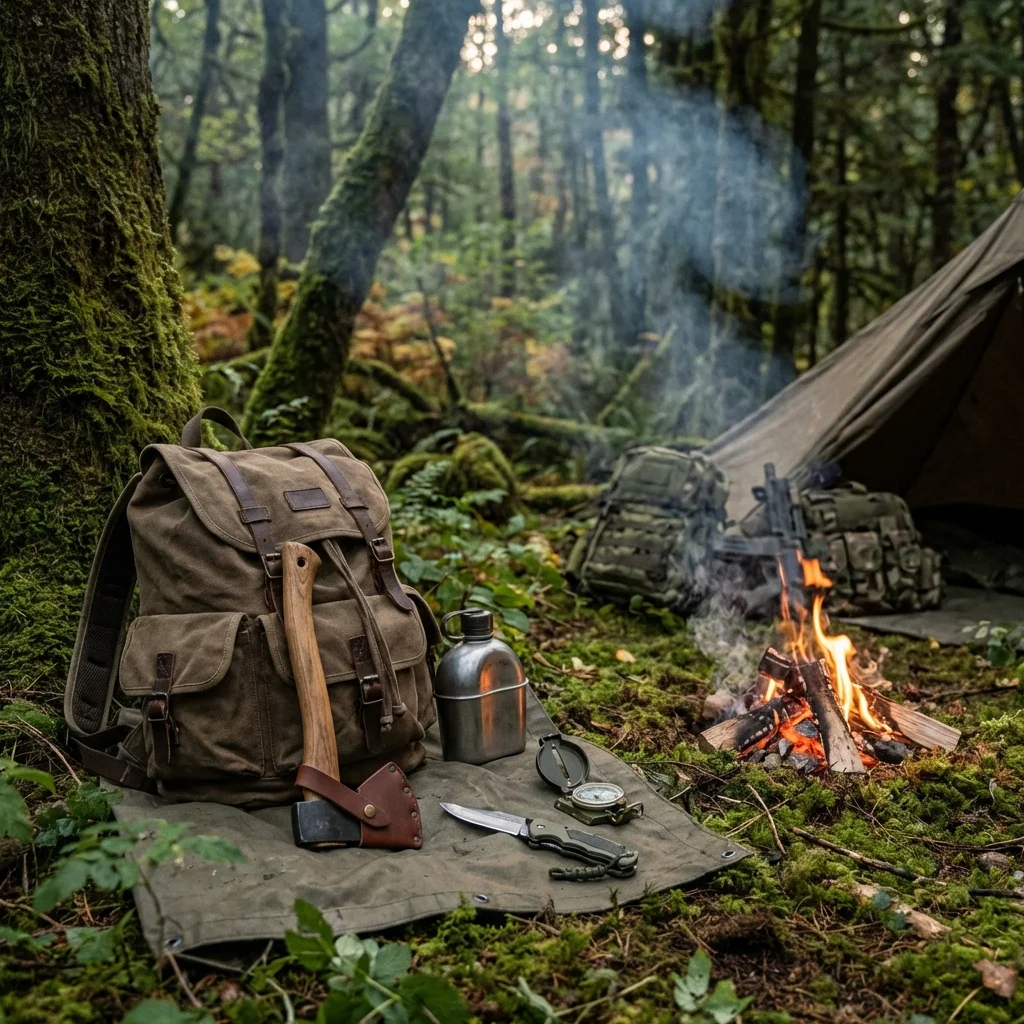
战术分析:末日掩体的经济学与战略学

豪华地下营销掩盖了闭环生存庇护所严苛的工程和后勤限制。这里是对开挖经济学、通风瓶颈以及静态堡垒为何会失败的赤裸审视。
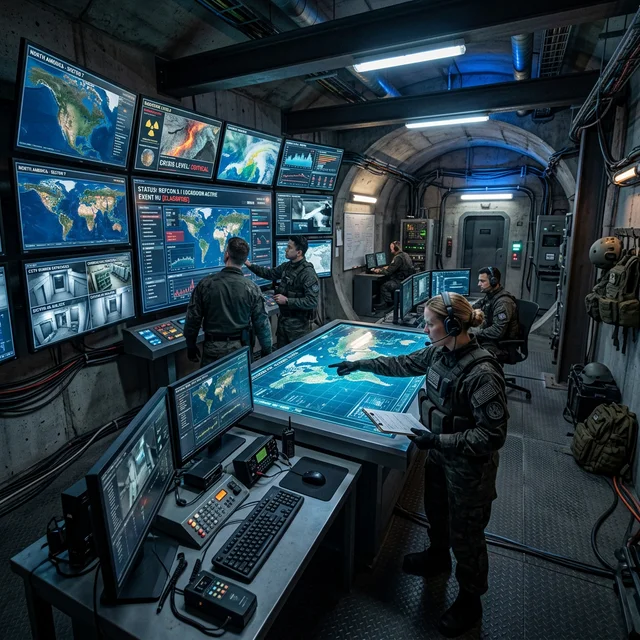
每隔几年,那些关于废弃的冷战导弹筒或新西兰偏远牧场内价值数百万美元的地下综合体的光鲜报道就会抓住公众的想象力。这些配备了保龄球馆、水培舱和生物识别保险库门的亿万富翁避难所贩卖着一种诱人的承诺:即足够的混凝土和现金可以让一个家庭完全退出文明的崩溃。
剥去营销摄影,以工程师或军事后勤人员的角度评估一个掩体,就会呈现出截然不同的图景。在地下,一个生存庇护所不是度假胜地。它是一台静态、封闭循环的生命支持机器,在一个严酷的环境中运行,在这个环境中,湿气、二氧化碳、废热和机械磨损永不间歇。
将钢铁和混凝土埋入地下的经济学
在地下挖掘一个可居住结构是建造地面掩体成本最高的方式之一。在地表,重力运作起来很便宜;但在地下,周围的土壤会施加持续的侧向和静水压力,而地下水则不断试图强行渗入。
一个适度的、专业设计的用于四口之家、为期九十天的钢筋混凝土掩体,在计算了场地准备、结构工程、排水、抗爆舱门和空气处理后,通常费用从六位数中段一直达到七位数。用挖掘机埋设的预算预制钢管往往忽略了适当的土壤荷载分析或防浮锚固——这会将一个昂贵的避难所变成一个在连续大雨后生锈、被淹没的坟墓。
成本集中在四个严酷的项目上:
- 挖掘和排水: 挖得足够深以获得有意义的顶部抗爆和辐射屏蔽(通常至少需要重加筋楼板上方三到四英尺密实的土层)需要支撑结构、碎石排水床、周边法式沟渠和高等级弹性防水膜。
- NBC空气处理和抗爆阀: 核、生物和化学(NBC)过滤不是标准的家用暖通空调设备。真正的生存系统需要在进气和排气管道上安装抗爆减压阀,以防止冲击波破裂居住者的肺部;随后是多级高效颗粒物(HEPA)和浸渍活性炭洗涤器,并进行加压处理,以阻止受污染的室外空气渗入。
- 发电和热管理: 埋在地下的结构全年处于大约 50–55°F 的土壤温度,这有助于缓冲极端的表面温差,但人体、烹饪电器、除湿机和电子设备仍然将热量和湿气排到一个封闭的混凝土箱中。如果没有主动通风和除湿,冷壁几天内就会被冷凝水覆盖,黑色霉菌很快就会跟上。
- 饮用水和黑水封存: 即使是为一人每天提供适度的四加仑水量,维持九十天也需要近 1,500 加仑的带隔板、食品级储罐,外加不依赖市政主管道的冗余泵送和污水储存能力。
作为一名专业的记者-翻译,我将把您的文本翻译成简体中文。
您提供的文本内容: A dedicated single-purpose doomsday bunker pays a return only during rare, catastrophic tail events. Compare that to dual-use hardening—a poured-concrete walkout basement reinforced as an EF5 tornado safe room and radiation shelter, paired with a passive root cellar and solar-battery microgrid—which delivers daily utility and lowers cost per year of useful life.
The Tactical Vulnerabilities of a Fixed Fortress
History is unkind to static fortifications. From medieval castles to the Maginot Line, any defensive position that cannot relocate hands the initiative to whoever controls the surface.
Air Intakes as Single Points of Failure
An underground bunker can withstand tremendous blast overpressure and small-arms fire while remaining completely hostage to a six-inch steel pipe poking through the topsoil. Every occupied shelter needs continuous fresh air exchange to prevent carbon dioxide buildup and oxygen depletion—roughly 15 to 20 cubic feet per minute per person under basic ASHRAE ventilation standards, or chemical oxygen candles and soda-lime CO2 scrubbers during brief sealed periods.
Concealing intake and exhaust stacks from thermal imaging, ground-level inspection, or surface debris is extraordinarily difficult. A modest generator exhaust plume, warm ventilation air melting frost in winter, or ground-penetrating anomalies reveal a shelter's footprint quickly. Once found, an adversary never needs to cut through a two-ton blast door. Plugging the intake with wet clay, pouring diesel down the shaft, or parking a running engine next to it forces the occupants to open up or suffocate.
Waste Handling and Septic Backups
In a conventional house, flushing a toilet depends on municipal water pressure and gravity sewer mains. Ten feet underground, waste often sits below natural grade and must be macerated and pumped upward into a leach field or holding vault.
If the inverter trips, a sewage ejector pump jams, or prolonged power loss exhausts fuel reserves, sanitation breaks down immediately. Methane, hydrogen sulfide, and pathogen exposure inside a sealed volume turn an engineering inconvenience into an acute medical emergency within forty-eight hours. Truly resilient shelters incorporate dry-composting toilets, chemical buckets, or strict urine-diversion systems specifically because pressurized plumbing is too brittle to trust in a crisis.
The Blind-Exit Dilemma
Leaving a bunker can be more hazardous than entering one. During the acute phase of a radiological fallout event, shelter-in-place protocols follow the classic 7/10 rule: for every sevenfold increase in time after detonation, gamma dose rates fall by roughly a factor of ten. After two weeks, ambient outdoor radiation has typically decayed to a small fraction of initial peak levels.
Yet knowing when to open the hatch requires reliable surface situational awareness. Without shielded external radiation probes, perimeter optics, and multi-band radio reception antennas designed to survive electromagnetic pulses, occupants risk stepping blind into lethal contamination, structural firestorms, or hostile armed groups waiting on the surface.
Why No Bunker Is Permanently Self-Sustaining
自给自足的方舟神话忽略了在没有工业供应链的情况下,机械系统会迅速退化的事实。密封的白米、燕麦和冻干口粮可以保存二十五年。其他一切都在更短的时间内失效。
门垫圈会干腐并失去气密压缩性。磷酸铁锂电池会遭受日历老化和电池管理系统(BMS)故障。碳过滤器即使在空闲时也会饱和湿度,反渗透膜会结垢,除非进行系统处理,否则柴油会滋生微生物污泥。
1991年在亚利桑那州进行的Biosphere 2实验仍然是建造过的最干净的闭环居住压力测试。该项目获得了2亿美元和工程团队的支持,八人船员立即与固化混凝土吸收的氧气下降、病虫害爆发、营养缺乏和人际关系破裂作斗争。私人庇护所无法超越专门的研究设施。
将庇护所设计为临时桥梁
现实中,一个加固的庇护所不是永久性的地下住所。它是一个时间桥梁——一个工程化的安全房间,旨在在急性热、辐射或民事混乱平息期间争取两到四周的保护时间。
- 01.优先考虑重力驱动的简单性: 相较于复杂的自动化系统,更倾向于被动热质量、手动水泵井、手动阻尼器和干式卫生设施。
- 02.设计次要出口: 绝不要建造只有一个舱口的地下房间;地表上的瓦砾堆积在单一楼梯井上方会困住居住者。
- 03.首先投资于地表韧性: 储存的水、深度的食物储备、离网太阳能存储和值得信赖的邻居,解决的紧急情况远多于埋在地下的钢板。
水泥购买时间。舱口上方等待着什么决定了这项投资是否重要。
###权威来源与进一步阅读
实时汇总 USGS 5.0+级地震、NASA EONET 野火、火山与风暴、UN/EC GDACS 灾害警报和 NOAA 地磁指数的地理空间动态。
相关报告与深度情报
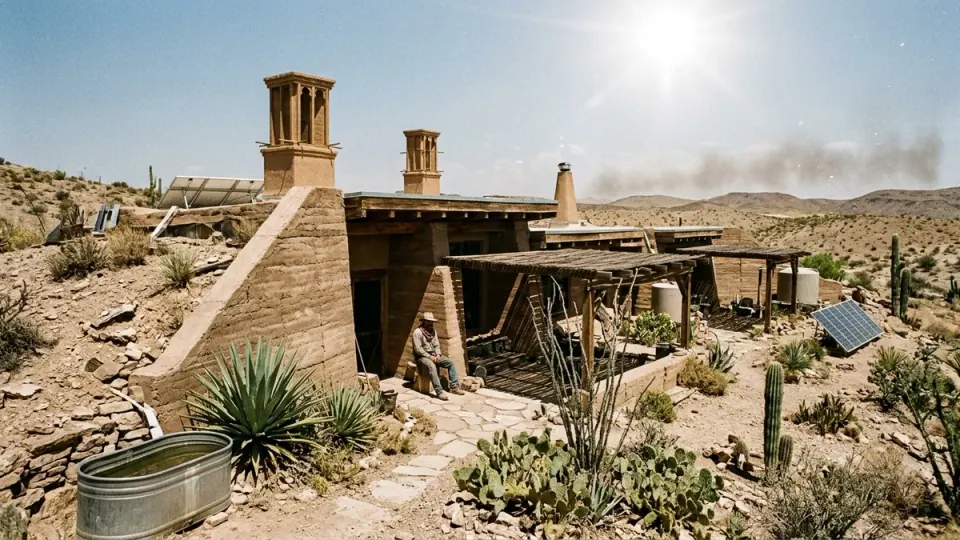
极端热浪生存手册:电网瘫痪下的高热防御、被动式微气候工程与紧急水源回收
针对电网崩溃期间遭遇45°C+高湿球温度极端热浪的战术工程与生理生存指南。本文深入解析地下覆土掩体工程、蒸发冷却物理学、细胞级水盐补给以及应急太阳能蒸馏取水技术。