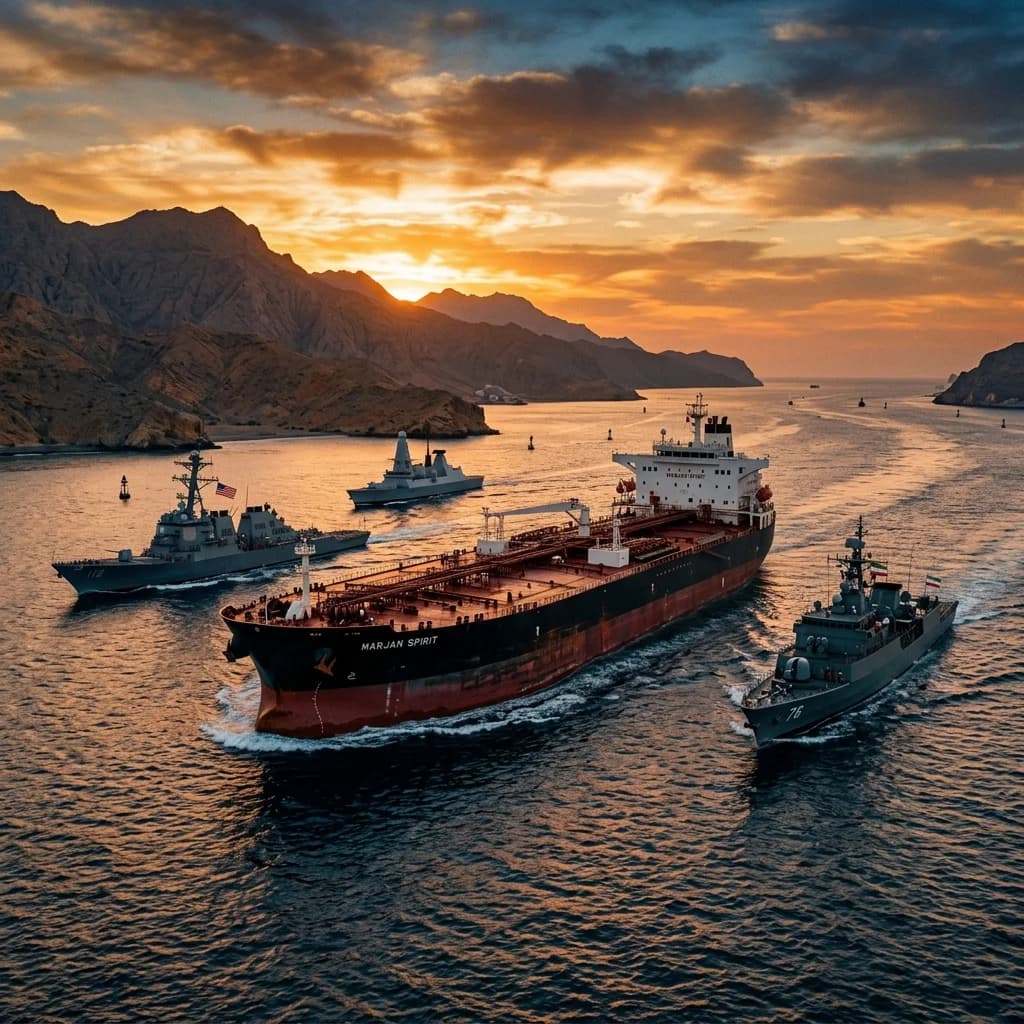
Will oil prices stay low after straight of Hormuz reopens?
As maritime traffic resumes through the Strait of Hormuz, we analyze the thermodynamic and economic factors that prevent a return to cheap petroleum.
Logistics disruption and dependency risks.
The global supply chain is a complex, interconnected web of networks that rely on precise timing and coordination to function. However, this intricate system is fraught with vulnerabilities, from natural disasters and cyber attacks to economic instability and infrastructure failures. As we have witnessed in recent years, even minor disruptions can have far-reaching consequences, resulting in food shortages, price hikes, and widespread panic.
The just-in-time delivery model, which has become the backbone of modern commerce, is particularly susceptible to collapse. With minimal inventory buffers and a reliance on rapid transportation, any significant disruption can quickly cascade into a full-blown crisis. Moreover, the increasing reliance on global sourcing and international trade has created a fragile ecosystem that is vulnerable to trade wars, tariffs, and other geopolitical tensions.
To prepare for a potential supply chain collapse, consider the following essential items:
Modern supply chains optimize for cost, not resilience. A single chokepoint — a canal, a strait, a chip fab — can reprice the world in weeks.
Source: Drewry World Container Index
As maritime traffic resumes through the Strait of Hormuz, we analyze the thermodynamic and economic factors that prevent a return to cheap petroleum.

The modern world relies on just-in-time logistics. When those links break, grocery store shelves empty in hours. Here is an analysis of global supply chain vulnerabilities and how to create personal buffers.
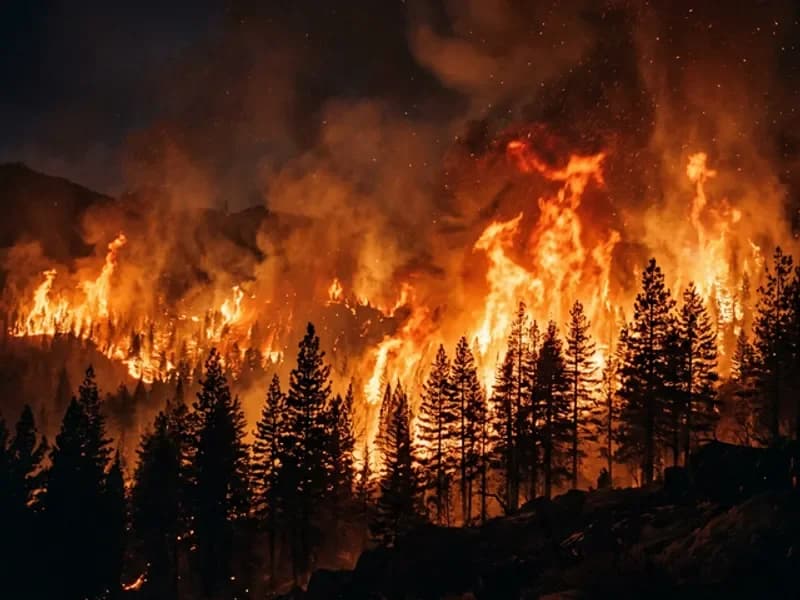
When the grid permanently fails, your geography becomes your destiny. A deep dive into the harsh realities of underground shelters versus surface-level chaos during systemic collapse.

The Fragility of Our Food System The global food supply chain is a marvel of modernity, but it's also an audacious experiment in interconnectedness...

The just-in-time supply chain model, while efficient in times of peace and prosperity, poses a significant threat to global stability in the face of disruptions. As a survivalist and investigative journalist, I urge you to understand the risks and take necessary precautions to ensure your survival in a world where the fragile supply chain can collapse at any moment.

The power grid is the backbone of modern society, but its vulnerability to failure poses a significant threat to our way of life. As a survivalist and investigative journalist, I'll delve into the dangers of grid failure and provide crucial information on how to prepare for the worst.

Major ports reporting complete shutdown of operating systems.

1. Understanding the Need for Water Purification