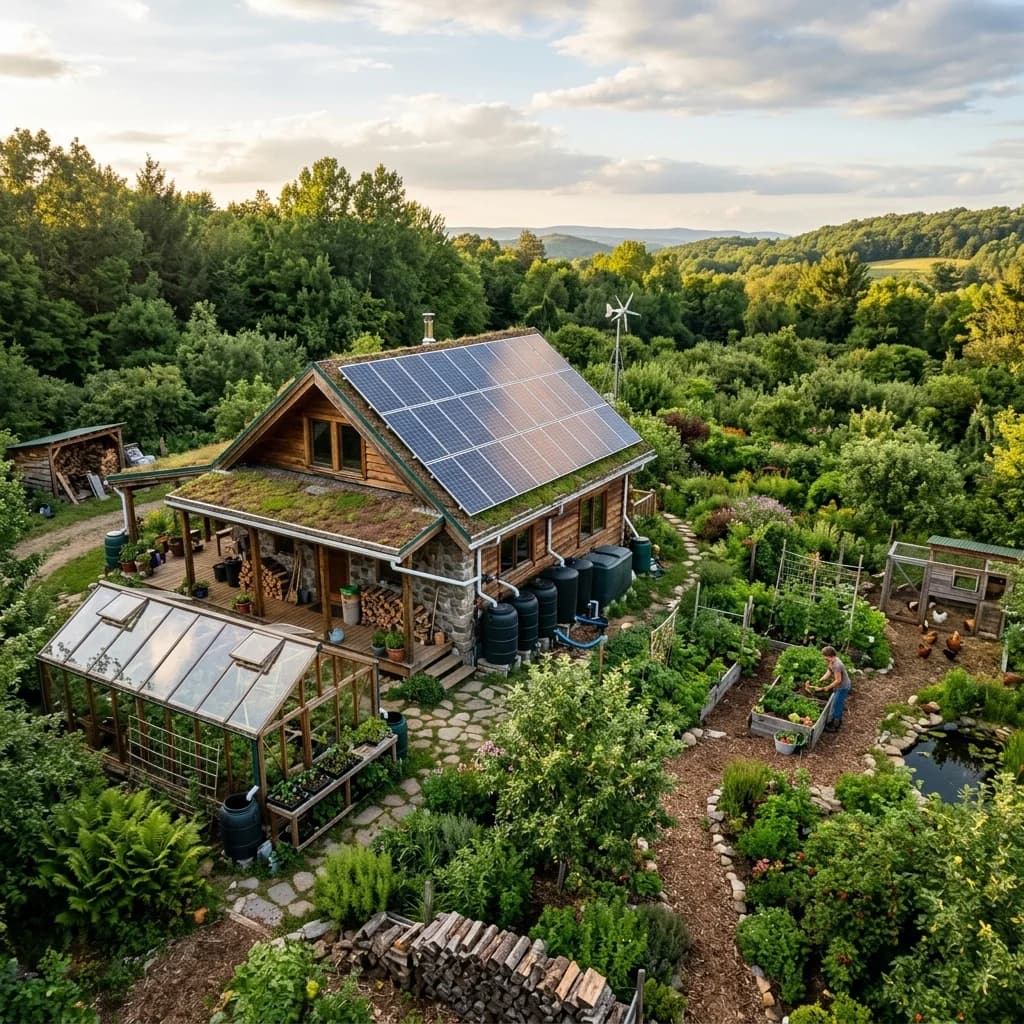
Crucial tips to survive in climate change apocalypse.
As centralized systems fracture under climate stress, we outline the exact biological, hydrological, and shelter practices required for self reliance.
Scarcity, purification, and rights.
The water crisis is a pressing global issue, with millions of people already struggling to access clean and safe drinking water. Climate change, population growth, and pollution have exacerbated the problem, making it essential to address the challenges of water scarcity and contamination.
Water scarcity affects not only human consumption but also agriculture, industry, and ecosystems. The consequences of water scarcity can be devastating, from food shortages to economic instability.
Water contamination poses significant health risks, from waterborne diseases to long-term health effects. Chemical pollutants, bacterial contaminants, and other hazards can render water undrinkable, making purification strategies crucial for survival.
To mitigate the risks of the water crisis, it's essential to have a plan in place. Here's a quick survival checklist:
By understanding the threats and taking proactive steps, individuals can prepare for the looming water crisis and ensure access to this vital resource. Remember, water is life, and it's up to us to protect it.
Water stress is the quietest emergency on Earth: a quarter of humanity already lives in countries using over 80% of their renewable supply every year.
Source: WRI Aqueduct
As centralized systems fracture under climate stress, we outline the exact biological, hydrological, and shelter practices required for self reliance.

As infrastructure crumbles, industrial accidents and unchecked pollution will become secondary disasters. Learn how to monitor, filter, and survive toxic environments.
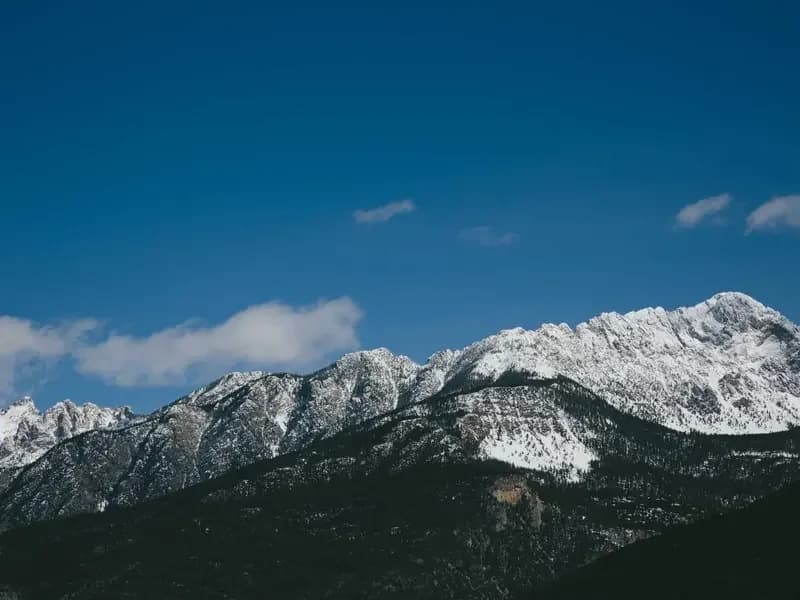
The Fragility of Our Food System The global food supply chain is a marvel of modernity, but it's also an audacious experiment in interconnectedness...

In a world where access to clean drinking water is becoming increasingly uncertain, knowing the best water purification methods is crucial for survival. This guide ranks the most effective methods to help you stay hydrated in the face of disaster.
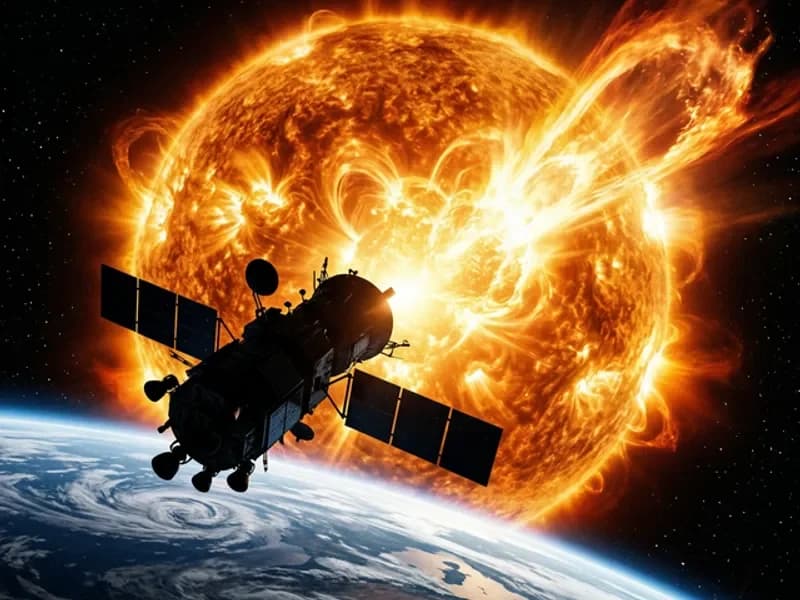
As the world teeters on the brink of collapse, access to clean water is becoming increasingly scarce. It's essential to understand the importance of water purification and conservation to ensure survival in a post-collapse world.

1. Understanding the Need for Water Purification