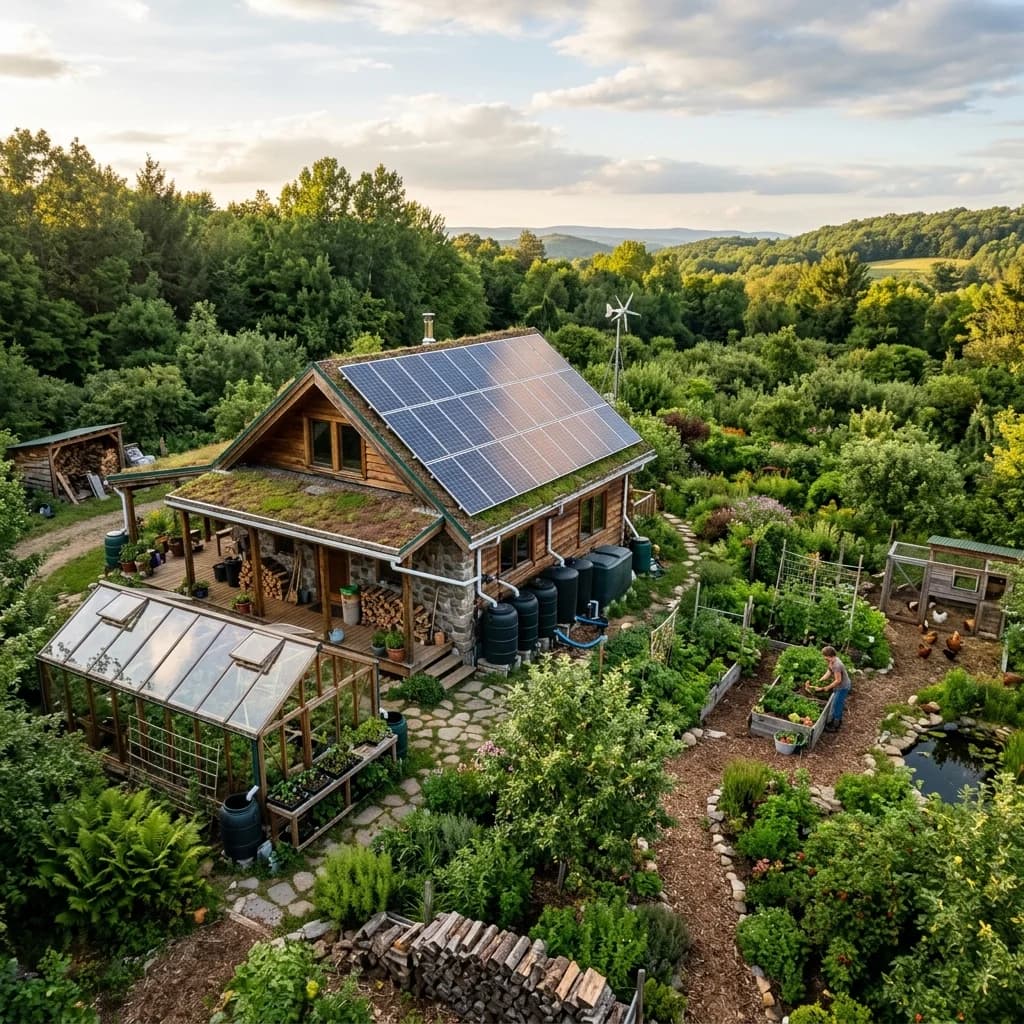
Which Countries Will Thrive in a Hotter World?
A technical and geographic assessment of the countries situated to survive and thrive during global temperature increases.
Long-term planetary shifts and adapting.
Climate change is one of the most pressing issues of our time, with far-reaching consequences for the environment, human health, and the economy. The science is clear: human activities, particularly the burning of fossil fuels and deforestation, are releasing massive amounts of greenhouse gases, such as carbon dioxide and methane, into the atmosphere, leading to a global average temperature increase of over 1°C since the late 19th century.
The consequences of climate change are multifaceted and devastating. Rising temperatures are melting polar ice caps, raising sea levels, and altering weather patterns, resulting in more frequent and intense heatwaves, droughts, and storms. Climate tipping points, such as the collapse of ice sheets or the die-off of coral reefs, can have catastrophic and irreversible effects.
To mitigate and adapt to climate change, individuals can take the following steps:
The last two years were the hottest in instrument history, breaching the 1.5°C marker. Climate is the slow variable that moves every fast one — food, water, migration, conflict.
Source: Copernicus / NASA GISS
A technical and geographic assessment of the countries situated to survive and thrive during global temperature increases.

Analyzing the thermodynamics of humid heat waves and how approaching temperature limits threaten millions in vulnerable regions.

The 2027 El Nino event exhibits a warming velocity that has shattered all historical records, threatening global agricultural stability and ocean ecosystems.
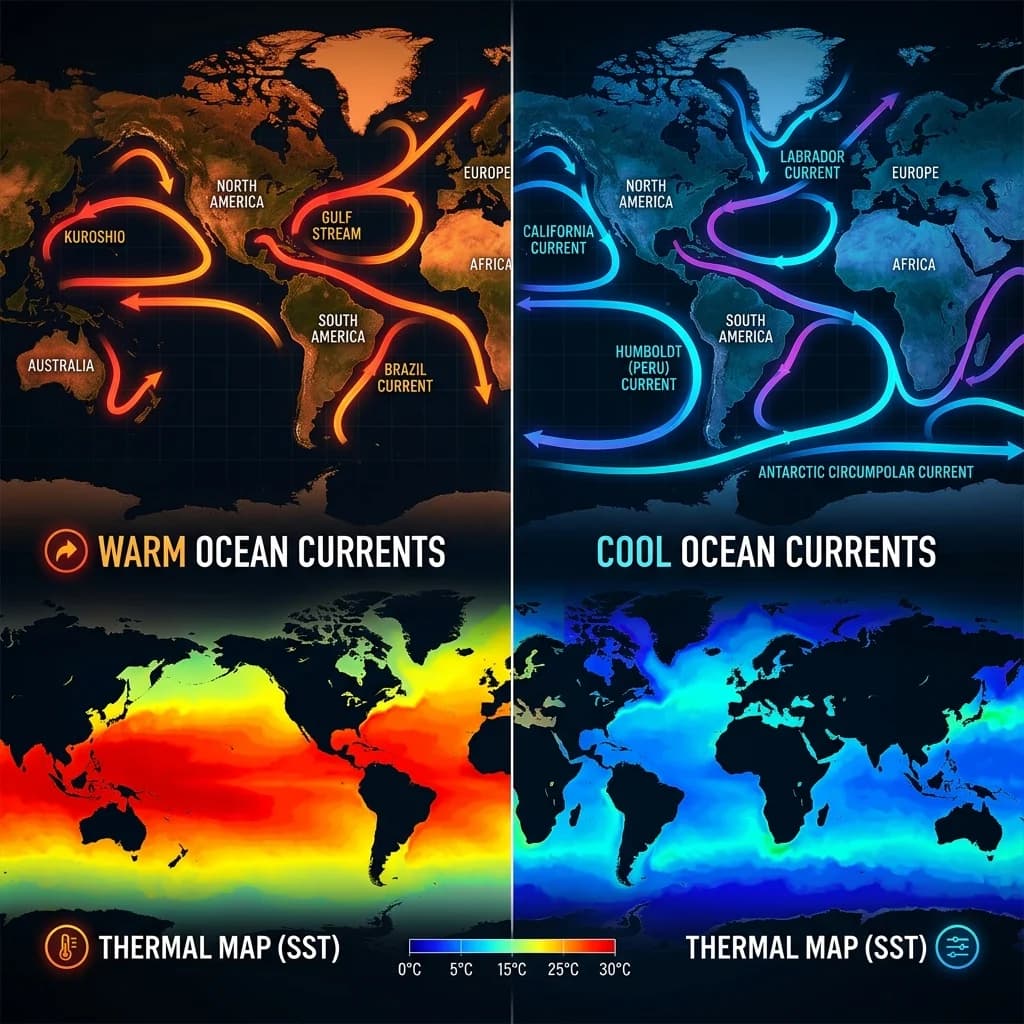
Understanding the distinct thermodynamic mechanisms, trade wind dynamics, and ecological consequences that separate El Nino and La Nina.
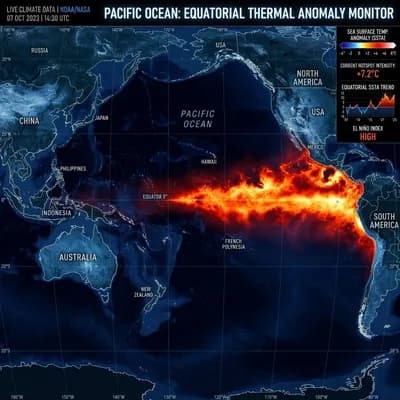
With subsurface thermal anomalies in the tropical Pacific reaching record heights, we analyze the likelihood of a historic 'super El Niño' in late 2026 and its cascading impacts on global ecosystems, food supplies, and power grids.
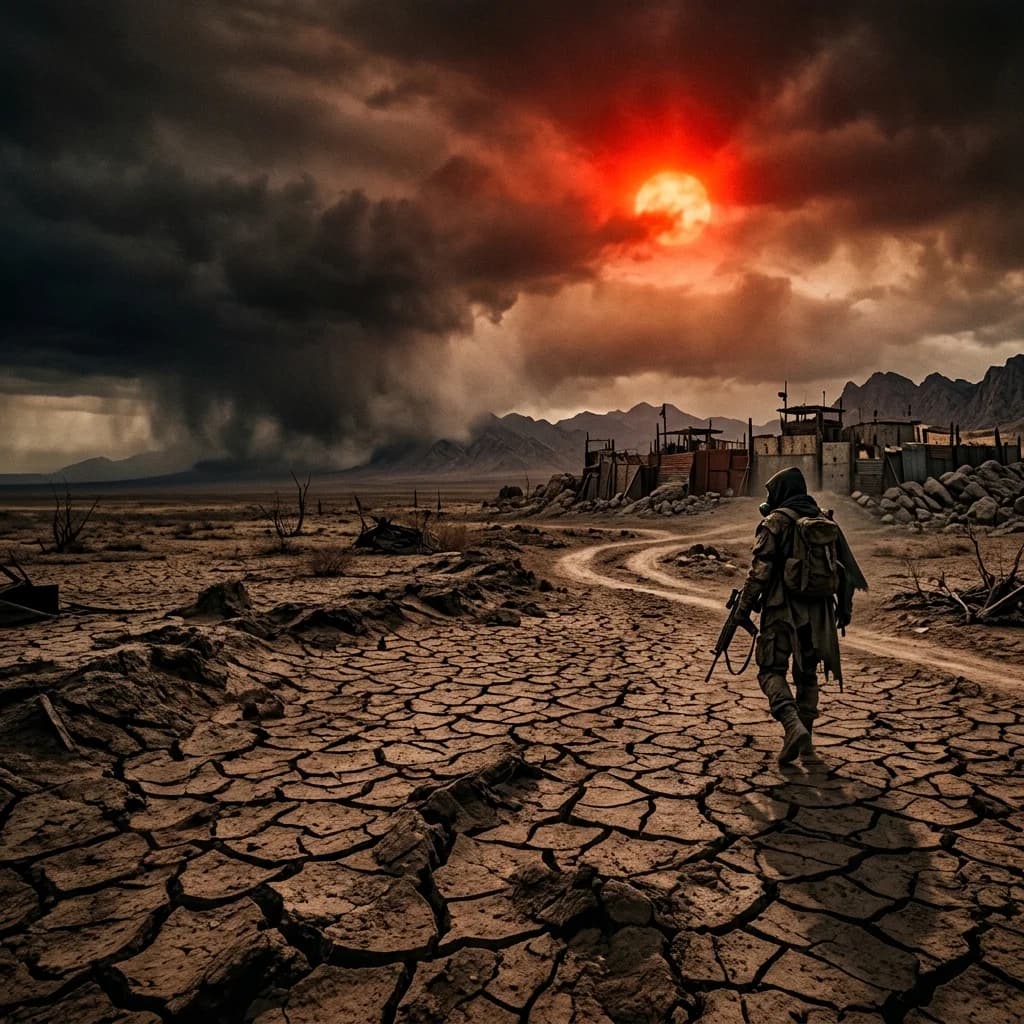
The global climate system is bracing for a historic El Niño event in late 2026. This comprehensive analysis details the meteorological signals, expected agricultural collapse, and cascading geopolitical effects.

The global climate system is undergoing a fundamental state transition toward a significant El Niño event in 2026, with profound implications for 2027.
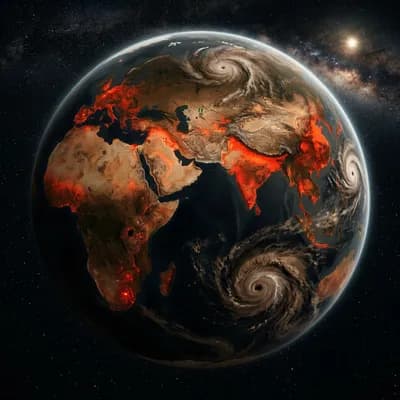
Trajectories of the Earth System: A Global Analysis of Runaway Warming and the 200-Year Climate Horizon.

The Fragility of Our Food System The global food supply chain is a marvel of modernity, but it's also an audacious experiment in interconnectedness...

Introduction: The Urban Landscape in 2030 The year 2030 marks a pivotal moment for urban environments worldwide. With rising geopolitical tensio...

As the world teeters on the brink of collapse, the increasing reliance on robotics and automation poses significant questions about the future of human survival. In this post, we delve into the implications of robotics on a post-catastrophic society, exploring both the benefits and drawbacks of this rapidly advancing technology.

As the world grapples with the challenges of mass migration, it's essential to examine the underlying factors driving this phenomenon and the potential consequences for global stability. From a collapse perspective, migration patterns can serve as a harbinger of deeper systemic issues.
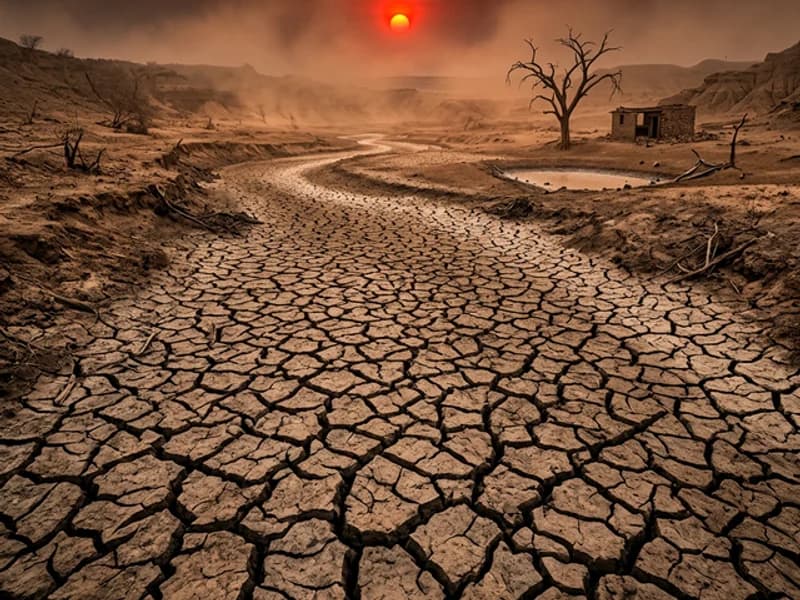
As the planet teeters on the brink of disaster, it's time to face the harsh reality of climate change and its devastating consequences. From intensifying natural disasters to catastrophic weather patterns, the writing is on the wall – and it's time to prepare for the worst.

In an era of rising cyber threats and societal instability, securing your digital and physical identity has never been more critical. This guide outlines essential strategies for safeguarding yourself and your assets.