Unprecedented warming speed of 2027 El Nino
The 2027 El Nino event exhibits a warming velocity that has shattered all historical records, threatening global agricultural stability and ocean ecosystems.
The Thermal Anomalies of 2027
The global climate system has entered unmapped territory. During the opening months of 2027, ocean temperatures in the central and eastern equatorial Pacific Ocean rose at a speed that has surprised the scientific community. Historically, the onset of an El Nino Southern Oscillation event occurs gradually over several seasons. Ocean currents slowly shift and wind patterns adjust. However, the current cycle has bypassed these historical timelines. Sea surface temperature measurements in the critical Nino 3.4 region increased by 2.5 degrees Celsius in less than sixty days. This rate of temperature accumulation is double the speed of the historic 1997 and 2015 events.
This rapid heating indicates a fundamental shift in the thermodynamic balance of the planet. The upper layers of the ocean are releasing stored thermal energy at an accelerated rate. This release is driving immediate changes in global weather patterns. The speed of the warming prevents ecosystems and human infrastructure from adapting. Traditional agricultural planning relies on predictable transition phases between climate cycles. Farmers require time to alter crop choices and water management strategies. The suddenness of this thermal surge has eliminated that transition period. Consequently, food production zones are facing immediate water deficits and extreme heat stress without the necessary preparation.
Understanding this thermal acceleration requires a close analysis of the physical drivers behind ocean heat distribution. The global energy balance is changing. As greenhouse gases trap more solar radiation, the oceans absorb over ninety percent of the excess heat. The upper ocean heat content has reached a record high level. This reservoir of energy provides the thermal fuel for the current anomaly. When the atmospheric circulation shifted in early 2027, this massive pool of heat moved rapidly toward the surface. The resulting surface temperature anomaly is not merely a temporary fluctuation. It represents the sudden emergence of deeply stored oceanic thermal energy into the global climate loop.
- The Nino 3.4 region temperatures rose by 2.5 degrees Celsius in two months.
- The rate of thermal energy accumulation is double the speed of previous record events.
- Traditional warning systems failed to anticipate the velocity of this thermal shift.
The Collapse of the Walker Circulation
The rapid rise in sea surface temperatures has triggered a sudden collapse of the Walker Circulation. The Walker Circulation is the atmospheric engine of the equatorial Pacific. In normal years, strong trade winds blow from east to west. These winds push warm surface waters toward the western Pacific, around Indonesia and Australia. This movement creates a deep pool of warm water in the west, while cooler water wells up from the deep ocean off the coast of South America. This temperature gradient drives a massive atmospheric convection loop. Warm air rises over the western Pacific, travels eastward at high altitudes, sinks over the eastern Pacific, and returns westward as trade winds.
In early 2027, this system ceased to function. The temperature gradient across the Pacific disappeared almost overnight. As the eastern Pacific warmed, the rising air column shifted eastward. This shift broke the pressure differences that maintain the trade winds. The westerly wind bursts, which are normally brief interruptions, became the dominant wind pattern. These winds blew warm western waters back toward South America. This feedback loop accelerated the warming process. The ocean and the atmosphere coupled in a way that reinforced the thermal anomalies. The speed of this coupling explains why the event developed so rapidly.
The breakdown of the Walker Circulation has global consequences. The jet stream has shifted from its typical path. This shift redirects storm systems away from their normal tracks. Regions that rely on consistent seasonal rainfall are now experiencing prolonged dry spells. In contrast, dry areas are receiving heavy downpours. The atmosphere cannot easily self correct when the primary equatorial driver is disrupted. The energy changes in the Pacific are so large that they dominate the global wind systems. This atmospheric rearrangement is the direct cause of the weather anomalies observed in North America, Africa, and Asia.
Ocean Heat Content and Equatorial Waves
The mechanics of this warming event are tied to the propagation of equatorial Kelvin waves. A Kelvin wave is a large wave in the ocean that travels eastward along the equator. These waves are driven by wind changes in the western Pacific. When the trade winds weaken or reverse, the warm water pool in the west is released. This warm water travels east in the form of a subsurface Kelvin wave. These waves deepen the thermocline as they move. The thermocline is the boundary layer between warm surface waters and cold deep waters. By deepening this layer, the Kelvin waves prevent cold water from reaching the surface.
During 2027, a series of exceptionally strong Kelvin waves traveled across the Pacific. These waves were larger and moved faster than those observed in previous decades. They suppressed the eastern Pacific thermocline to unprecedented depths. The cold Humboldt Current, which normally cools the coast of South America, was pushed down. This allowed warm surface waters to spread rapidly along the South American coast. The speed of this subsurface wave propagation explains the sudden rise in surface temperatures. The heat was not generated locally by solar radiation. It was transported rapidly from the western Pacific warm pool.
At the same time, Rossby waves traveled westward at higher latitudes. These waves adjusted the ocean structure in the western Pacific. They made the western region shallower and cooler. This dual wave action reversed the normal slope of the Pacific ocean surface. The sea level in the east rose, while the sea level in the west fell. The gravitational and thermal changes combined to lock the system into a stable El Nino state. The speed of this transition indicates that the ocean thermocline has reached a state of instability. A small atmospheric trigger can now produce a massive thermal response.
- Subsurface Kelvin waves suppressed the cold water upwelling off South America.
- The thermocline depth in the eastern Pacific reached record levels.
- Sea level height adjusted rapidly across the equatorial zone.
Marine Ecosystem Depletion
The ecological consequences of this rapid warming are severe. The marine ecosystems of the eastern Pacific rely on the nutrient rich upwelling of the Humboldt Current. Cold, deep ocean waters contain high concentrations of nitrates and phosphates. These nutrients feed the phytoplankton populations, which form the base of the ocean food web. When the upwelling stopped, the nutrient supply disappeared. The phytoplankton populations collapsed within weeks of the thermal onset. This collapse triggered a rapid starvation event throughout the marine food chain.
The anchovy and sardine fisheries off the coast of Peru and Ecuador have ceased to operate. These fish populations migrated southward to find cooler waters or died from lack of food. Larger predators, including seabirds, sea lions, and marine mammals, have experienced high mortality rates. Nesting colonies have been abandoned as parent birds search wider areas for food. The marine heatwave has also triggered widespread coral bleaching. Coral reefs in the Galapagos Islands and the coastal zones of Central America have lost their symbiotic algae. The speed of the temperature rise did not allow the corals to adapt or recover. Many reef systems are now facing permanent death.
This marine collapse is not limited to the coastal zones. The open ocean ecosystems are also showing signs of stress. Large pelagic species, such as tuna and billfish, have shifted their distribution patterns. They are moving toward the poles or seeking deeper, cooler ocean layers. This migration disrupts the trophic structures of the open ocean. It also impacts the commercial fishing fleets that rely on predictable fish migrations. The speed of these ecological shifts has outpaced the management frameworks of international fisheries organizations.
Global Climate Impacts and Weather Extremes
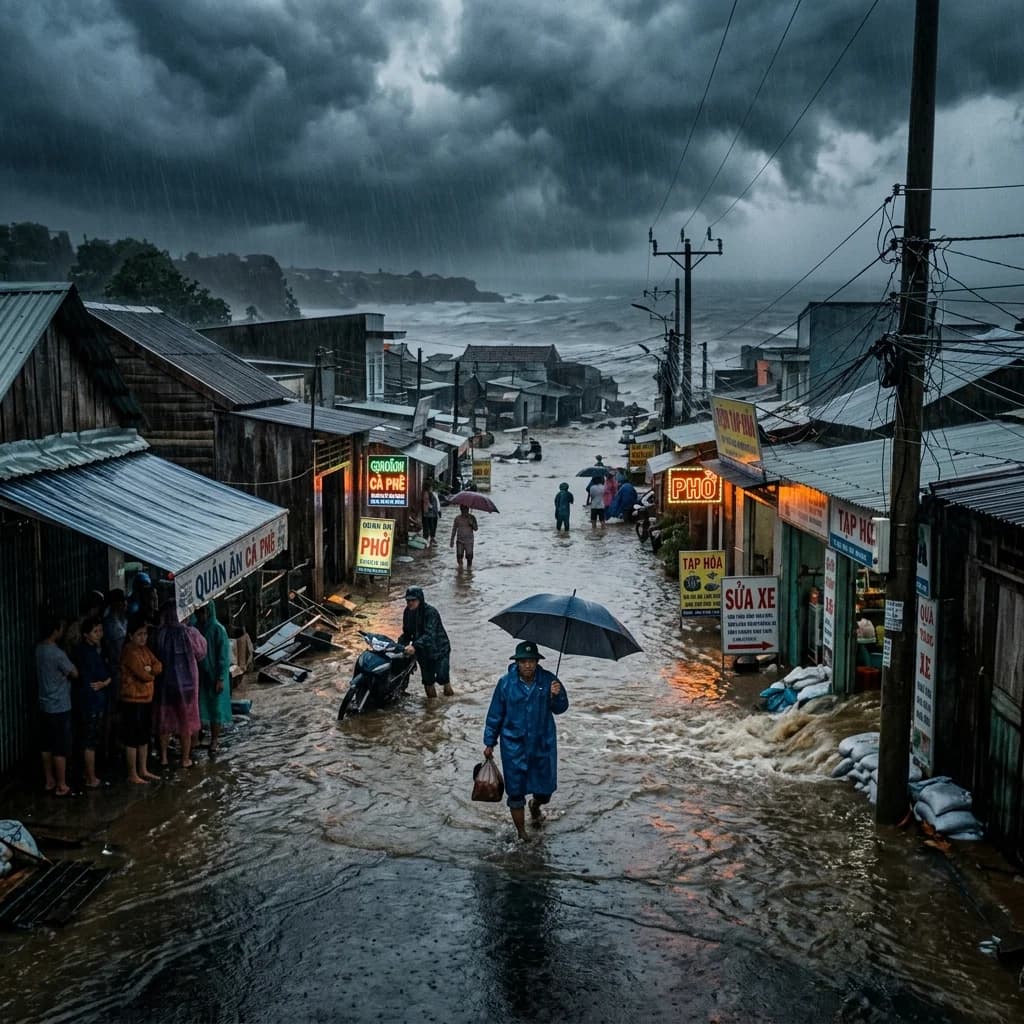
The atmospheric changes driven by the 2027 El Nino have produced weather anomalies across the planet. In South America, the western coastal desert is experiencing historic rainfall. Torrential downpours in Peru and Ecuador have triggered massive mudslides and river flooding. Coastal cities are facing severe infrastructure damage. The soil in these regions cannot absorb such large volumes of water. The resulting runoff destroys roads, bridges, and agricultural fields. Crop losses in these areas are contributing to regional food price inflation.
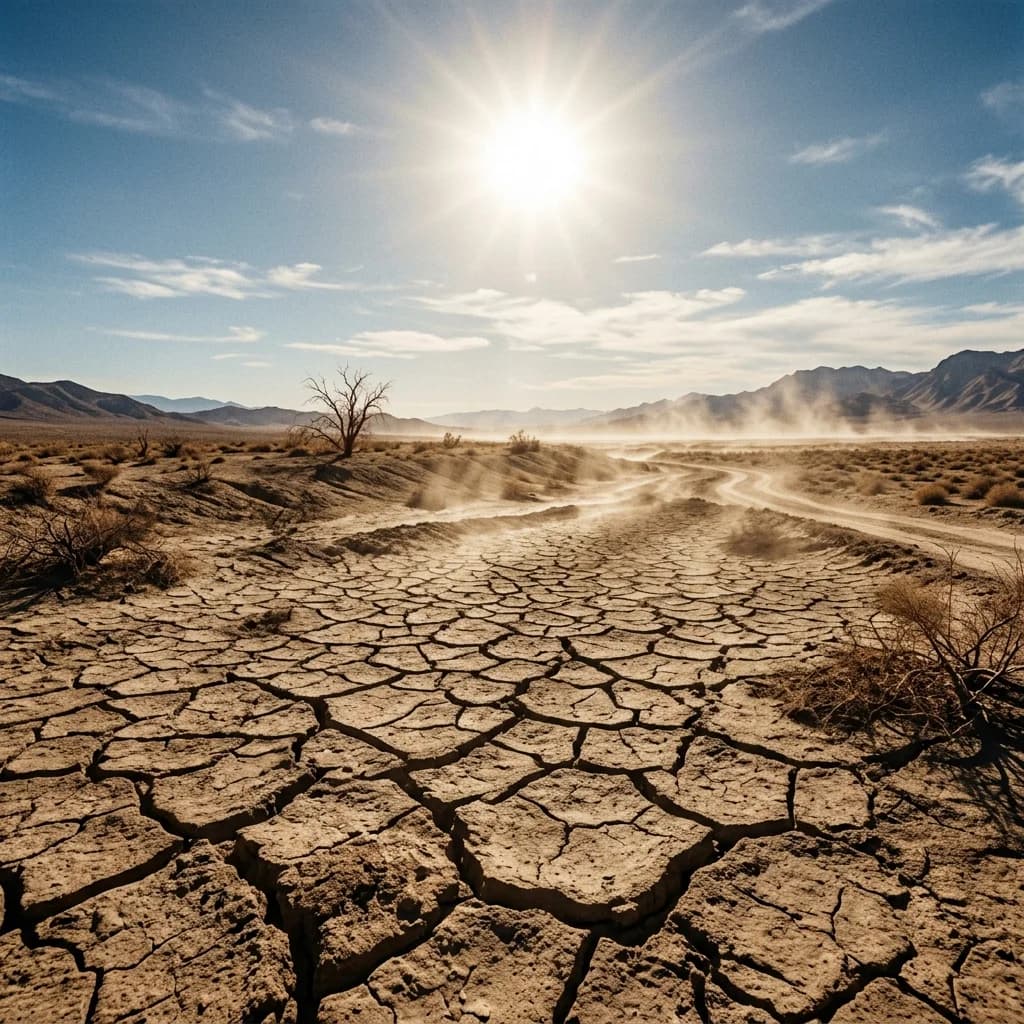
In contrast, the western Pacific is facing severe drought. Australia and Indonesia are experiencing record low rainfall. The vegetation in these regions has dried out, creating prime conditions for large wildfires. The agricultural sector in Australia is projecting a substantial drop in wheat yields. Southeast Asian nations are reporting water shortages in major river basins. The lack of water is impacting rice production, which is a critical staple food for billions of people. The global supply of basic grains is tightening, raising concerns about food security in vulnerable nations.
Africa is also feeling the effects of the thermal anomaly. East African nations, which recently suffered from prolonged droughts, are now facing destructive floods. Meanwhile, southern Africa is experiencing dry conditions that threaten maize crops. The timing of these weather shifts is particularly challenging. Many regions are still recovering from previous economic and environmental crises. The speed and intensity of the 2027 El Nino are compounding these existing vulnerabilities, leading to widespread humanitarian concerns.
- Peru and Ecuador are experiencing destructive coastal flooding.
- Australia and Indonesia face severe drought and high wildfire risks.
- Agricultural yields of wheat and rice are declining globally.
Agricultural Security and Adaptation
The speed of the 2027 El Nino requires immediate adjustments in agricultural management. Traditional farming calendars are no longer reliable. To secure crop yields, agricultural systems must transition to flexible models. Farmers must adopt drought resistant crop varieties that can survive water deficits. Crop diversification is essential to reduce the risk of total harvest failure. The reliance on single crop monocultures must be abandoned in favor of multi crop systems that are more resilient to weather volatility.
Water conservation technology is critical. Drip irrigation systems, which deliver water directly to the plant roots, must replace flood irrigation methods. Rainwater harvesting infrastructure must be expanded to store excess runoff during wet periods. Soil health management is another key factor. Increasing soil organic matter helps the land retain moisture during dry spells. Mulching practices reduce evaporation from the soil surface. These practical steps can help protect food production from the volatile climate conditions driven by the warming Pacific.
Long term survival in a changing climate requires localized food systems. Global supply chains are vulnerable to disruptions caused by regional crop failures. By building local agricultural networks, communities can reduce their dependence on imported food. This localization promotes resilience. It allows communities to adapt their food production to the specific environmental conditions of their region. The unprecedented warming of 2027 is a clear signal that the global climate system is changing rapidly. Adaptation is no longer a future option. It is an immediate necessity for survival.