Differences between El Niño and La Niña.
Understanding the distinct thermodynamic mechanisms, trade wind dynamics, and ecological consequences that separate El Nino and La Nina.
The Coupled Ocean Atmosphere System
The climate of the Pacific basin is governed by the El Nino Southern Oscillation, commonly known as ENSO. This system is a coupled ocean atmosphere cycle, meaning that shifts in water temperatures directly drive changes in wind patterns, which then reinforce the oceanic conditions. Under neutral conditions, trade winds blow steadily from east to west across the equatorial Pacific. These winds push warm surface water toward the western Pacific, building up a deep pool of warm water around Indonesia and Australia. Consequently, the sea level is higher in the west, and cold, nutrient rich water wells up along the coast of South America to replace the displaced surface water.
This temperature gradient across the ocean basin drives a vertical circulation cell in the atmosphere. Warm air rises over the western Pacific, travels east at high altitudes, and sinks over the cooler eastern waters. This cell is called the Walker Circulation. The ENSO cycle fluctuates between two extreme phases, El Nino and La Nina, representing deviations from this neutral state. Understanding the differences between these phases is critical for agricultural planning, resource management, and disaster preparation, as their consequences are felt globally.
The shift between these phases is not random. It is driven by the movement of massive pools of heat stored in the upper layers of the ocean. When the trade winds weaken, this heat is released eastward, initiating an El Nino. When the winds strengthen beyond normal levels, they lock the heat in the west, initiating a La Nina. The transitions between these states occur over several seasons, but the impacts are immediate once the atmospheric coupling is established.
- ENSO is a coupled ocean atmosphere cycle in the equatorial Pacific.
- Under neutral conditions, trade winds push warm water west, creating an eastern upwelling.
- The Walker Circulation is driven by the sea surface temperature gradient across the basin.
El Nino: The Warm Phase
During an El Nino event, the Walker Circulation weakens. The trade winds that normally blow westward across the equator lose their strength, or in extreme cases, reverse direction. Without the wind pressure holding the warm water pool in the west, this reservoir of thermal energy travels eastward toward South America in the form of subsurface Kelvin waves. As this warm water spreads across the central and eastern Pacific, it suppresses the thermocline. The thermocline is the boundary layer between the warm surface water and the cold deep ocean.
The suppression of the thermocline prevents the cold, nutrient rich upwelling off the coast of Peru and Ecuador. The sea surface temperatures in the eastern Pacific rise by several degrees Celsius above normal averages. This warming shifts the atmospheric convection zone eastward. Rainfall, which is normally concentrated over Indonesia and northern Australia, moves into the central Pacific. This atmospheric rearrangement alters the jet stream, creating unusual weather patterns across the globe.
The impacts of El Nino are widespread. Western South America experiences intense rainfall, leading to coastal flooding and destructive mudslides. In contrast, Australia, Indonesia, and parts of southern Asia face severe droughts and high wildfire risks. In North America, winters during an El Nino are typically wetter and cooler across the southern United States, while the northern states and Canada experience warmer, drier conditions.
- Trade winds weaken, allowing warm western waters to travel eastward.
- The deep thermocline prevents nutrient upwelling off South America.
- Global rainfall patterns shift, causing droughts in the west and floods in the east.
La Nina: The Cool Phase
La Nina represents an intensification of the neutral state. During a La Nina event, the Walker Circulation becomes exceptionally strong. The trade winds blow from east to west with increased velocity, pushing the warm surface water pool even further west into the western Pacific warm pool. This aggressive wind movement draws up greater volumes of cold, deep ocean water along the South American coast. The thermocline in the eastern Pacific rises closer to the surface, creating anomalously cold sea surface temperatures.
This cold ocean surface suppresses convection in the eastern Pacific. The atmospheric pressure rises in the east and falls in the west, strengthening the wind loop. The convection zone is locked over the far western Pacific, leading to heavy monsoon rains and flooding in northern Australia, Indonesia, and parts of southern Asia. The jet stream is pushed northward, leading to distinct global weather anomalies that are often the opposite of El Nino impacts.
During a La Nina, the southern United States experiences warmer and drier winters than normal, which can trigger drought conditions in agricultural states like Texas and California. In contrast, the Pacific Northwest and western Canada experience colder, wetter winters with heavy snowfall. In Asia, the monsoon seasons are typically more intense, leading to crop damage and flooding, while the Atlantic Ocean experiences increased hurricane activity due to reduced wind shear.
- Trade winds strengthen, pushing warm water far west and pulling cold water up in the east.
- The thermocline rises in the east, causing colder sea surface temperatures.
- Weather anomalies include dry winters in the southern US and wet monsoons in Asia.
Comparing Ocean and Wind States
The differences between El Nino and La Nina can be understood by comparing their key physical indicators. The primary metrics used by meteorologists to monitor the ENSO cycle are sea surface temperatures, trade wind velocity, thermocline depth, and atmospheric pressure differences across the Pacific basin. The Oceanic Nino Index measures the deviation of sea surface temperatures in the central Pacific from normal averages.
During an El Nino, the Oceanic Nino Index is positive, indicating warmer waters. During a La Nina, the index is negative, indicating cooler waters. The trade wind velocity is below average during El Nino and above average during La Nina. The thermocline is deep in the eastern Pacific during El Nino, preventing upwelling, and shallow during La Nina, enhancing upwelling. These differences are summarized in the following table.
| Physical Metric | El Nino (Warm Phase) | La Nina (Cool Phase) | | :--- | :--- | :--- | | Sea Surface Temperature (East) | Above average | Below average | | Trade Wind Strength | Weak or reversed | Stronger than normal | | Thermocline Depth (East) | Deep (suppressed) | Shallow (elevated) | | Rainfall Location | Central and Eastern Pacific | Western Pacific and Indonesia | | South American Upwelling | Collapsed | Intensified | | Atlantic Hurricane Activity | Suppressed | Enhanced |
Ecological and Marine Consequences
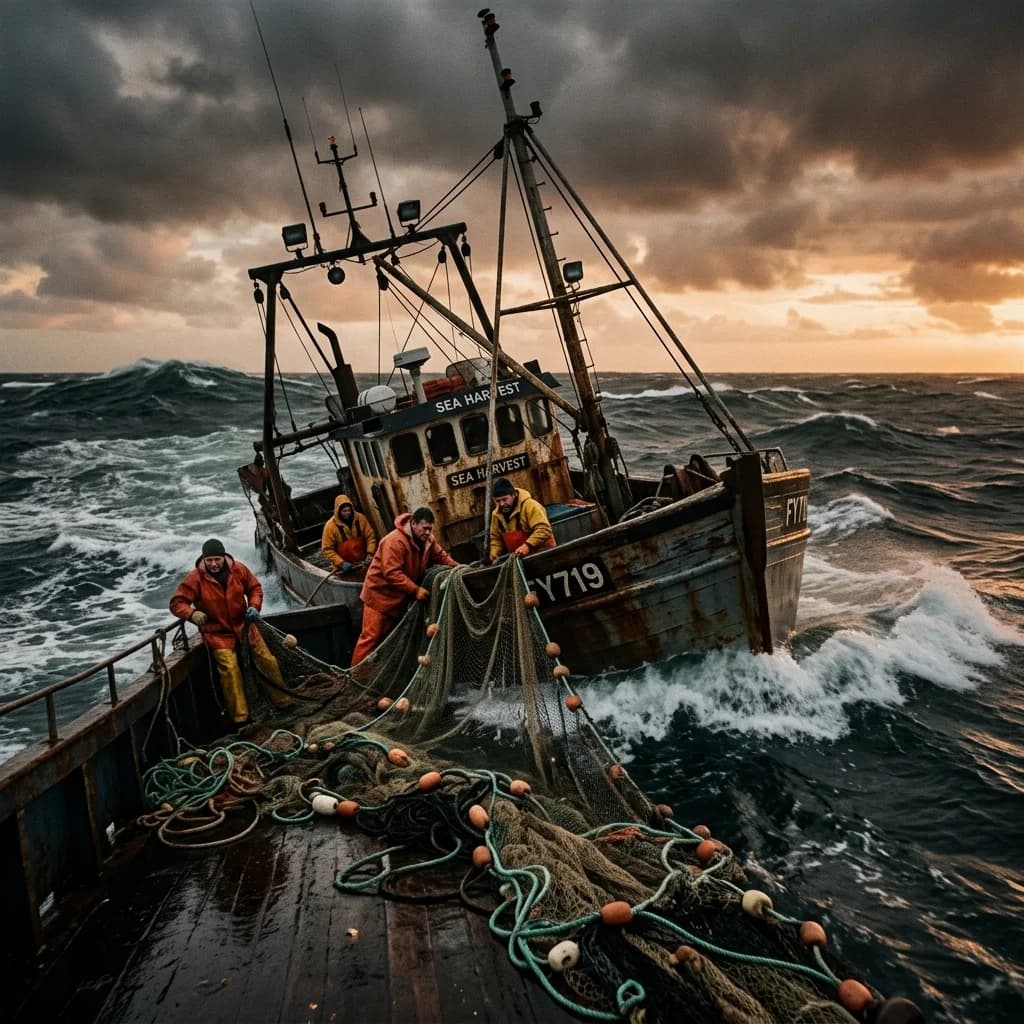
The biological impacts of El Nino and La Nina are profound, particularly in the marine ecosystems of the eastern Pacific. The Peruvian upwelling zone is one of the most productive marine environments on Earth, supporting massive populations of anchovies, sardines, and marine predators. The upwelling brings cold, nutrient rich water to the surface, fueling the growth of phytoplankton. Phytoplankton form the base of the marine food web.
During an El Nino, the collapse of the upwelling deprives the surface waters of nitrates and phosphates. Phytoplankton populations decline rapidly, triggering a starvation event throughout the food chain. Fish populations either migrate to find cooler, nutrient rich waters or experience high mortality. This decline impacts commercial fisheries and marine birds, which fail to feed their young. Coral reefs also suffer from the elevated water temperatures, experiencing widespread bleaching and death.
La Nina produces the opposite ecological response in the eastern Pacific. The intensified upwelling floods the surface waters with nutrients, driving massive phytoplankton blooms. Marine productivity rises to high levels. Fish populations increase, supporting commercial fishing fleets and marine predator colonies. However, the cold water anomalies can alter the distribution of species, forcing warm water fish to migrate. Additionally, the intense monsoon rains in the western Pacific can lower ocean salinity near coasts, impacting coral reefs and coastal ecosystems.
Agricultural Security and Adaptation
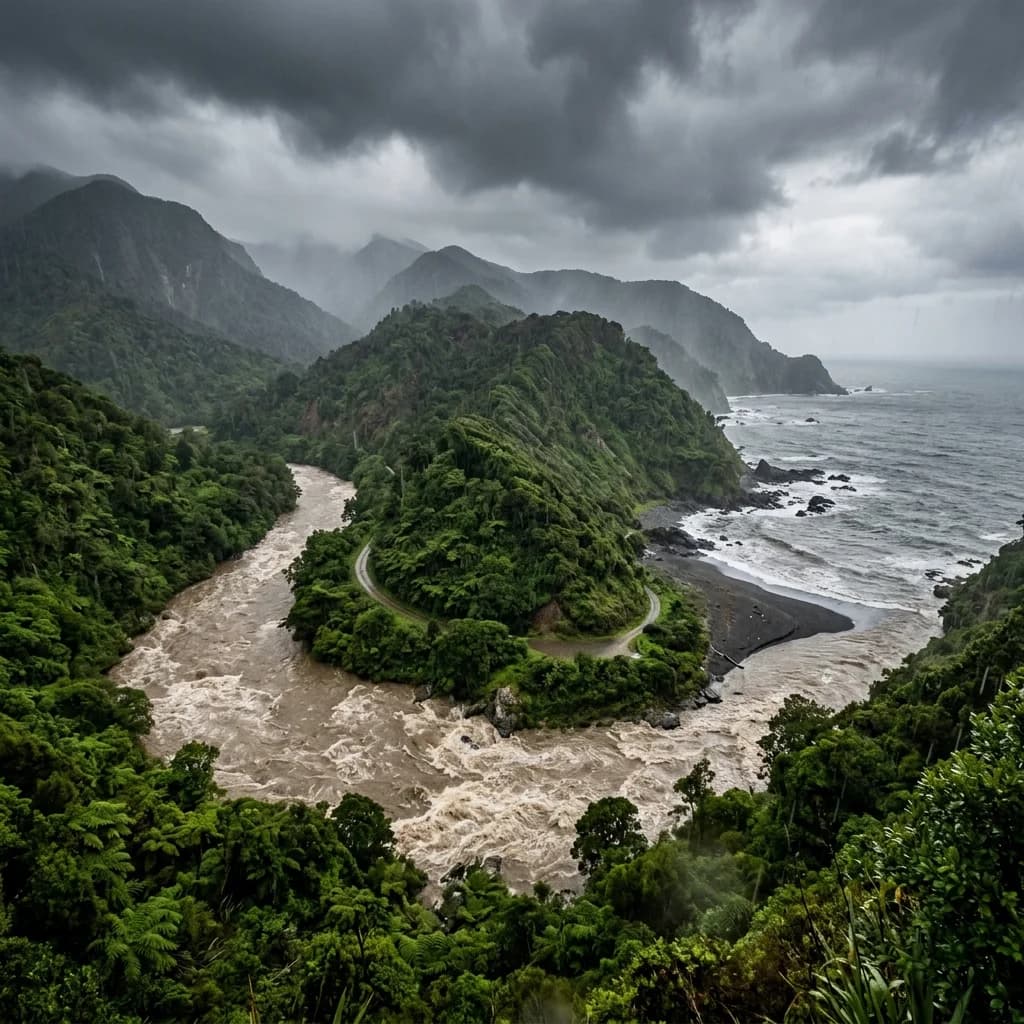
The predictability of the ENSO cycle provides an opportunity to adapt agricultural practices to minimize crop losses. Because El Nino and La Nina produce consistent weather anomalies, farmers can adjust their planting schedules and crop choices based on seasonal forecasts. In regions facing drought during El Nino, such as Australia and India, farmers should plant drought resistant crops like sorghum and millet. They must also expand water storage capacity and implement drip irrigation to conserve water.
In contrast, during La Nina, wet regions should prepare for flooding and waterlogged soils. Farmers should select crop varieties that can tolerate high soil moisture and improve field drainage systems. In dry regions, such as the southern United States, crop rotation and mulching practices are essential to retain soil moisture. By adapting agricultural management to the specific phase of the ENSO cycle, communities can protect food production from weather extremes.
Developing localized food and water systems is key to long term resilience. Global trade networks are vulnerable to the supply disruptions caused by ENSO driven crop failures. By building local agricultural capacity, communities reduce their dependence on imported food. This focus on local adaptation promotes stability, allowing society to navigate the shifts between the warm and cool phases of the Pacific climate system.