Extreme Thermal Survival Manual
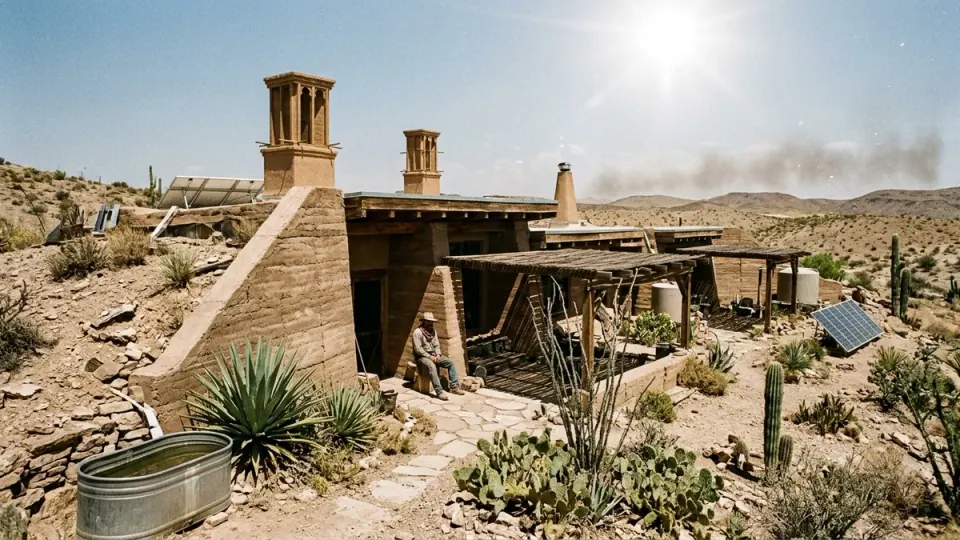
A tactical engineering and physiological survival protocol for surviving prolonged 45°C+ wet-bulb heat events when electrical air conditioning grids collapse. We detail subterranean earth-sheltering, evaporative cooling physics, cellular hydration, and emergency solar water harvesting.
# Extreme Thermal Survival Manual: Grid-Down Hyperthermia Defense, Passive Microclimate Engineering, and Emergency Water Reclamation
In modern urban civilization, human survival during extreme summer heatwaves is an artificial construct sustained entirely by an unbroken chain of alternating current electrical power. Compressor-driven vapor-compression air conditioning, pressurized municipal water mains, and cold-chain refrigerated logistics shield hundreds of millions of people from ambient thermal environments that would otherwise cause biological death within hours. When prolonged super-heatwaves—monitored live via our planetary hazard radar and intensified across urban concrete corridors tracked in EPA heat island studies—collide with catastrophic electrical grid collapse, the built environment transforms from a protective cocoon into a lethal thermal trap.
Human biology operates within an unforgiving physical boundary. The absolute thermodynamic limit of human survivability is defined by the wet-bulb temperature ($T_w$)—the lowest temperature that can be achieved through the evaporative cooling of a water-wetted surface in ambient air, a metric explained in NOAA Wet-Bulb Globe Temperature guidance and our briefing on impending wet-bulb catastrophes. When the ambient wet-bulb temperature exceeds thirty-five degrees Celsius (ninety-five degrees Fahrenheit) at one hundred percent relative humidity (or forty-five degrees Celsius at fifty percent humidity), the human body loses the thermodynamic ability to dissipate metabolic heat into the environment via sweating. Without external interventions, even a young, healthy adult resting in complete shade will experience progressive heat accumulation, rapid cellular denaturation, core hyperthermia, multiorgan failure, and death within four to six hours.
This manual outlines the field-tested, low-tech mechanical protocols and physiological countermeasures—complementing our Super El Niño heatwave survival protocol and wet-bulb weather survival guide—required to survive prolonged extreme thermal events when the power grid is completely dead.
Thermodynamic Shelter Engineering: Passive Microclimate Design
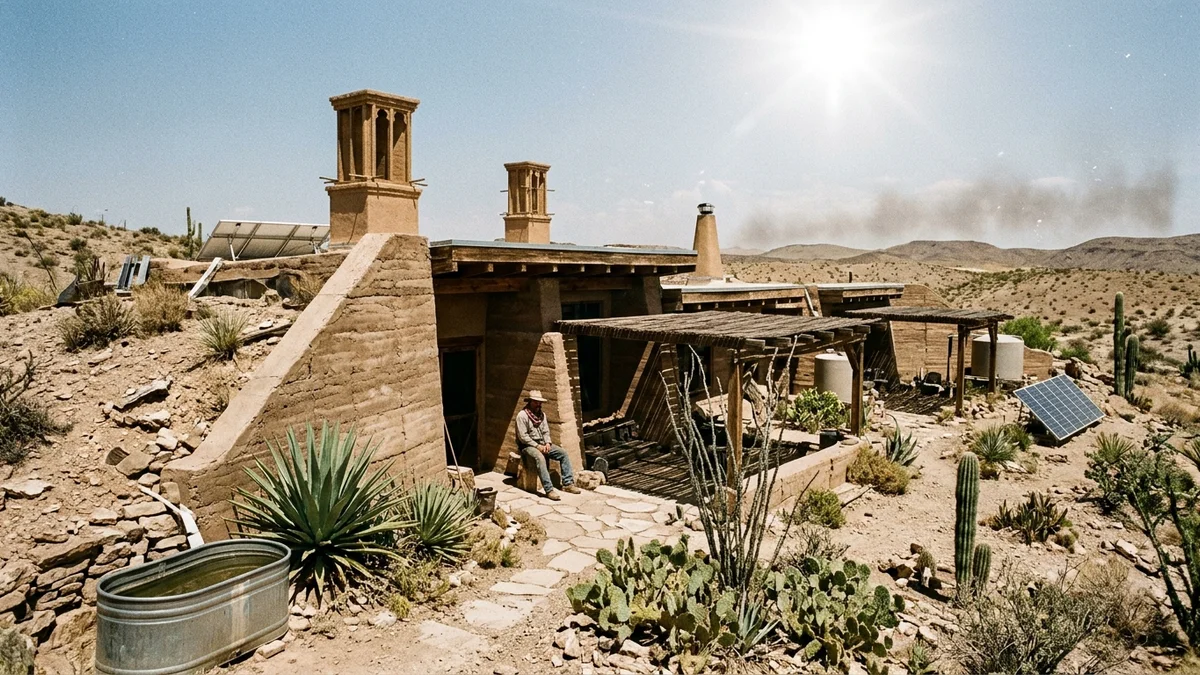
When powered HVAC systems fail, remaining inside a standard above-ground stick-frame or brick dwelling with closed windows will guarantee lethal heat exhaustion as solar thermal radiation penetrates roofs and walls, creating an unventilated greenhouse effect. You must immediately abandon conventional living quarters and construct or occupy a passive, earth-buffered microclimate.
1. Exploiting Subterranean Thermal Mass
At a depth of two to three meters below the earth's surface, soil temperatures remain completely decoupled from daytime surface extremes, stabilizing at the annual mean ambient temperature of the local geographic zone (typically sixteen to twenty-two degrees Celsius):
- Basement and Cellar Fortification: If an underground cellar, root cellar, or masonry basement exists, immediately relocate all sleeping, resting, and medical recovery activities beneath grade. Seal off all stairwell drafts from above during daylight hours using heavy wool blankets, aluminized Mylar emergency tarps, or insulating foam boards.
- The Expedient Trench Shelter: In rural or suburban environments without a basement, excavate an expedient earth-sheltered trench shelter. Dig a trench one point five meters deep, one meter wide, and two meters long into undisturbed, shady ground. Cover the trench with heavy timber or corrugated steel sheeting, followed by thirty to forty centimeters of excavated soil. Erect an elevated fabric canopy or brush arbor forty centimeters above the soil roof to shade the dirt from direct solar rays. This subterranean burrow will remain fifteen to twenty degrees Celsius cooler than surface air throughout peak daytime heat.
2. The Ancient Physics of Evaporative Windcatchers (Badgirs)
If forced to occupy an above-ground masonry or stone structure, you must employ the principles of traditional Persian badgirs and passive evaporative cooling:
- Nocturnal Purging: Open all high and low windows exclusively between midnight and dawn when ambient outdoor temperatures reach their diurnal minimum. Use light battery-powered DC fans to draw cold night air across floors and flush out heat stored within interior walls.
- Daytime Thermal Lockdown: At the moment the morning sun breaches the horizon, seal every window, door, and vent hermetically. Hang aluminized reflective tarps on the exterior of all glass windows. Reflecting solar thermal radiation before it strikes the glass prevents ninety-five percent of radiant infrared heat transfer into the living space.
- Passive Evaporative Cooling Wells: Place wide, shallow earthen vessels (unglazed terracotta bowls or wet porous clay jugs) directly in front of interior airflow paths. As water molecules evaporate from the porous clay surface into the dry air, they absorb latent heat of vaporization (approximately 2,260 kilojoules per kilogram of evaporated water), reducing the temperature of the passing air stream by eight to twelve degrees Celsius.
Physiological Countermeasures and Hyperthermia Field Protocol
Preventing biological heat exhaustion and fatal heatstroke requires strict discipline regarding physical exertion, metabolic heat generation, and cellular electrolyte management, following CDC extreme-heat first-aid guidelines and Ready.gov extreme heat safety protocols.
Metabolic Conservation Guidelines
- 01.Absolute Diurnal Inactivity (The Thermal Hibernation Protocol): Between the hours of 10:00 and 18:00, all physical movement must cease entirely. Muscle contraction generates significant internal metabolic heat. Sit or recline directly upon bare concrete floors, tile, or damp cotton sheets in the deepest subterranean or shaded sector of your shelter.
- 02.Digestive Heat Management: Digestion of high-protein foods (meat, beans, dense grains) triggers obligatory dietary thermogenesis, raising core metabolic heat production by upwards of twenty-five percent for hours. During extreme thermal crises, consume small, easily digestible carbohydrate-rich meals (diluted broths, soaked oats, fruits) strictly during the coolest hours of the night.
- 03.Targeted Peripheral Evaporation: If core body temperature begins creeping above thirty-eight point five degrees Celsius (one hundred and one point three degrees Fahrenheit), sweating alone is insufficient. Saturate a thin cotton shirt or shemagh with ambient water and drape it across your torso and neck. If available, utilize a simple manual hand fan or battery fan to create continuous air velocity over the wet fabric. The human body cools forty percent faster when external evaporation is mechanically assisted.
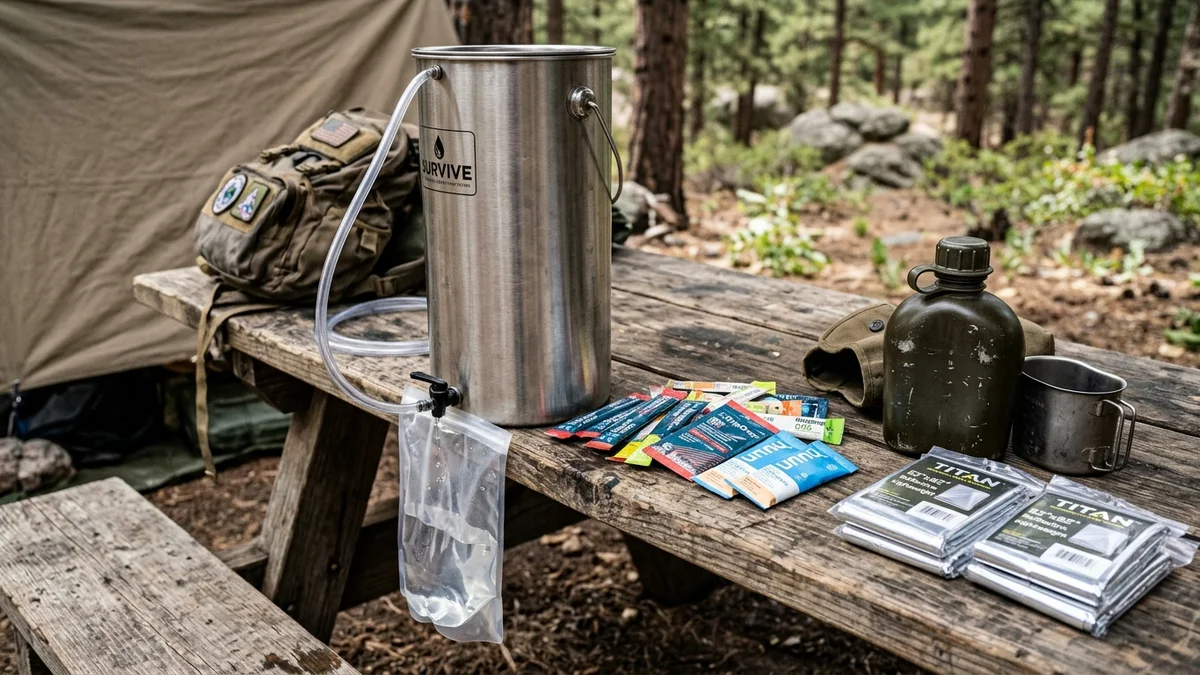
World Health Organization (WHO) Emergency Oral Rehydration Salts (ORS)
Sweating depletes intracellular and extracellular fluid volume along with critical sodium, potassium, and chloride ions. Drinking pure, mineral-free distilled water during profuse sweating dilutes blood sodium levels, triggering lethal water intoxication (exercise-associated hyponatremia) that causes cerebral edema, seizures, and cardiac arrest.
For every one liter of drinking water consumed during extreme heat, you must compound the exact World Health Organization (WHO) Oral Rehydration Therapy formula:
- Clean Water: 1.0 Liter
- Sodium Chloride (Plain Table Salt): 2.6 grams (approximately 1/2 level teaspoon)
- Glucose or White Sucrose (Sugar): 13.5 grams (approximately 6 level teaspoons)
- Potassium Chloride (Salt Substitute / Nu-Salt): 1.5 grams (approximately 1/4 level teaspoon)
- Sodium Bicarbonate (Baking Soda): 2.5 grams (approximately 1/2 level teaspoon)
Field Rule: Drink small sips (150–200 ml) every fifteen minutes rather than chugging large volumes at once. Maintain urine output at a pale, translucent straw color; dark amber or brown urine indicates acute, life-threatening cellular dehydration and impending renal shutdown.
Emergency Water Salvage and Solar Condensation Harvesting
In a grid-down thermal emergency, municipal water mains rapidly lose hydraulic pressure as booster pumps fail and storage towers empty. Securing five to eight liters of potable water per person per day becomes a prerequisite for metabolic survival.
1. Gravity Salvage from Dead Infrastructure
Before water distribution networks siphon dry or become contaminated by backflow:
- Water Heater Drainage: Residential tank-style water heaters contain one hundred and fifty to three hundred liters of pressurized, chlorinated potable water. Immediately close the cold-water inlet valve at the top of the tank to prevent contaminated municipal backflow. Attach a garden hose to the bottom drain bib, open a hot-water faucet on the highest floor of the house to release the vacuum, and drain pure water into clean food-grade buckets.
- Internal Plumbing Gravity Bleed: Locate the lowest plumbing fixture in the home (usually a basement utility sink or outdoor hose spigot). Open the valve to drain the remaining water trapped inside the vertical pipe riser columns of the house.
2. High-Efficiency Solar Evacuation Stills
When municipal and surface sources are dry or contaminated by toxic chemicals, you must build non-electric emergency solar stills—or construct high-output multi-stage solar desalination stills—to reclaim water from brackish pools, contaminated runoff, or damp foliage:
- Dig a pit one meter wide and sixty centimeters deep in an unshaded patch of ground.
- Place a clean collection vessel (cup, bowl, or pot) upright in the exact center of the pit.
- Surround the collection vessel with dense non-toxic plant matter (leaves, succulent vegetation) or pour muddy, contaminated water directly into the bottom of the pit, ensuring no muddy water splashes into the collection cup.
- Drape a sheet of clear polyethylene plastic over the top of the pit, sealing the edges completely with excavated soil and heavy stones.
- Place a small, smooth pebble in the exact center of the plastic sheet, directly above the collection cup, forming an inverted conical funnel with a forty-five-degree pitch.
- Solar radiation heats the moisture trapped inside the pit, causing it to evaporate, condense against the underside of the cool plastic sheet, and run downward toward the central pebble, dripping pure, mineral-free distilled water directly into the collection cup at a rate of one point five to three liters per square meter per day.
Surviving the new thermal reality is not a matter of mental toughness or physical bravado; it is a clinical exercise in thermodynamics, biological hydration, and microclimate engineering. When the electrical grid fails under the blazing sun of the late 2020s, the individuals and communities who survive will be those who respect the physics of heat, abandon the surface traps, and master the art of subterranean passive resilience.
Real-time geospatial feed aggregating USGS M5.0+ earthquakes, NASA EONET wildfires, volcanoes, severe storms, UN/EC GDACS alerts, and NOAA geomagnetic status.
Related Reports & In-Depth Intel
How to survive wet bulb weather.
A practical guide on how to survive extreme humid heat waves using passive cooling, earth sheltering, and tactical hydration.
Building Your Survival Bunker
Forget the billionaire luxury complexes. Here are the practical, gritty realities and step-by-step considerations for constructing a functioning, life-saving doomsday bunker.

Tactical Analysis: The Economics and Strategy of Doomsday
Luxury subterranean marketing obscures the hard engineering and logistical constraints of closed-loop survival shelters. Here is an unvarnished look at excavation economics, ventilation bottlenecks, and why static fortresses fail.
What to Stockpile for Cyberattacks, Climate, and Conflict
When European civil-defense agencies, FEMA, and cybersecurity authorities all update their household preparedness guides at once, skip the gimmicks and stock the exact essentials that cover cyber blackouts, extreme weather, and supply shocks.