What to Stockpile for Cyberattacks, Climate, and Conflict
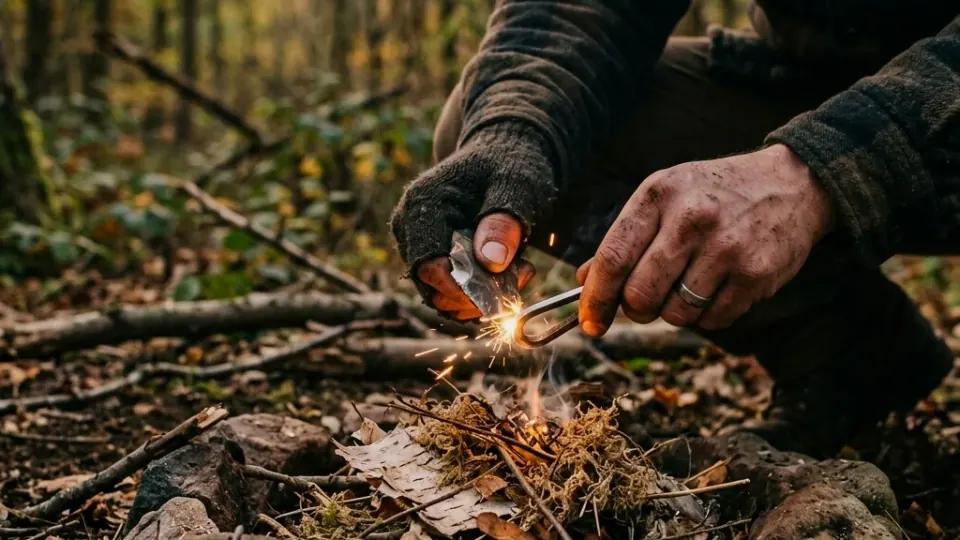
When European civil-defense agencies, FEMA, and cybersecurity authorities all update their household preparedness guides at once, skip the gimmicks and stock the exact essentials that cover cyber blackouts, extreme weather, and supply shocks.
Why Governments Are Telling Households to Stock Up Again
For decades, telling ordinary citizens to keep seven to fourteen days of food, water, cash, and backup power at home was treated as a fringe hobby. That changed sharply over the last two years. Sweden's Civil Contingencies Agency (MSB) updated and mailed its national crisis booklet to every household; Germany's Federal Office of Civil Protection and Disaster Assistance (BBK) reaffirmed its 10-day self-sufficiency checklist; and in the United States, Ready.gov and CISA explicitly warn families to prepare for multi-day power, payment, and telecom outages caused by cyberattacks, extreme weather, or geopolitical conflict.
After years of testing household preparedness gear, my advice is simple: do not buy expensive novelty survival buckets or tactical gimmicks. A cyberattack on a banking network, an El Niño flood that knocks out tap water, and a regional conflict that disrupts fuel deliveries all break the exact same four household lifelines: water, power/heat, payments/communications, and everyday calories/medicine.
Below is a focused, prioritized checklist of what to actually buy and hold right now—designed for normal apartments and family homes.
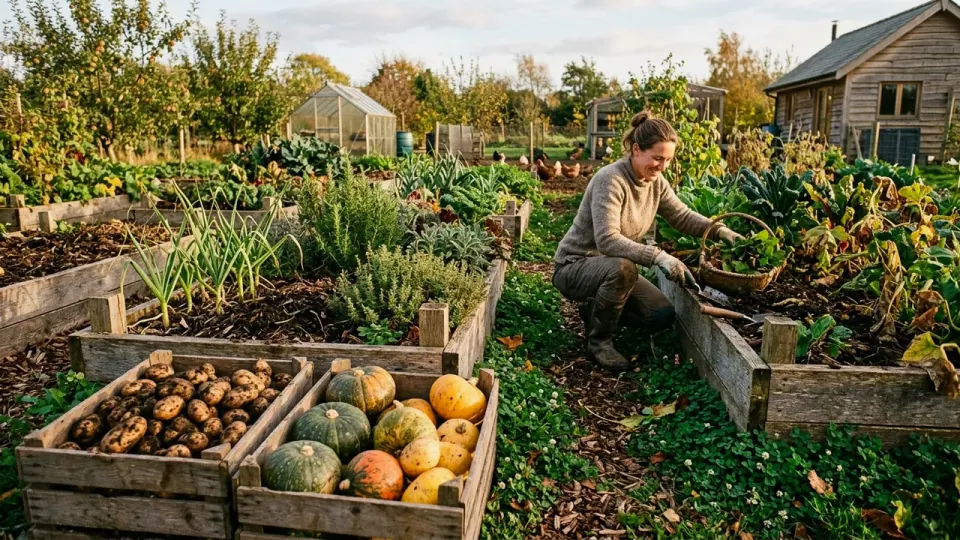
1. Water, Shelf-Stable Calories, and Sanitation
If a ransomware strike hits a municipal water-treatment SCADA controller—a scenario we analyzed in Cascading SCADA Grid Breaches and Municipal Water Collapse—or a flash flood contaminates local wells, you have less than 24 hours before bottled water vanishes from supermarket shelves.
- Stored Drinking Water: Hold at least 3 to 4 liters (1 gallon) per person per day for 7 to 14 days in food-grade HDPE containers, rotated every 6 to 12 months.
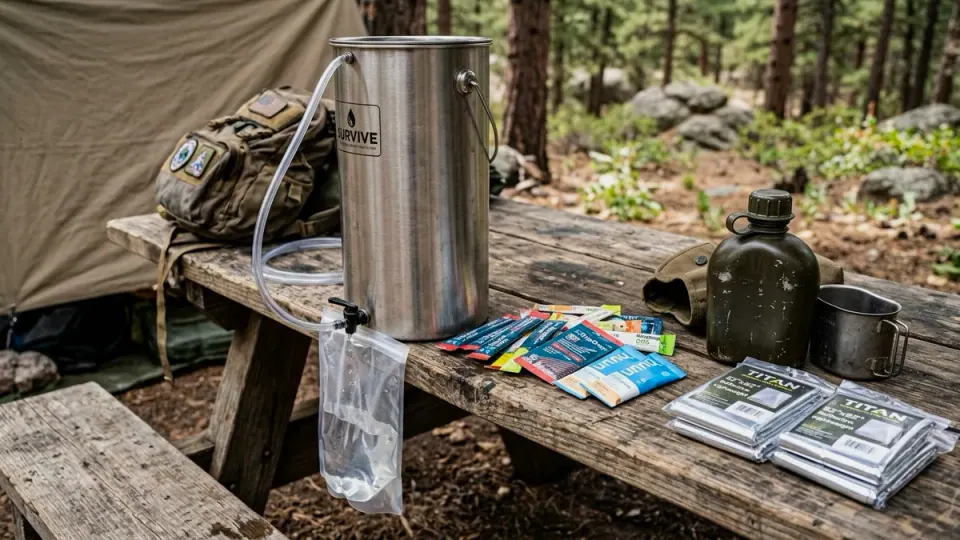
- Two-Stage Purification: Pair a gravity-fed hollow-fiber or ceramic filter (which needs no electricity) with unscented household bleach or chlorine dioxide tablets, following CDC Emergency Drinking Water and EPA Emergency Disinfection standards. See our full comparison in Water Purification Methods Ranked.
- No-Cook + Low-Fuel Pantry: Hold 14 to 30 days of normal foods your household already eats—white rice, oats, pasta, dried lentils, canned fish/beans, peanut butter, olive oil, salt, and coffee. Always include a manual can opener and a camp stove (butane or propane, used strictly outdoors or in ventilated spaces).
2. Power, Light, Comms, and Cyber-Outage Gear
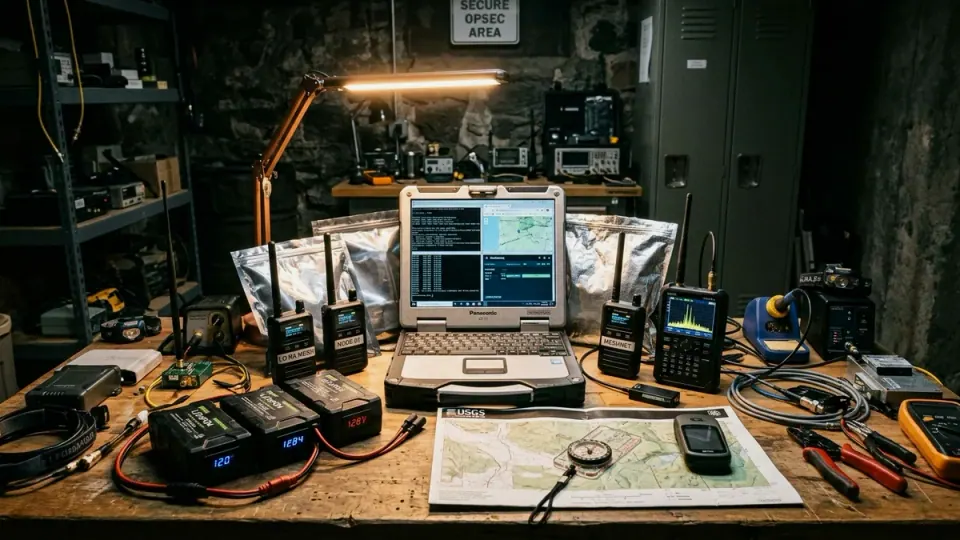
Modern cyberattacks target payment processors, cellular backhaul, and electric substations simultaneously—as we documented in Cloud Blackout Grounds Flights and Hospitals.
| Priority Tier | Exact Items to Buy & Hold | Minimum Target Quantity | Protects Against |
|---|---|---|---|
| Tier 1: Water & Food | Food-grade water jugs, gravity filter, purification tabs, 14–30d dry/canned staples | 4L/person/day + 2,000 kcal/day | Floods, SCADA water loss, freight spikes |
| Tier 2: Power & Light | 500Wh–1,500Wh LiFePO₄ power station + 100W–200W foldable solar panel, LED headlamps, AA/AAA batteries | 1 station + 2 headlamps/home | Grid blackouts, storm outages, cyber strikes |
| Tier 3: Comms & Info | AM/FM/NOAA hand-crank weather radio, offline maps, printed contact list, encrypted USB backup | 1 radio + 1 waterproof folder | Cell-tower blackout, internet sabotage, GPS jamming |
| Tier 4: Cash & Meds | Small-denomination cash, 30–90d prescription buffer, trauma/first-aid kit, N95/FFP2 masks | $300–$600 cash + 1 trauma kit | Banking/ATM cyberattack, wildfire smoke, conflict supply delays |
| Tier 5: Thermal & Air | Wool blankets, Mylar window film, indoor-safe backup heat + battery CO detector, MERV-13 filters | 1 CO detector/floor + spare filters | Extreme winter blackouts, wet-bulb heatwaves, smoke plumes |
Why Cash and Paper Records Beat Apps in a Cyberattack
If a coordinated cyberattack freezes card networks or locks out cloud logins for 72 hours, a smartphone with zero signal is a paperweight. Keep:
- Small-denomination cash ($300 to $600 or local equivalent in 5s, 10s, and 20s) stored securely at home—matching European civil-defense recommendations from MSB Sweden and BBK Germany.
- Waterproof document pouch: Physical copies of passports, IDs, insurance policies, property deeds, bank account numbers, vaccination records, and a printed list of family phone numbers and regional meeting points.
- Offline data drive: A rugged encrypted USB drive holding scans of critical documents and offline survival/medical references (see Building an Offline Survival Data Archive).
3. Medical, Air Quality, and Thermal Essentials
Climate warnings and conflict alerts both share a quiet killer: supply-chain delays on pharmaceuticals and respiratory hazards from smoke or dust.
- 01.Prescription Buffer & First Aid: Ask your doctor or pharmacy for 90-day fills on maintenance medications (blood pressure, insulin, asthma inhalers, thyroid meds). Stock a practical first-aid kit with oral rehydration salts (ORS), fever reducers, antiseptic, tourniquet/pressure bandages, and nitrile gloves—following FEMA and WHO household guidance.
- 02.Respiratory Protection: Hold a sealed box of N95 or FFP2 respirators (at least 10 per family member) plus spare MERV-13 furnace filters to build a DIY indoor air scrubber during El Niño wildfire smoke events or urban industrial fires.
- 03.Thermal & Blackout Basics: Keep wool base layers, heavy sleeping bags rated for local winter lows, battery-powered fans for humid heatwaves, and battery-operated carbon monoxide detectors if you ever run backup fuel heaters—as detailed in Keeping the House Warm and Fed and The Ultimate 72-Hour Emergency Kit Checklist.
Buy Methodically, Not in a Panic
You do not need to buy everything on this list in one weekend. Pick one tier per paycheck: water and cash first, power and weather radio second, medical and pantry depth third. Track active regional warnings on our Live Global Hazard Radar and browse vetted preparedness agencies in our Useful Websites Directory. The goal is simple: when the next cyber warning, storm alert, or geopolitical headline drops, your household is already calm, stocked, and self-reliant.
Additional Reading & Data Sources
References
Real-time geospatial feed aggregating USGS M5.0+ earthquakes, NASA EONET wildfires, volcanoes, severe storms, UN/EC GDACS alerts, and NOAA geomagnetic status.
Related Reports & In-Depth Intel
Countries Issuing Crisis Preparedness Warnings and Guides
A factual compilation of countries that have issued official household crisis preparedness warnings and manuals—from Sweden, Finland, and Norway to Germany, France, the EU, and the United States—and what they instruct citizens to store.
How to Act During Cyberattacks, Disasters, and Conflict
Gear only works if you know what to do in the first hours of a major shock. Here is a calm, field-tested action protocol for severe cyber blackouts, extreme weather disasters, and the sudden onset of armed conflict.

Keeping the House Warm and Fed
Practical steps to protect your household budget and comfort this winter as the Iran and Gaza conflicts push up heating bills, freight costs, and grocery prices.
Heat, Mud, and Grid Failure
Practical field-tested preparation for the 2026 El Niño: surviving wet-bulb heatwaves, flash-flooded basements, contaminated wells, and multi-day blackouts.