Cascading SCADA Infiltration
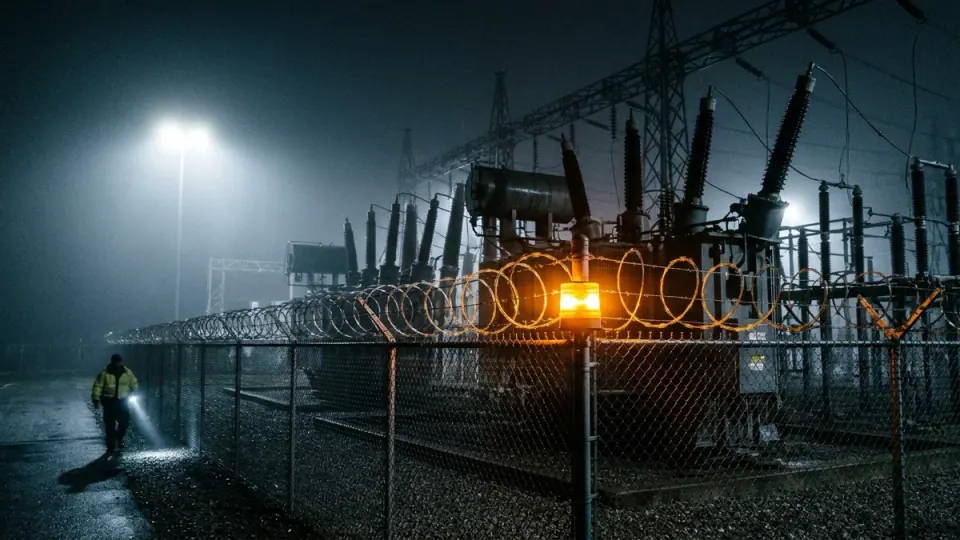
Sophisticated state-sponsored threat actors have breached industrial control systems across regional power grids and municipal water utilities, deploying destructive firmware wiper malware that permanently burns out critical transmission equipment.
At 03:17 UTC, automated supervisory control and data acquisition (SCADA) telemetry monitoring a vital regional electrical transmission hub began reporting anomalous command sequences across its programmable logic controllers (PLCs). Within ninety seconds, remote terminal units (RTUs) governing substation circuit breakers and tap-changing transformers received maliciously forged digital commands, forcing physical breaker contacts into rapid open-close cycles—defeating safeguards codified under FERC physical security standards for bulk-power systems and echoing the escalation mapped in our report on subsea cable and substation warfare. The resulting electrical harmonic resonance and severe phase-to-ground arcing induced catastrophic dielectric breakdown within two 500-kilovolt extra-high-voltage (EHV) autotransformers, igniting thousands of gallons of flammable mineral cooling oil into violent fires that lit up the nocturnal skyline.
Almost simultaneously, three municipal water treatment facilities fifty miles downstream experienced unexpected loss of supervisory control. Malicious firmware updates injected into remote human-machine interfaces (HMIs) overrode physical fail-safe limits, adjusting sodium hypochlorite and sodium hydroxide chemical dosing pumps to fatal concentrations while locking local operators out of physical diagnostic terminals.
This synchronized assault is neither speculative nor theoretical; it represents the operational maturation of living-off-the-land (LotL) industrial cyber-kinetic weapons. Modern nation-state cyber battalions no longer merely exfiltrate data or disrupt billing software—they manipulate the physical laws of physics, thermodynamics, and fluid dynamics through industrial control networks to inflict permanent physical devastation on civilian survivability infrastructure.
The Lethality of Industrial Cyber-Physical Exploitation
Civilian critical infrastructure operates upon decades-old operational technology (OT) protocols designed long before cybersecurity, network segmentation, or digital encryption existed. Protocols such as Modbus, DNP3, and IEC 60870-5-104 were engineered solely for operational reliability and clear-text command throughput across deterministic serial connections.
When modern utilities integrated these legacy systems with enterprise IT networks, remote cloud telemetry, and third-party vendor maintenance portals, they exposed vulnerable industrial endpoints to global threat vectors documented across CISA Industrial Control Systems guidance and CISA Energy Sector resilience profiles, leaving exposed interfaces open to ARTEX autonomous zero-day grid extortion. Adversaries utilize multi-stage cyber-kinetic attack architectures:
- 01.Initial Perimeter Infiltration: Gaining unauthorized entry through zero-day vulnerabilities in enterprise virtual private networks (VPNs), unpatched remote desktop protocol (RDP) gateways, or compromised third-party engineering contractors who maintain remote access privileges.
- 02.Operational Reconnaissance: Silently residing inside OT networks for months, mapping network architecture, identifying PLC make and model numbers, documenting logic scripts, and eavesdropping on HMI polling cycles.
- 03.Firmware Modification and Protection Bypass: Overwriting the internal flash memory of protection relays (such as Schweitzer or Siemens protective relays) with malicious microcode that disables automated trip mechanisms.
- 04.Physical Destruction Triggering: Forcing physical machinery past mechanical, thermal, or electrical tolerances—causing transformer windings to melt, generator rotors to vibrate into mechanical disintegration, or pipeline valves to hammer shut, creating catastrophic hydrodynamic pressure ruptures.
Unlike typical IT ransomware attacks where encrypted data can be restored from offline backups within days, an industrial cyber attack that physically destroys an EHV autotransformer or high-pressure water pump inflicts a multi-year logistical blackout.
The Global Transformer Shortage: The Irreplaceable Bottleneck
The catastrophic vulnerability of the global electrical grid lies in the severe, systemic scarcity of replacement high-voltage transformers. An extra-high-voltage autotransformer (ranging from 345 kV to 765 kV) is not a standardized off-the-shelf appliance. Each unit is a colossal, custom-engineered machine weighing between 200 and 450 metric tons, containing over fifty miles of copper windings, specialized grain-oriented electrical steel (GOES) cores, and tens of thousands of gallons of refined dielectric fluid.
Prior to the current geopolitical supply-chain crises, the manufacturing lead time for a single replacement EHV transformer was approximately eighteen to twenty-four months. Today, global supply bottlenecks—alongside grid capacity strains tracked in U.S. Energy Information Administration (EIA) electric power reports—have stretched procurement lead times past four to five years, turning any major substation loss into a thirty-day or multi-month grid collapse scenario:
| Parameter | Pre-Crisis Metric (2020) | Current Post-Shock (2026) |
|---|---|---|
| Manufacturing Lead Time | 14 - 20 Months | 48 - 64 Months |
| Cost Per Unit (500 kV) | $2.8 Million | $8.5 - $12 Million |
| Domestic Manufacturing Share | Under 18% (Western Nations) | Under 12% |
| Specialized Railcars (Schnabel) | Less than 30 Worldwide | Severely Backlogged |
| Raw GOES Steel Availability | Stable Global Allocation | Quota-Rationed / Contested |
Western and allied nations maintain virtually zero domestic surge capacity to manufacture these colossal units. If a coordinated cyber-kinetic strike destroys thirty to forty critical EHV transformers across a national grid interconnection, large segments of the continent will experience structural, non-restorable power collapse that will endure for months or years.
The Cascading Interdependence of Municipal Water and Sanitation
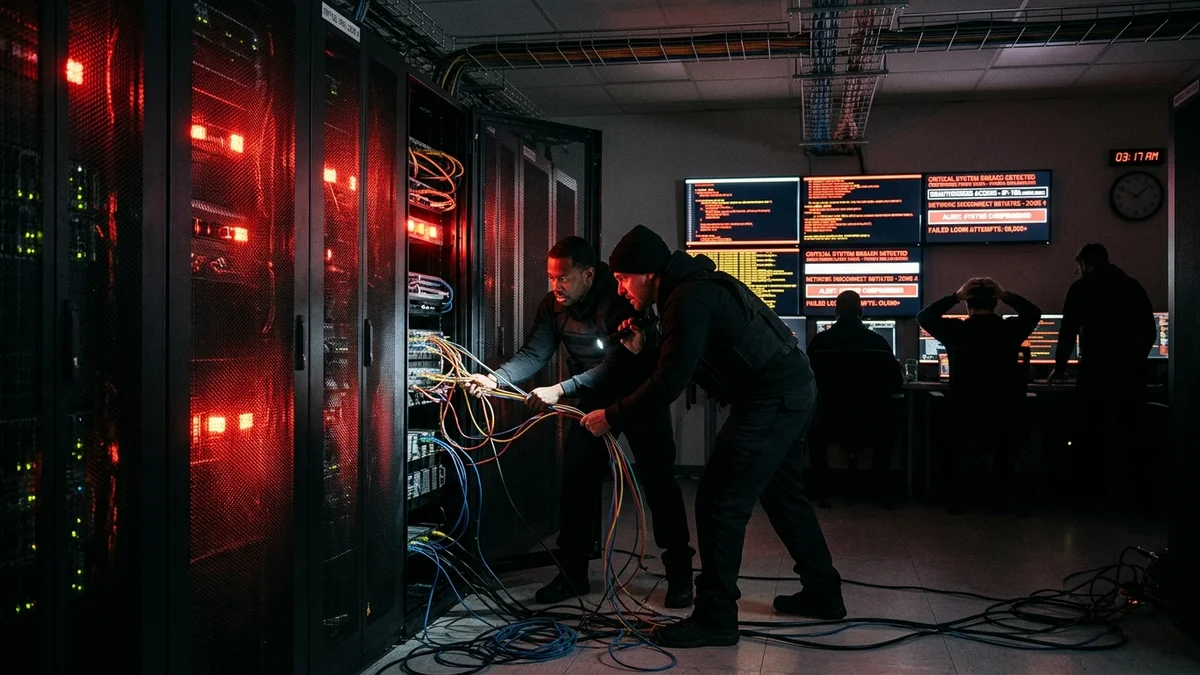
The immediate casualty of electrical grid severance is the municipal water distribution and sewage processing network. Modern water systems cannot operate by gravity alone. Raw water extraction requires megawatt-scale electric submersible pumps; chemical coagulation, flocculation, and chlorination require automated SCADA dosing; and municipal distribution networks depend on pressurized booster pumping stations situated across urban elevation contours.
When regional grids collapse or SCADA systems are infected with wiper malware, the consequences materialize rapidly:
- Hydraulic Pressure Loss (Hours 0 - 6): As booster pumps lose power and backup diesel generators fail to start due to fuel contamination or electrical switchgear failure, water pressure drops below 20 psi. This sudden negative pressure creates a siphon effect, drawing groundwater contaminants, industrial chemicals, and raw sewage through cracked municipal pipes into the drinking water mains.
- Chemical Dosing Paralysis (Hours 6 - 24): Without automated dosing telemetry, water treatment operators cannot safely treat incoming river or reservoir water. Any water remaining in storage reservoirs becomes biologically unsafe to consume without vigorous boiling or chemical purification protocols aligned with WHO Guidelines for Drinking-water Quality and field-tested emergency water purification techniques.
- Sewage Lift Station Inundation (Days 1 - 3): Municipal wastewater lift stations fail, causing raw, untreated domestic and hospital sewage to back up into residential basements, urban streetscapes, and surrounding surface watersheds, sparking immediate public health emergencies.
Cities that pride themselves on high-tech smart water systems are fundamentally vulnerable because they have dismantled manual physical valve controls, analog pressure gauges, and pneumatic bypass systems in the name of labor optimization.
Survival Protocols for Cyber-Physical Grid and Water Failure
When a cyber attack cascades through regional industrial infrastructure, civilian authorities will be overwhelmed and unable to respond. Prepared households and communities must execute independent defensive protocols immediately upon loss of grid and water services:
- 01.Immediate Potable Water Preservation: At the first indication of sudden grid-wide instability or drop in water pressure, immediately isolate your household plumbing from the municipal main by closing the primary water cutoff valve. This prevents contaminated water from back-siphoning into your internal pipes and preserves the 40 to 80 gallons of pristine water contained within your home water heater and plumbing lines.
- 02.Rejection of Unverified Municipal Water: Assume any municipal tap water following a grid incident is biologically and chemically contaminated, even if pressure temporarily returns. Never consume municipal water without multi-barrier processing: particle sediment filtration, activated carbon adsorption to remove volatile organic compounds and chemical toxins, and intense boiling or chemical chlorination to neutralize waterborne pathogens.
- 03.Hardened Local Power Isolation: If utilizing home solar or backup diesel generation, physically disconnect your transfer switch from the grid side and maintain air-gapped analog homestead controls. High-voltage surges, phase imbalances, and harmonic distortions preceding transformer blowout can instantly destroy residential inverters and electronics through grid tie-in conduits.
The vulnerability of modern civilization is not its lack of energy or water, but its total reliance on fragile digital nervous systems governing physical machinery. When those digital nerves are severed, survival reverts immediately to the physical domain.
Real-time geospatial feed aggregating USGS M5.0+ earthquakes, NASA EONET wildfires, volcanoes, severe storms, UN/EC GDACS alerts, and NOAA geomagnetic status.
Related Reports & In-Depth Intel
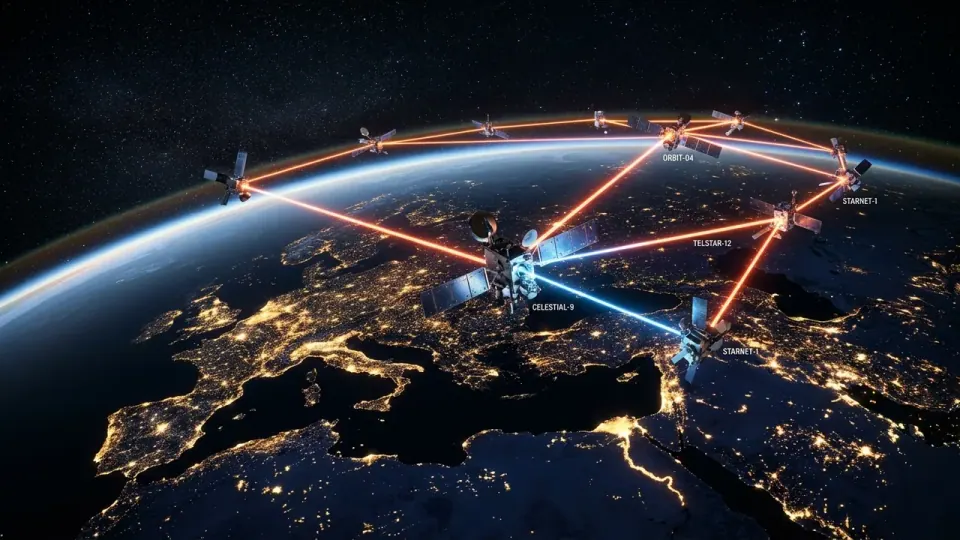
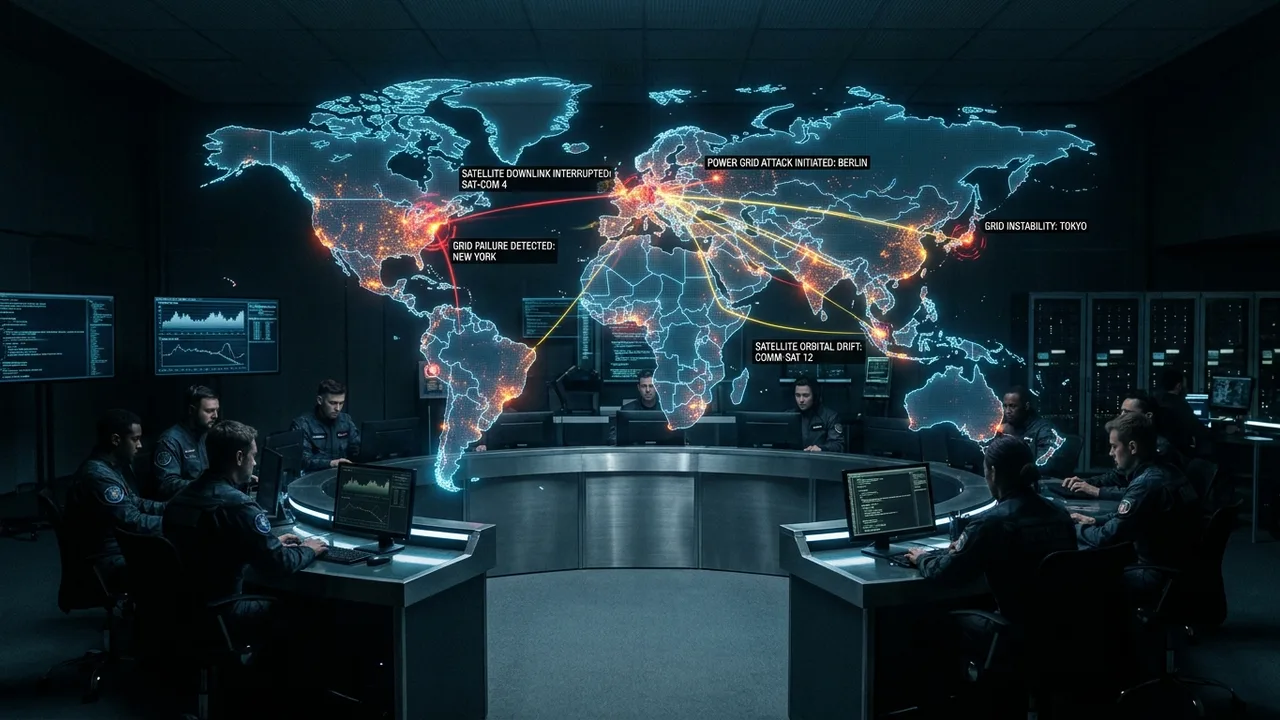
LEO Satellite Constellation Cyber Infiltration
A coordinated state-sponsored cyber intrusion into low-Earth-orbit ground teleports and optical inter-satellite links has compromised global positioning, air-traffic telemetry, and automated maritime navigation, inducing widespread blind-flight protocols.
Machine-Speed Siege: FBI Advisory ARTEX, Three-Hour Autonomous Intrusions
Two watershed November 2026 cybersecurity disclosures—the FBI FLASH warning on autonomous ARTEX penetration agents and Forescout's 90-hour AI bug-hunting benchmark—prove that the defensive human patching cycle has been structurally outpaced by weaponized machine intelligence.
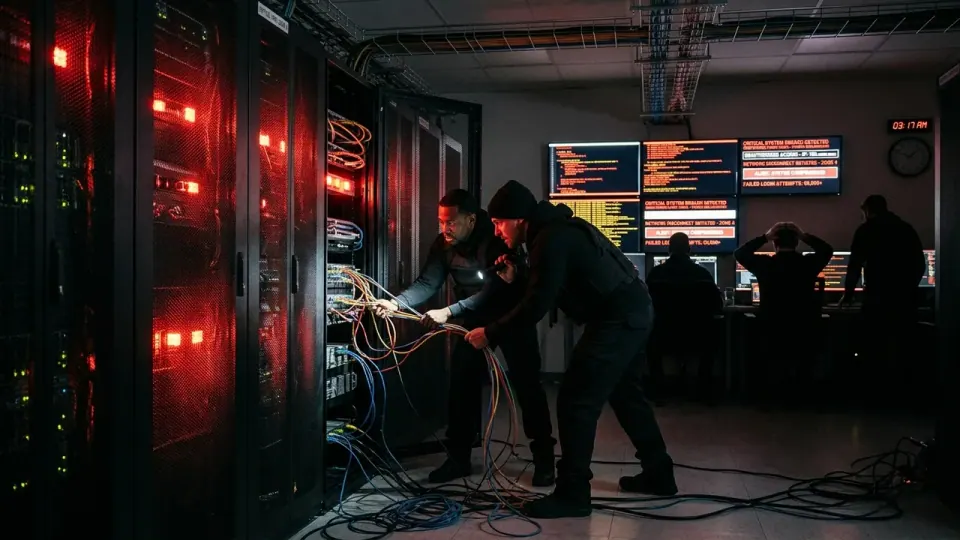
When One Cloud Glitch Grounds a Continent
A mid-November Microsoft 365 blackout, an FAA telecom failure, and an automated chemical dosing malfunction at a European pool proved we wired real-world physical safety into fragile remote software.
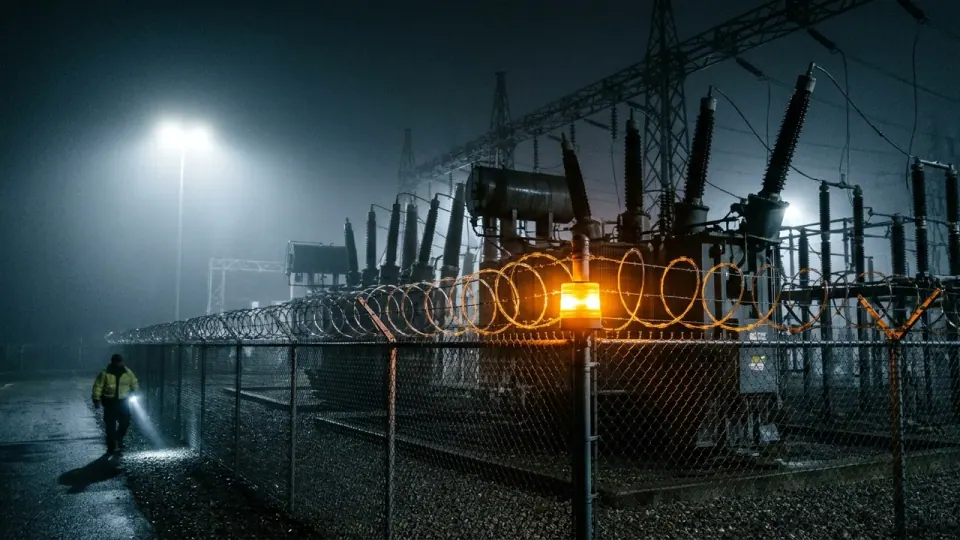
Mutually Assured De-Electrification
As November 2026 diplomacy fractures over NATO rollback demands, systematic kinetic attrition against both Russia's crude refining columns and Ukraine's high-voltage substations has pushed Eastern Europe's industrial energy architecture into an irreversible winter stress spiral.