Essential Water Purification Techniques for Disaster Scenarios
Clean drinking water is the first casualty in any major disaster. A comprehensive guide to boiling, chemical disinfection, microfiltration, and solar distillation for emergency preparedness.
1. Understanding the Need for Water Purification
Disasters such as earthquakes, flash floods, pandemics, or economic collapse often disrupt normal supply chains, leaving survivors with no clean water source. Contaminants like bacteria, viruses, chemical residues, and even radiological particles can make water unsafe for consumption. Without access to clean water, survivors can succumb to dehydration, dysentery, cholera, or other deadly illnesses.
2. Common Water Contaminants
- Bacteria and Viruses: Floodwaters, contaminated wells, and improper sewage systems harbor harmful microbes like E. coli, Salmonella, and Giardia—hazards addressed in CDC emergency water disinfection guidelines.
- Chemical Residues: Industrial runoff, agricultural chemicals, and household waste can contaminate water with toxic substances exceeding EPA drinking water standards.
- Radiological Particles: Accidents at power plants or nuclear fallout events can make water unsafe due to radiation, requiring protective measures outlined in EPA radiation safety guidance.
3. Basic Water Purification Methods
a) Boiling
Boiling water is one of the simplest ways to purify it. Most bacteria and viruses are killed when water reaches a rolling boil for at least one minute. However, boiling doesn’t remove chemical contaminants or radiation, so it’s best used in areas with less contamination.
b) Activated Charcoal (Activated Carbon)
Activated charcoal can absorb many organic and inorganic impurities, making it effective for filtering out chemicals and some heavy metals. It’s commonly used in emergency kits and water filters. After use, activated charcoal needs to be properly disposed of to avoid contamination.
c) Reverse Osmosis
Reverse osmosis (RO) is one of the most effective methods for removing contaminants from water. RO systems filter out particles as small as 0.001 micrometers, including bacteria, viruses, and chemical residues. However, RO units require energy to function and can be bulky, making them less ideal for portable use.
d) UV-C Treatment
UV-C light effectively kills bacteria, viruses, and other microorganisms in water without chemicals or filters. Small, portable UV-C units are increasingly popular among preppers due to their compact size and ease of use. Ensure the unit is designed for outdoor use and follows safety guidelines.
4. Advanced Water Purification Techniques
a) Solar Water Disinfection
Using solar energy to disinfect water can be done with a simple setup: position a clear container between noon and 2 PM when the sun is strongest, allowing UV rays to disinfect the water over two to four hours. This method works best in sunny, cloudless conditions.
b) Chemical Disinfectants
Chlorine or iodine can be used to disinfect water, but it’s essential to use the correct amount and ensure it’s safe for consumption. Overuse of chemicals like bleach can lead to health issues, so always follow EPA emergency disinfection dosage guidelines.
c) Emergency Filtration Systems
High-quality emergency filtration systems are available that combine activated charcoal with other filters. These ranked water purification methods handle a wide range of contaminants and are often designed to be compact and lightweight. Brands like Katadyn, Sawyer, and Berkey are popular among survivalists.
5. Water Storage and Sanitation
- Store Clean Water: Always keep multiple containers of clean water on hand, including portable bottles, collapsible tanks, and larger storage drums, following Ready.gov emergency water storage guidelines.
- Avoid Contamination: Never store water in contaminated containers or near garbage. Use only clean, food-grade containers.
- Waste Management: Properly dispose of waste to prevent contamination of water sources.
6. Testing Water Quality
To ensure your purified water is safe, use a portable water quality test kit. These kits can detect contaminants like bacteria, chemicals, and pH levels, helping you confirm the water’s safety before drinking.
Conclusion
Clean water is a critical component of survival in disaster scenarios. By using the right purification techniques, you can ensure your water is safe to drink, preventing sickness and death. Whether you’re preparing for an upcoming disaster or simply enhancing your emergency readiness, these methods are indispensable. Stay vigilant, monitor hydrological stress and utility advisories in our Data Center, and always be prepared.
Authoritative Sources & Further Reading
Real-time geospatial feed aggregating USGS M5.0+ earthquakes, NASA EONET wildfires, volcanoes, severe storms, UN/EC GDACS alerts, and NOAA geomagnetic status.
Related Reports & In-Depth Intel
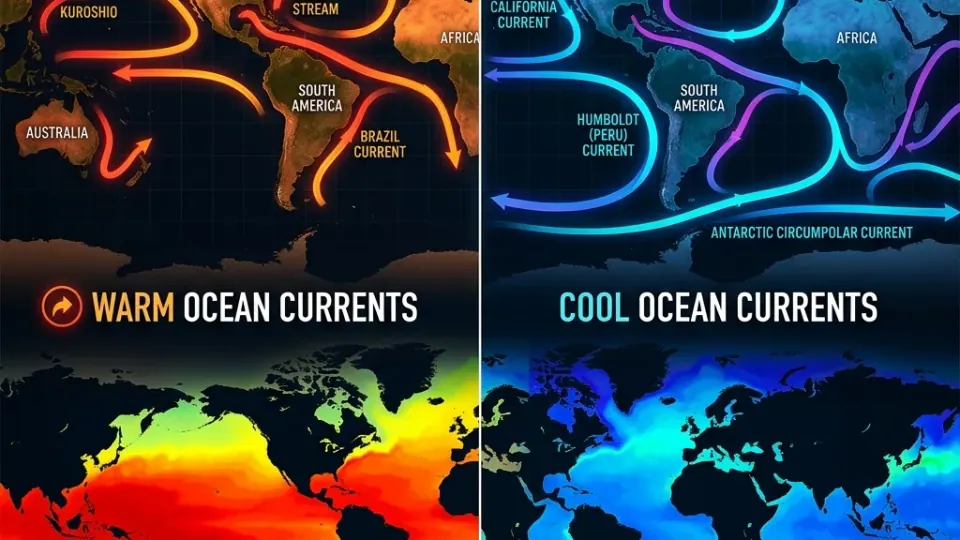
Differences between El Niño and La Niña.
Understanding the distinct thermodynamic mechanisms, trade wind dynamics, and ecological consequences that separate El Nino and La Nina.
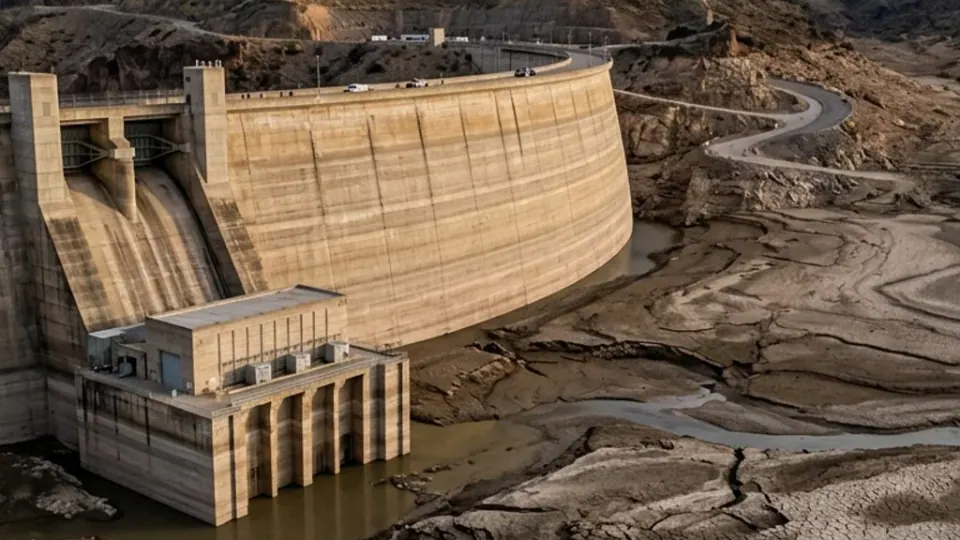
Geoeconomic Analysis: Super El Niño's Multibillion-Dollar Toll
A forensic economic assessment of the ongoing ENSO anomaly. From Southeast Asian hydropower blackouts to South American grain harvest deficits, we trace the transmission channels driving structural inflation across world commodities.
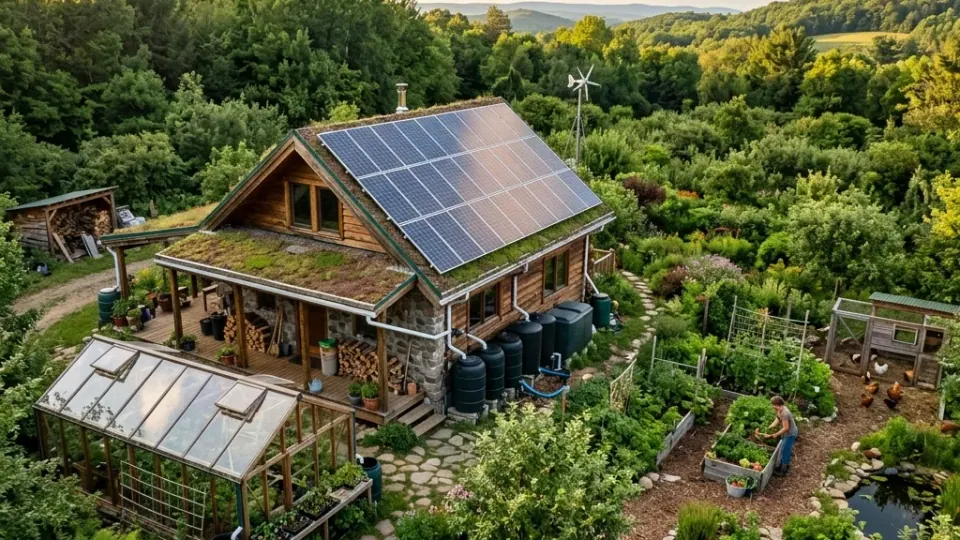
Which Countries Will Thrive in a Hotter World?
A technical and geographic assessment of the countries situated to survive and thrive during global temperature increases.

The Collapse of Our Food Security
The global food supply chain is an audacious experiment in hyper-interconnected vulnerability. We examine how fertilizer shocks, aquifer depletion, and three-day retail buffers threaten agricultural stability.