Outliving the Typhoon and the Mud After
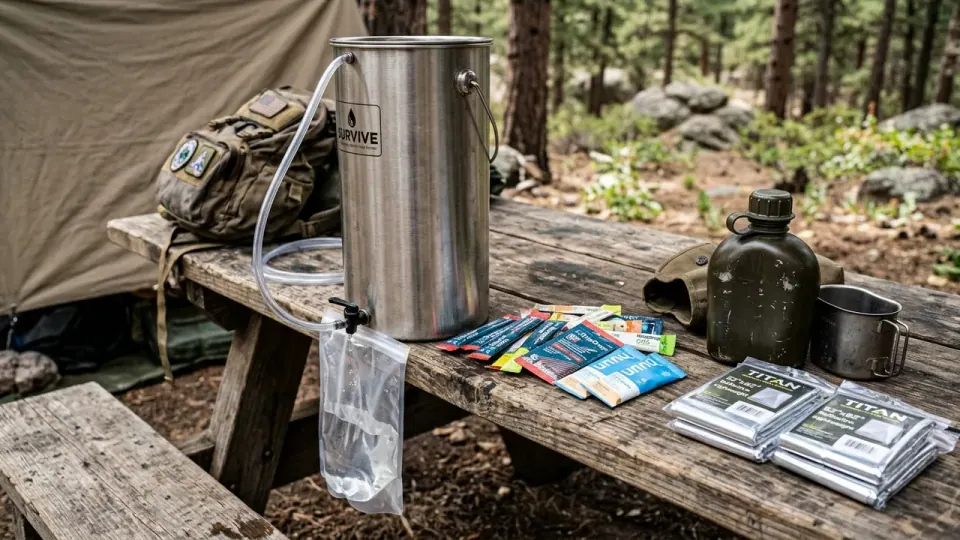
As Super El Niño fuels violent coastal typhoons over baked clay soils, surviving the storm means moving early, dodging contaminated floodwater, disinfecting wells, and stripping wet drywall before black mold claims the house.
Most people picture typhoon and flash-flood danger as Hollywood wind tearing roofs off houses. Out in coastal towns across the Philippines, Southeast Asia, and flooded river valleys this November, the wind only kills for four hours. What ruins lungs, infects wounds, collapses rural clinics, and condemns homes sits quietly inside the brown mud left behind for the next four weeks.
When a supercharged El Niño drives violent drought-to-typhoon whiplash, rain hits baked clay like water poured onto a sloped driveway. Flash floods rocket through culverts, lift septic tanks cleanly out of saturated yards, spill household chemicals and agricultural pesticides into open wells, and leave soggy drywall breeding toxic black mold in thirty-degree humidity before municipal power even flickers back on.
Surviving both the storm surge and the filthy aftermath takes zero expensive bunker gear—it takes strict sequence discipline across three windows: the six hours before water rises, the first forty-eight hours of isolation, and the dirty muck-out week afterward.
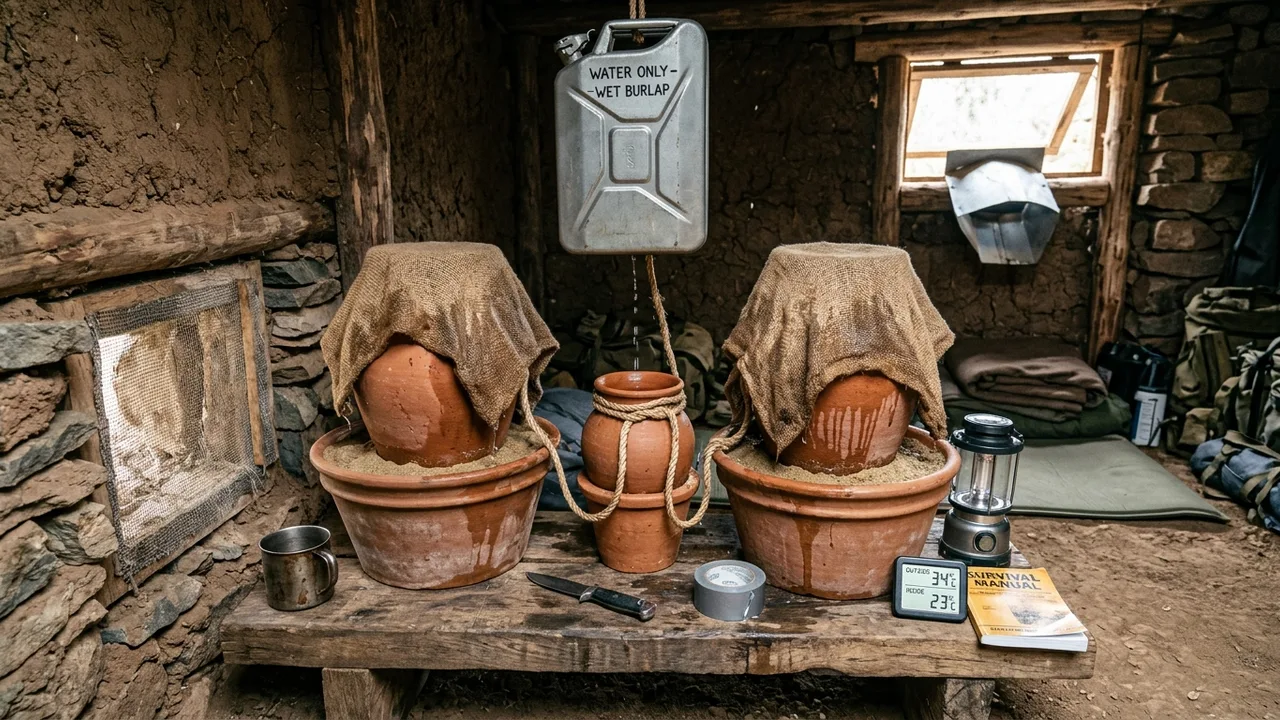
Phase 1: Before the Water Reaches Your Curb
Wait until water touches your porch steps and you have waited too long. Track incoming cyclone pressure and flood alerts early on our planetary hazard radar alongside Ready.gov flood evacuation safety guidance, because flash-flooding turns familiar neighborhood streets into chest-deep currents carrying invisible open manhole covers, downed live electrical lines, and sharp submerged sheet metal:
- 01.Know Your Exact Evacuation Trigger (`Before Dark`): Never wait for midnight evacuation sirens to start driving through rain-blinded alleys. Pre-mark two separate high-ground routes on a laminated paper neighborhood map (
never assuming the primary highway bridge stays standing). Turn off your home's main electrical breaker and gas shutoff valve before stepping out if rising water looks likely to touch wall outlets.
- 02.Elevate Everything You Cannot Carry: Move chest freezers, washing machines, toolboxes, seed buckets, and family photo totes up onto heavy concrete cinderblocks, second-floor lofts, or sturdy workbenches—even eighteen inches of clearance saves appliances from shallow six-inch floor floods.
- 03.Lock Down Hazardous Shed Chemicals: Pouring storm water past open garage shelves spills gasoline cans, pool chlorine tablets, rat poison, and weed killer directly into the exact water your neighbors will wade through. Move every jug of fuel and chemical cleanser onto the highest shelf or seal them inside heavy latching plastic bins.
- 04.Build a Grab-and-Go Dry Bag: Pack a rugged waterproof dry-sack per family member containing sturdy closed-toe leather/rubber boots (`never flip-flops in floodwater!`), two pairs of synthetic/wool socks, rain poncho, headlamp, leather work gloves, three days of critical medications, laminated copies of ID/deeds/insurance inside Ziploc bags,
4 litersof clean sealed drinking water per person, and high-calorie no-cook rations.
| Hazard Vector | Immediate Field Treatment | Critical Safety Limit |
|---|---|---|
| Clear Suspected Floodwater (Pre-Filtered First!) | 2 drops unscented 6% bleach per Liter (8 drops per Gallon); double if cloudy | Let stand 30 min; slight chlorine odor must stay |
| Muddy / Silt-Heavy Water | Settle 2 hrs + cloth/coffee filter -> rolling boil >= 1 full minute (3 min alt) | Never skip pre-filter; silt blocks UV & bleach |
| Contaminated Skin Wounds | Irrigate with clean boiled water + soap; cover cleanly; watch red streaks/fever | Zero wading barefoot or with open cuts (Sepsis!) |
| Flooded Drywall & Carpets | Strip soaked drywall 30cm ABOVE waterline + pull wet pads/carpets outside at once | Wait <48h before mold; wear N95 + goggles! |
Phase 2: Water, Sewage, and Wound Discipline When Cut Off
Once storm water recedes slightly, rural households and flood-bound urban blocks hit their deadliest medical week. Municipal treatment plants lose lift-station power, septic leach fields back up into yards, and mosquitoes explode across stagnant warm puddles within days.
Treating Suspicious Water Without Breaking Your Gut
Never drink straight from a flooded backyard well, cistern, or clear-looking roadside spring after storm surge—groundwater contamination from overflowing latrines and fuel tanks travels invisibly underground for weeks, requiring the field steps in our toxic floodwater salvage and chemical purification manual and EPA emergency drinking-water disinfection guidelines:
- Step 1 — Clarify First: If water looks cloudy or tea-colored, let sediment settle in a clean bucket for two hours, then pour carefully through clean folded cotton cloth or paper coffee filters into a secondary clean jug. Mud particles shield bacteria and viruses cleanly from both chlorine bleach and ultraviolet sunlight.
- Step 2 — Boil or Shock-Chlorinate: Bring clarified water to a vigorous rolling boil for one full minute (
three minutes above 2,000 meters elevation), or dose cleanly using plain unscented household sodium hypochlorite bleach (`5.25%–6%` — check the label! Never use scented, splash-less, or color-safe laundry bleach!) at2 drops per liter(8 drops per gallon), doubling to4 drops per literif water stays slightly tinted, and waiting a full thirty minutes before drinking.
- Prevent Cholera-Style Dehydration: Keep ten packets of Oral Rehydration Salts (`ORS`) tucked inside your dry bag—or mix emergency ORS cleanly per
1 litersafe boiled water using 6 level teaspoons sugar + 0.5 level teaspoon table salt. Diarrheal illness kills weak children and seniors through simple electrolyte shock within twenty-four hours if untreated.

Floodwater Cuts Kill Quietly
Wading barefoot or in soggy canvas sneakers through gray storm runoff pushes Vibrio, Staphylococcus, Leptospira (from flooded rat burrows), and tetanus straight into tiny blister scrapes on ankles and shins.
- Always pull on rubber knee boots and heavy nitrile/leather gloves before moving wet debris.
- If you scrape skin against rusted tin or submerged nails, follow CDC emergency flood wound care guidance and our austere first-aid and trauma care manual: stop immediately, scrub the wound thoroughly with clean boiled drinking water and plain soap, apply triple-antibiotic ointment (
plus povidone-iodine), and wrap with dry sterile gauze changed twice daily. Any expanding redness, pus, red streaks climbing a limb, or fever requires urgent clinic antibiotics—do not "tough out" floodwater infections.
Phase 3: The 48-Hour Gut-Out Window Against Black Mold
If floodwater entered your living room—even just two inches over tile or wood subfloors—EPA flood mold cleanup guidance warns you have roughly forty-eight hours in warm humid weather before Stachybotrys and Aspergillus mold colonies erupt inside hollow wall cavities behind baseboards.
- 01.Pull All Wet Carpets, Rugs, and Foam Mattresses Out Immediately: You cannot save soaked carpet padding or particleboard furniture after sewage-tainted floodwater touches them. Drag them straight to the curb so wooden subfloors can breathe.
- 02.Flood-Cut Your Drywall (`30 cm Above Waterline`): Standard gypsum drywall acts like a vertical paper sponge, wicking contaminated mud twelve inches higher than the puddle actually stood. Snap a chalk line cleanly thirty centimeters (`12 inches`) above the highest wet mud stain, score and rip out the wet gypsum and soaked fiberglass insulation completely down to bare wooden wall studs! Spray exposed framing studs cleanly with a detergent wash (
never mix bleach with ammonia cleaners—deadly chlorine gas!) and scrub off visible mud before airing out.
- 03.Never Run Portable Generators Indoors or Under Carports: Every single typhoon season kills families asleep inside closed garages or breezeways who tucked a portable gas generator "out of the rain" twenty feet from an open bedroom window. Strictly follow CDC generator carbon monoxide safety rules: chain generators at least seven meters (`20+ feet`) outdoors downwind, pointing exhaust away from every soffit vent and window, and keep battery-powered carbon monoxide (
CO) alarms clipped inside sleeping rooms.
- 04.Clear Roof Gutters and Mosquito Puddles Before Week Two: Empty upturned buckets, flowerpots, clogged rain barrels, and old tires around your yard cleanly once storm winds pass so dengue and malaria vectors do not turn your block into an outbreak zone right as hospitals overflow with trauma cases.
Sanitizing Flooded Wells and Cisterns After Water Drops
If storm runoff submerged your drilled wellhead cap or rainwater cistern overflow pipe, treat the entire water column as contaminated with surface sewage until disinfected and tested:
- Pump Out Muddy Debris: Run the well pump to waste (
away from septic lines and gardens) until pumped water turns visually clear of silt and flood grit.
- Shock-Chlorinate Properly: Mix plain unscented
6%household bleach in a clean five-gallon bucket (roughly 1–2 liters per 1,000 liters of standing well casing water—never pour undiluted dry pool pellets near electrical wiring!), pour slowly down the well casing while washing down the interior casing walls with a clean hose, circulate until sharp chlorine smell appears at outdoor spigots, then shut off taps and let sit undisturbed for 12–24 hours.
- Flush Before Drinking: Pump chlorinated water safely out onto gravel driveways (
never straight into delicate septic bacteria tanks!) until chlorine odor vanishes before resuming household cooking and drinking, backing up drinking taps with boiled/filtered water until a county lab test clears coliform bacteria cleanly.
Safe Septic & Latrine Discipline Until Mains Return
Never flush toilets repeatedly into a yard whose leach field sits underwater—backflow simply pushes raw sewage straight out through ground-floor shower drains and basement floor traps inside your own home. Keep two heavy five-gallon buckets lined with sturdy contractor bags, tight snap lids, and dry sawdust, wood shavings, or cheap unscented clay cat litter ready inside a garage (twin-bucket dry toilet method: one bucket reserved strictly for liquid urine diluted outdoors away from wells, the other bagged and covered with dry carbon litter for solids), eliminating indoor sewage backups until municipal lift stations regain power. Label both buckets boldly on every side so hurried family members never confuse sanitary waste bins with greywater wash pails, and keep alcohol-based hand sanitizer and plain bar soap hung directly at eye level beside your exit door.
Final Preparation Check
Super El Niño typhoon-drought cycles punish slow reactions and half-measures. Store ten liters of plain unscented bleach in cool dark closets (replacing yearly since sodium hypochlorite loses potency over 12 months), keep heavy rubber boots and N95 respirators clipped directly inside your emergency tub beside a 100-pack of heavy contractor trash bags, and know exactly where your gas and main breaker shutoffs sit in the dark. You cannot stop an ocean cyclone—but disciplined prep, reinforced by the field footage and disaster briefings in our intel video gallery, guarantees your home stays clean, dry-lunged, and standing long after the mud dries out. Run one quick check through your garage shelves and storm dry-bag before the next tropical depression spins up offshore, because twenty calm minutes tonight saves days of filthy, dangerous cleanup when floodwaters hit your street. Store extra heavy contractor bags, rubber gloves, oral rehydration packets, and fresh unscented bleach right where everyone in the house can grab them in the dark, and keep emergency phone numbers for local well-testing labs and flood-cleanup contractors printed on paper inside your waterproof document pouch.
Real-time geospatial feed aggregating USGS M5.0+ earthquakes, NASA EONET wildfires, volcanoes, severe storms, UN/EC GDACS alerts, and NOAA geomagnetic status.
Related Reports & In-Depth Intel
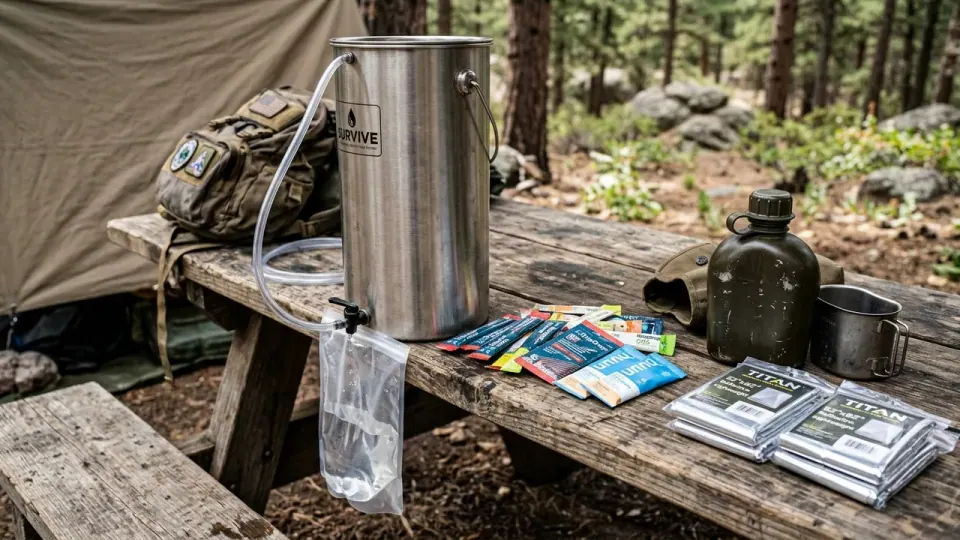
Emergency Potable Water Engineering
A comprehensive survival engineering guide for producing medical-grade potable water from ocean brine, hyper-saline aquifers, and toxic industrial runoff using salvaged multi-stage solar distillation basins and silver-impregnated biochar filters.

Emergency Calorie Security
When industrial supermarket supply chains fail and synthetic nitrogen fertilizer vanishes, dietary survival cannot be sustained on salad greens. Here is the operational agronomy guide to producing millions of dense calories using biochar-buffered soil mounds.
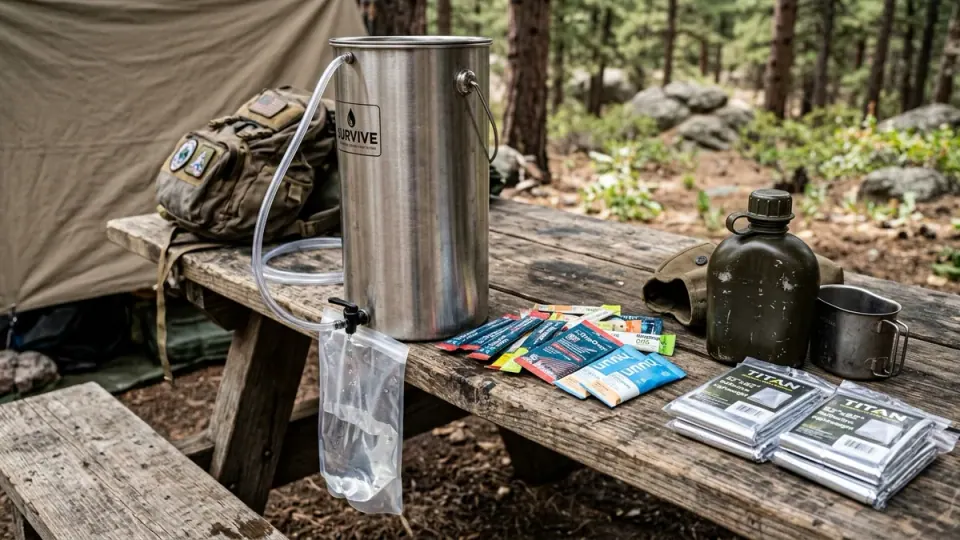
Post-Disaster Toxic Floodwater Salvage
In the aftermath of catastrophic storms, dam breaches, or industrial sabotage, surface water is heavily poisoned with petrochemicals, heavy metals, and dead biologicals. Here is the life-saving chemistry manual for producing pristine drinking water from toxic slurry.
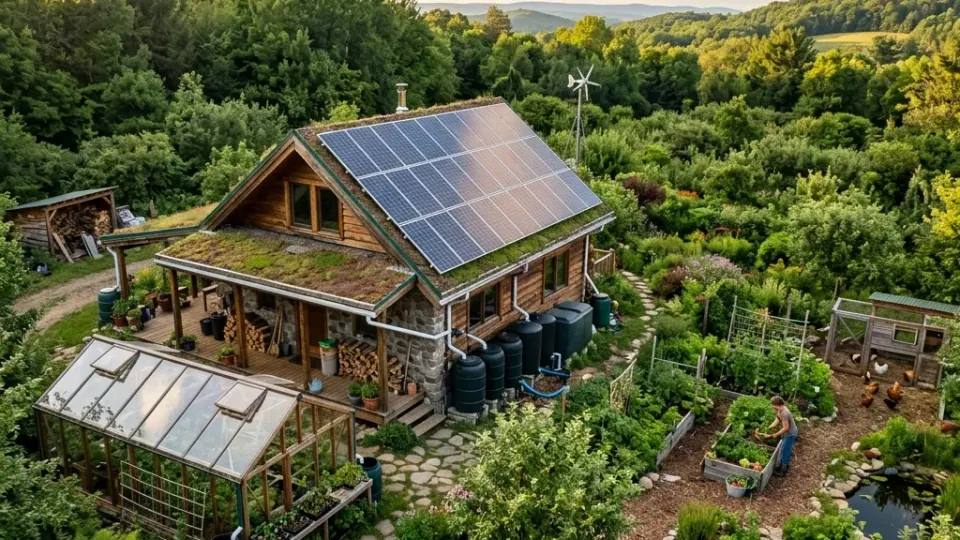
Crucial tips to survive in climate change apocalypse.
As centralized systems fracture under climate stress, we outline the exact biological, hydrological, and shelter practices required for self reliance.