Post-Disaster Toxic Floodwater Salvage
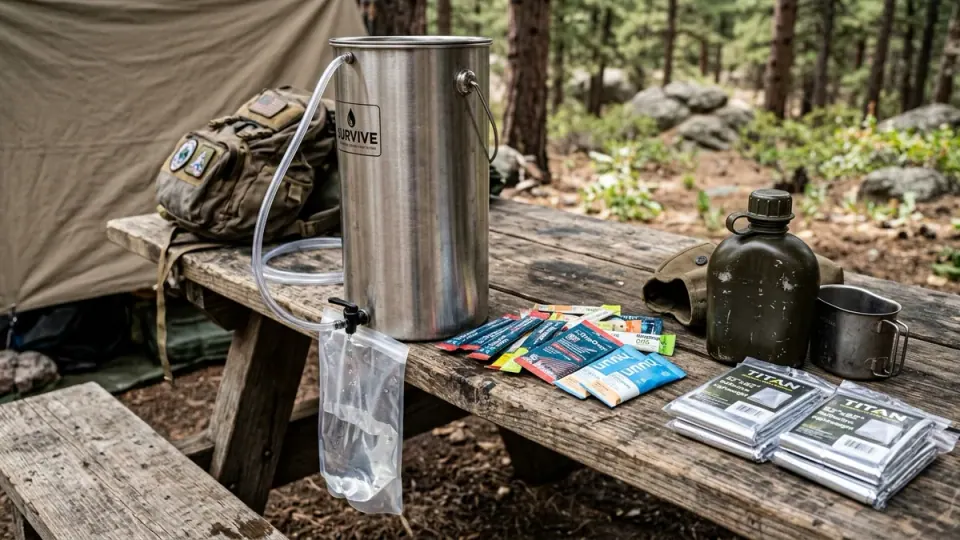
In the aftermath of catastrophic storms, dam breaches, or industrial sabotage, surface water is heavily poisoned with petrochemicals, heavy metals, and dead biologicals. Here is the life-saving chemistry manual for producing pristine drinking water from toxic slurry.
Water is the absolute arbiter of human survival. A human physiology deprived of hydration experiences severe cognitive impairment within twenty-four hours, hallucinations within forty-eight hours, and fatal circulatory collapse within seventy-two to ninety-six hours. Yet in the wake of catastrophic industrial flooding—addressed in Ready.gov flood preparedness guidance and our typhoon and flash-flood aftermath manual—spillway and dam failures, or municipal water grid sabotage, water is simultaneously everywhere and completely lethal to consume.
The typical survival literature naively advises citizens to "boil water for three minutes" or "drop in two chlorine purification tablets." In a true compound disaster—one requiring multi-agency response overseen by FEMA—this advice is actively homicidal. When floodwaters submerge modern urban, industrial, and agricultural landscapes, the resulting brown flood slurry is a complex toxic soup containing:
- 01.Aromatic Hydrocarbons and Petrochemicals: Gasoline, motor oil, transformer mineral oil, and benzene leached from submerged filling stations, underground fuel tanks, and submerged motor vehicles.
- 02.Agricultural Chemical Runoff: Organophosphate pesticides, synthetic herbicides (glyphosate, atrazine), and hyper-concentrated nitrate fertilizers washed from rural soils and feedlots.
- 03.Heavy Metal Residues: Lead, cadmium, and arsenic scoured from industrial plating shops, battery recycling centers, and flooded electronic waste dumps.
- 04.Bio-Hazardous Sewage Pathogens: Trillions of colony-forming units (CFU) of Cryptosporidium, Giardia lamblia, Vibrio cholerae, and multi-drug-resistant Escherichia coli released from inundated municipal sewage lagoons and hospital wastewater mains.
Boiling toxic industrial floodwater merely evaporates clean water vapor into the air, concentrating heavy metals, salts, and non-volatile chemical poisons in the remaining broth. Chlorine tablets will kill bacteria, but they react violently with dissolved organic matter to create carcinogenic trihalomethanes (THMs) and do absolutely nothing to neutralize lethal dissolved pesticides or heavy metals.
To salvage truly potable, life-sustaining water from a toxic disaster environment—or when stripping salinity and VOCs via multi-stage solar desalination and biochar filtration—the prepared survivor must execute a disciplined, multi-stage chemical and mechanical purification cascade complementing EPA emergency drinking-water disinfection guidelines: Flocculation, Sedimentation, Activated Carbon Adsorption, Sub-Micron Membrane Filtration, and Final Pathogen Sterilization.
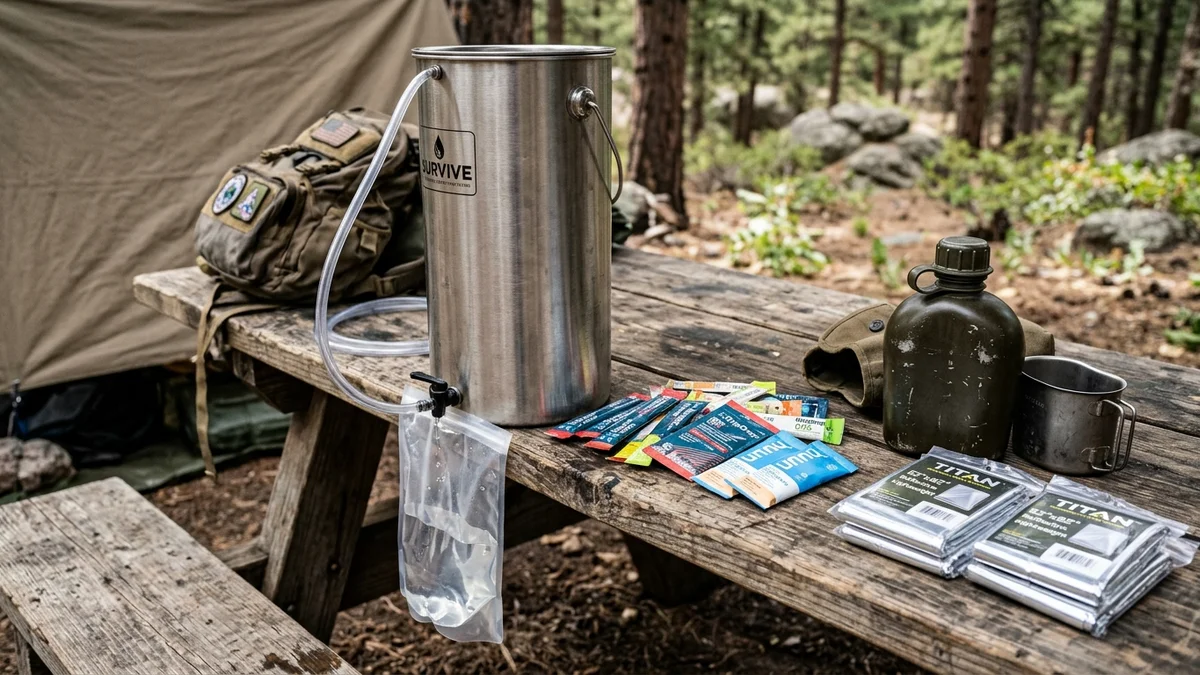
Stage 1: Chemical Flocculation and Rapid Sedimentation
Raw disaster water is heavily clouded with colloidal particles—microscopic clay, silt, and organic fragments suspended in the water column that carry negative electrostatic surface charges. Because these particles repel each other, they will not settle by gravity, remaining suspended for weeks and instantly clogging expensive ceramic and membrane filters within thirty seconds.
The first imperative step is chemical flocculation: adding positively charged ionic coagulants that neutralize the negative zeta-potential of the colloids, binding them into dense, visible clumps (flocs) that drop like stones to the bottom of the vessel.
The Alum (Potassium Aluminum Sulfate) Protocol
Commercial food-grade alum (available cheaply in five-pound bulk bags in baking sections) is the gold-standard field coagulant:
- Dosage: Dissolve 1/4 to 1/2 teaspoon of finely powdered alum per 5 gallons (approx. 20 liters) of heavily turbid raw water.
- Rapid Flash Mix (The Kinetic Trigger): Vigorously stir the raw water for precisely 60 to 90 seconds. This high-shear agitation disperses the aluminum ions uniformly across the fluid volume, allowing trivalent $Al^{3+}$ ions to bridge the electrostatic gaps between suspended dirt particles.
- Slow Coagulation Mix (Floc Growth): Gently stir the water in a single direction for three to five minutes at low speed (approx. 10 to 15 rpm). Observe the water closely: within two minutes, microscopic particles will visibly coalesce into snowflake-like gelatinous masses (flocs).
- Quiescent Sedimentation (Gravity Clearing): Cease all stirring. Allow the container to rest completely undisturbed for 30 to 45 minutes. The dense flocs, trapping over 95 percent of suspended silt, heavy metals, and particulate parasites, will settle into a thick layer of sludge at the bottom of the container, leaving crystal-clear water above.
- Decanting: Carefully siphon or pour the clarified supernatant water into a second clean container, taking care not to disturb the toxic sediment layer at the bottom.
(Field Alternative: Crushed seeds of the Moringa oleifera tree contain dimeric cationic proteins that act as a potent, 100% organic flocculant. Crush two dried seeds into a fine paste per liter of water, shake vigorously for five minutes, and allow settling.)
| Stage | Physical / Chemical Mechanism | Target Contaminants Neutralized |
|---|---|---|
| 1. Flocculation | Alum Coagulation / Sedimentation | Heavy Silt, Colloids, Parasites |
| 2. Carbon Bed | Acid-Washed Activated Carbon Adsorption | Benzene, VOCs, Pesticides, Herbicides |
| 3. Micro-Filter | 0.1-Micron Ceramic / Hollow-Fiber | Bacteria, Protozoa, Microplastics |
| 4. Disinfection | Sodium Hypochlorite / UV-C Radiation | Viruses, Resistant Micro-Pathogens |
Stage 2: Heavy-Bed Activated Carbon Chemical Adsorption
Clarified water from Stage 1 looks sparkling clean, but it remains chemically lethal, carrying dissolved volatile organic compounds (VOCs), aromatic hydrocarbons, pharmaceutical residues, and agricultural pesticides.
The only reliable field method to extract dissolved chemical poisons is passing the water through a deep bed of granular activated carbon (GAC) or extruded carbon block:
- The Chemistry of Adsorption: Activated carbon is produced by heating organic material (such as coconut shells) to extreme temperatures in the absence of oxygen, followed by high-pressure steam oxidation. This process creates an astonishing internal surface area: a single gram of high-grade activated carbon possesses an internal honeycomb surface area exceeding 1,000 to 1,500 square meters. As water flows through the bed, non-polar organic molecules—including diesel fuel, motor oil, industrial solvents, chlorine, and synthetic pesticides—are chemically adsorbed and bonded into the carbon's microscopic pores via van der Waals forces.
- Field Gravity Carbon Column Fabrication: Utilize a food-grade 5-gallon bucket or wide PVC tube. Drill multiple 1/8-inch drain holes in the base. Layer the bottom with 2 inches of washed, sterilized pea gravel, followed by a layer of tight woven cotton canvas. Pour in at least 6 to 8 inches of virgin acid-washed coconut-shell activated carbon. Top with another layer of cotton fabric to prevent water turbulence from channeling the carbon.
- Contact Time is Mandatory: The water must not rush through the carbon bed. To achieve thorough chemical adsorption of heavy hydrocarbons and pesticides, the empty bed contact time (EBCT) must be at least 5 to 8 minutes. Regulate the drainage flow rate using an adjustable ball valve or pinch clamp at the bottom outlet to ensure slow, steady percolation.
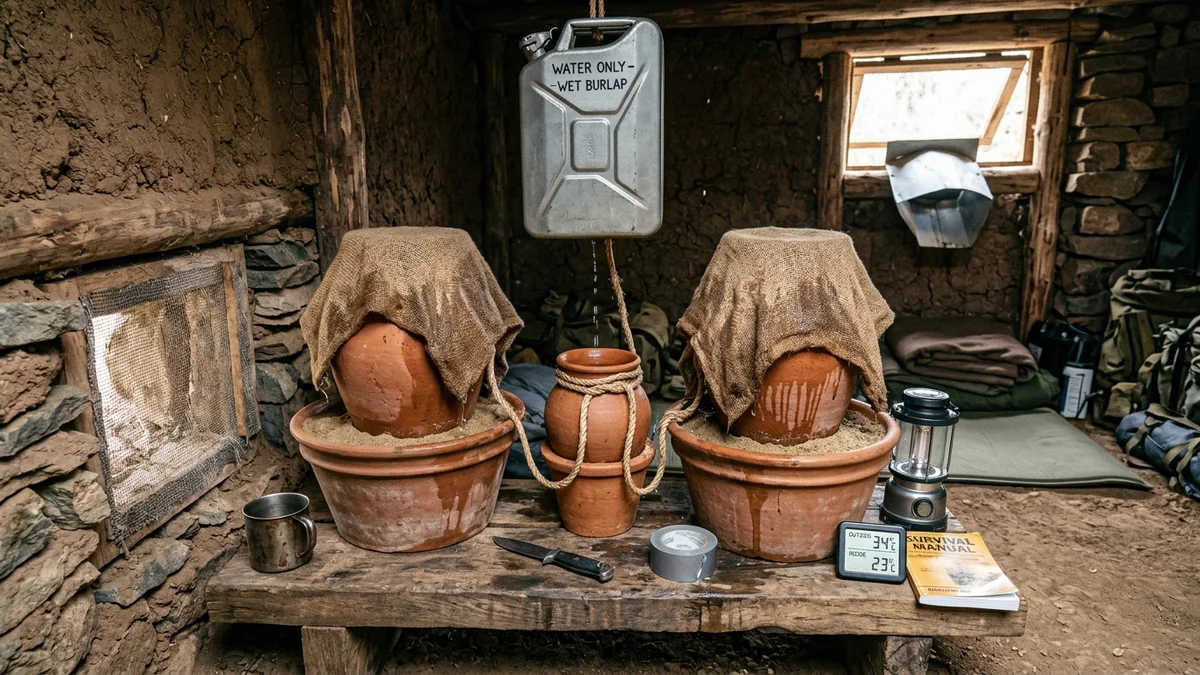
Stage 3: Sub-Micron Ceramic and Hollow-Fiber Membrane Filtration
Following chemical adsorption, the water must pass through absolute mechanical micro-filtration to eliminate pathogenic biological organisms.
The gold standard for off-grid survival is a gravity-fed dual ceramic dome or hollow-fiber membrane system (such as the British Berkefeld / Doulton ceramic candles or Sawyer 0.1-micron hollow fiber membranes):
- 0.1 to 0.2 Micron Absolute Pore Matrix: Bacteria (such as Salmonella, Shigella, and Campylobacter) measure between 0.5 and 2.0 microns in length. Protozoan cysts (such as Giardia and Cryptosporidium) measure between 4 and 15 microns. An absolute 0.1-micron pore size mechanically bars 99.9999% of all bacteria and parasites from passing through the membrane wall.
- Colloidal Silver Impregnation: High-quality ceramic filter elements are impregnated with colloidal silver ions. Silver acts as a natural bacteriostatic agent, generating reactive oxygen species that disrupt bacterial enzyme synthesis and prevent biological biofilm from growing through the ceramic pores over weeks of continuous operation.
- Field Maintenance and Scrubbing: As the ceramic elements accumulate residue, the gravity flow rate will slow down. Never wash ceramic filters with soap or detergent. Carefully remove the candles and scrub the outer surface with a clean abrasive pad under clean running water, stripping away the outer micro-layer of clay and exposing fresh, open ceramic pores.
Stage 4: Final Chemical Sterilization (Neutralizing Viruses)
While sub-micron ceramic filters eliminate 100 percent of bacteria and parasites, smaller enteric viruses (such as Hepatitis A, Norovirus, and Poliovirus, measuring between 0.02 and 0.08 microns) can theoretically slip through a 0.1-micron mechanical pore.
Because the water has already been cleared of all organic matter and chemical turbidity in Stages 1 through 3, chemical disinfection can now be executed with maximum lethality and zero dangerous by-product formation, following CDC emergency drinking water safety instructions:
- 01.Unscented Household Bleach (5.25% - 8.25% Sodium Hypochlorite):
- 02. * Add precisely 2 to 3 drops of fresh, plain, unscented liquid household bleach per gallon of crystal-clear filtered water (or 1/4 teaspoon per 5 gallons).
- 03. * Stir thoroughly and allow the water to sit sealed in a dark container for a minimum of 30 minutes.
- 04. * After 30 minutes, open the container and smell the water: it should possess a very faint, clean chlorine odor. If no faint chlorine odor is detectable, add 2 additional drops and let sit for an additional 15 minutes.
- 02.Alternative: Solar Ultraviolet Disinfection (SODIS):
- 02. * If chemical sterilants are exhausted, pour the completely clear filtered water into clean, transparent PET plastic beverage bottles.
- 03. * Place the bottles horizontally upon a reflective metal surface (such as a sheet of corrugated galvanized roofing metal) in direct, unshaded sunlight for a minimum of six continuous hours (or two days under overcast skies), a technique validated in WHO Guidelines for Drinking-water Quality.
- 04. * The combination of thermal water heating and solar UV-A radiation damages the DNA and RNA of viral pathogens, rendering them completely non-viable.
Water purification in an extreme collapse scenario is an uncompromising science. By mastering the chemical and mechanical sequence of Flocculation, Adsorption, Filtration, and Disinfection—and comparing trade-offs in our ranked water purification methods guide—you gain the power to pull life-saving hydration from the most hazardous industrial waters on earth.
Real-time geospatial feed aggregating USGS M5.0+ earthquakes, NASA EONET wildfires, volcanoes, severe storms, UN/EC GDACS alerts, and NOAA geomagnetic status.
Related Reports & In-Depth Intel
Outliving the Typhoon and the Mud After
As Super El Niño fuels violent coastal typhoons over baked clay soils, surviving the storm means moving early, dodging contaminated floodwater, disinfecting wells, and stripping wet drywall before black mold claims the house.
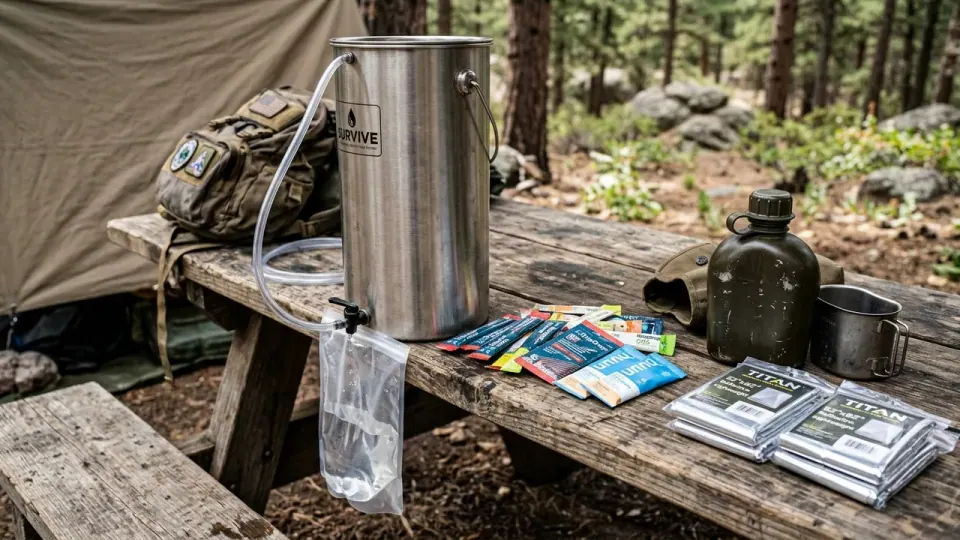
Emergency Potable Water Engineering
A comprehensive survival engineering guide for producing medical-grade potable water from ocean brine, hyper-saline aquifers, and toxic industrial runoff using salvaged multi-stage solar distillation basins and silver-impregnated biochar filters.

Emergency Calorie Security
When industrial supermarket supply chains fail and synthetic nitrogen fertilizer vanishes, dietary survival cannot be sustained on salad greens. Here is the operational agronomy guide to producing millions of dense calories using biochar-buffered soil mounds.
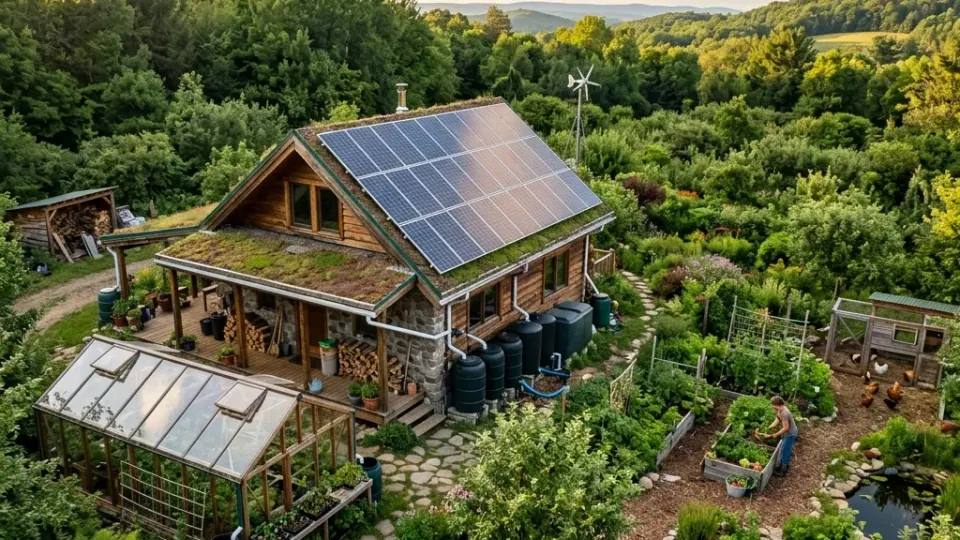
Crucial tips to survive in climate change apocalypse.
As centralized systems fracture under climate stress, we outline the exact biological, hydrological, and shelter practices required for self reliance.