Emergency Calorie Security
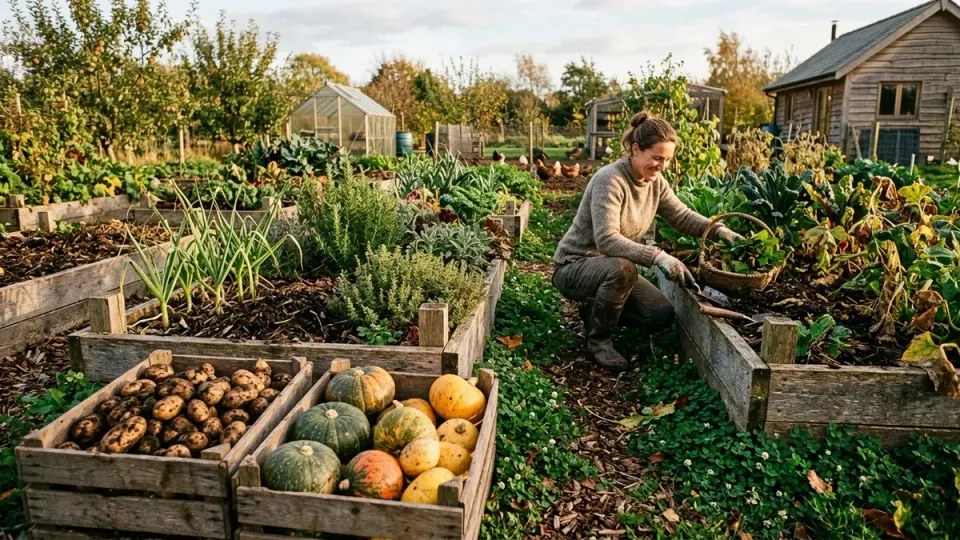
When industrial supermarket supply chains fail and synthetic nitrogen fertilizer vanishes, dietary survival cannot be sustained on salad greens. Here is the operational agronomy guide to producing millions of dense calories using biochar-buffered soil mounds.
The romantic illusion of the backyard survival garden is one of the most dangerous myths circulating in contemporary preparedness circles. Well-meaning citizens spend hundreds of dollars on commercial "survival seed vaults" packed with heirloom tomato, lettuce, bell pepper, and radish seeds, imagining that a quarter-acre garden plot will feed their family through an extended geopolitical collapse or food-system breakdown.
When actual systemic crisis strikes—severing petroleum-fueled long-haul trucking, shutting down commercial ammonia synthesis plants as detailed in our report on El Niño fertilizer shocks, and disrupting municipal irrigation grids—these novice gardeners discover a brutal physiological reality: you cannot survive on micronutrients alone.
A mature adult male performing rigorous physical labor in a survival environment requires between 2,500 and 3,200 calories per day, alongside 60 to 90 grams of bioavailable protein—nutritional benchmarks reinforced by Ready.gov emergency food planning and USDA National Agricultural Library nutrition data. To obtain 2,500 calories from garden lettuce, one would have to harvest, chew, and digest approximately 35 pounds of wet leafy greens every single day—a physiological impossibility that results in rapid caloric starvation, muscle wasting, and fatal metabolic failure.
To survive a multi-year civilizational collapse, homestead agronomy must be re-engineered around a singular, uncompromising metric: densely packed, easily stored, low-input carbohydrates and bioavailable fats. This manual complements our guides on closed-loop soil fertility and small-space survival permaculture, detailing the operational science of rapid-propagation root crops, biochar-buffered soil fertility regeneration, and closed-loop micro-livestock starch cycling designed to yield millions of dense calories from limited acreage under extreme climatic stress.
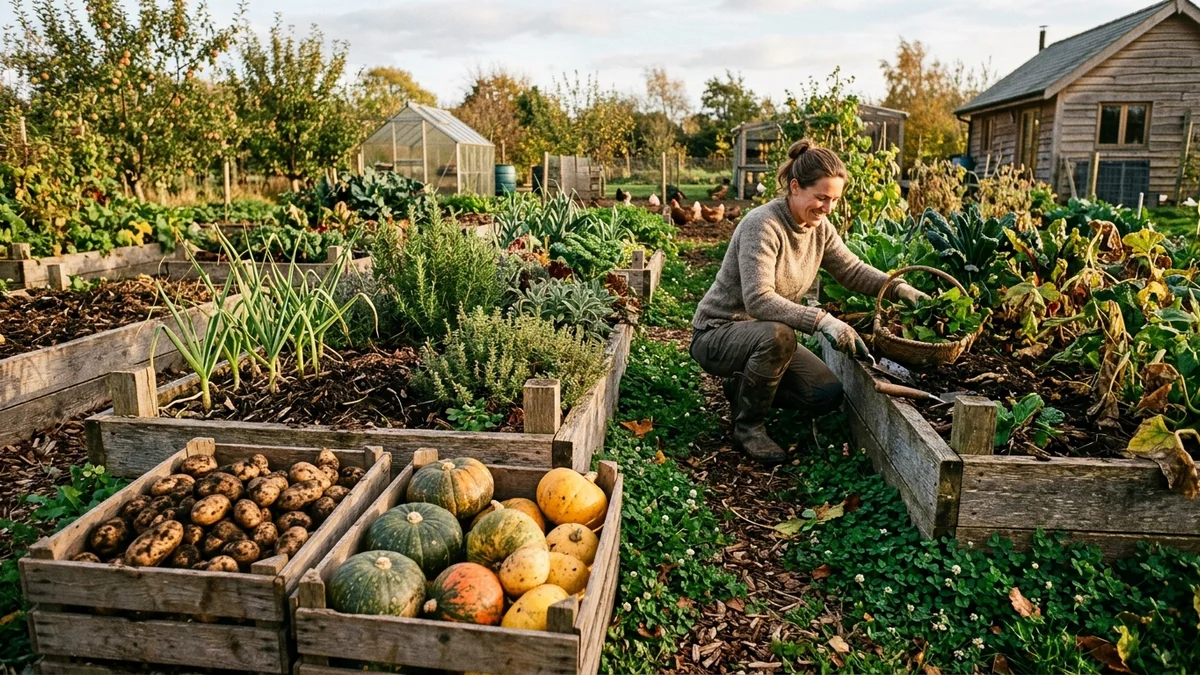
The Starch Foundation: Selecting High-Density Calorie Heavyweights
In a post-industrial survival scenario devoid of mechanized tractors and synthetic fertilizers, every square foot of tilled soil must yield maximum net caloric energy relative to the human labor expended cultivating it (Energy Return on Investment, or EROI).
Three subterranean starch powerhouses form the non-negotiable caloric backbone of a resilient survival acreage:
1. The Solanum Tuberosum (Irish Potato) System
Potatoes represent the single most productive cold- and temperate-climate calorie crop ever cultivated by human civilization. Under intensive bed management, a single 100-foot by 4-foot raised trench can produce between 250 and 400 pounds of high-starch tubers within 90 to 110 days, providing over 120,000 dense calories rich in potassium, Vitamin C, and complete amino acid profiles when consumed with the skin.
- Rapid Eye-Chitting and Propagation: Never plant whole seed potatoes straight into cold soil. Three weeks prior to planting, place seed tubers in a cool, bright room to initiate "chitting"—the sprouting of thick, dark purple nodes. Cut large tubers into 2-ounce chunks, ensuring each piece contains at least two robust eyes. Allow the cuts to cure in dry shade for 48 hours to form a protective suberized cork layer that resists soil rot.
- Vertical Trench and Hill Cycling: Dig a 6-inch-deep trench. Lay seed pieces 12 inches apart. Cover with 3 inches of compost and soil. As green shoots emerge and reach 6 inches in height, backfill the trench with a 50/50 mix of rich compost and crushed biochar. Repeat this "hilling" process three times throughout the season. Tubers form exclusively along the buried underground stem; vertical hilling doubles and triples the subterranean tuber-bearing surface area per square foot.
2. The Ipomoea Batatas (Sweet Potato) Heat Fortress
In subtropical, Mediterranean, or summer-heat-stressed climates where cool-season Irish potatoes wither, the sweet potato reigns supreme. Sweet potatoes tolerate intense heat, poor acidic soils, and irregular rainfall, yielding massive taproots packed with complex carbohydrates, beta-carotene, and natural sugars:
- Slip Production from Kitchen Scraps: A single healthy mother sweet potato submerged halfway in water or placed in moist sand will produce twenty to thirty vegetative "slips" (leafy shoots) within four weeks. Snap off the slips when they reach 6 inches in length, root them in clean water for three days until white rootlets appear, and transplant directly into hilled ridges.
- Dual-Harvest Edible Biomass: Unlike Irish potato foliage (which is highly toxic due to solanine glycoalkaloids), sweet potato leaves and young tender vines are 100% edible, highly nutritious, and deliver over 3 grams of complete protein per 100 grams of fresh greens. You can harvest up to 25 percent of the vine canopy continuously throughout the summer without diminishing the final underground tuber harvest.
3. The Helianthus Tuberosus (Jerusalem Artichoke / Sunchoke) Ironclad Reserve
If you anticipate hostile foraging, roaming raiders, or total neglect due to sickness or conflict, the Jerusalem artichoke is the ultimate defensive famine crop. A native perennial sunflower, sunchokes grow twelve feet tall, crowd out all competing weeds, and produce massive subterranean clusters of knobby tubers that can yield over 1,500 pounds per 1,000 square feet.
- Inulin-Based Caloric Storage: Sunchokes store carbohydrates as inulin rather than starch, meaning they do not trigger insulin spikes and can be stored in the ground through frozen winter soils without rotting—acting as a natural, un-lootable underground calorie refrigerator that you dig up only when needed.
| Crop Variety | Calories Per 100g | Yield Per 1,000 Sq Ft | Caloric Output |
|---|---|---|---|
| Irish Potatoes | 77 kcal | 800 - 1,200 lbs | ~350,000 kcal |
| Sweet Potatoes | 86 kcal | 900 - 1,400 lbs | ~420,000 kcal |
| Sunchokes (Inulin) | 73 kcal | 1,200 - 1,800 lbs | ~480,000 kcal |
| Sweet Corn (Maize) | 86 kcal | 250 - 400 lbs | ~115,000 kcal |
| Salad Greens (Lettuce) | 15 kcal | 100 - 150 lbs | ~8,500 kcal |
The Biochar Matrix: Creating Permanent Drought-Resistant Soil Fertility
When synthetic nitrogen, phosphorus, and potassium (NPK) fertilizers disappear from retail supply chains, soil fertility will rapidly degrade after a single heavy growing season, a collapse mechanism tracked in USDA Natural Resources Conservation Service soil health assessments. To maintain high-yield root crops year after year, the soil must be structurally transformed into a self-renewing, nutrient-retaining microbial battery using Biochar—documented globally by the International Biochar Initiative.
Biochar is pure elemental carbon created by the high-temperature pyrolytic combustion of dense biomass (wood, corn stalks, bone scraps) in a low-oxygen environment (such as a top-lit updraft biochar kiln or simple trench burn). Unlike raw organic mulch that decomposes and gasses off as carbon dioxide within two years, the aromatic carbon rings of biochar remain stable and chemically intact in soil horizons for over two thousand years (the ancient Amazonian Terra Preta phenomenon).
Fabricating and "Charging" Biochar for Maximum Fertility
Raw, uncharged biochar placed directly into a garden will act as a nutrient sponge, aggressively sucking nitrogen and moisture away from plant roots and temporarily stunting your crops. Biochar must be properly activated or "charged" prior to soil incorporation:
- 01.Pyrolysis and Quenching: Burn hardwood chips or deadfall in a deep conical pit until flames burn smokeless and blue. Quench the glowing red coals with water just before ash formation begins.
- 02.Mechanical Pulverization: Crush the quenched charcoal into particle sizes ranging from coarse sand to fine pea gravel (1mm to 5mm). This creates millions of microscopic pores that act as permanent biological apartment complexes for beneficial mycorrhizal fungi and nitrogen-fixing bacteria.
- 03.Biological Inoculation (The Charge): Mix the crushed biochar into an active biological slurry containing equal parts well-aged livestock manure, compost tea, wood ashes (providing soluble potassium and trace minerals), and diluted urine (providing immediate bioavailable nitrogen). Allow the mixture to ferment in sealed barrels or covered piles for two to three weeks.
When this charged biochar is amended into root-crop trenches at an 8 to 12 percent volume ratio, it permanently transforms soil architecture: increasing soil water-holding capacity by up to 300 percent (critical during severe El Niño droughts), preventing nutrient leaching during atmospheric river deluges, and buffering soil pH against extreme fluctuations.
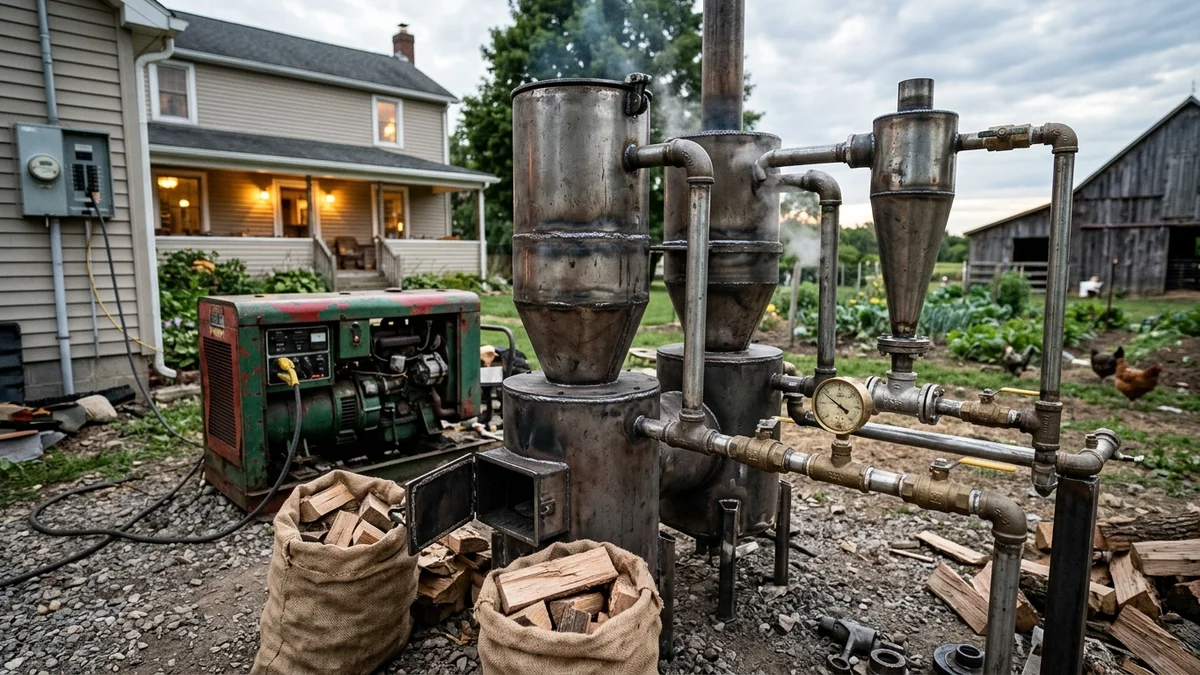
Closing the Loop: Micro-Livestock Starch and Protein Integration
A pure carbohydrate diet, while preventing immediate starvation, will eventually induce kwashiorkor (protein deficiency) and essential fatty acid deprivation. To create a 100% closed-loop homestead ecosystem that generates animal protein, high-grade dietary fats, and rich nitrogen manure without purchasing commercial grain feed, root-crop production must be coupled with resilient micro-livestock:
- Coturnix (Japanese) Quail: Requiring virtually zero space, Japanese quail reach full reproductive maturity within 42 days of hatching. A breeding colony of thirty quail hens housed in a predator-proof 3x6-foot stacked hutch will produce twenty to twenty-five protein-dense, lipid-rich eggs every single day, converting garden pests, scrap greens, and surplus boiled potatoes into elite bioavailable animal nutrition.
- Muscovy Ducks and Heritage Rabbits: Muscovy ducks are aggressive foragers that consume garden slugs, beetles, and mosquitos without tearing up root-crop beds like chickens do. Heritage meat rabbits (such as New Zealand or Californian breeds) convert wild grasses, blackberry canes, and sweet potato vines into lean meat at an astonishing feed-conversion ratio of four pounds of forage to one pound of meat—producing pure cold manure that can be applied directly to garden beds without hot composting.
Long-Term Food Sovereignty Protocols
As the global agricultural system buckles beneath climate volatility, maritime interdiction, and energy scarcity—strains monitored by the Food and Agriculture Organization (FAO) alongside our protocols for famine-proofing drought-stricken grain reserves—individual and community survival will belong exclusively to those who master localized food chemistry and biological cultivation:
- 01.Prioritize Density Over Diversity: Dedicate 70 percent of your cultivable land to subterranean root crops (potatoes, sweet potatoes, sunchokes, parsnips) that produce pure dense starch and store securely beneath the soil line, reinforcing your broader household food supply strategy.
- 02.Manufacture Your Own Carbon Sinks: Build a simple backyard pyrolysis kiln. Convert pruning waste, brush, and scrap lumber into cubic yards of activated biochar every autumn, building deep, dark, spongy topsoils that withstand both relentless drought and biblical floods.
- 03.Establish Redundant Seed Banks: Maintain living seed banks. Propagate crops from tubers, slips, and vegetative cuttings rather than relying entirely on fragile paper seed packets that lose germination viability after two years of storage.
The grocery store shelf is a temporary luxury of a fossil-fuel civilization that is running out of road. Plant the deep roots of resilience today, anchor your calories in the living soil, and build a food fortress that no crisis can starve out.
Real-time geospatial feed aggregating USGS M5.0+ earthquakes, NASA EONET wildfires, volcanoes, severe storms, UN/EC GDACS alerts, and NOAA geomagnetic status.
Related Reports & In-Depth Intel
Outliving the Typhoon and the Mud After
As Super El Niño fuels violent coastal typhoons over baked clay soils, surviving the storm means moving early, dodging contaminated floodwater, disinfecting wells, and stripping wet drywall before black mold claims the house.
Emergency Potable Water Engineering
A comprehensive survival engineering guide for producing medical-grade potable water from ocean brine, hyper-saline aquifers, and toxic industrial runoff using salvaged multi-stage solar distillation basins and silver-impregnated biochar filters.
Post-Disaster Toxic Floodwater Salvage
In the aftermath of catastrophic storms, dam breaches, or industrial sabotage, surface water is heavily poisoned with petrochemicals, heavy metals, and dead biologicals. Here is the life-saving chemistry manual for producing pristine drinking water from toxic slurry.
Crucial tips to survive in climate change apocalypse.
As centralized systems fracture under climate stress, we outline the exact biological, hydrological, and shelter practices required for self reliance.