Surviving the Collapse

Modern supermarkets carry roughly three days of inventory before shelves strip bare. Here is how to build a calorie-verified, rotation-friendly food larder without wasting money on salty emergency buckets.
Walk through any major metropolitan supermarket and the abundance looks permanent—aisles stacked ceiling-high with produce flown in from three continents, chilled meats, and packaged snacks. Behind that illusion sits a ruthless logistics model built for quarterly stock margins rather than resilience—a vulnerability examined in our analysis of just-in-time supply chain fragility and broader food security collapse. Most modern grocery stores hold roughly 72 hours of high-demand staple inventory on site, a systemic bottleneck tracked under FEMA Community Lifelines food and supply frameworks. When a regional hurricane forecast hits the evening news, or a port strike or banking glitch rattles public confidence, bread, milk, rice, bottled water, and canned proteins disappear in a single afternoon.
Despite those repeated warnings, most people who finally decide to build an emergency food supply—guided only loosely by Ready.gov emergency food guidelines—fall into expensive marketing traps. They buy glossy plastic buckets labeled "30-Day Survival Supply" sight unseen, tuck them behind a furnace, and consider the job finished. When those buckets are opened during a prolonged crisis—or checked five years later—owners routinely discover two brutal realities: the caloric count barely supports half-starvation rations, and their household refuses to eat unfamiliar, sodium-laden paste.
Building a genuine survival food supply requires treating calories, storage physics, cooking fuel, and dietary morale like an engineering problem rather than an impulse purchase.
Start With Honest Calorie and Macronutrient Math
Before buying a single pound of rice, calculate how much energy your household actually burns. A sedentary adult requires roughly 1,800 to 2,200 kcal/day; under physical stress—hauling water, splitting firewood, gardening, or staying warm in an unheated home—demand climbs rapidly to 2,600 to 3,200+ kcal/day.
Read the fine print on commercial "month-long" emergency kits carefully. Many count servings based on 1,000 to 1,200 kcal/day padded with sugary drink mixes and thin soup bases. Living on 1,200 calories while performing heavy physical labor induces rapid muscle wasting, brain fog, and severe morale collapse within weeks.
A practical monthly baseline for one active adult is 75,000 to 90,000 calories, balanced across real macronutrients rather than cheap simple sugars:
- Complex Carbohydrates: White rice (
~1,650 kcal/lb), hard red or white wheat berries (~1,500 kcal/lb), rolled oats, cornmeal, and pasta form the bulk energy backbone.
- Shelf-Stable Proteins: Dried pinto, black, and navy beans, red and green lentils (
~1,550 kcal/lb), split peas, canned meats (tuna, salmon, chicken, corned beef), peanut butter, and nonfat dry milk powder (avoid whole milk powder for multi-year storage, as butterfat goes rancid).
- Dense Fats and Oils: This is the most neglected leg of emergency nutrition. Pure carbohydrates and lean beans cause "rabbit starvation" cravings and sluggish energy if fats are missing. Stock olive oil, coconut oil, ghee, rendered lard, and nut butters—but recognize that fats spoil fastest and must be rotated steadily through daily cooking.
- Morale and Electrolytes: Salt (plain non-iodized canning salt for preservation plus iodized table salt for thyroid health), honey or white sugar, black pepper, bouillon, vinegar, hot sauce, coffee, and tea prevent appetite fatigue, a well-documented condition where stressed people stop eating monotonous staples even when hungry.
Build a Three-Tier Food Architecture
Trying to stockpile twenty-year buckets before organizing your everyday pantry guarantees waste. Structure your reserve from the inside out in three distinct tiers.
Tier 1: The Working Pantry (2 to 4 Weeks)
This is food your family already eats every week, simply bought in deeper quantity and rotated First In, First Out (FIFO). Canned tomatoes, soups, broth, pasta, jars of sauce, cooking oil, crackers, and pet food live here. If a grid outage or snowstorm locks down roads for ten days, you eat familiar meals without shocking anyone's digestive tract.
Tier 2: The Deep Larder (3 to 12 Months)
Store bulk staples in factory packaging, heavy glass Mason jars, or #10 commercial cans, alongside fresh root-cellar crops where climate allows. Winter squash, cured onions, garlic, potatoes, and carrots keep for four to seven months in cool (35–50°F), dark, moderately humid basements. Rotate commercial canned meats and fats through this tier every one to two years—consistent with USDA Food Safety and Inspection Service (FSIS) shelf-life guidance, properly sealed cans remain microbiologically safe indefinitely, though texture and vitamin quality slowly fade after two to five years.
Tier 3: Long-Term Dry Reserves (10 to 25+ Years)
To lock in multi-decade security cheaply, buy dry bulk staples from restaurant supply warehouses or grain mills and seal them in 5-to-7-mil food-grade Mylar bags tucked inside heavy HDPE food-grade buckets with gasketed lids—methods detailed further in our hermetic grain bunker and drought preservation manual. Drop the appropriate size oxygen absorber (300–500cc per gallon capacity) inside before heat-sealing the Mylar with a household clothes iron or flat iron.
Pay strict attention to moisture and oil content. White rice, hard wheat berries, dried beans, salt, sugar, and rolled oats keep 20 to 30 years when dried below 10% moisture and starved of oxygen. By contrast, brown rice, whole-grain flours, and nuts contain fragile bran oils that turn rancid within 6 to 18 months regardless of oxygen absorbers; store whole wheat berries instead and invest in a heavy-duty manual grain mill to grind fresh flour as needed.
Defeating the Four Enemies of Stored Food
Food spoils because of oxygen, moisture, heat, and light. Control those four variables and shelf life multiplies; ignore them and even expensive stores turn sour.
Temperature is the silent killer. As a rule of thumb, every 18°F (10°C) increase in storage temperature cuts food shelf life roughly in half. Never store long-term reserves in hot attics, sunlit sheds, or uninsulated garages that swing above 90°F in summer. Interior hallway closets, under-bed space in climate-controlled bedrooms, and cool dry basements outperform garages every time. Always place buckets and cardboard cases on wooden slats or shelving off bare concrete floors so floor condensation cannot rust cans or wick dampness upward.
Before sealing bulk grains or pasta in long-term containers, inspect for pantry moths or weevil eggs. Placing bags in a deep freezer at 0°F for 72 hours kills hidden insect eggs—or let proper oxygen absorbers drop container oxygen below 0.5%, which suffocates pests at every life stage. Heavy steel trash cans or HDPE buckets also block mice and rats far better than thin retail cardboard.
Fuel, Water, and Preservation Skills
A 50-pound sack of dried kidney beans is nearly worthless—and dried red kidney beans are outright toxic due to phytohemagglutinin—if you lack the purified water and sustained heat required to soak and boil them for an hour. Always pair dry grain and bean stockpiles with cooking redundancy: a two-burner camp propane stove with bulk tanks, a small wood-burning biomass rocket stove, and an insulated haybox or thermal cooker that finishes simmering brought-to-boil beans passively for hours while slashing fuel usage by up to 70 percent.
Finally, stockpile skills alongside cans, pairing preserved rations with small-space urban food production. Learn pressure canning—the only safe method endorsed by the National Center for Home Food Preservation (NCHFP) and CDC botulism prevention guidelines for low-acid meats, poultry, broths, and vegetables to destroy Clostridium botulinum spores—alongside water-bath canning for high-acid tomatoes, jams, and pickles, lacto-fermentation (turning cabbages and root crops into vitamin-C-rich sauerkraut without electricity), and solar dehydration. Stockpiles buy time when shelves empty; food preservation and seed-saving turn a temporary cushion into long-term survival.
Real-time geospatial feed aggregating USGS M5.0+ earthquakes, NASA EONET wildfires, volcanoes, severe storms, UN/EC GDACS alerts, and NOAA geomagnetic status.
Related Reports & In-Depth Intel

Fuel Rationing and Winter Blackouts
A pragmatic, field-tested technical manual for fuel storage chemistry, long-term stabilization, gravity siphon transfers, and off-grid heating when geopolitical conflict shuts down national energy grids.

The Beginners Guide to Prepping Without Going Extreme
A pragmatic guide to emergency preparedness focusing on high probability events, pantry rotation, financial resilience, and basic household skills.
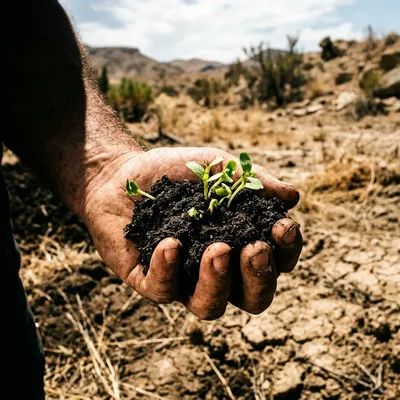
Agricultural Survival: Adapting to El Niño Cycles
As extreme weather patterns collide with global fertilizer shortages, we detail the exact agricultural adjustments needed to secure local food production.
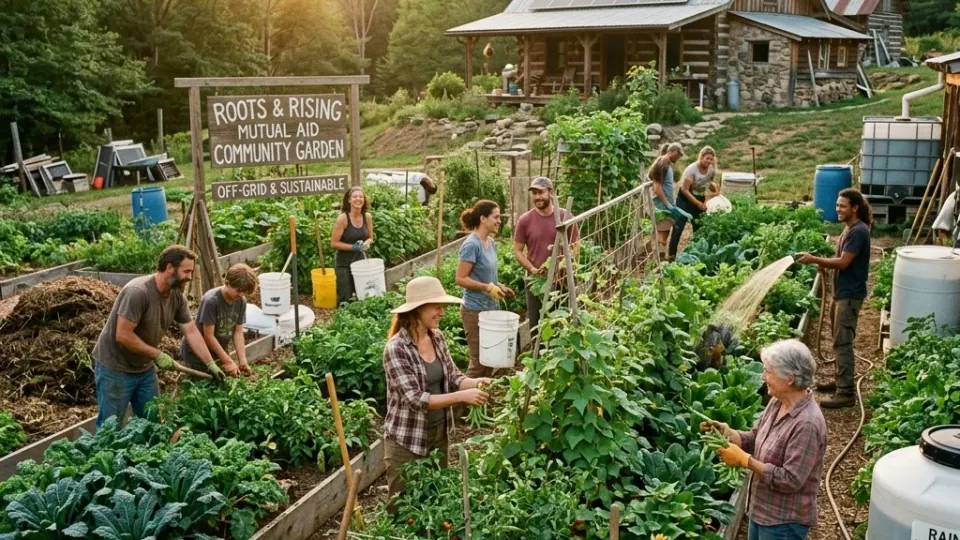
Surviving the Stagflation Trap
With runaway inflation meeting economic stagnation, traditional investment strategies are obsolete. Learn how to cut costs, allocate assets, and build mutual-aid communities to survive the stagflation era.