Water Purification Methods Ranked
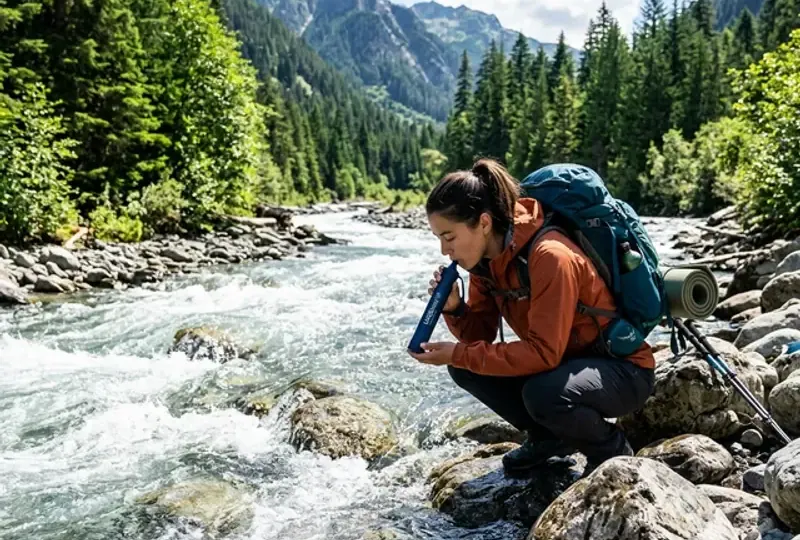
Not all dirty water fails the same way. From boiling and hollow-fiber filtration to chlorine dioxide and distillation, here is a field-tested ranking of emergency water purification methods—and the contaminants each actually removes.
Human physiology tolerates weeks without food and days without shelter, yet dehydration begins degrading judgment, thermoregulation, and kidney function inside twenty-four to forty-eight hours—a cascading failure explored in our analysis of the looming global water crisis. Drinking untreated ditch, river, or floodwater to quench that thirst trades short-term relief for Cryptosporidium, Giardia, cholera, or norovirus—turning a manageable supply hiccup into lethal fluid loss within days.
Before buying a single filter or bottle of tablets, however, you need to understand a distinction most gear blogs gloss over: biological pathogens versus chemical and physical contaminants, a boundary emphasized across our disaster water purification techniques guide and toxic floodwater salvage manual.
- Pathogens are living or infectious agents: large protozoa (Giardia, Cryptosporidium, 1–15 microns), smaller bacteria (E. coli, Salmonella, Vibrio, 0.2–2 microns), and microscopic viruses (norovirus, rotavirus, hepatitis A, 0.02–0.1 microns).
- Chemical and dissolved hazards include heavy metals (lead, arsenic), agricultural pesticides, PFAS, microplastics, fuel spills, industrial solvents, and dissolved salts.
No single ultralight pocket gadget eliminates every hazard cleanly. Furthermore, clarification always comes before disinfection: if source water looks muddy or tea-colored, let sediment settle in a bucket for an hour, then pour it through a clean bandanna, coffee filter, or millbank bag before running any filter, chemical drop, or UV light. Suspended silt clogs membrane pores rapidly and shields microbes from both ultraviolet rays and chlorine.
Here is how field water purification methods stack up from most dependable to strictly emergency backup.
1. Boiling (The Gold Standard for Biological Safety)
If you have fuel, metal cookware, and time, thermal pasteurization remains the most forgiving biological kill step on earth.
According to CDC emergency drinking water guidance and the WHO Guidelines for Drinking-water Quality, bringing clear water to a rolling boil for 1 full minute (and 3 minutes above 6,500 feet / 2,000 meters, where water boils at lower temperatures) inactivates 99.99 percent of enteric protozoa, bacteria, and viruses—even in cold water where chemical tablets slow down. In fact, most pathogens already die above 160°F (71°C), so waiting for a visible rolling boil builds a generous safety margin without requiring a thermometer.
- Strengths: Immune to mechanical failure; kills viruses that standard backcountry filters miss; requires zero specialized cartridges.
- Limitations: Burns heavy firewood or camp fuel; removes zero sediment, heavy metals, pesticides, or salt; leaves water hot and flat-tasting until cooled and aerated by pouring between clean containers.
2. Microfiltration and Purifiers (Best Daily Field Workhorse)
Pump, squeeze, and gravity filters form the backbone of realistic off-grid hydration because they produce cool, clean-tasting water immediately with zero fuel expenditure. Knowing the pore-size difference is critical:
- Standard microfilters (0.1–0.2 micron hollow-fiber or ceramic) physically block 99.9999 percent of bacteria and 99.9 percent of protozoan cysts (Giardia, Cryptosporidium). For clean North American backcountry streams, a reliable 0.1-micron hollow-fiber gravity system (like Sawyer or Katadyn designs) handles nearly every realistic threat.
- True purifiers (0.02-micron ultrafiltration or electro-adsorptive media) go further, stripping out sub-micron viruses alongside bacteria and protozoa—essential when drawing water near flooded septic fields, livestock pastures, urban canals, or developing regions.
- Activated carbon stages integrated into gravity units adsorb chlorine, foul tastes, and certain volatile organic compounds (VOCs), though carbon exhausts far faster than mechanical membranes.
Crucial field warning: Never allow a wet hollow-fiber membrane filter to freeze solid. Ice expansion invisibly fractures the microscopic fibers inside the housing, ruining pathogen protection with zero outward cracks. In winter, sleep with your filter inside your jacket or sleeping bag.
3. Chemical Disinfection (Lightweight, Reliable Redundancy)
Chemical treatment belongs in every go-bag and home closet because tablets weigh ounces and never crack in freezing temperatures. Still, chemistry varies sharply by compound:
- Chlorine Dioxide (Tablets or Two-Part Drops): The clear winner among chemical options. Unlike standard chlorine bleach or iodine, chlorine dioxide penetrates the tough outer shell of Cryptosporidium cysts—provided you respect full contact times (typically 30 minutes for bacteria/viruses, up to 4 hours in cold or slightly cloudy water for Cryptosporidium). Leaves far less chemical aftertaste than bleach.
- Unscented Sodium Hypochlorite (Household Bleach, 6%–8.25%): Cheap and widely available for bulk emergency storage. EPA emergency drinking water disinfection protocols specify roughly 8 drops (about 1/8 teaspoon) of 6%–8.25% unscented, non-splashless bleach per gallon of clear water, doubled if cloudy, mixed thoroughly and rested 30 minutes. Note two catchpoints: liquid bleach loses potency after six to twelve months on the shelf, and standard chlorination struggles against Cryptosporidium (requiring filtration or boiling first).
- Iodine Tablets: Effective against bacteria and viruses, poor against Cryptosporidium, harsh in taste, and unsafe for prolonged use by pregnant individuals or people with thyroid disorders. Strictly second-string today.
4. Ultraviolet (UV-C) Light Pens (Fast, Zero Taste, Fragile)
Portable UV-C wands (such as SteriPEN units) scramble microbial DNA and RNA across bacteria, protozoa, and viruses in roughly 90 seconds per liter without altering flavor.
They shine for international travelers filling clear tap water in hotels. In a disaster zone or muddy creek, however, UV-C carries two glaring weaknesses: suspended turbidity casts microscopic shadows where bacteria survive, and dead batteries or a dropped quartz bulb turn the device into a paperweight. Never rely on UV as a primary survival method without a pre-filter and chemical backup.
5. Thermal Distillation (Slow, Fuel-Hungry, Unmatched for Heavy Contamination)
Distillation boils contaminated water in a sealed chamber and condenses pure steam into a clean catch vessel, leaving behind salts, lead, arsenic, fluoride, radionuclides, and biological pathogens alike.
It is the only accessible household method capable of desalinating seawater or stripping dissolved heavy metals from industrial runoff—complementing specialized off-grid approaches in our solar pyrolysis still field guide. The catch is thermodynamics: vaporizing water demands enormous energy, producing tiny yields slowly. Furthermore, volatile organic chemicals with boiling points below water (like gasoline or certain solvents) can vaporize alongside steam unless passed through an activated-carbon post-filter.
6. Emergency Fallbacks: SODIS and Bio-Sand Clarification
When power, fuel, filters, and tablets are all gone, two low-tech measures still buy margin:
- Solar Disinfection (SODIS): Filling clean, clear PET plastic bottles (never glass, which blocks UV-A) and laying them flat in direct sunlight on a corrugated roof for 6 continuous hours—or 48 hours under overcast skies—uses combined UV radiation and solar heating to knock down bacteria and viruses. It fails in freezing weather, deep shade, or muddy water.
- Improvised Sand, Gravel, and Charcoal Filters: Layering washed sand, pea gravel, and crushed hardwood charcoal inside a bucket strips floating debris, worms, and some organic odors, dramatically improving clarity. Understand its strict limit: a homemade sand/charcoal column does not sterilize pathogens. Always boil or chemically treat water after clarifying it.
The Smart Layered System
Do not bet hydration on a single magic straw. Build a three-tier household kit grounded in Ready.gov emergency water storage guidelines and FEMA Community Lifelines water infrastructure frameworks: two weeks of rotated stored water in food-grade containers, a reliable gravity microfilter paired with activated carbon for daily volume, and backup chlorine dioxide tablets plus a stainless-steel pot for boiling. Clean water is heavy to haul and unforgiving to improvise—solve it while the tap still runs.
Authoritative Sources & Further Reading
Real-time geospatial feed aggregating USGS M5.0+ earthquakes, NASA EONET wildfires, volcanoes, severe storms, UN/EC GDACS alerts, and NOAA geomagnetic status.
Related Reports & In-Depth Intel
The Analog Firewall Manual
In the wake of FBI warning FLASH-20261113-001 (ARTEX), European cold-chain controller hacks, and $2.58 TCP/IP zero-days, physical resilience demands isolating critical inverters, wells, and refrigeration equipment onto offline LANs backed by hard electromechanical failsafes.
Stranded When Planes and Banks Freeze
When FAA telecom outages ground flights and cloud failures freeze card terminals, carrying cash, paper maps, offline routing, and multi-carrier comms turns chaos into a routine detour.
Outliving the Typhoon and the Mud After
As Super El Niño fuels violent coastal typhoons over baked clay soils, surviving the storm means moving early, dodging contaminated floodwater, disinfecting wells, and stripping wet drywall before black mold claims the house.
Tactical Communications Field Manual
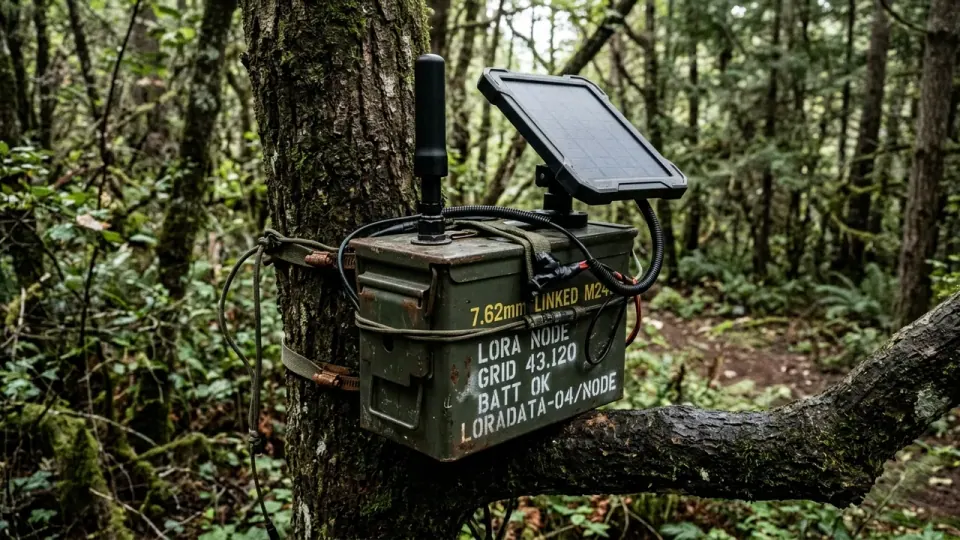
A technical field manual for establishing resilient off-grid communications networks using Near-Vertical Incidence Skywave (NVIS) HF radio antennas and solar-buffered, AES-256 encrypted LoRa mesh topologies during electronic jamming and grid-down blackouts.