Stranded When Planes and Banks Freeze
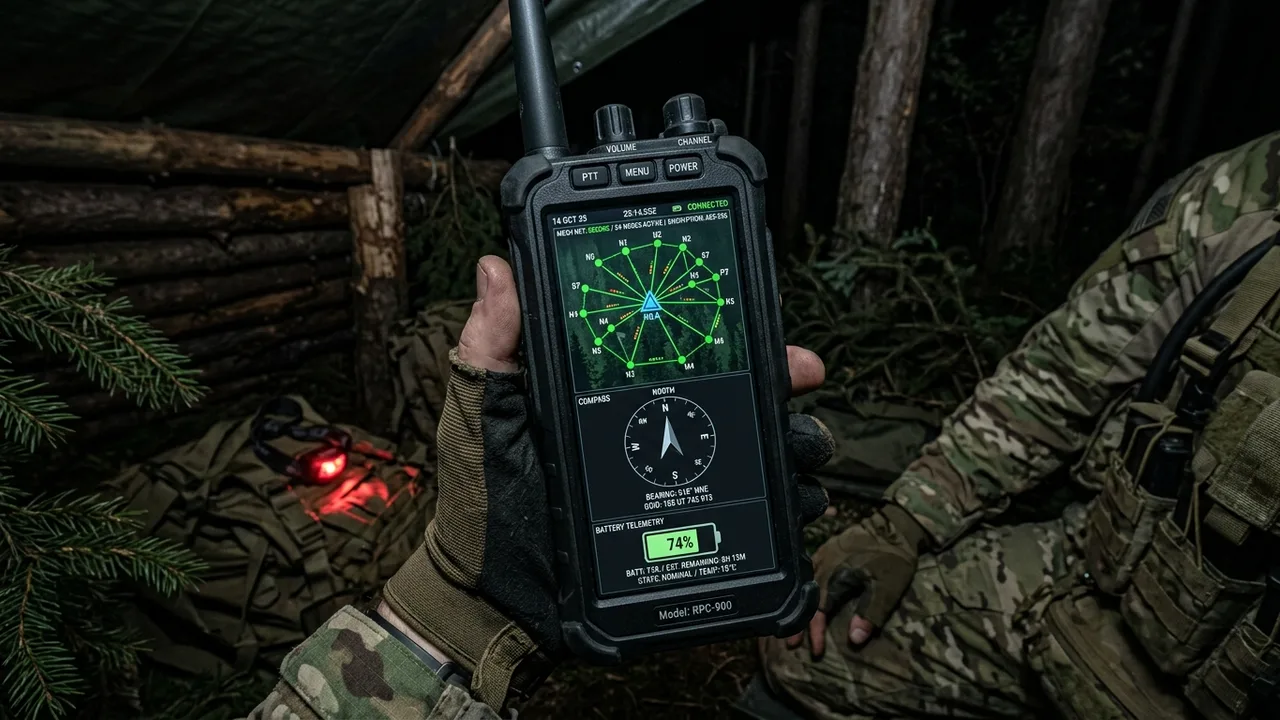
When FAA telecom outages ground flights and cloud failures freeze card terminals, carrying cash, paper maps, offline routing, and multi-carrier comms turns chaos into a routine detour.
Two thousand miles from home, sitting under harsh terminal fluorescents at 11:30 PM while every departure board flips to CANCELLED, is the worst place to discover how completely modern travel assumes uninterrupted cloud servers.
During November 2026's FAA telecom breakdown and sprawling Microsoft 365 outage, travelers watched a clean demonstration of fragile convenience—something you can monitor in real time via the FAA National Airspace System status dashboard. Airline apps spun endlessly without loading boarding passes. Hotel check-in desks could not read reservation screens. Ride-share pickups stalled because dispatch servers timed out, and airport cafes turned away plastic tap-to-pay cards while point-of-sale terminals flashed offline errors.
When transit and payment clouds lock up simultaneously, people with nothing except a smartphone face a fast downward spiral: dying phone batteries, frozen bank cards, zero local map orientation, and hundreds of stressed strangers competing for the same twelve rental cars at the counter. Here is how to build a practical, low-profile "Get-Home & Transit Blackout" routine that keeps you moving calmly while everyone else stands in line staring at spinning loading icons.
1. The Rule of Three for Moving Money
Card networks, mobile wallets (Apple Pay / Google Wallet), and banking apps all depend on real-time cloud authorization chains connecting merchant terminals to cellular towers to remote clearing servers. One jammed telco link or bad authentication certificate breaks the chain completely.
- Carry Small-Bill Emergency Cash (`Always Divided`): Following Ready.gov financial preparedness guidance, tuck
$200–$400in twenties, tens, and fives—not crisp hundred-dollar bills that gas-station clerks refuse during blackouts when their registers cannot make change. Split half into your wallet and half inside a slim hidden belt pocket or zipped shoe/bag liner so losing a wallet never strips your exit funds.
- Keep Two Separate Card Networks: Hold one Visa debit or credit card from a local credit union and one Mastercard from a separate major issuer. Outages frequently knock out one bank's processing gateway while an independent network clears transactions fine.
- Pre-Pay Fuel Before Thresholds: Never let a rental car or family vehicle drop below half a tank when traveling between cities. Gas station pumps lose authorization first during telecom dips, and stations with backup generators routinely enforce
cash-onlyten-gallon limits inside two hours of a regional outage.
| Category | Fragile Digital Habit | Resilient Blackout Replacement |
|---|---|---|
| Payment | Phone wallet + 1 bank card | Split small-bill cash ($200-$400) + cards from 2 distinct issuing networks |
| Navigation | Live streaming Google/Apple Maps | Pre-downloaded offline OS maps + folded state/regional paper road atlas |
| Tickets & ID | Airline / hotel QR code in app | Printed paper boarding/hotel confirm + laminated emergency contact number card |
| Power & Comms | 15% phone battery + no cable | 10,000mAh USB-C PD bank + dual-SIM eSIM or GMRS/FRS walkie-talkie for family |
2. Offline Navigation When Cellular Data Crawls
Every airport outage triggers immediate cellular tower congestion. Three thousand stranded passengers inside one concourse all refresh airline apps, call spouses, and stream video news simultaneously, flattening local LTE throughput down to dial-up speeds even when the tower itself still has power.
If you need to rent a car, grab a regional train, or walk five miles out of an airport perimeter to a quieter motel, live streaming maps will fail right at the highway interchange:
- 01.Download Offline Regional Maps Before Leaving Home: Install
Organic Mapsor download offlineGoogle Mapsregions covering your home city, destination metro, and every highway corridor in between (only ~400–800 MB total), pairing them with the tools listed in our useful survival websites directory. Offline vector routing works cleanly via passive GPS satellite reception even with cellular radios switched into Airplane Mode!
- 02.Keep a Folded Paper Road Atlas in Every Vehicle: A
$12laminated Rand McNally or regional highway map sitting behind the passenger seat never crashes, never runs out of battery, and lets you spot secondary state routes cleanly in thirty seconds instead of squinting at a four-inch screen while driving through heavy rain—a core habit covered in our guide to analog navigation without GPS.
- 03.Write Down Five Numbers on Laminated Cardstock: How many phone numbers do you actually remember without tapping your phone screen? Print your spouse's number, two trusted local contacts, your primary doctor, your bank's direct fraud line, and your hotel street address onto a business-card-sized slip tucked behind your driver's license. If your phone shatters or dies in a dark terminal, you can borrow a payphone or hotel desk landline immediately.
3. Airport & Hotel Survival Without App Dependencies
When flights halt nationwide for four to twelve hours, the first wave of panic hits airport service desks—and waiting politely behind two hundred yelling passengers for a rebooking voucher is almost always the worst tactical move.
- Print Paper Confirmations Before Departure: When Microsoft 365 or airline reservation backends stagger, counter agents still honor printed ticket confirmation codes (
PNR six-character locators) and paper hotel confirmations cleanly when mobile apps throw blank white error screens.
- Pivot Outward Early: If a ground stop looks likely to stretch past three hours, skip the main terminal rebooking queue. Walk or grab an early cab away from the airport perimeter toward an independent off-airport motel (
using cash if terminals hang) before every nearby room sells out, then call airline rebooking desks from a quiet room while competitors sleep on concourse carpet.
- Pack a Minimalist Carry-On "Tarmac Kit": Never check daily prescription medications, eyeglasses, phone chargers, or warm wool layers inside under-belly luggage! Built around Ready.gov emergency kit recommendations and our 72-hour emergency kit checklist, pack a compact
10,000mAhUSB-C power bank with both USB-C and Lightning/micro-USB short braided cables, an inline wall brick (with spare 12V car cigarette-lighter plug for rental cars),72 hoursof essential prescriptions in original labeled bottles, a compact LED flashlight, ear plugs, two meal bars, and an empty reusable water bottle (filled right past TSA security).
4. Home-Base Communications During Cloud & Telco Dips
What if you are home when telecoms and cloud apps drop across your town—just like municipal police desks and hospital clinics experienced in November 2026?
- Keep a Dual-Carrier Option: If your household shares three phones, put at least one line on a separate physical carrier backbone (
e.g., Verizon vs. AT&T/T-Mobile, or an affordable secondary data eSIM) so one carrier routing fault never isolates the entire family.
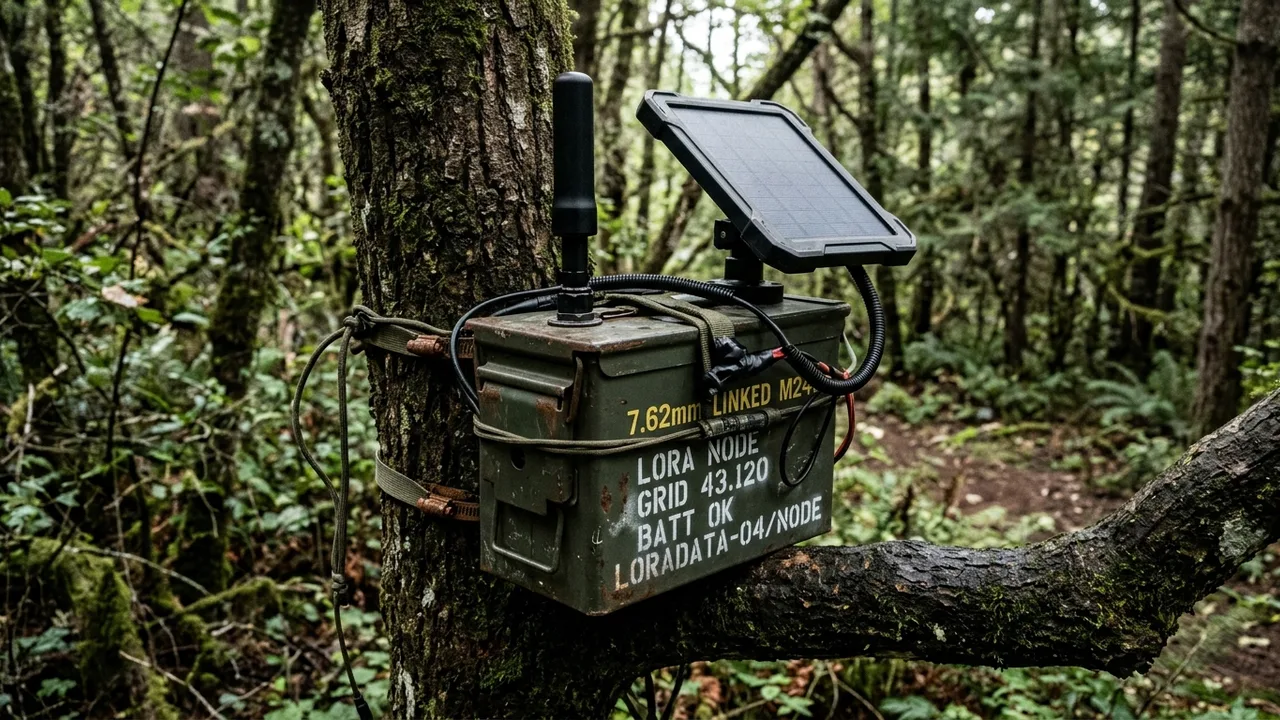
- Short-Range Local Radio (`GMRS / FRS` or `LoRa`): When cell towers saturate during multi-hour blackouts, inexpensive license-free FRS or licensed FCC General Mobile Radio Service (GMRS) handheld radios keep neighbors, spouses, and stranded family members talking cleanly across one to five miles (
line-of-sight) without touching a single cloud server—part of the broader playbook in our analog countermeasures and digital blackout field guide.
- Battery Radio (`AM/FM/NOAA Weather`): When cell data jams and social feeds freeze, plain old AM broadcast radio (
50,000-watt clear-channel stations) and NOAA Weather Radio All Hazards alerts still broadcast highway closures, boil-water notices, and utility updates straight through cheap AA batteries.
5. Vehicle & Road Detour Readiness When Pumps Go Dark
If you end up renting a car or driving home five hundred miles after flights cancel nationwide, remember that highway rest stops and rural fuel exits feel payment-cloud outages immediately:
- Fueling Rhythm: Refill whenever the gauge hits the halfway mark, never at
1/8tank. If one exit's pumps sit dark with handwritten"CASH ONLY"or"SYSTEM DOWN"cardboard signs taped across the nozzles, half a tank gives you two hundred extra miles to reach an unaffected rural co-op or open station.
- Toll Transponders and Paper Receipts: Keep twenty dollars in single-dollar bills and quarters inside your glovebox console for manual cash toll booths or small-town parking gates whose tap-to-pay readers freeze mid-trip.
- Vehicle Escape Basics: Even in a rental car, tuck your pocket flashlight, USB-C 12V car adapter, compact rain shell, and a warm fleece layer inside your carry-on backpack rather than checked luggage so a sudden winter detour never catches you shivering in a breakdown lane.
Family Check-In Rules When Cell Networks Choke
Do not rely on panicked group video chats when regional telecoms slow to a crawl. Agree beforehand on a plain text-only check-in protocol: SMS text messages consume tiny bandwidth and often punch through congested cellular towers minutes or hours after voice calls drop cleanly. Pick one out-of-state family relative as a shared "relay mailbox"—sometimes calling inside a jammed city fails while an outbound text or call across state lines connects cleanly. Set clear rally-point times (e.g., top of every even hour) so nobody burns down their last twenty percent of phone battery hitting redial nonstop inside a dead terminal. If traveling for work with teammates or family, swap physical hotel room numbers and rental vehicle license plates before stepping onto separate flights so everyone can reconnect on foot if mobile networks lock down locally.
The Calm Advantage
Digital outages expose one brutal truth: systems built for maximum peacetime speed break noisily under trivial friction. Carrying two hundred dollars in small bills, offline maps, printed confirmation numbers, and a charged power bank takes five minutes of preparation and zero monthly subscriptions—yet buys total calm the next time a single cloud error locks down half a continent's terminals. Keep your kit packed inside the bag you actually carry on trips, test your offline map app in Airplane Mode once a quarter, and never let a frozen login screen decide where your family sleeps tonight. Prepare the analog basics once on a quiet Sunday, tuck them into your travel sleeve, and walk past the stranded terminal crowds without breaking stride. Every time an airline ground stop or bank card outage makes headlines across North America or Europe, half the travelers stuck on terminal benches swear they will start carrying cash and printed maps next week—then forget completely by Friday afternoon. Making those five low-tech habits automatic right now puts you miles ahead of the next software hiccup.
Real-time geospatial feed aggregating USGS M5.0+ earthquakes, NASA EONET wildfires, volcanoes, severe storms, UN/EC GDACS alerts, and NOAA geomagnetic status.
Related Reports & In-Depth Intel
The Analog Firewall Manual
In the wake of FBI warning FLASH-20261113-001 (ARTEX), European cold-chain controller hacks, and $2.58 TCP/IP zero-days, physical resilience demands isolating critical inverters, wells, and refrigeration equipment onto offline LANs backed by hard electromechanical failsafes.
Tactical Communications Field Manual
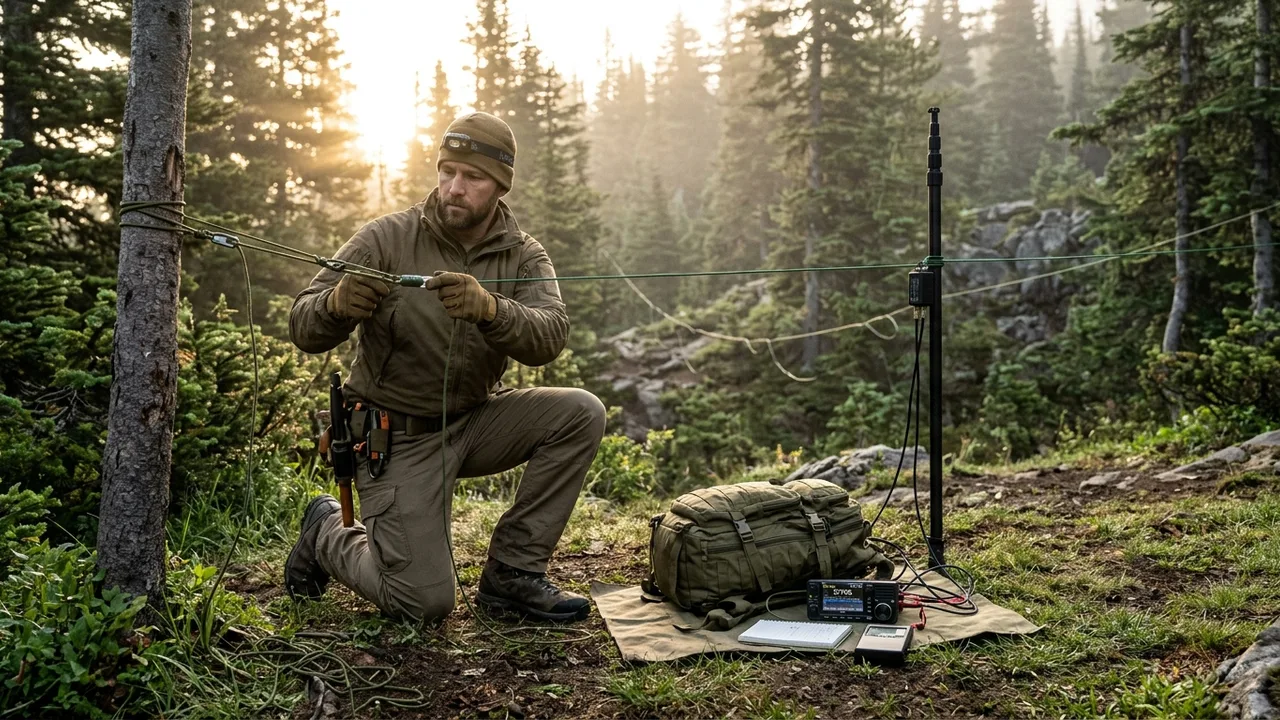
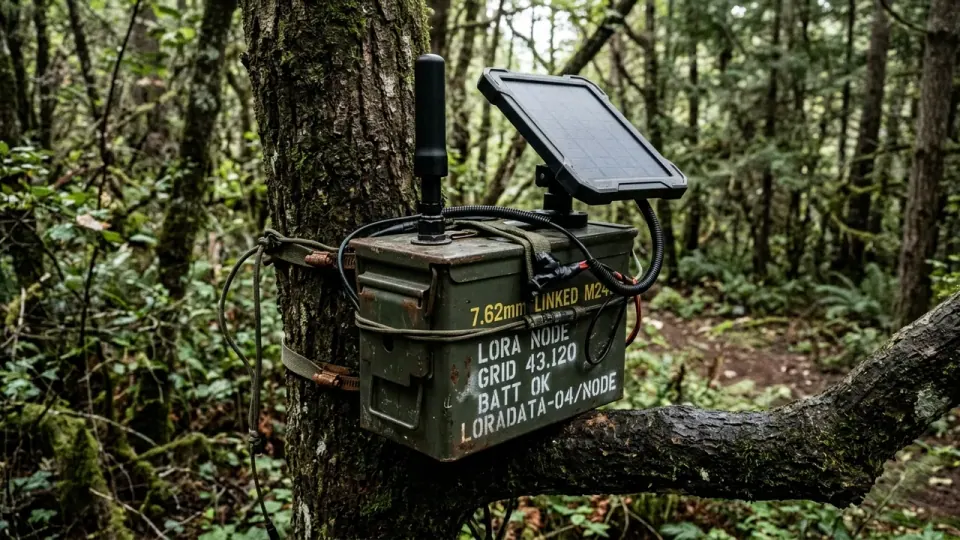
A technical field manual for establishing resilient off-grid communications networks using Near-Vertical Incidence Skywave (NVIS) HF radio antennas and solar-buffered, AES-256 encrypted LoRa mesh topologies during electronic jamming and grid-down blackouts.
Analog Countermeasures & Digital Blackout Guide
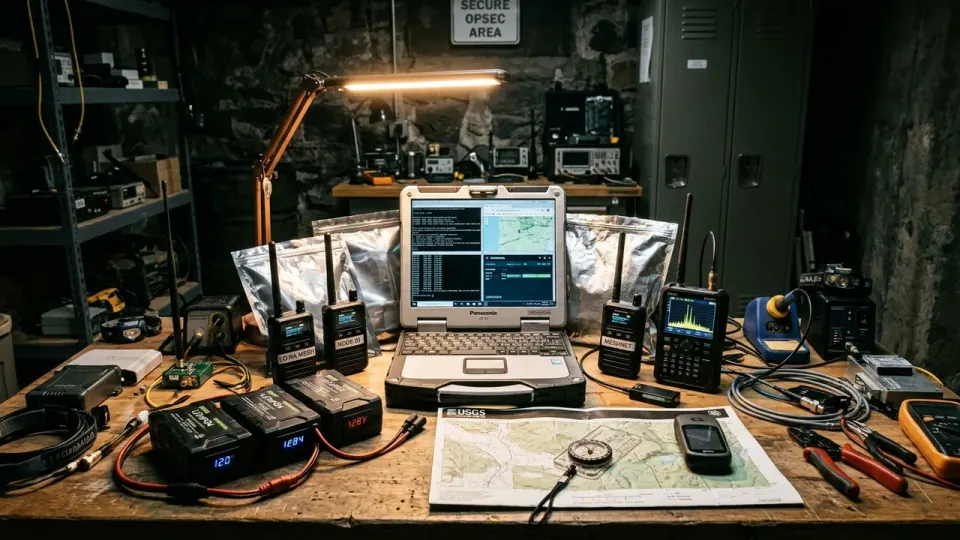
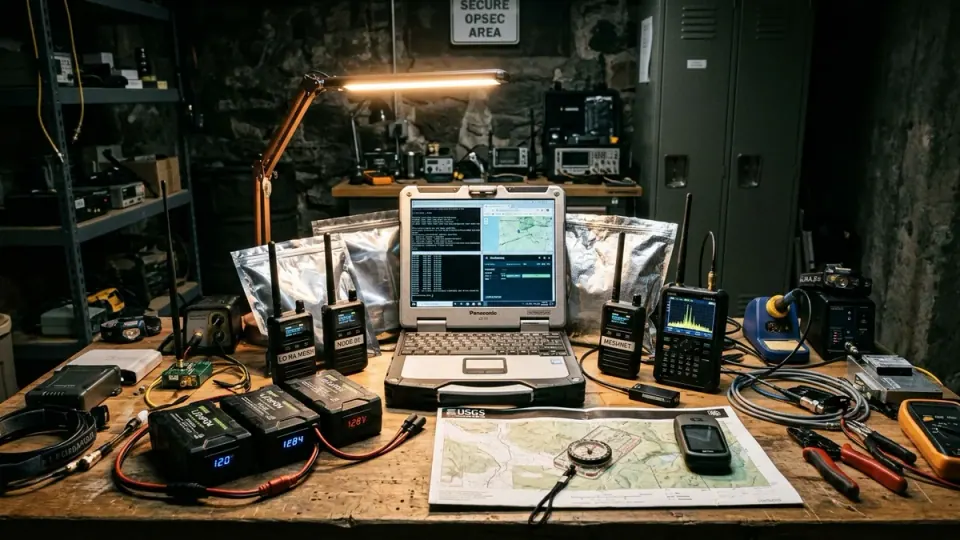
A practical, field-tested operational security manual for establishing personal and family digital sovereignty. We detail hardware Faraday defenses, off-grid air-gapped cryptographic vaults, biometric evasion, voice cloning countermeasures, and decentralized LoRa mesh networking.
Hardened Off-Grid Mesh Networking
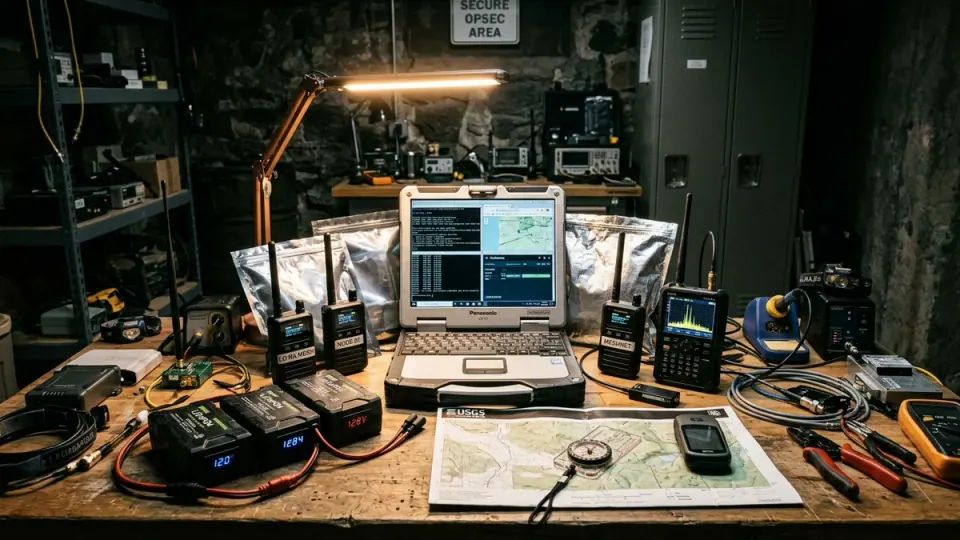
When cellular towers go dark and the central internet collapses, community resilience depends on hardened, decentralized digital radio mesh networks. Here is the operational field manual for deploying autonomous, unjammable local communications.