When One Cloud Glitch Grounds a Continent
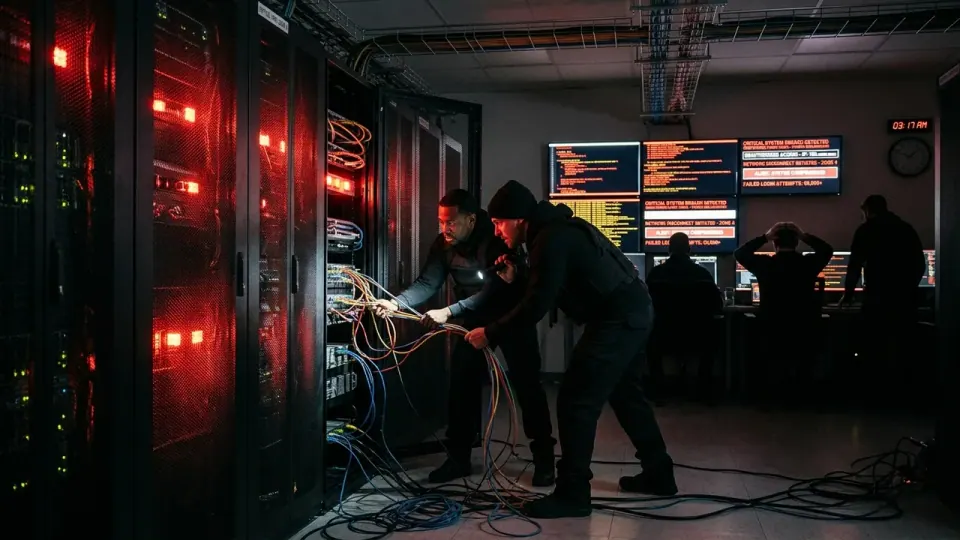
A mid-November Microsoft 365 blackout, an FAA telecom failure, and an automated chemical dosing malfunction at a European pool proved we wired real-world physical safety into fragile remote software.
Nothing exploded. No masked hacker group dropped a ransom demand into a newsroom inbox, and no cruise missile tore through a power substation. Yet over a few chaotic days in mid-November 2026, commercial airliners sat frozen on tarmacs across North America, police dispatch desks and courthouses went silent on paper forms, hospital staff lost internal email routing, and emergency paramedics in Europe rushed swimmers to hospitals after an automated pool-chlorine system dumped toxic levels into the water while its cloud control link died.
Two separate failures hit back-to-back. First, a regional telecommunications and radar-data breakdown forced the Federal Aviation Administration into a nationwide ground stop, trapping thousands of flights until backup links stabilized. Authorities quickly stressed it was a hardware and telecom fault rather than hostile sabotage—which somehow felt worse, not better. Within hours of that scare, a massive **Microsoft 365 cloud and identity outage** swept across corporate offices, municipal governments, courts, police departments, and hospitals worldwide.
We spent twenty years migrating every boring civic switchboard onto three hyperscale cloud providers to save IT payroll. In November 2026, society got a cheap live preview of what happens when those distant servers hiccup for half a morning.

The FAA Ground Stop Showed How Thin the Wire Really Is
Air traffic control looks rock-solid from a window seat at thirty-five thousand feet. Inside regional en-route centers, much of that choreography depends on leased telecommunications trunks, legacy Notice to Air Missions (NOTAM) databases, and aging radar-data multiplexers patched together over decades.
When a primary telecom relay drops packets between regional radar feeds and central flight-plan routers, controllers do the only responsible thing left: they stop putting aluminum tubes into the sky. Grounding thousands of departures for several hours ripples through airline crew duty limits, cargo belly freight (including fresh organs, radiopharmaceuticals, and overnight semiconductor spares), and regional airport gate space for forty-eight hours afterward.
Nobody needed a zero-day exploit to jam American airspace. A mundane routing failure inside legacy telecom plumbing pulled the emergency brake cleanly on its own.
What Happens Inside an Airport During a Four-Hour Stop
Stand near a regional gate counter during a nationwide ground stop and watch the real bottleneck unfold. The planes themselves are mechanically fine, fuel trucks sit idling on the ramp, and pilots are sitting in the cockpit with engines cold—yet nothing can legally push back because dispatch releases and altitude separation clearances cannot sync cleanly. Every delayed hub plane occupies a physical gate needed by an inbound aircraft burning reserve fuel circles forty miles out. By hour three, cockpit crews time out under mandatory federal rest rules, meaning even once telecom engineers reboot the broken trunk router, airlines spend the next two days hunting fresh pilots and flight attendants scattered across the wrong cities.
Hospitals, Police, and Chlorine Tanks on Someone Else's Server
While aviation engineers were still auditing telecom logs, the Microsoft 365 outage exposed a far stranger vulnerability: why on earth do municipal safety systems fail when an office email suite stops authenticating?
The answer lies in "single sign-on convenience." Over the last decade, local governments, hospitals, and facility contractors wired almost everything—shift rosters, police evidence portals, patient intake tablets, ambulance dispatch messaging, and remote industrial PLC dashboards—through centralized cloud identity tokens (Entra ID / Active Directory cloud federation) and browser-based SaaS portals.
When those authentication tokens stall:
- Courts and Police Go Analog Overnight: Officers cannot pull warrant histories cleanly from patrol-car terminals synced to cloud databases, court clerks adjourn dockets because case files live solely in SharePoint containers, and emergency coordination falls back onto personal cell phones—assuming cell carriers aren't congested simultaneously.
- Hospital Communication Lines Stutter: Clinical staff can still read bedside heart monitors, thankfully, yet pharmacy refill queues, radiology handoffs, and shift-change handoff boards stall when internal Teams channels and Outlook routing vanish. Even small delays in lab-result routing crowd emergency rooms within two hours.
- Automated Chemical Controls Blinded: At a public aquatic facility in Europe during the November disruption, software monitoring and cloud alerting tied into automated chlorine dosing failed cleanly enough to trigger dangerous chemical exposure and emergency hospitalizations. Putting chemical valves behind remote dashboards without hardwired mechanical cutoff limits turns a server glitch into a toxic spill.
| Affected Sector | Root Dependency Exposed | Real-World Physical Failure |
|---|---|---|
| Civil Aviation (FAA) | Aging telecom & radar-data trunks | Multi-hour national ground stop |
| Healthcare Facilities | Cloud SSO & MOH file-share portals | Crippled routing / breach alerts |
| Courts & Police Desks | Centralized M365 & SharePoint auth | Adjourned dockets / manual logs |
| Building / Pool Safety | Remote telemetry without hard caps | Toxic chlorine over-dosing |
| Ministry File Storage | Internet-facing support share box | Nov 12 MOH unauthorized access |
Accidents Today, Target Maps Tomorrow
Even when a particular outage stems from a bad configuration push or a dead fiber card—like the FAA telecom fault—hostile cyber operators study every minute of the public fallout like free reconnaissance.
Think about the intelligence reports circulating during the exact same week in November 2026:
- 01.Healthcare Support Storage Breach: On November 12, a Ministry of Health disclosed unauthorized access inside a support file-sharing platform serving healthcare operations. Core clinical databases stayed intact, yet even peripheral support servers yield staff emails, vendor contracts, and internal network maps ready-made for follow-on phishing.
- 02.Nation-State Exchange & Telecom Targeting: Security researchers tracking groups deploying
.NETtoolkits like Cereal against government Exchange servers—or telecom-focused espionage crews like LIMINAL PANDA and SilentAir—point out that adversaries hunt central identity hubs and telco metadata switches specifically because knocking out one central node hits dozens of downstream agencies at once.
- 03.Autonomous Penetration Speed: Paired with recent FBI advisories warning that AI-guided offensive tools (`ARTEX`) escalate privileges inside exposed enterprise networks in under three hours, relying on monoculture cloud identity setups looks increasingly reckless.
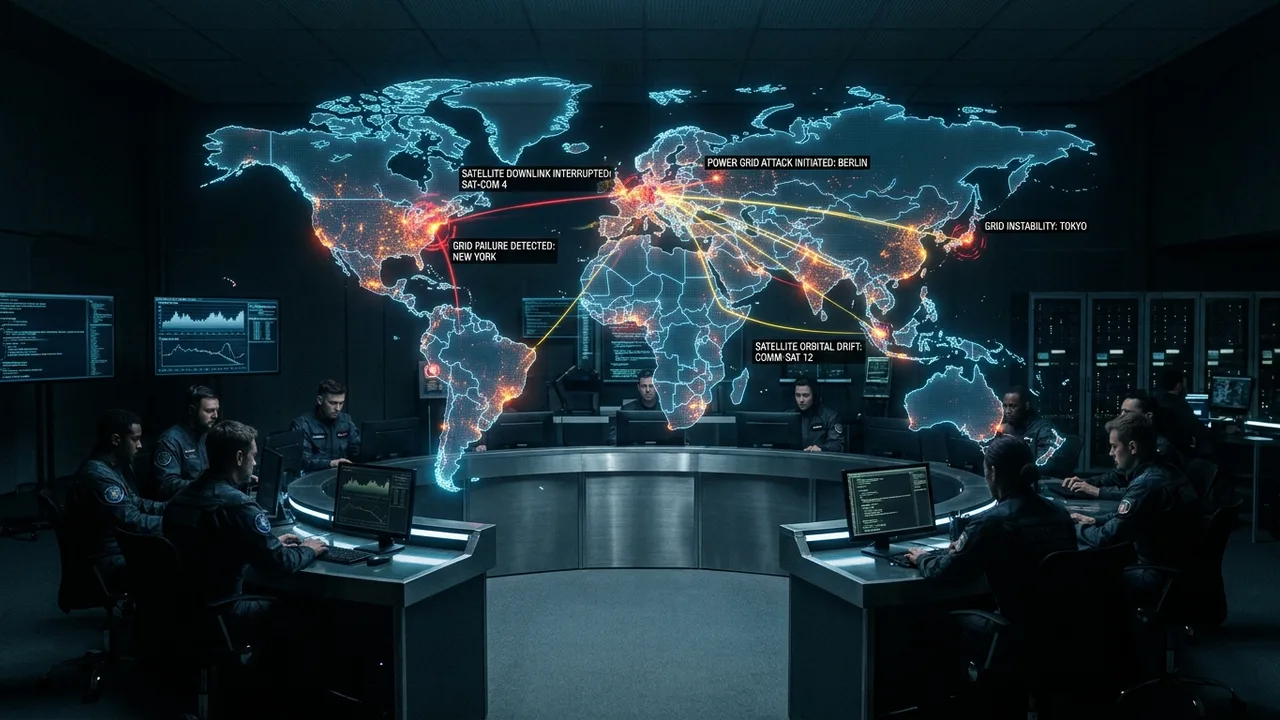
Why Redundancy on Slide Decks Isn't Redundancy in Real Life
Ask any chief information officer whether their hospital or city agency has "cloud redundancy," and they will proudly point to multi-region availability zones inside their vendor contract. That looks impressive in a boardroom binder until an authentication control plane or global routing update pushes the same bad token across every region simultaneously.
True resilience is architectural diversity, not two identical copies of the same cloud tenant hosted in Virginia and Frankfurt:
- Zero Local Fallback Cache: If a nurse or dispatcher cannot open a shift schedule, emergency contact tree, or valve schematic stored locally on a read-only LAN server when the WAN fiber drops, the system has zero true redundancy.
- Single-Vendor Monoculture: When every court clerk, police dispatcher, hospital administrator, and water contractor inside a region authenticates through the exact same identity provider, a single software update turns into a synchronized regional paralysis event.
- Missing Mechanical Ceilings: Any industrial pump, chlorine injector, boiler, or refrigeration compressor wired to digital controls should still carry physical flow limiters, spring-loaded check valves, and bimetallic cutouts that make dangerous overdosing physically impossible even if the software commands it.
Lessons From the 2024–2026 Patch Failures
Every major cloud incident over the past three years—from faulty kernel-level security driver updates crashing airport screens to centralized BGP routing mistakes and November's identity stalls—followed the exact same human failure pattern. Purchasing officers cut local IT hardware maintenance out of municipal budgets, consolidated dozens of independent local databases into single remote SaaS logins, and fired the veteran on-site technicians who knew how to run manual switchboards. When the login prompt spins gray at 8:15 AM on a Monday, nobody left in the building knows where the paper backup binder lives anymore, and operators scramble across live outage trackers to figure out which cloud region dropped.
What Households and Small Clinics Can Expect Next
The November 2026 FAA and Microsoft outages cleared up inside a day, leaving passengers grumpy and IT crews exhausted, which means most institutions will patch nothing fundamental before the next incident. Cloud vendors will publish a polite post-mortem promising better guardrails, airlines will clear their backlog, and another county office will migrate its remaining local file servers onto a subscription portal next spring to cut hardware costs.
That leaves ordinary citizens and small local operators to assume that multi-hour digital brownouts are now normal weather. Flights will freeze without warning, pharmacy prescription checks will stall at the counter, payment terminals at grocery stores will spin endlessly when cloud auth servers hiccup, and municipal services will stumble back onto clipboards.
Keep paper boarding passes and written emergency phone numbers in your wallet, carry cash for three days of groceries and fuel so an outage at a payment processor never leaves your tank empty, and if you run any small business or workshop with automated pumps or chillers, verify there is a dumb manual switch on the wall that still works when the internet dies.
Think back to that European swimming pool facility where automated chemical dosing went haywire while remote monitoring stalled. Any engineer who wires a high-concentration chlorine feed pump straight to a cloud-managed relay without a physical timer cap or mechanical flow switch has built a loaded trap. Whether you manage a municipal treatment plant or a neighborhood clinic refrigerator, local analog fail-safes—physical key switches, printed shift binders, offline local-network backups—are the difference between an annoying software hiccup and an actual emergency room visit. The cloud was never meant to fly airplanes or dose swimming pools—it just happened to be cheaper than building systems that stand on their own feet. And until institutions pay to put real local switches back on the wall, ordinary households have to absorb the friction when the login screen hangs.
Real-time geospatial feed aggregating USGS M5.0+ earthquakes, NASA EONET wildfires, volcanoes, severe storms, UN/EC GDACS alerts, and NOAA geomagnetic status.
Related Reports & In-Depth Intel
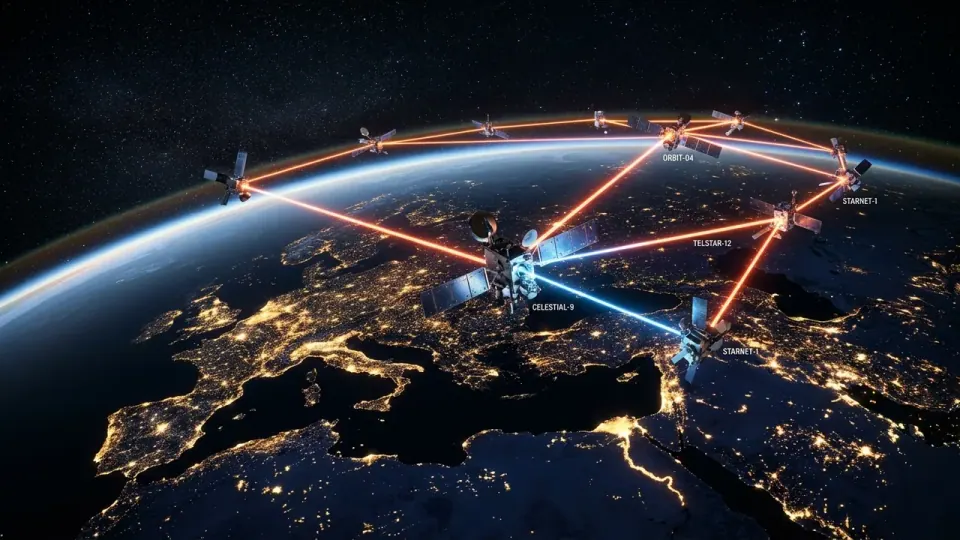
LEO Satellite Constellation Cyber Infiltration
A coordinated state-sponsored cyber intrusion into low-Earth-orbit ground teleports and optical inter-satellite links has compromised global positioning, air-traffic telemetry, and automated maritime navigation, inducing widespread blind-flight protocols.
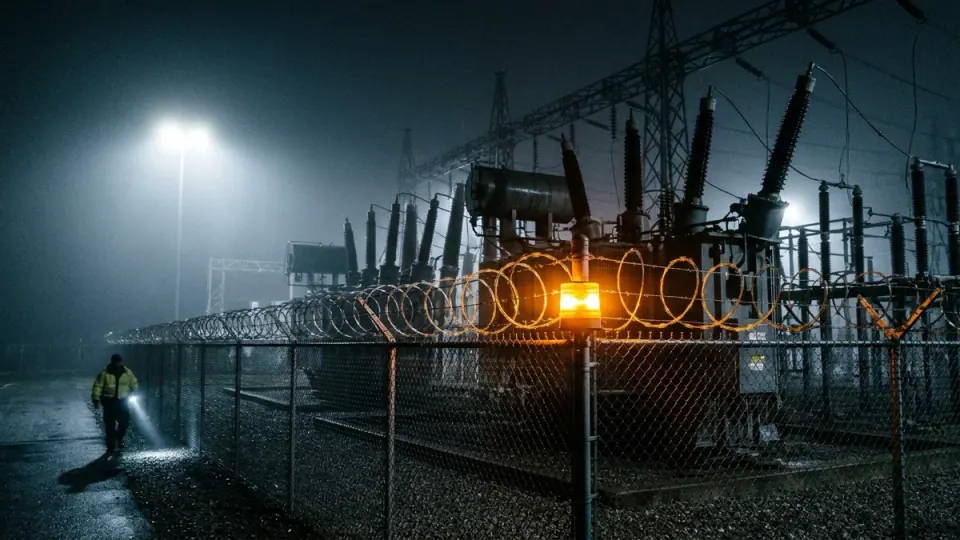
Cascading SCADA Infiltration
Sophisticated state-sponsored threat actors have breached industrial control systems across regional power grids and municipal water utilities, deploying destructive firmware wiper malware that permanently burns out critical transmission equipment.

Undersea Fiber Severance and Baltic Gray-Zone Sabotage
Recent multi-point severances of undersea fiber optic trunk lines in the Baltic and Red Seas expose the fragile physical chokepoints sustaining 99 percent of intercontinental internet traffic and financial clearing systems.

Comms in a Collapse
In a post-collapse world, reliable communication is key to survival. Learn how to stay connected using ham radio, satellite phones, and other comms techniques to stay one step ahead of the chaos.