The Ultimate 72 Hour Emergency Kit Checklist
A technical and detailed checklist for assembling a three day emergency survival kit, covering water, nutrition, first aid, shelter, and tools.
Introduction to Emergency Preparedness
An emergency kit is a collection of basic items your household may need in the event of an emergency. Most emergency services recommend preparing a kit that can support each individual for at least seventy two hours. This duration is selected because it represents the typical window required for emergency crews to reestablish basic public services, clear roads, and set up distribution centers. A well planned kit provides the self reliance needed to survive this critical initial period.
When building an emergency kit, you must focus on physical survival needs first. These include hydration, core temperature regulation, medical care, and basic nutrition. Secondary needs include communication, navigation, and tools to modify your environment. Each item in the kit should be selected for its durability, weight, and utility. Storing these items in a single, portable container, such as a heavy duty backpack, ensures you can evacuate quickly if necessary.
- Plan for at least three days of complete self reliance for each person.
- Prioritize water, warmth, and medical supplies over tools and comfort items.
- Keep all items in a portable, water resistant container.
- Verify the expiration dates of food, water, and batteries twice per year.
- Adapt the kit to the specific climate and physical needs of your family members.
1. Water and Hydration Systems
Water is the single most critical resource for survival. A human body can survive only three days without water, and dehydration rapidly impairs physical strength and cognitive decision making. The standard guideline is to store one gallon of water per person per day. This allocation provides three quarts for drinking and one quart for basic hygiene and food preparation. For a seventy two hour kit, this means storing three gallons of water per person.
In addition to stored water, your kit must include tools to purify water gathered from environmental sources. Stored water is heavy, weighing approximately eight point three pounds per gallon, making it difficult to transport on foot. Including filtration and chemical purification tools allows you to replenish your supply from rain, streams, or municipal leaks.
- Store three gallons of water per person in durable, food grade plastic bottles.
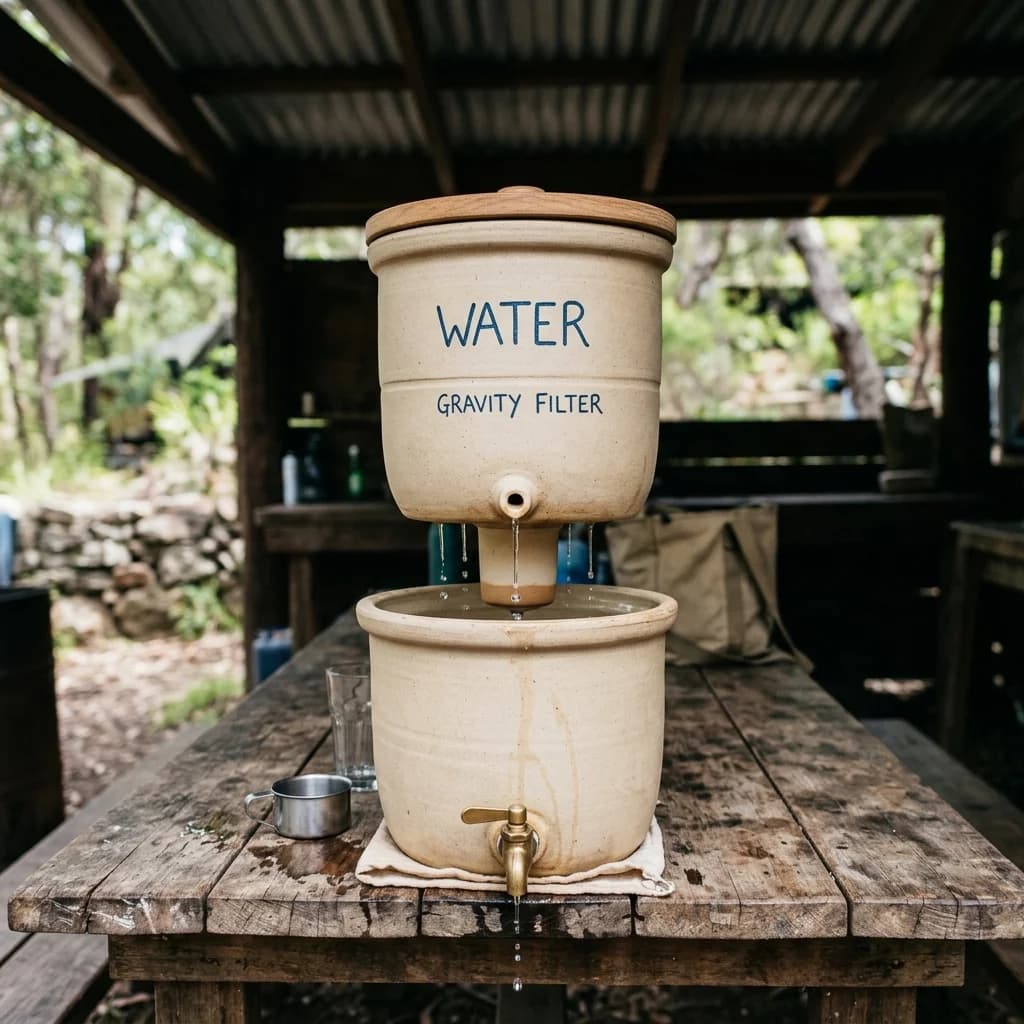
- Include a portable gravity water filter or hollow fiber membrane filter.
- Add one hundred chlorine dioxide water purification tablets for backup chemical treatment.
- Carry a single wall stainless steel water bottle to allow for boiling water over an open fire.
- Include a manual siphon pump for extracting water from household heaters or storage tanks.
2. Food and Nutrition
Nutrition in a survival situation must focus on caloric density, shelf stability, and ease of preparation. During a crisis, your body experiences increased stress, requiring stable caloric intake to maintain energy levels. Avoid foods that require cooking, addition of water, or refrigeration, as these processes consume valuable resources.
Select foods with a shelf life of at least two to five years. Freeze dried meals, energy bars, canned meats, and dry grains are ideal. Ensure your kit includes a manual can opener, as electronic models will be useless during a power outage. Additionally, carry lightweight eating utensils and a small camp stove with fuel if you plan to heat freeze dried meals.
- Pack food providing at least two thousand calories per day for each person.
- Select ready to eat canned meats, fish, fruits, and vegetables.
- Include high calorie energy bars and peanut butter jars for dense nutrition.
- Pack a manual can opener and lightweight, durable eating utensils.
- Store food in airtight plastic bags to protect it from moisture and pests.
3. First Aid and Medical Supplies
A seventy two hour kit must contain a comprehensive first aid kit designed to manage trauma and minor injuries. During a disaster, emergency medical services may be unavailable, forcing you to treat lacerations, burns, and fractures yourself. The first aid kit should be stored in a clearly marked, waterproof container.
Focus on trauma supplies first. These include sterile dressings, pressure bandages, and tourniquets to control bleeding. Minor wound care items, such as adhesive bandages, antiseptic wipes, and burn creams, are also necessary. Finally, ensure you include a supply of prescription medications and basic over the counter pain relievers.
- Pack a windlass tourniquet to control arterial bleeding from limbs.
- Include multiple sterile gauze pads, pressure dressings, and medical tape.
- Add antiseptic wipes, triple antibiotic ointment, and burn gel packets.
- Pack a seven day supply of all essential prescription medications.
- Include over the counter medications, including pain relievers and antihistamines.
4. Shelter and Warmth
Maintaining core body temperature is essential to prevent hypothermia or heat stroke. If you are forced to evacuate your home, you may face exposure to wind, rain, and extreme temperatures. Your kit must include lightweight shelter options and clothing layers to protect you from the elements.
Mylar space blankets are a basic requirement, as they reflect up to ninety percent of body heat while taking up minimal space. For more substantial protection, include a compact tube tent or tarp with paracord. Heavy duty rain ponchos protect you from wet weather while keeping your hands free to carry gear or navigate obstacles.
- Pack two mylar emergency blankets per person to reflect body heat.
- Include a lightweight, waterproof tarp and fifty feet of durable paracord.
- Add heavy duty rain ponchos to keep clothing dry during travel.
- Pack a complete change of warm clothing, including wool socks and a hat.
- Include multiple chemical hand warmers to prevent extremity numbness.
5. Communications, Navigation, and Tools
Maintaining contact with the outside world and navigating unfamiliar terrain are critical during a regional evacuation. A hand crank radio allows you to receive emergency broadcasts from local authorities without relying on the electrical grid or cellular networks.
Tools should be selected for their versatility. A multi tool combines pliers, wire cutters, knives, and screwdrivers into a single compact device. Heavy duty work gloves protect your hands from glass, hot metal, and debris during rescue or shelter construction efforts.
- Include a hand crank AM FM weather radio with a built in USB port.
- Pack a compass and physical topographic maps of your local county and state.
- Add a loud whistle for signaling rescuers if you become trapped.
- Carry a multi tool containing pliers, wire cutters, and screwdrivers.
- Pack heavy duty leather work gloves to protect hands from debris.
6. Personal Hygiene, Sanitation, and Documents
Sanitation is a critical factor in preventing disease outbreaks during a crisis. Without running water or municipal waste collection, personal hygiene standards quickly drop, leading to bacterial infections. Pack wet wipes, hand sanitizer, and heavy duty trash bags to manage waste.
Finally, protect your essential documents. Copy your identification, insurance policies, and medical records onto a USB drive and store it, as well as paper copies and emergency cash, in a waterproof document bag.
- Pack wet wipes and alcohol based hand sanitizer for waterless hygiene.
- Include heavy duty trash bags and plastic ties for waste disposal.
- Add a small travel toothbrush and paste for dental health.
- Store paper copies of identification and insurance in a waterproof bag.
- Keep cash in small bills, as merchants cannot accept credit cards.
Checklist Verification Table
The table below summarizes the essential components of a seventy two hour emergency kit, categorized by priority and storage requirements.
| Kit Section | Essential Item | Quantity (Per Person) | Primary Purpose | | :--- | :--- | :--- | :--- | | Hydration | Stored Water | 3 Gallons | Drinking and basic hygiene | | Hydration | Water Filter | 1 Unit (per family) | Purifying environmental water | | Nutrition | Canned & Dry Food | 6000 Calories | Maintaining energy levels | | Medical | First Aid Kit | 1 Kit (per family) | Managing trauma and wounds | | Warmth | Mylar Blanket | 2 Units | Reflecting core body heat | | Warmth | Rain Poncho | 1 Unit | Weather protection | | Tools | Multi Tool | 1 Unit | Mechanical repairs and utility | | Tools | Crank Radio | 1 Unit (per family) | Receiving emergency broadcasts | | Sanitation | Trash Bags | 10 Units | Waste containment | | Documents | Waterproof Bag | 1 Unit | Protecting financial records |
Building an emergency kit requires careful planning and regular maintenance. Check your supplies every six months to replace expired food, check battery charge levels, and rotate water bottles. Taking these steps ensures that if a crisis occurs, your household is ready to survive the first seventy two hours.