The Collapse of Our Food Security

The global food supply chain is an audacious experiment in hyper-interconnected vulnerability. We examine how fertilizer shocks, aquifer depletion, and three-day retail buffers threaten agricultural stability.
# The Collapse of Our Food Security: A Harbinger of Societal Downfall
Walk into any suburban supermarket at noon on a Tuesday and the abundance looks permanent: forty kinds of breakfast cereal, year-round berries flown from Peru, chilled beef wrapped in plastic trays. That visual illusion hides one of the thinnest operational margins in modern civilization. Most urban and suburban grocery stores carry roughly 72 hours of high-turnover food inventory on their shelves and backroom pallets—a fragility built into just-in-time supply chains. Warehouses hold another week or two of staple dry goods, while regional cold-storage depots depend entirely on continuous grid electricity and uninterrupted diesel deliveries.
When those links fracture—whether through refinery shutdowns, rail strikes, currency crises, or synchronized crop failures—abundance vanishes before emergency agencies can draft a rationing plan. History shows that societies rarely collapse over abstract GDP numbers; they fracture when working households spend half their income on bread and cooking oil and still walk away from empty counters.
The Four Fault Lines Under Industrial Agriculture
Modern agriculture feeds eight billion people not through biological resilience, but through an engineered dependency on cheap fossil energy, stable weather windows, and open maritime trade. Four compounding pressures are now pushing that system past its shock-absorption limits:
- 01.Topsoil Mining and Aquifer Drawdown: Across the American High Plains, the North China Plain, and India's Punjab breadbasket, industrial irrigation pumps pull water out of deep aquifers far faster than rainfall recharges them—hydrological stress documented extensively by the USGS Water Resources Mission Area. In parts of the Ogallala Aquifer, saturated thickness has dropped past the point of economical pumping. Meanwhile, decades of intensive tillage and bare winter fields have stripped organic carbon from topsoil, accelerating a global collapse in soil health and leaving crops far less able to hold moisture during dry spells.
- 02.Climate Volatility Across Breadbasket Windows: Agriculture does not fail solely because average annual temperatures tick upward by a degree or two. It fails when heat domes—tracked via satellite thermal and vegetation anomalies on NASA Earth Observatory—hit corn during its two-week pollination window, when unseasonal hail flattens ripening winter wheat, or when atmospheric rivers flood river barges and wash out rail beds right at harvest.
- 03.Just-in-Time Processing Bottlenecks: Consolidation turned regional slaughterhouses, grain elevators, and cold-chain hubs into giant single-point-of-failure chokepoints. When a cyberattack, power outage, or labor walkout halts a handful of major meatpacking or fertilizer plants, farmers are forced to euthanize livestock or leave crops unharvested even while grocery aisles sit bare a hundred miles away.
- 04.Export Hoarding and Political Panic: Roughly 70 percent of global caloric intake still leans heavily on wheat, rice, maize, and soy grown in five major exporting regions. Whenever drought or war threatens domestic harvests, exporting governments instinctively slap tariffs or outright bans on grain shipments—as India has done repeatedly with non-basmati rice—instantly exporting inflation and street unrest to import-dependent nations, a cycle tracked continuously in the World Bank Food Security Update.
Eating Fossil Fuels: The Energy Equation Behind Every Calorie
Few urban consumers realize how literally modern food is manufactured out of oil and natural gas. Remove cheap hydrocarbons from the farm and caloric output plunges long before a single tractor breaks down.
The foundation of global grain yields is the Haber-Bosch process, which synthesizes atmospheric nitrogen into ammonia fertilizer under immense heat and pressure using natural gas both as feedstock and fuel—a tight coupling explored in our global fertilizer-diesel famine nexus analysis. Roughly half the protein in the human population today traces back to synthetic nitrogen applied to fields. When natural gas prices spike in Europe or Asia—dynamics tracked in the U.S. EIA Short-Term Energy Outlook—ammonia plants shut down first because operating at a loss makes no commercial sense. Farmers respond the following spring by cutting fertilizer application rates—locking lower yields into the global grain balance six to twelve months later.
Every step after planting multiplies that energy debt. Diesel drives combines, grain dryers running on propane prevent stored corn from molding in silos, diesel locomotives haul unit trains to export terminals, and refrigerated freighters move perishable produce across oceans. Even municipal water pumping and wastewater sanitation around food-processing corridors collapse within days of a sustained regional blackout. Treating food security as an agricultural issue separate from energy and diesel logistics is a fatal blind spot.
Beyond the Fantasy Garden: Practical Resilience Strategies
When food-chain stress turns acute, glossy survival advice telling people to "plant a backyard garden" gets people in trouble fast. Growing enough calories to feed a family of four on a quarter-acre lot from scratch takes years of soil building, serious seed reserves, pest control, and preservation gear—not a packet of cherry tomato seeds bought in panic during a supply crunch. Real preparedness works in layers, starting with how to prepare your food supply for immediate caloric buffers and moving gradually toward local production.
Build a Deep-Pantry Calorie Foundation
Focus first on dense, shelf-stable base calories you already know how to cook rather than overpriced novelty freeze-dried buckets, following Ready.gov emergency food storage principles:
- Dry Staples: White rice (far longer shelf life than oily brown rice), hard red winter wheat berries, rolled oats, dried pinto and black beans, lentils, and yellow split peas packed in food-grade buckets with Mylar liners and oxygen absorbers can remain edible for 15 to 25 years in cool, dark storage.
- Fats, Salt, and Micronutrients: Dry grains without fat cause rapid weight loss and morale collapse. Rotate stocks of olive or refined coconut oil, ghee, canned meats and fish, salt for both cooking and fermentation, bulk spices, and multivitamins.
- Off-Grid Cooking Capability: Storing fifty pounds of dry beans means nothing if you lack the fuel and water to simmer them for two hours. Pair dry staples with a pressure canner or insulated thermal cooker ("wonderbox") to cut propane or firewood demand by 70 percent, backed by safe outdoor rocket stoves or camp stoves.
Prioritize High-Calorie Crops and Livestock Reality
Once a six-to-twelve-month pantry covers immediate shocks, shift outdoor space toward crops that deliver real energy per square foot: potatoes, sweet potatoes, winter squash, dry bush beans, and Jerusalem artichokes. Fruit trees, berry brambles, and nut trees require years to establish, which is exactly why planting them before a crisis matters. Small livestock like laying hens or meat rabbits convert kitchen scraps and weeds into high-value protein, provided you store enough starter feed and secure coops against two- and four-legged predators.
Anchor Into Local Producers Before Shelves Empty
No lone household stores everything indefinitely. Identify regional grain mills, orchards, dairy farms, and independent butchers within fifty miles while roads are open and cash still buys goodwill. Buying half a steer, bulk potatoes, or raw honey directly from local producers builds commercial trust long before wholesale distributors start rationing deliveries to big-box chains.
Looking Ahead Without Illusions
Food insecurity rarely announces itself as total famine overnight in industrialized nations. It arrives first as shrinking package sizes, vanished specialty items, purchase caps on cooking oil and poultry, and steep price spikes pushing lower-income households out of fresh produce altogether. Waiting for emergency broadcasts before building a pantry places you in the same panicked queue chasing three days of store inventory. Quietly stacking calories, monitoring agricultural and commodity stress metrics in our Data Center, and learning basic preservation builds real household margin.
Authoritative Sources & Further Reading
Real-time geospatial feed aggregating USGS M5.0+ earthquakes, NASA EONET wildfires, volcanoes, severe storms, UN/EC GDACS alerts, and NOAA geomagnetic status.
Related Reports & In-Depth Intel

10 Global Risks That Experts Say Are Rising
A technical review of the ten primary global threats to infrastructure, finance, and ecology currently identified by risk analysts.
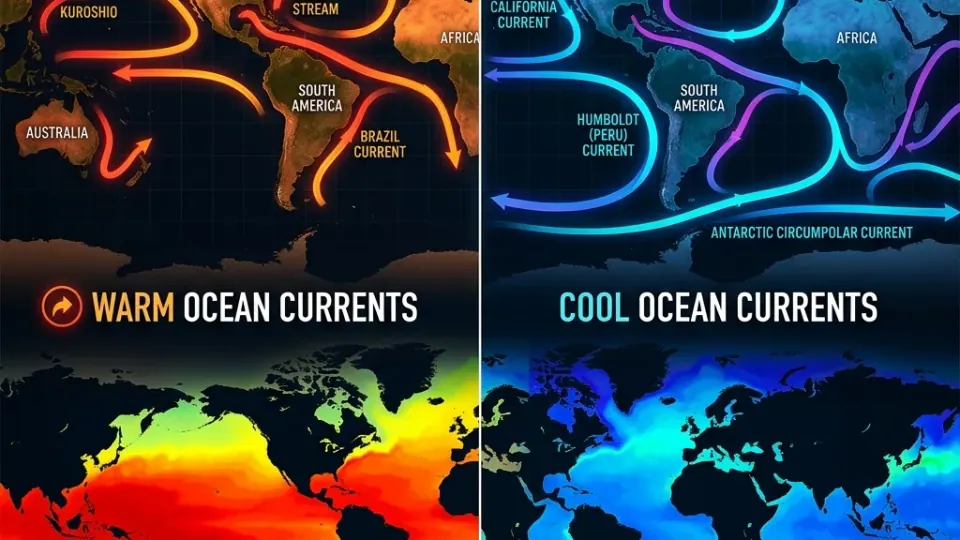
Differences between El Niño and La Niña.
Understanding the distinct thermodynamic mechanisms, trade wind dynamics, and ecological consequences that separate El Nino and La Nina.
The End of Cheap Oil
When will the world's oil reserves actually run out? We dissect the math behind proven reserves, rising extraction costs, and the systemic shock of the post-petroleum era.

Essential Water Purification Techniques for Disaster Scenarios
Clean drinking water is the first casualty in any major disaster. A comprehensive guide to boiling, chemical disinfection, microfiltration, and solar distillation for emergency preparedness.