The Nitrogen Trap
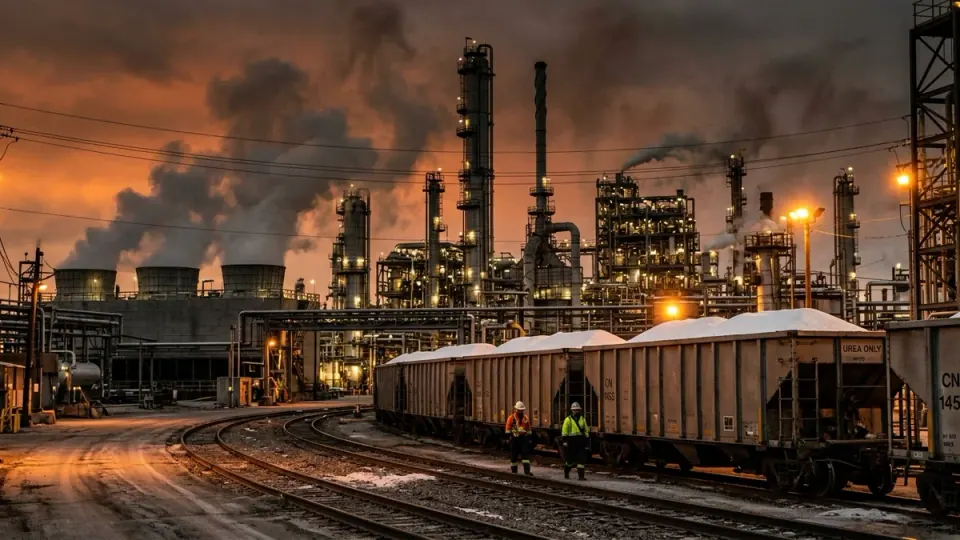
As natural gas feedstocks tighten and Middle Eastern ammonia export terminals face blockade risks, global synthetic nitrogen prices have surpassed historic peaks. We model the 2027 agricultural deficit and the return of food nationalism.
# The Nitrogen Trap: Geopolitics of the Global Fertilizer Embargo and the Looming Agricultural Deficit
Half of the nitrogen atoms in the eight billion human bodies on Earth do not originate from natural biological cycles; they are synthesized in high-pressure Haber-Bosch chemical reactors using methane as a feedstock and energy source. Modern human civilization is, in the most literal chemical sense, a product of fossil-fueled industrial agriculture.
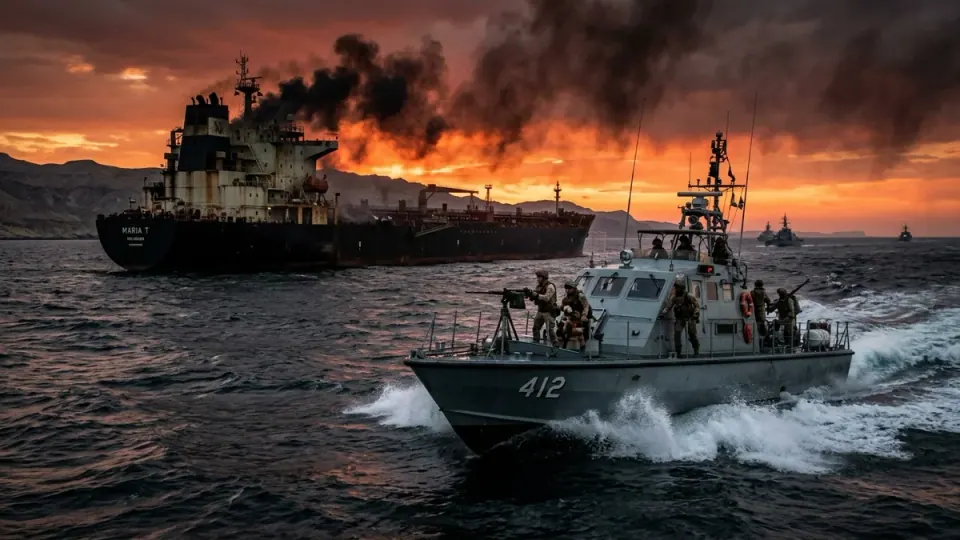
In late 2026, the fragile geopolitical scaffolding supporting global synthetic fertilizer production began to buckle. The simultaneous closure of maritime transit lanes through the Red Sea and Suez corridor and the Persian Gulf and Strait of Hormuz—bottlenecks profiled in the U.S. EIA World Oil Transit Chokepoints assessment—coupled with strict export restrictions on Russian and North African natural gas, severed global trade routes for anhydrous ammonia, urea, and diammonium phosphate (DAP). We are entering what agronomic intelligence agencies describe as "The Nitrogen Trap"—a structural shortfall in synthetic crop nutrients that will translate directly into multi-million-ton grain deficits by mid-2027.
The Chemistry of Famine: Natural Gas to Bread
Synthetic nitrogen fertilizer is not a commodity that can be substituted. Unlike phosphorous or potassium, which can be banked in soil over multiple seasons, nitrogen is water-soluble and highly volatile; crops require fresh applications every planting cycle to produce grain heads:
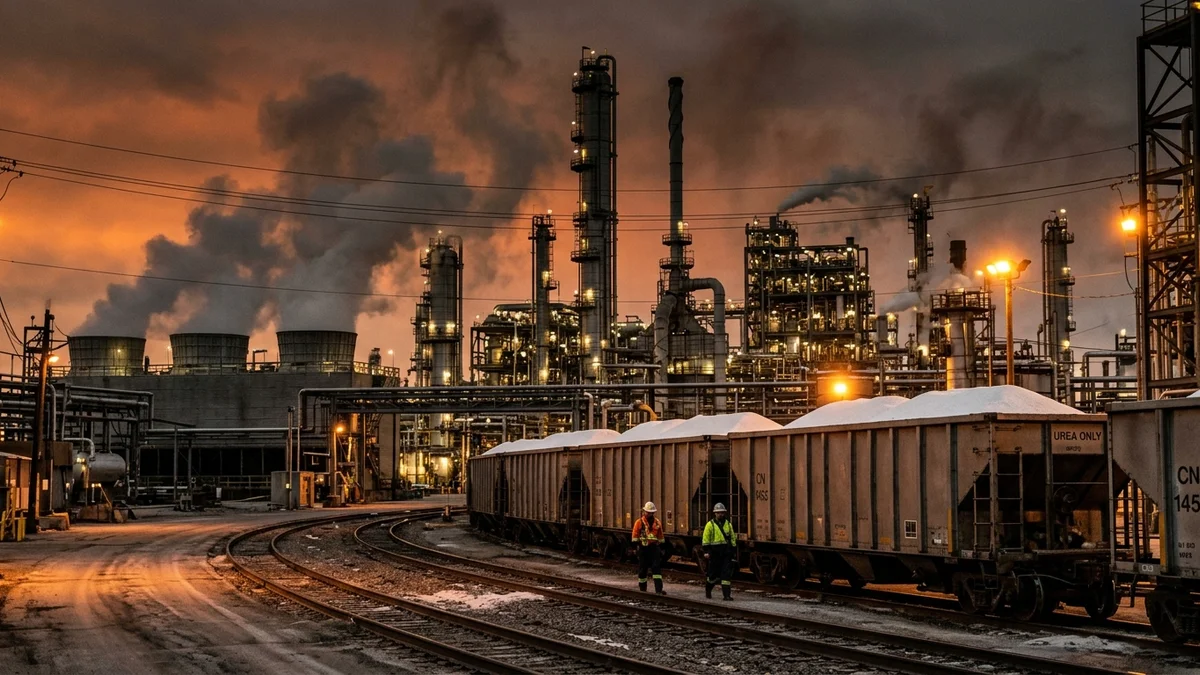
The economic mechanics of the current supply collapse rest on three critical choke points:
- 01.Methane Feedstock Disruption: Natural gas accounts for seventy to eighty percent of the operating cost of synthesizing ammonia ($NH_3$). With liquefied natural gas (LNG) diverted toward heating and emergency power in Europe and East Asia—tightening balances tracked by the International Energy Agency (IEA)—high gas prices documented in the World Bank Commodity Markets Outlook have forced the curtailment of commercial fertilizer plants across the Mediterranean and South Asia.
- 02.The Arabian Gulf Ammonia Bottleneck: Saudi Arabia, Qatar, and the UAE represent over twenty-five percent of globally traded merchant ammonia and urea. Maritime skirmishes in the Persian Gulf and Red Sea have trapped bulk chemical tankers, stranding millions of tons of dry granular urea away from Latin American and African grain belts.
- 03.Russian Quota Locking: While Russian fertilizer remains formally exempt from certain Western sanctions, logistics bottlenecks, port restrictions in the Baltic, and retaliatory export quotas have locked significant volumes within bilateral Eurasian clearing accounts.
Crop Yield Projections and Food Balance Sheets
The relationship between nitrogen application and cereal grain yield is direct and predictable. When farmers under-apply nitrogen by thirty percent due to prohibitive pricing or physical scarcity, staple cereal yields (corn, wheat, rice) decline by fifteen to twenty-five percent across broadacre farming systems.
| Region / Crop Basin | Fertilizer Availability Deficit | Projected 2027 Yield Contraction | Sovereign Economic Risk |
|---|---|---|---|
| Sub-Saharan Africa (Maize/Sorghum) | -45% to -60% | -30% to -40% | Acute famine, humanitarian dependency |
| South America (Cerrado Soy/Corn) | -20% to -35% | -12% to -18% | Currency devaluation, trade balance shocks |
| South Asia (Indo-Gangetic Rice/Wheat) | -25% to -40% | -15% to -22% | Food subsidies exhaustion, civil unrest |
| North America (Midwest Corn Belt) | -10% to -15% | -5% to -10% | Farm bankruptcy waves, retail food inflation |
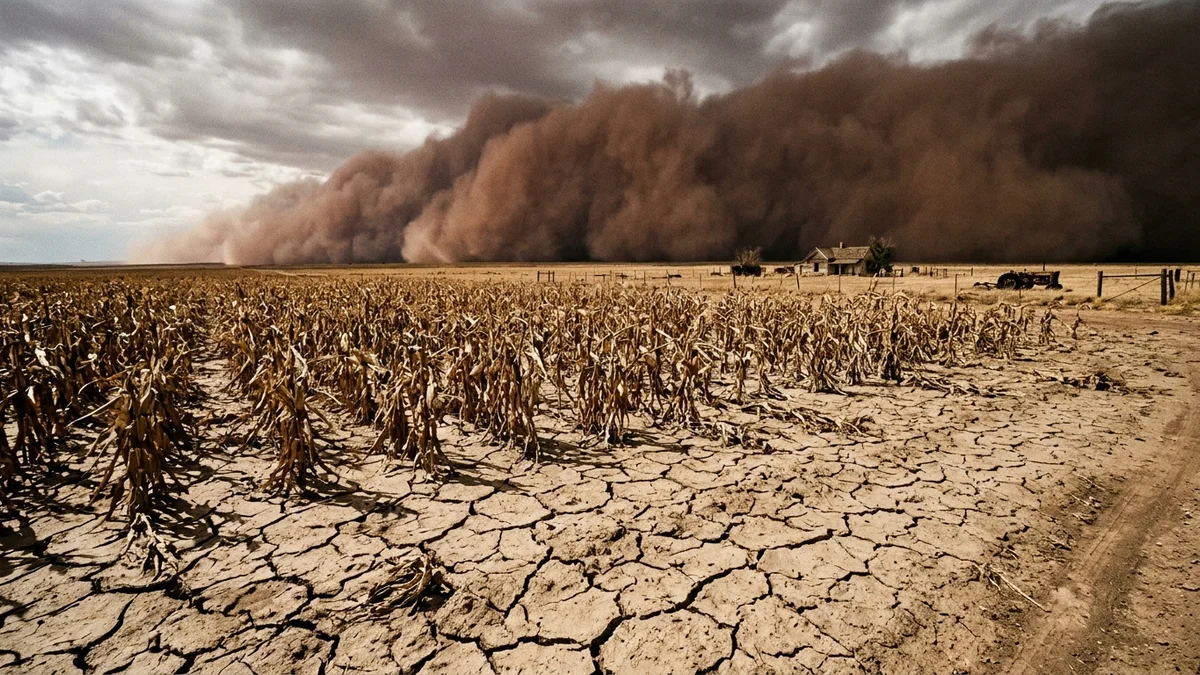
Developing nations with depleted foreign exchange reserves—such as Egypt, Pakistan, Nigeria, and Bangladesh—are completely priced out of international spot fertilizer tenders, deepening acute caloric vulnerability monitored by the Famine Early Warning Systems Network (FEWS NET). Lacking domestic ammonia plants, these nations face catastrophic domestic crop failures, accelerating rural-to-urban migration and destabilizing sovereign governments—a dynamic compounding El Niño-driven fertilizer shocks.
The Cascade to Agricultural Protectionism
As global grain inventories drop toward sixty-day consumption buffers and benchmark agricultural indices rise across the FAO Food Price Index, the international grain trade is freezing under a wave of export bans. Over thirty nations have enacted export controls on rice, wheat, and vegetable oils—accelerating commodity stagflation across global rice and staple harvests—to protect domestic grocery store shelves, reproducing the predatory mercantilism of the 1970s food crises.
The lesson of the 2026 nitrogen crisis is stark: a food system built entirely on just-in-time global petrochemical logistics is inherently brittle. When the chemical pipeline breaks, the consequence is not financial loss; it is systemic starvation unless communities rebuild closed-loop soil fertility and caloric resilience.
Real-time geospatial feed aggregating USGS M5.0+ earthquakes, NASA EONET wildfires, volcanoes, severe storms, UN/EC GDACS alerts, and NOAA geomagnetic status.
Related Reports & In-Depth Intel

The Three-Carrier Stalemate
With the USS Theodore Roosevelt entering the theater alongside two forward carrier groups after IRGC drone strikes on Bahrain's Al-Rifaa base, markets face a treacherous 'no-war, no-peace' energy chokepoint that neither Washington nor Tehran can cleanly unwind.
Living Off the Land
As state-sponsored operators replace noisy malware with native administrative credentials across power and water SCADA systems, the insurance market is quietly dropping critical infrastructure coverage. We analyze the financial and strategic unraveling of the grid.

Strategic Assessment: The Moscow-Tehran Axis and Western Energy
A comprehensive geostrategic evaluation of the deepening Moscow-Tehran military-economic alignment, the weaponization of Middle Eastern maritime chokepoints, and the resulting multi-year Western energy deficit.
Analysis of the 2026 Middle East War
The 2026 conflict between the US, Israel, and Iran has triggered a systemic global economic shock, closing the Strait of Hormuz and disrupting energy, semiconductor, and food supply chains.