Systemic Risk Report
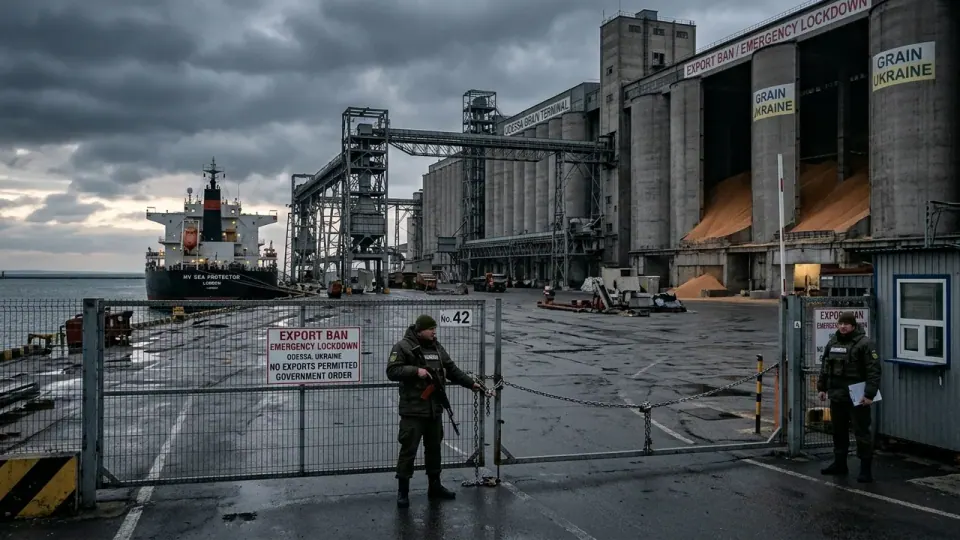
The unprecedented atmospheric disruptions triggered by the ongoing Super El Niño have devastated staple crop yields across South Asia and West Africa, unleashing a destructive wave of sovereign export bans, currency devaluations, and global caloric stagflation.
The global agricultural trading matrix—a finely tuned, just-in-time logistics apparatus designed to equalize localized food surpluses and deficits across continents—has entered a phase of structural breakdown. Over the past twelve months, the thermodynamic footprint of the most intense and protracted Super El Niño event on modern record, tracked in the NOAA Climate Prediction Center ENSO diagnostic updates, has destabilized the fundamental meteorological cycles governing planetary food production. From the parched paddy basins of the Indo-Gangetic Plain and the saline-intruded Mekong Delta to the fungal-blighted cocoa plantations of Ghana and Côte d'Ivoire, foundational calorie and soft-commodity yields have collapsed simultaneously across multiple hemispheres, driving broken harvests across major El Niño breadbaskets.
The market response has been swift, vicious, and unprecedentedly protectionist. Confronted with skyrocketing domestic food prices and the imminent threat of urban civil unrest, sovereign governments across the developing world have dismantled decades of free-trade commitments. In rapid succession, agricultural ministries in New Delhi, Hanoi, Bangkok, and Jakarta enacted sweeping export embargoes, tariffs, and mandatory domestic reserve quotas covering non-basmati white rice, broken rice, palm oil, and raw sugar.
By withdrawing over forty-four percent of the globally traded rice volume from international commercial circulation, these sovereign protectionist measures have triggered an explosive pricing shock. For import-dependent populations across West Africa, the Middle East, and maritime Southeast Asia, the cost of baseline caloric survival has diverged violently from wage earnings, initiating a severe, protracted wave of food-driven stagflation.
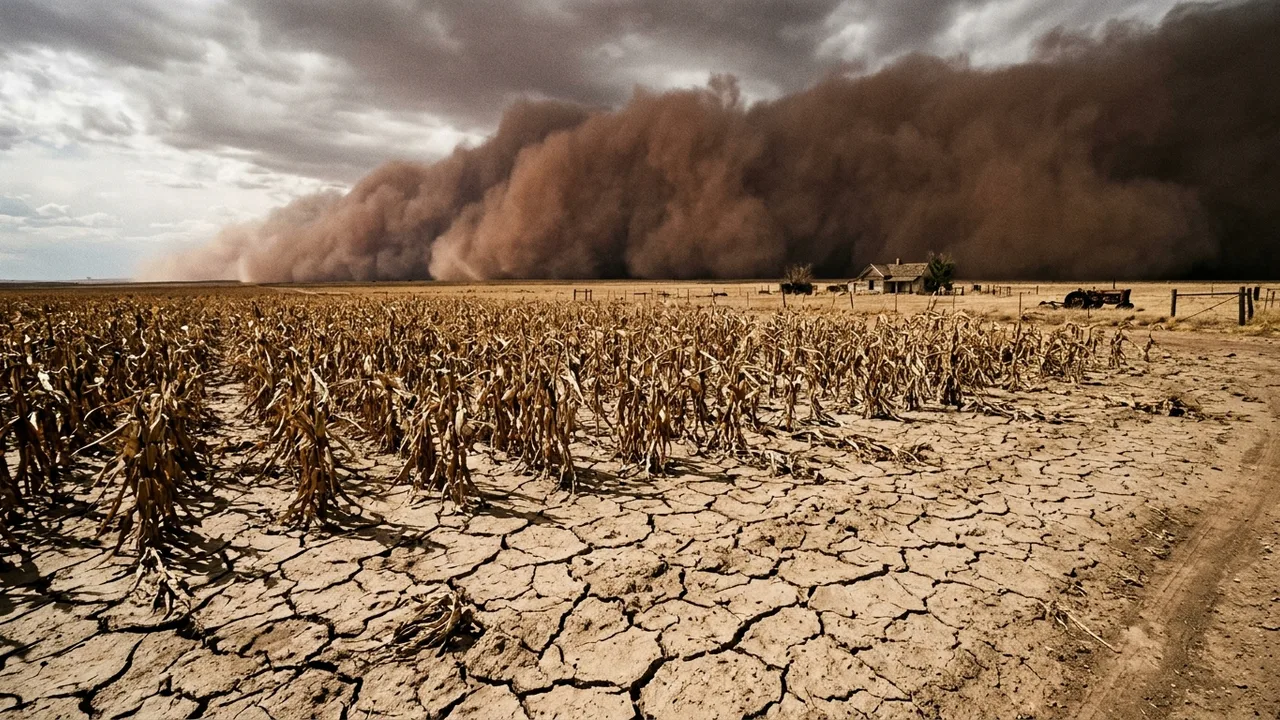
The Meteorology of Compound Agricultural Failure
To analyze this crisis quantitatively, one must examine how the 2024–2026 oceanic thermal anomaly disrupted regional weather systems. Under standard non-El Niño conditions, the Pacific Walker circulation drives warm surface waters westward, fostering deep atmospheric convection and copious monsoonal rains over the agricultural belts of South and Southeast Asia. During the current Super El Niño, this atmospheric convective cell shifted eastward across the central Pacific, replacing regular monsoon rainfall with persistent, high-pressure atmospheric heat domes and catastrophic moisture deficits:
- 01.The South Asian Monsoonal Deficit: Rainfall across major kharif rice-growing states in India, including Uttar Pradesh, West Bengal, and Bihar, fell twenty-eight percent below historical decadal medians. Simultaneously, groundwater aquifers—already depleted by decades of subsidized tube-well extraction—dropped past the operational depth of municipal electric pumps, causing catastrophic field dry-out during the critical flowering and grain-filling stages.
- 02.Mekong Delta Saline Intrusion: Drought-induced low freshwater discharge in the Mekong River allowed marine tides from the South China Sea to penetrate up to ninety kilometers inland. Salinity levels in the irrigation canals of Vietnam's primary rice bowl exceeded four grams per liter, sterilizing over 320,000 hectares of paddy soils and rendering secondary winter-spring harvests entirely non-viable.
- 03.The West African Black Pod Disease Epidemic: Conversely, in the Gulf of Guinea, anomalous sea-surface temperatures caused erratic, torrential downpours alternating with intense thermal spikes. In Côte d'Ivoire and Ghana, which together account for nearly sixty percent of global cocoa bean supply, chronic waterlogging triggered an uncontrollable outbreak of Phytophthora megakarya (Black Pod disease) and Cocoa Swollen Shoot Virus (CSSV), annihilating over forty percent of the harvest.
| Commodity Class | Global Deficit (% YoY) | Dominant Exporting Restriction |
|---|---|---|
| Non-Basmati Rice | -18.4% (Historic Low) | Full Sovereign Export Ban (India) |
| Cane Sugar (Raw) | -12.1% (3rd Year Loss) | 50% Export Quota Reductions |
| Raw Cocoa Beans | -38.6% (Structural) | Processing Plant Shutdowns |
| Crude Palm Oil | -9.2% (Drought Yield) | Domestic Market Obligation (DMO) |
The data compiled in the table illustrates the severity of the supply contraction, echoing monthly volatility captured by the FAO Food Price Index. Unlike industrial manufactured goods, agricultural commodities cannot be replenished through emergency overtime shifts or robotic automation. Once a biological growing season is lost to drought, salinization, or viral pathogen proliferation, the caloric deficit remains fixed in the physical economy until the subsequent annual harvest cycle.
The Geopolitics of Sovereign Food Protectionism
When foundational food supplies become scarce, international treaties, trade agreements, and bilateral diplomatic partnerships dissolve instantly. Every national government recognizes that hunger is the absolute trigger for regime instability, riots, and state breakdown. Consequently, sovereign food policy has shifted aggressively from global market integration to weaponized food nationalism:
- India's Domestic Buffer Doctrine: Recognizing that its massive 1.4-billion population could not withstand a forty percent surge in staple food costs without catastrophic social unrest, the Indian government locked down its domestic buffer stocks. Despite diplomatic appeals from neighboring Bangladesh, Nepal, and African nations, New Delhi prioritized domestic price suppression over international food security commitments.
- The African Caloric Squeeze: Nations such as Nigeria, Senegal, and Benin, which rely on imported Asian rice for over sixty percent of their urban grain consumption, experienced sudden domestic retail price spikes of up to 130 percent—acute food-access alerts monitored by the Famine Early Warning Systems Network (FEWS NET). Unable to access international commercial credit lines to subsidize imports at elevated Chicago Board of Trade prices, African central banks saw their national currencies plunge into rapid depreciation spirals against the US dollar, accelerating sovereign debt and food-system fragility.
- Corporate Soft-Commodity Rupture: In the luxury and confectionery sectors, the catastrophic cocoa shortage caused ICE London and New York cocoa futures to shatter all-time historical records, trading above $12,500 per metric ton. Multinational food conglomerates were forced to shutter regional processing plants, reformulate products with synthetic vegetable oils and fillers, and pass double-digit price increases onto consumers, accelerating broader consumer basket stagflation.

The Macroeconomic Spiral: Food-Driven Stagflation
The structural failure of staple agriculture has struck global central banks at their most vulnerable inflection point. Conventional monetary policy tools—such as raising benchmark policy interest rates—are designed to manage demand-side economic overheating. However, raising interest rates cannot generate monsoonal rainfall in the Mekong, reverse fungal blight in West Africa, or dredge silt from depleted irrigation reservoirs.
As food prices—which comprise over forty percent of the Consumer Price Index (CPI) basket in developing economies and twenty-two percent in middle-income nations—surge uncontrollably, consumer disposable income for non-essential goods and services is eliminated. This dynamic induces classic, entrenched stagflation documented across the World Bank Food Security Update and the IMF World Economic Outlook: stagnant economic output coupled with relentless inflation:
- 01.Domestic manufacturing sectors experience sharp contraction as consumer demand shifts exclusively toward caloric preservation.
- 02.Sovereign borrowing costs escalate as international credit rating agencies downgrade agricultural-importing nations, accelerating sovereign debt default cascades.
- 03.Currency flight toward hard currencies (primarily the US dollar and gold) starves emerging economies of the foreign exchange reserves needed to purchase critical agricultural inputs, including ammonia fertilizers and tractor diesel—compounding the global fertilizer and diesel famine nexus and guaranteeing worse crop failures in subsequent years.
Surviving the Caloric Bottleneck
The planetary food crisis of 2026 marks the end of the post-Green Revolution era of boundless, cheap global caloric abundance. The fragile assumption that international markets would always deliver food to whoever could afford to pay freight rates has been proven tragically false in the face of compound ecological failure and sovereign trade embargoes.
Surviving this era of structural agricultural instability demands immediate, fundamental reorganization across every scale of society:
- Strategic National Grain Reserves: Sovereign governments must maintain mandatory, physical six-month grain silos stored within their domestic borders, eliminating reliance on vulnerable just-in-time maritime delivery channels.
- Diversification Away from Monoculture: Agricultural systems must transition from water-intensive, drought-vulnerable white rice monocultures toward climate-hardy ancestral staples, including pearl millet, sorghum, cassava, and indigenous legumes that can withstand intense thermal stress.
- Household Caloric Decentralization: For individuals and localized communities, true food security no longer exists in superstore supply chains. Establishing decentralized, localized seed banks, non-hybrid root crop propagation beds, and hermetic grain preservation bunkers—while tracking emerging drought and supply anomalies on our Global Threat Radar—is no longer an eccentric hobby; it is the prerequisite for biological survival in a volatile, destabilized world.
Real-time geospatial feed aggregating USGS M5.0+ earthquakes, NASA EONET wildfires, volcanoes, severe storms, UN/EC GDACS alerts, and NOAA geomagnetic status.
Related Reports & In-Depth Intel
Geoeconomic Assessment: Super El Niño, Sovereign Default Cascades
An econometric evaluation of compounding climate anomalies, global agricultural commodity markets, and sovereign credit downgrades across equatorial economies. We analyze the lethal feedback loops between food price inflation, central bank paralysis, and debt default cascades.

El Niño Food Vulnerability and Global Farm Adjustments
A focused look at why El Niño exposes global rice, maize, and tree-crop supply chains—and which real-world agricultural adjustments are actually working in the field right now.
Why the Plastics Treaty Died in Geneva
After INC-5 collapsed in Busan and INC-5.2 stalled in Geneva, the Global Plastics Treaty exposed an uncomfortable truth: oil majors now need virgin polymers to survive.
Geoeconomic Analysis: Super El Niño's Multibillion-Dollar Toll
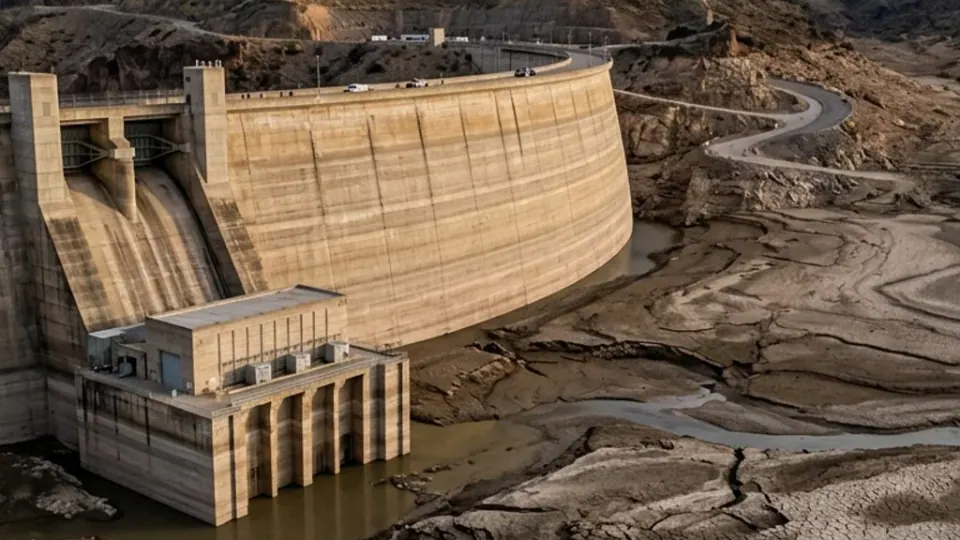
A forensic economic assessment of the ongoing ENSO anomaly. From Southeast Asian hydropower blackouts to South American grain harvest deficits, we trace the transmission channels driving structural inflation across world commodities.