Super El Niño Food Defense
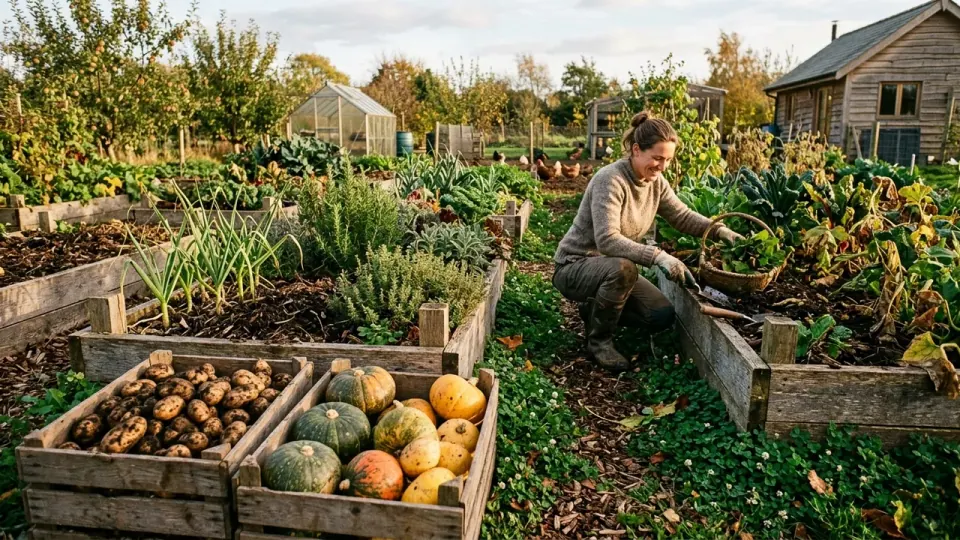
As the +1.47°C 2026–2027 Super El Niño shatters traditional planting calendars with drought-to-deluge shocks, surviving multi-year staple inflation requires combining contour rainwater harvesting, lime-ash nixtamalization to prevent deadly pellagra, and steel-lined hermetic calorie storage.
Every major global climate oscillation exposes an unforgiving nutritional truth hidden beneath normal supermarket abundance: modern urban households survive effortlessly on delicate weekly grocery deliveries, yet possess zero technical mastery over the fundamental chemistry and agronomy of bulk staple grains. When the 2026–2027 Super El Niño peak collides with the +1.47°C baseline breach—a shift visible across ocean temperature trackers in our planetary climate radar and monitored in FAO global crop prospects reports—regional grain markets experience extreme asymmetric shocks. Regions trapped beneath stationary high-pressure domes—from Southern Africa's primary maize belts to erratic dry pockets across Asia and the Americas—watch rainfed crops desiccate cleanly before flowering, while opposing cloudburst corridors drown transport roads and fill damp grain silos with toxic fungal aflatoxins.
Surviving protracted agricultural turbulence requires moving decisively beyond buying random canned goods off grocery shelves. True calorie sovereignty rests on three durable technical pillars practiced reliably across millennia yet engineered today with modern sealing science: capturing and concentrating erratic cloudburst precipitation directly inside deep-mulched root zones, protecting bulk dry maize and beans inside oxygen-free hermetic silos immune to heat-accelerated weevil outbreaks, and executing basic alkaline nixtamalization chemistry so stored corn sustains biological human vigor instead of triggering fatal vitamin deficiency diseases.
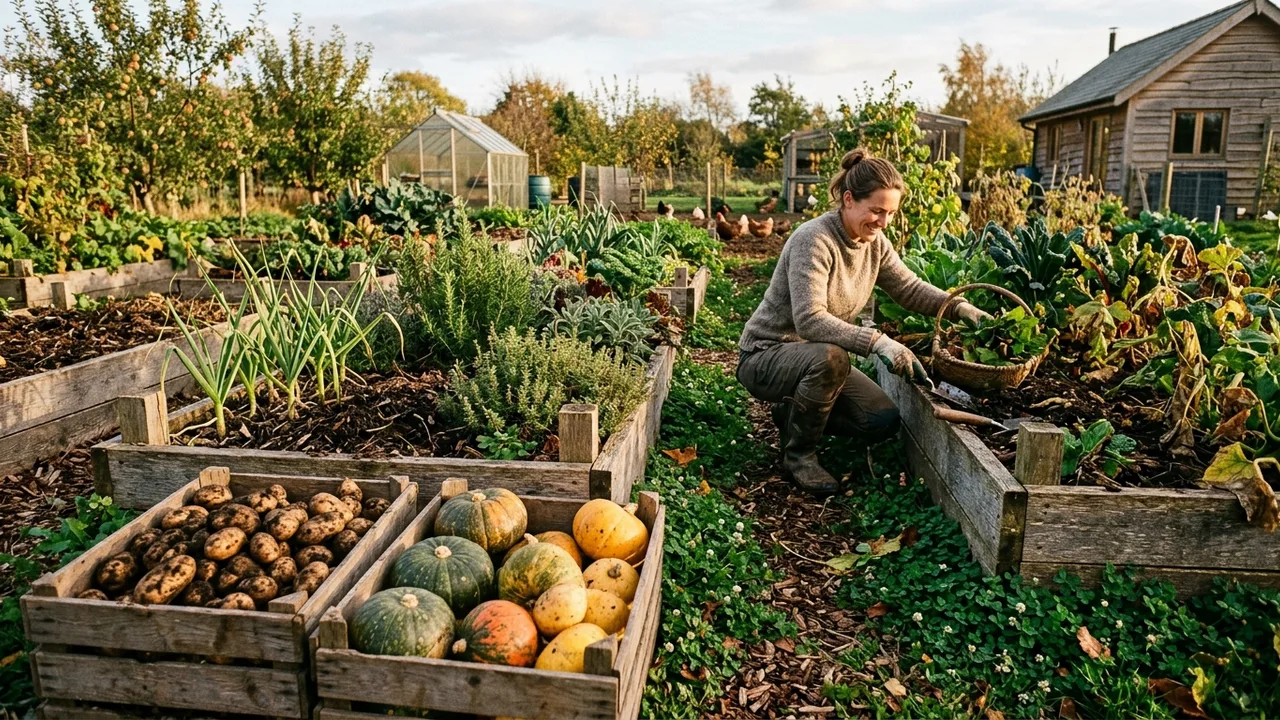
Pillar 1: Drought-to-Deluge Agronomy — Deep-Mulch Micro-Swales
Under Super El Niño "whiplash" weather regimes, annual rainfall totals frequently look deceptively adequate on paper—only to arrive as three catastrophic torrential downpours separated by ten weeks of scorching clear-sky drought. On conventional bare, tilled farm beds, intense cloudburst water races straight down compacted crust slopes within twenty minutes, stripping irreplaceable dark humus topsoil while leaving root zones dust-dry forty-eight hours later.
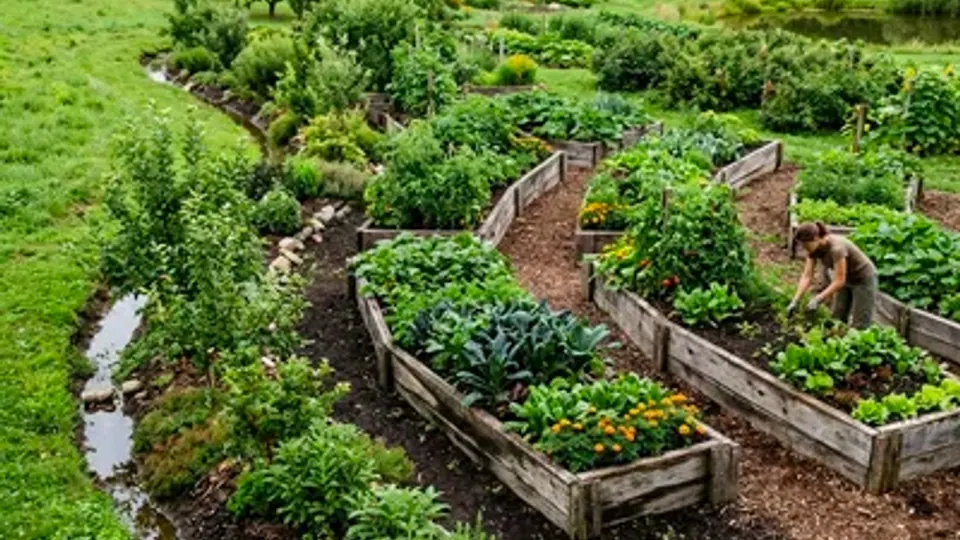
To force erratic deluge water deep into subsoil storage buffers without municipal irrigation mains, build Zero-Runoff Contour Swale and Biochar-Mulch Basins aligned with our closed-loop soil fertility and caloric crop manual and FAO Global Soil Partnership conservation practices:
- 01.On-Contour Swale Geometry: Using a cheap transparent vinyl tube water level or an
A-framecarpenter's level, stake dead-flat horizontal lines (zero slope grade) across slight hillside slopes (2% to 12% grade) above your garden beds. Excavate shallow trenches roughly45–60 cmwide and30 cmdeep directly along the contour line, piling excavated subsoil strictly onto the downhill berm. During sudden three-inch cloudbursts, surface runoff rushes downslope into the flat ditch, pools evenly along its entire contour length without breaching downhill, and infiltrates straight into the deep subterranean moisture plume sitting directly beneath your downhill planting berms!
- 02.Sponge-Zone Carbon Amendment: Incorporate coarse, nutrient-charged hardwood biochar (
10–15% by volume) mixed cleanly with finished compost into the planting berm mound prior to seeding—a moisture-retention practice formalized under USDA NRCS soil carbon amendment standards. Biochar's microscopic honeycomb pore architecture binds moisture exponentially inside sandy or baked clay matrices while feeding drought-resilient arbuscular mycorrhizal fungal networks.
- 03.Armored Soil (`15 cm Heavy Woodchip or Straw Mulch`): Bare black earth baked beneath 38°C afternoon drought sun exceeds
55°Csurface temperatures—sterilizing beneficial earthworms and flashing subsurface moisture into vapor within hours. Blanket every single square meter between plant stems under12 to 15 centimetersof coarse ramial woodchips, shredded leaves, or dry straw mulch (pulling mulch 4 cm back from tender seedling stems to deter rot), dropping afternoon root-zone soil temperatures by12–15°Cand slashing evaporative losses cleanly by sixty percent.
- 04.Drought-Adapted Open-Pollinated Flint & Flour Maize: Ditch moisture-thirsty modern F1 sweet-corn hybrids bred exclusively for mechanized chemical irrigation. Source hardy dryland flint corn, flour maize, sorghum, and drought-hardy dry cowpeas (
plus deep-rooted winter squashes shading ground canopies in classic polyculture). Because open-pollinated heirloom maize breeds true year after year, saving healthy cobs guarantees viable planting seed independent of commercial agricultural supply chains.
| Critical Parameter | Safe Multi-Year Ceiling | Failure Threshold / Hazard Mode |
|---|---|---|
| Grain Moisture Content | <= 11.0% - 12.0% (Flint Maize) | > 13.5%: Aspergillus mold / Aflatoxin |
| Storage Temperature | 10°C - 16°C (Below Grade Cellar) | > 25°C: Accelerates rancidity & pests |
| Relative Humidity (RH) | 40% - 55% Ambient Outside Seal | > 70% RH + Damaged Seal: Rapid Spoil |
| Container Oxygen (O2) | < 0.5% (3000cc+ Scavenger / Bag) | > 3.0%: Weevil & Flour Beetle Hatch |
| Structural Rodent Barrier | 200L Steel Drums / Galvanized Bin | Thin Plastic Buckets Chewed in Hours |
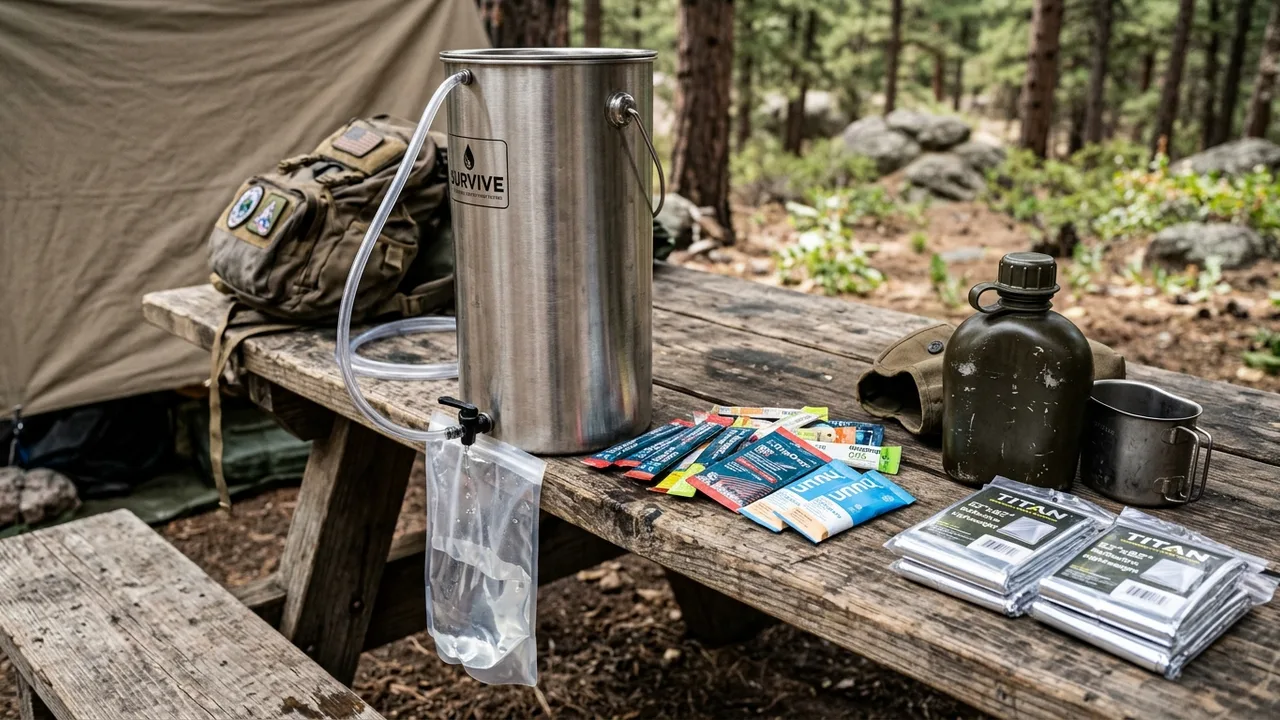
Pillar 2: Hermetic 10-Year Grain Bunkers and Aflatoxin Prevention
Acquiring or harvesting three hundred kilograms of dry field corn, hard red wheat, or dried beans achieves zero long-term security if pantry heat waves, warehouse humidity, or burrowing Norway rats destroy your stockpile silently inside thin plastic sacks. Aflatoxin—a potent, heat-resistant liver carcinogen produced by Aspergillus flavus molds flourishing inside warm, slightly damp stored corn—frequently turns salvage harvests in El Niño humidity zones silently toxic.
Constructing impenetrable Hermetic Double-Barrier Grain Drums keeps staple calories clean, insect-free, and viable for five to fifteen years without toxic chemical phosphine fumigants, expanding on our baseline guide to preparing your household food supply and Ready.gov emergency food storage principles:
- Verify Pre-Seal Moisture (`The Salt-Jar Field Test`): Never seal freshly harvested or questionable warehouse grain inside airtight liners until verified under twelve percent moisture (
<12%). Without a digital pin-probe grain meter, scoop half a cup of suspected grain kernels into a clean dry pint glass Mason jar alongside one tablespoon of ordinary non-iodized table salt, seal the steel lid tightly, shake vigorously for sixty seconds, and rest twenty minutes. If the fine salt clumps visibly or smears moist residue along the glass walls, internal grain moisture exceeds~14–15%(75% ERH)—too wet for hermetic storage! Sun-dry on black tarps (turning hourly under dry breeze) or over low gentle solar dehydrators until re-tested dry.
- Triple-Layer Oxygen Starvation (`Mylar + O2 Absorber + Steel Drum`): Line heavy-wall food-grade HDPE 20L buckets or open-head 200L steel drums (`equipped with clean EPDM lid gaskets and galvanized bolt locking rings`) using thick `7-mil` (`175 micron`) gusseted Mylar foil barrier bags. Fill with clean pre-dried dryland maize, white rice, or dried kidney/pinto beans (
do NOT include fatty brown rice or unrefined oily nuts in multi-year buckets—they go rancid regardless of oxygen removal!). Drop in properly sized iron-powder oxygen absorbers (`300cc–500cc` per 5-gallon/20L pouch; `2,000cc+` spaced throughout 200L drum liners), squeeze surplus air carefully upward, and fuse the bag mouth cleanly across two overlapping passes using a hot flat clothes-iron (at wool/cotton heat over a clean wooden edge). Within seventy-two hours, internal oxygen plunges below0.2%, asphyxiating hidden weevil eggs, larvae, and aerobic molds completely without poisoning your grain!
- Defeat Rodents With Heavy Steel Armor: Rats chew straight through woven polypropylene feed sacks, thin plastic storage tubs, and drywall within single nocturnal hours. Store stacked sealed Mylar pouches permanently inside reconditioned food-grade 200L steel drums, locked heavy galvanized steel trash cans, or concrete cellar vaults, elevated five centimeters off damp floor slabs onto rot-resistant pallet timbers (
preventing hidden bottom-rim rust pinhole leaks).
Pillar 3: Alkaline Nixtamalization — Preventing Deadly Pellagra
History records a cruel nutritional catastrophe every time populations desperate for famine calories shift heavily onto un-nixtamalized stored maize (plain boiled cornmeal, grits, or polenta). Corn possesses rich carbohydrate and oil density, yet carries a severe biochemical trap: almost all of its essential Vitamin B3 (`niacin`) sits locked tightly inside chemically bound storage molecules (niacytin and niacinogen) that human digestive enzymes cannot unlock, while corn protein simultaneously lacks sufficient tryptophan needed for your liver to synthesize niacin natively.
Historical societies surviving solely on untreated cornmeal rapidly contracted Pellagra—clinically defined in World Health Organization emergency nutrition guidance by the terrifying "Four Ds": severe sun-exposed dermatitis, intractable diarrhea, progressive dementia, and eventual death. Indigenous Mesoamerican agriculturalists solved this biochemical barrier thousands of years ago through Nixtamalization—slowly simmering dried maize kernels in alkaline calcium hydroxide water.
Executing clean off-grid nixtamalization requires zero exotic laboratory reagents and simultaneously neutralizes over ninety percent of dangerous surface fungal aflatoxins alongside doubling usable dietary calcium:
Standard Field Nixtamalization Protocol (1 kg Dry Field Corn)
- 01.Alkali Source Options: Dissolve 10 to 15 grams (`~1 to 1.5 tablespoons`) of food-grade pickling lime (`calcium hydroxide / Ca(OH)2 / cal`) directly into 3 liters of clean cold water. (Strict Grid-Down Fallback: If commercial pickling lime vanishes, steep clean white hardwood cooking ashes—oak, hickory, beech, maple; never pressure-treated lumber or resinous pine!—in hot water (`~1 cup fine sifted white hardwood ash per liter water`), boil, let settle cleanly, and decant clear caustic potassium-hydroxide "lye water" testing slippery between fingers.)
- 02.Alkaline Simmer & Steeping (`No Aluminum Pots!`): Combine
1 kgwhole dry field flint or dent corn kernels with the3Llime-water mixture exclusively inside stainless steel, enameled cast iron, glazed earthenware, or glass vessels (alkali violently pits and leaches bare aluminum!). Bring steadily to a gentle boil, simmer uncovered for twenty-five to forty minutes until the thin outer translucent kernel hull (pericarp) slips freely off a pinched warm kernel between thumb and forefinger. Remove straight from heat, cover tightly, and let steep overnight for eight to twelve hours inside the warm alkaline bath as corn absorbs deep moisture and releases bound niacin cleanly.
- 03.Rinse and Wet-Mill (`Masa Formation`): Pour cooled softened kernels into a woven basket or perforated colander and rub firmly under clean cool rinse water until loose yellow outer hulls float away cleanly (
saving rinse slops for chickens or compost). Immediately grind clean moist nixtamal kernels once or twice through a heavy cast-iron manual Corona hand mill into smooth, fragrant wet dough (masa) ready for griddle tortillas, tamales, flatbreads, or thick protein-rich porridges—pairing nutritionally alongside dried beans to deliver a complete, pellagra-proof human amino-acid profile.
Field Emergency Checklists for 2027 Uncertainty
- Stock at least two kilograms of dry sealed pickling lime (`Ca(OH)2`) tucked beside your cast-iron hand grain mill and clean Mylar spare pouches—one cheap pouch processes over a hundred kilograms of dry field corn into complete bioavailable nutrition.
- Keep 1.5–2.0 tons (`minimum household dry-calorie reserve target per 4 adults per year`) diversified cleanly across nixtamal-ready flint corn, white rice, whole hard wheat berries, split lentils/dry pinto beans, and sealed salt (
4–5 kg iodized/non-iodized salt reserves for curing, pickling, and physiological electrolyte maintenance).
- Audit cellar temperature and relative humidity weekly via an offline mechanical hairline hygrometer/thermometer—every
5°Ccooler storage environment roughly doubles preserved grain and vitamin stability against El Niño heat waves.
- Label every sealed steel drum cleanly across lid and upper sidewall using weatherproof paint markers indicating exact grain variety, harvest date, verified salt-jar dryness date, and total net dry kilogram weight (
avoiding guesswork when rotating oldest batches forward each autumn).
- Practice one full seed-to-masa trial batch every autumn using your hand Corona mill and stored lime before rationing ever arrives—calibrating grinding plate gap clearance, alkali steep timing, and griddle moisture balance peacefully rather than troubleshooting lumpy wet dough in a cold winter kitchen.
Conclusion
When Super El Niño weather spikes combine with wartime energy inflation and strained international humanitarian pipelines, supermarket stability becomes a luxury reserved only for uninterrupted calm decades. By rebuilding contour rainwater catchments across garden beds, shielding dried staple harvests inside oxygen-purged steel bunkers, and keeping alkaline nixtamalization mastery alive beside cast-iron mills, independent households convert erratic global agricultural turbulence into manageable, self-contained domestic security.
Real-time geospatial feed aggregating USGS M5.0+ earthquakes, NASA EONET wildfires, volcanoes, severe storms, UN/EC GDACS alerts, and NOAA geomagnetic status.
Related Reports & In-Depth Intel
El Niño Pushes Global Warming Past 2.2°C
When a strong El Niño stacks on top of record ocean heat, brief planetary spikes past 2.2°C above the pre-industrial baseline stop being distant computer projections and start breaking grids, crops, and coastal defenses.
El Niño Food Vulnerability and Global Farm Adjustments
A focused look at why El Niño exposes global rice, maize, and tree-crop supply chains—and which real-world agricultural adjustments are actually working in the field right now.

The Empty Granary
The 2026 El Niño is not just a weather anomaly. It is a synchronized stress test on global rice, wheat, cocoa, and maritime chokepoints that leaves importing nations exposed.

Why the Plastics Treaty Died in Geneva
After INC-5 collapsed in Busan and INC-5.2 stalled in Geneva, the Global Plastics Treaty exposed an uncomfortable truth: oil majors now need virgin polymers to survive.