The +1.47°C Breach and the 2026–2027 Super El
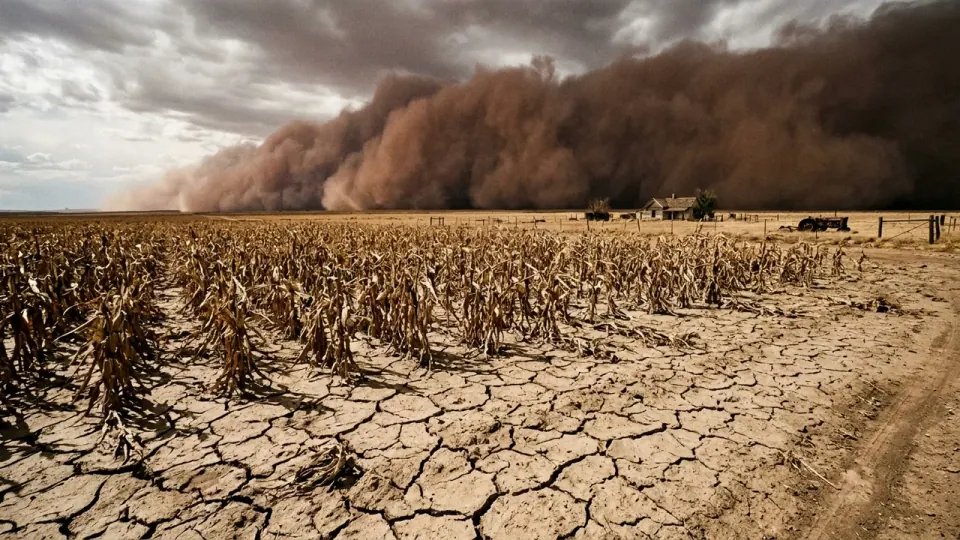
With WMO global temperature anomalies hitting 1.47°C above pre-industrial norms and Niño 3.4 Pacific waters surging into a historic November–January peak, simultaneous Southern African crop failure and Andean emergency declarations reveal how a supercharged ENSO fractures fragile food and aid networks.
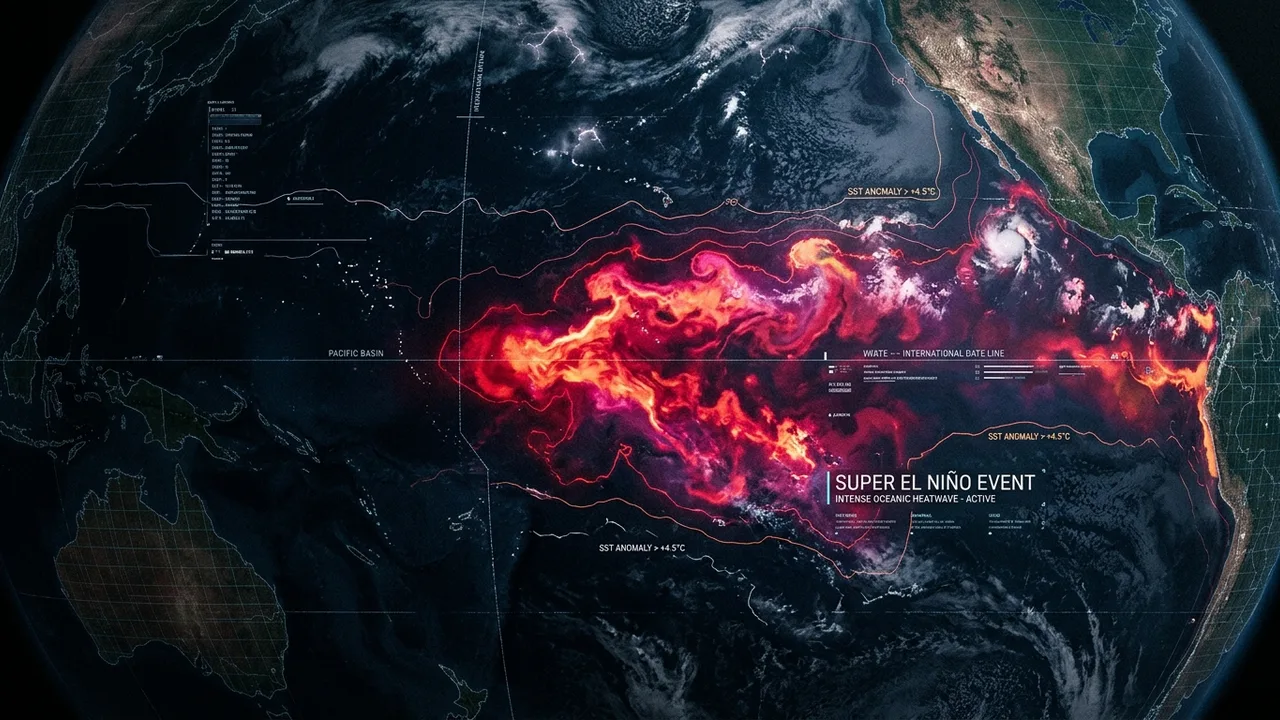
In mid-November 2026, meteorological buoys spanning the central and eastern equatorial Pacific transmitted oceanic heat figures that climate modelers spent decades hoping would remain theoretical boundary projections. Coming rapidly off a fleeting early-year neutral-to-weak La Niña phase, the 2026–2027 Super El Niño has vaulted toward peak winter intensity right inside the November–January seasonal crest. According to World Meteorological Organization (WMO) assessments covering the first three quarters of 2026, global mean surface temperatures have already surged to roughly 1.47°C above the pre-industrial baseline—leaving the planetary climate engine perched directly on the legal and physical threshold of the 1.5°C Paris guardrail just as billions of tons of excess Pacific thermal energy uncoil into global jet streams.
Natural El Niño-Southern Oscillation (ENSO) cycles have historically stressed agrarian empires, triggered multi-year monsoonal failures, and upended coastal fisheries. Yet the November 2026 event demonstrates a qualitatively different hazard: an extreme Pacific warm phase is no longer unfolding atop a cooler twentieth-century climate baseline. It is detonating inside an atmosphere already supersaturated with anthropogenic heat and greenhouse moisture, producing violent "drought-to-deluge" dipoles that smash regional food corridors and flood-control infrastructures faster than emergency relief reserves can adapt.
From emergency declarations across the Andes to catastrophic seasonal rainfall deficits tightening across Southern Africa's critical maize corridor, the closing weeks of 2026 reveal a sobering reality. Even nations accustomed to riding out isolated weather disasters cannot absorb multi-continent harvest shocks at a moment when global grain buffers, synthetic fertilizer supply chains, and international humanitarian agency budgets are simultaneously depleted.
Atmospheric Physics of the November 2026 Pacific Surge
Understanding why late 2026 represents a watershed planetary fracture requires examining the mechanics linking equatorial Pacific sea surface anomalies ("off the charts" Niño 3.4 warming) directly to mid-latitude agricultural destruction:
- Deep Thermocline Reversal and Atmospheric Heat Export: Normally, steady westward trade winds pile warm surface water toward Indonesia and northern Australia while drawing cool, nutrient-dense deep water up along the Peruvian coast. During a Super El Niño surge, those trade winds slacken or invert completely. Warm Kelvin waves propagate eastward across ten thousand kilometers of ocean, capping upwelling off South America, releasing vast plumes of latent heat into the tropical troposphere, and mechanically warping the subtropical jet stream across both hemispheres.
- The Clausius-Clapeyron Moisture Multiplier: For every single degree Celsius of background atmospheric warming—now hovering at +1.47°C globally—air holds approximately seven percent more water vapor. Wherever El Niño shifts storm tracks inland, those atmospheric rivers unload devastating, hyper-concentrated torrential cloudbursts that strip topsoil and overwhelm century-old drainage spillways. Conversely, wherever the relocated Walker Circulation forces air downward in persistent high-pressure subsidence domes, hotter atmospheric skin temperatures act as an aggressive "vapor sponge," sucking moisture out of standing crops, pastures, and forest canopies at exponential speed.
| Threatened Corridor | Dominant ENSO Anomaly | Primary Exposed Asset | Peak Stress Window |
|---|---|---|---|
| Southern Africa Belt | Severe Rainfall Deficit/Heat | Rainfed Maize & Hydro Dam | Nov 2026 - Mar '27 |
| Andean Basin (BO/PE) | Drought-Flood Whiplash | High-Altitude Water/Roads | Oct 2026 - Feb '27 |
| Parana / SE S. America | Excessive Deluge / Overflow | River Barge / Port Rail | Nov 2026 - Q1 '27 |
| SE Asia & Monsoon Arc | Delayed Onset / Soil Moisture | Paddy Rice Output (-1-1.5%) | Q4 2026 - Q2 '27 |
| Greater Horn of Africa | Intense Wet/Flash-Flood Surge | Pastoral Roads / Cholera | Oct 2026 - Jan '27 |
Southern Africa: The Maize Belt Collision Course
Nowhere does the November 2026 Super El Niño strike with sharper immediate lethality than across Southern Africa during its core October 2026 through March 2027 planting and rainy season. Unlike industrialized irrigated agribusinesses in North America or coastal Europe, over eighty percent of smallholder and regional commercial calories across Zimbabwe, Zambia, Malawi, Mozambique, and rural South Africa come from rainfed maize.
Maize is notoriously intolerant of moisture stress and extreme midday canopy temperatures during its vegetative silking and tasseling windows:
- 01.Planting Window Aborts: Across central and southern belts already scarred by recurring mid-decade droughts, early November rains have proved erratic or completely absent, forcing impoverished farming households to gamble scarce seed stocks on parched soils—or hold seed back indefinitely until the viable growing season closes.
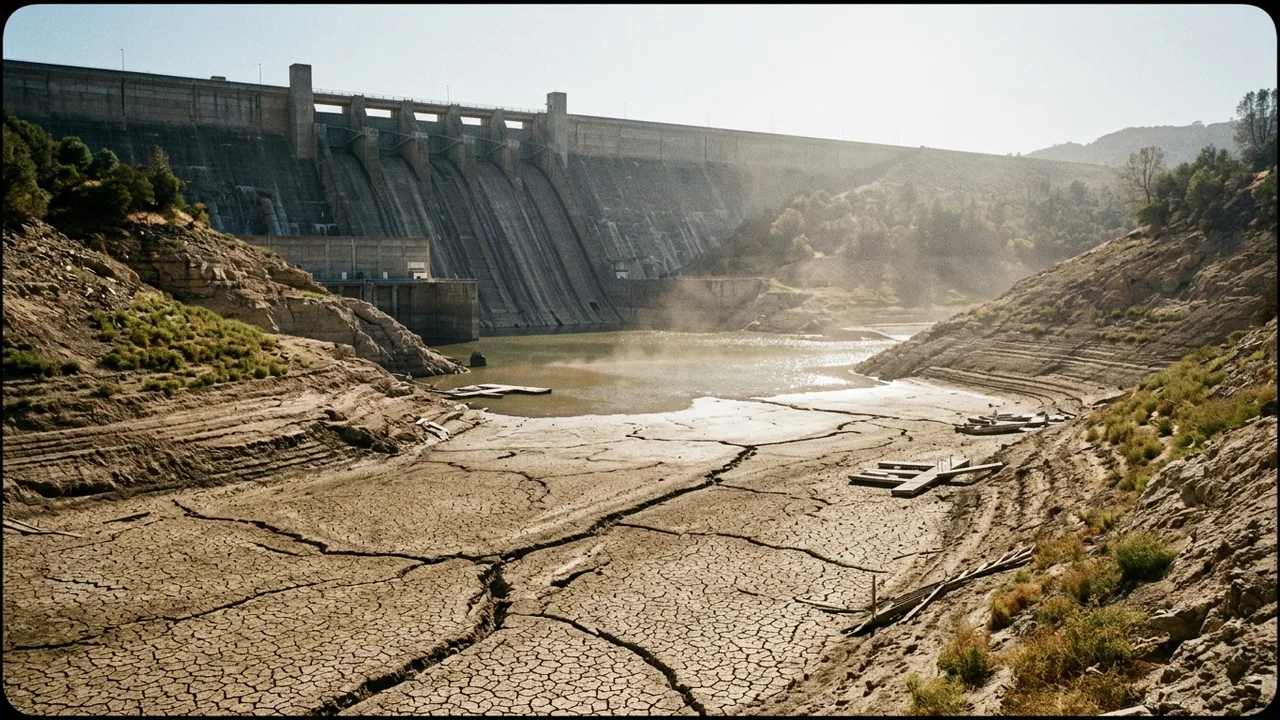
- 02.Hydroelectric Reservoir Starvation: Across the Zambezi basin, shared mega-dams like Kariba and Cahora Bassa already entered late 2026 after years of sub-normal recharge. An intensifying El Niño rainfall deficit directly undermines urban industrial grid voltage and cold-chain pumping power precisely when rising temperatures increase cooling demand.
- 03.The 2027 Lean-Season Avalanche: FEWS NET and United Nations humanitarian assessments warn that even where small strategic grain reserves still buffer urban depots in late 2026, high regional transport fuel prices, eroded purchasing power, and multi-country simultaneous shortfalls will converge catastrophically during the 2027 lean season, threatening to push tens of millions of additional people—especially rural children—into acute hunger and severe acute malnutrition.
Andean Whiplash and Global Staple Friction
Across the Pacific rim in South America, the November 2026 peak demonstrates how El Niño disrupts governance and physical distribution via opposing hydro-extremes separated by barely a few hundred kilometers of elevation.
Bolivia and Peru Under Dual-State Emergencies
In Bolivia—which acted early to proclaim national El Niño emergency measures—and across neighboring corridors of Peru, agricultural highlands and river valleys are suffering violent hydro-whiplash. Prolonged high-altitude dry spells shrink glacial meltwater reserves feeding highland agriculture and urban basins, while episodic tropical moisture surges unleash sudden, high-velocity debris flows and landslides down denuded Andean slopes. Simultaneously, across southeastern South America along major commercial basins such as the Paraná corridor, excessive wet anomalies elevate river flood threats—disrupting barge drafts, inundating low-lying grain elevators, and washing out rural truck feeder roads vital for soy and corn exports.
Global Rice and Coarse Grain Compression
While maize absorbs the sharpest immediate seasonal shock in Africa and Central America, global rice markets remain chronically exposed whenever Niño 3.4 heat climbs into super-event territory. Historical agronomy modeling combined with late-2026 satellite vegetative indices indicates that intense El Niño winters reliably slice 1.0 to 1.5 percent off global baseline rice trend production across South and Southeast Asian paddy basins via delayed monsoon recharge and elevated nighttime respiratory heat stress on flowering rice panicles.
In a calm, frictionless geopolitical world, a 1.5 percent global rice dip could be quietly absorbed by shipping surplus North American wheat or Black Sea barley across ocean corridors. In November 2026, that pressure valve is heavily constricted:
- Wartime Grain and Refining Stress: Drone blockades in the Black Sea, refining disruptions across Russia (`-55%` refining capacity), and Red Sea / Aden choke-point risks elevate maritime hull war-risk premiums and diesel bunker costs for bulk food carriers.
- Fertilizer Input Volatility: Escalating energy instability in both Eastern Europe and the Persian Gulf forces poorer agrarian nations to slash synthetic nitrogen and phosphate imports, permanently depressing per-hectare yields even where rains manage to arrive on time.
The Humanitarian Budget Vacuum: Anticipatory Action Hits Fiscal Reality
Perhaps the single most dangerous blind spot in November 2026 global risk assessments is not meteorological—it is fiscal. During past historic El Niño crises such as 1997–1998 and 2015–2016, Western sovereign donors, UN World Food Programme convoys, and UNICEF emergency funds expanded dramatically to deploy emergency cash transfers, mobile water desalination units, and supplemental therapeutic rations before mass famine deaths escalated.
Today, humanitarian agencies confront an alarming mathematical deficit:
- Donor Fatigue and Re-Armament Budgets: Major G7 and European donor nations are simultaneously financing record military re-armament outlays, escalating sovereign debt interest payments, and domestic energy subsidies, leaving UN emergency appeals severely underfunded across every theater from East Africa to the Sahel and Andes.
- Logistics Costs Eating Calorie Budgets: When global marine diesel cracks, cargo security insurance, and coastal port delays spike simultaneously, the physical cost of delivering one metric ton of fortified food aid inland surges dramatically—shrinking the total tonnage purchased per donor dollar right as recipient headcounts climb by tens of millions.
- Cholera and Vector Amplification: Beyond direct starvation, UNICEF and global disease outbreak monitors emphasize that heavy wet anomalies across parts of the Greater Horn of Africa routinely trigger explosive outbreaks of waterborne cholera alongside mosquito-borne dengue and malaria surges inside flood-displaced camps where sanitation pumps have failed.
- Sovereign Debt Crowding Out Emergency Imports: Emerging-market central banks facing elevated global shipping tariffs and stronger reserve-currency yields must pay double-digit coupon premiums simply to finance commercial emergency grain imports. Consequently, cash-strapped agricultural ministries delay early drought-seed distribution, cancel locomotive spares for inland grain freight, and cut rural veterinary extension budgets—magnifying localized rainfall dips into national nutritional emergencies long before the first harvest combine even rolls onto dry fields.
Sub-Surface Oceanic Lag and the 2027 Recovery Trap
Even if equatorial Pacific wind anomalies reverse cleanly during the first half of 2027, agricultural and livestock ecosystems cannot bounce back on the same calendar clock as satellite buoy thermographs. Perennial orchard crops stressed by extreme canopy vapor pressure deficits carry reduced fruiting vigor for multiple subsequent seasons; depleted pastoral cattle herds sold off in panic at distressed drought prices require three to five years of cautious breeding reconstruction; and rural households forced to consume heirloom seed corn during acute hunger months lose localized genetic adaptation precisely when erratic post-El Niño La Niña swings arrive. Meanwhile, depleted national groundwater aquifers pumped relentlessly through emergency drought irrigation tubes recover over decades rather than single rainy winters, leaving agricultural baselines permanently lower across vulnerable river basins.
Conclusion: A Permanently Reset Baseline
Meteorologists emphasize that the current 2026–2027 Super El Niño peak between November and January will eventually attenuate later in 2027 as Pacific subsurface cold Kelvin waves rebound eastward. Yet treating November 2026 as a fleeting storm before "normalcy" returns misses the decisive lesson of +1.47°C planetary physics.
Natural climate cycles have not gone away, nor are they still benign background rhythms. Operating atop nearly one and a half degrees of long-term warming, every recurring Pacific oscillation now functions as a nonlinear systemic multiplier—converging instantaneously with geopolitical fuel shocks, fragile debt-laden municipal utilities, and thinned humanitarian reserves. Surviving the ripple effects stretching into 2027 and beyond requires shifting permanently away from reactive crisis charity toward decentralized local water retention, hardened regional grain banking, and hermetic household food self-reliance before lean-season price shocks lock in.
Real-time geospatial feed aggregating USGS M5.0+ earthquakes, NASA EONET wildfires, volcanoes, severe storms, UN/EC GDACS alerts, and NOAA geomagnetic status.
Related Reports & In-Depth Intel
Planetary Heat Threshold Breached
Unprecedented equatorial Pacific thermocline displacement and multi-year thermal inertia have pushed tropical biosphere systems past irreversible tipping points. We examine synchronous crop failures, drying mega-reservoirs, and municipal water grid collapse across three continents.

What Happens in the First 72 Hours
A technical chronological breakdown of the rapid collapse of communications, water supply, and security during the first three days of a complete grid failure.
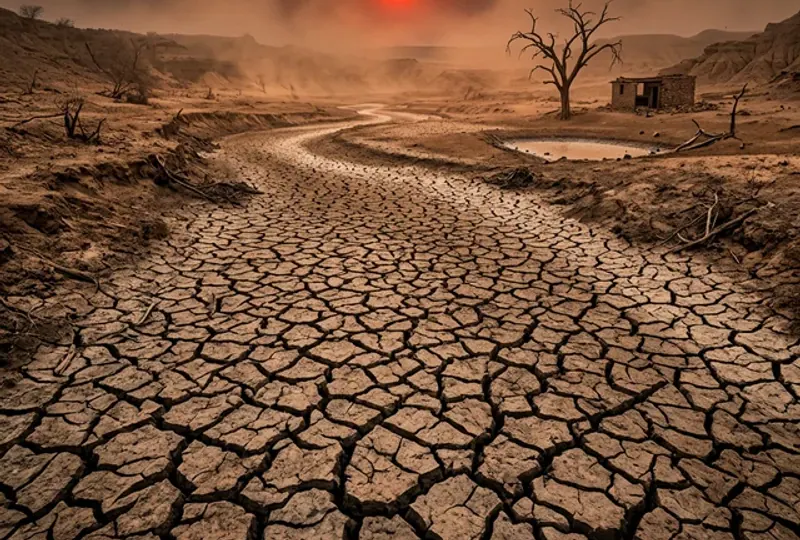
Climate Collapse: The Looming Threat to Human Survival
Non-linear climate volatility is already hitting grids, breadbaskets, and insurance markets decades ahead of gentle textbook curves. Here is how compound weather shocks threaten survival—and how to adapt realistically.
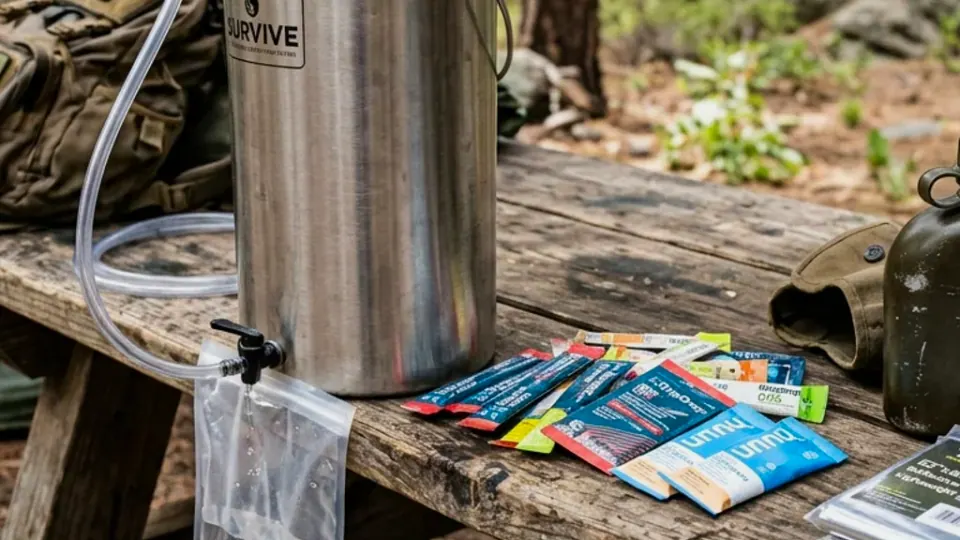
El Niño Pushes Global Warming Past 2.2°C
When a strong El Niño stacks on top of record ocean heat, brief planetary spikes past 2.2°C above the pre-industrial baseline stop being distant computer projections and start breaking grids, crops, and coastal defenses.