Mutually Assured De-Electrification
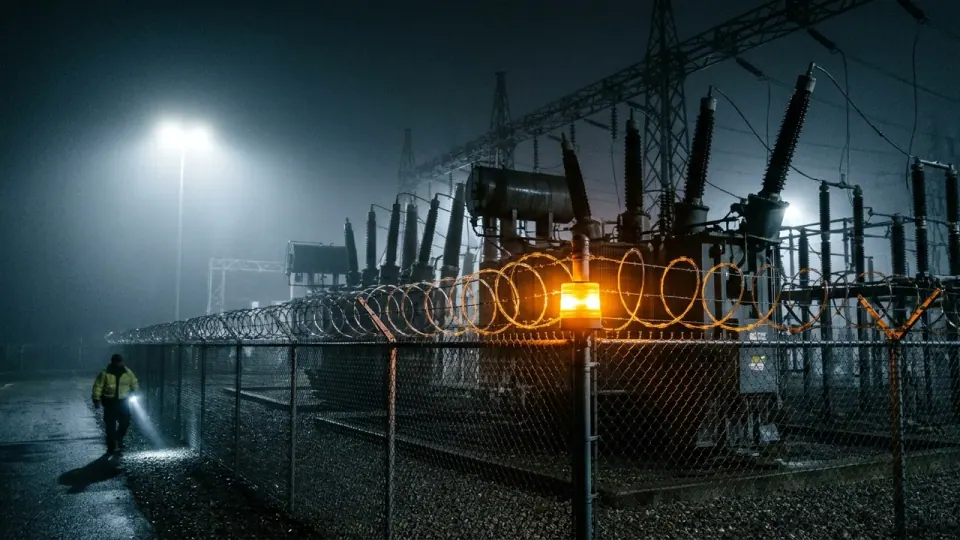
As November 2026 diplomacy fractures over NATO rollback demands, systematic kinetic attrition against both Russia's crude refining columns and Ukraine's high-voltage substations has pushed Eastern Europe's industrial energy architecture into an irreversible winter stress spiral.
By mid-November 2026, the industrial war between the Russian Federation and Ukraine has crossed a structural threshold rarely observed in modern industrialized warfare. Rather than contesting narrow tactical salients along static trench networks, both combatants have systematically transitioned into parallel campaigns of strategic infrastructure strangulation. While diplomatic delegations in Abu Dhabi deadlocked over sweeping Russian demands to roll back NATO security architecture, kinetic salvos escalated sharply across two symmetrical fronts: Russia's rolling, region-by-region bombardment of Ukraine's electrical transmission and district heating network ahead of deep winter, and Ukraine's sustained long-range autonomous drone campaign against Russia's primary petroleum refining nodes.
According to consolidated military, energy telemetry, and Ukrainian defense assessments published in November 2026, prolonged long-range unmanned aerial strikes have knocked roughly **55 percent of Russia's primary crude refining capacity offline** across critical western and Volga industrial districts. Simultaneously, concentrated Russian missile and glide-drone waves have battered Ukraine's thermal power plants, 330-kilovolt autotransformers, and municipal cogeneration boilers, plunging hundreds of thousands of households into rolling sub-zero blackouts just as November frost locks in across the Dnieper basin.
This reciprocal dismantling of refined hydrocarbons and baseload electricity represents far more than regional battlefield friction. When two major European industrial economies simultaneously degrade each other's thermal conversion and refining machinery right before winter peak demand, the resulting deficit cascades through global diesel distillate cracks, European gas storage drawdown rates, fertilizer synthesis economics, and civil stability across non-belligerent states.
The Anatomy of Asymmetric Energy Strangulation
Modern industrial civilization depends on specialized thermodynamics that cannot be rapidly improvised under bombardment. Neither high-voltage step-up autotransformers nor atmospheric-vacuum crude distillation towers are off-the-shelf consumer commodities. Both require multi-month custom metallurgy, precision winding, specialized alloys, and Western or heavily sanctioned control electronics that face years-long global order backlogs.
1. The 55% Refining Capacity Knock-Out in Russia
Ukraine's long-range strike doctrine abandoned symbolic strikes on urban prestige targets in favor of high-leverage thermodynamic bottlenecks inside Russian petroleum processing:
- Vacuum Distillation Units (VDUs) and Catalytic Crackers: Unlike crude oil storage tanks, which burn dramatically but can be rebuilt within months, primary fractionation columns and fluidized catalytic cracking (FCC) units operate under extreme temperatures and pressures using proprietary corrosion-resistant trays, catalyst beds, and heat exchangers. Knocking out a single VDU column halts an entire refinery's ability to separate raw crude into summer-grade diesel, winter arctic diesel, aviation kerosene, and naphtha.
- Export Bans and Domestic Shortage Loops: With more than half of active domestic refining throughput degraded or forced into unplanned turnaround maintenance, Moscow has repeatedly resorted to emergency gasoline and diesel export bans. However, blocking finished product exports does not immediately resolve localized logistics bottlenecks inside a continent-spanning country reliant on diesel locomotives and heavy trucking to move military hardware, grain harvests, and winter heating oil.
- Crude Oil Gluts vs. Distillate Famines: Because raw crude extraction in Siberia cannot simply be throttled down in permafrost fields without risking permanent wellbore paraffin waxing and geological damage, damaged downstream refineries force producers either to dump discounted raw crude onto shadowy maritime shuttle fleets or flare excess associated gas, starving both domestic fuel depots and refined product export revenues.
2. Region-by-Region Grid Destruction in Ukraine
Facing this asymmetric threat to its hydrocarbon war chest, the Russian aerospace command shifted away from sporadic dispersed missile raids in favor of dense, localized saturation packages designed to overwhelm Ukrainian air defenses sector by sector:
- Sequential Regional Isolation: By concentrating ballistic missiles, cruise variants, and decoy swarms onto single oblast transmission corridors over consecutive forty-eight-hour windows, strikes systematically sever the regional 750 kV and 330 kV transmission ties connecting Ukraine's surviving nuclear generation units to industrial load centers and urban heating pumps.
- Cogeneration (CHP) and Hydronic Vulnerability: Eastern European cities rely overwhelmingly on centralized district heating circuits driven by Combined Heat and Power (CHP) stations. When electricity is severed to the high-pressure booster pumps during freezing weather, stagnant water inside miles of municipal iron piping can freeze and burst within hours, transforming temporary power outages into permanent structural condemnation of high-rise housing blocks.
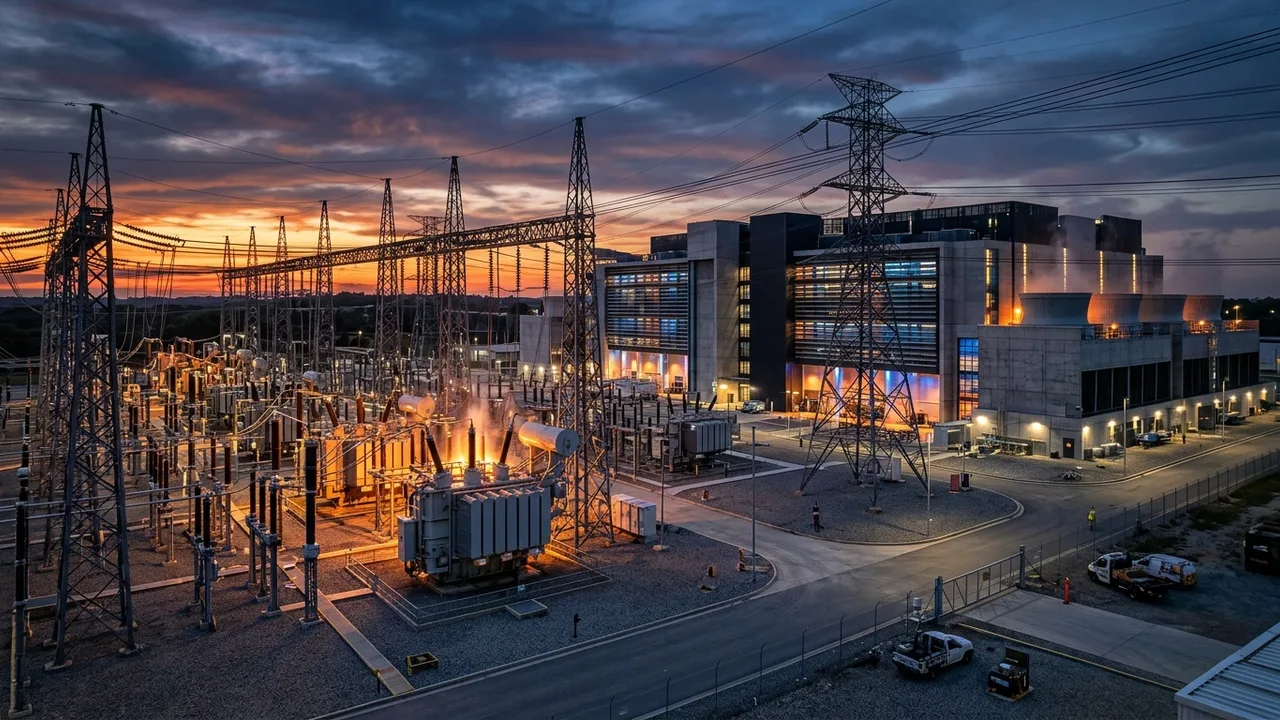
- Substation Autotransformer Exhaustion: Large 330/110 kV autotransformers weigh over two hundred tons, contain tens of thousands of liters of insulating mineral oil that ignites violently upon shrapnel impact, and cannot be protected entirely beneath improvised concrete bunkers. Emergency European donor inventories of compatible Soviet-frequency 50 Hz high-voltage winding assemblies have already been largely exhausted across the first three winters of conflict.
| Critical Asset Class | Primary Vulnerability | Replacement Lead | Cascade Effect |
|---|---|---|---|
| Crude Distillation Column | Precision alloy tray rupture | 9 - 18 months | Diesel/jet halt |
| 330/750kV Autotransformer | Winding oil fire / core warp | 12 - 24 months | Grid islanding |
| Urban CHP District Boiler | Freezing pump seizure / burst | 3 - 9 months | Mass evacuation |
| Hydroelectric Spillways | Turbine hall / gate damage | 18 - 36 months | Peak load loss |
| Export Pipeline Compressors | Siemens/custom turbine damage | 12 - 24 months | Flow pressure 0 |
Diplomatic Deadlock and the Illusion of Near-Term Ceasefire
The November 2026 breakdown in mediated diplomacy demonstrates why the kinetic infrastructure war is accelerating rather than stabilizing. Following U.S.-facilitated trilateral discussions in Abu Dhabi, European Union foreign ministers explicitly warned that Moscow's insistence on sweeping pre-conditions—including structural pullbacks of NATO rotational deployments and legal neutralization of neighboring defensive alliances—signaled a commitment to maximalist territorial and security realignment rather than good-faith de-escalation.
When diplomacy freezes into mutually incompatible security axioms, military planners on both sides default to breaking the opponent's industrial stamina before springtime mud or electoral cycles intervene:
- 01.Winter Logistics Compression: Cold temperatures increase domestic natural gas, heating oil, and grid peak amperage by forty to sixty percent simultaneously while degrading battery efficiencies for tactical drones, backup inverters, and field vehicles.
- 02.Defense-Industrial Parasitism: Ammunition foundries, drone assembly plants, steel mills, and railway traction motors cannot run stably on portable diesel generators. Every megawatt lost to substation destruction or every liter of middle-distillate diesel diverted to emergency municipal power generation shrinks the remaining industrial surplus available for front-line sustainment.
- 03.Humanitarian Weaponization: Stripping civilian districts of reliable municipal water pumping, sewage lift stations, elevator access, and centralized warmth forces governments to choose between dedicating scarce mobile air defense interceptors to rear cities or shielding front-line mechanized brigades.
Global Secondary Shocks: Diesel Cracks, Fertilizer, and Sovereign Fragility
Observing the Russia-Ukraine winter attrition campaign solely through a military lens misses the violent global transmission belt connecting Eastern European refineries and substations to consumer living standards across Europe, North Africa, and Asia.
The Global Middle-Distillate Bottleneck
Diesel, gasoil, and jet kerosene—collectively known as middle distillates—form the literal bloodstream of physical reality. Agricultural tractors, combine harvesters, refrigerated cargo trucks, diesel-electric freight locomotives, excavator fleets, and port cranes all run on middle distillates. With roughly fifty-five percent of Russian refining throughput compromised and ongoing tanker routing disruptions across the Red Sea and Persian Gulf tightening alternative Middle Eastern refining margins, global **diesel crack spreads** face acute winter tightness.
Unlike light consumer gasoline, where demand exhibits mild short-term elasticity as commuters cancel discretionary trips, industrial and agricultural diesel demand is ruthlessly inelastic. Every ten percent rise in distillate refining costs translates rapidly into elevated inland freight and heating tariffs, compressed farming planting margins, and rising landed costs for raw ores, timber, and grain.
Nitrogen Fertilizer and Cold-Chain Vulnerability
Natural gas and heavy hydrocarbon feedstocks form the primary chemical inputs for the Haber-Bosch ammonia synthesis process that feeds roughly half the human race. Simultaneously, cold-chain warehousing across Europe and Eurasia requires uninterrupted megawatt-scale compressor uptime. When regional electrical grids are stressed by cross-border interconnector volatility, industrial energy rationing hits heavy chemical manufacturers and cold-storage operators first through skyrocketing spot megawatt-hour pricing. Several European industrial zones have already absorbed painful chemical production curtailments throughout the 2024–2026 cycle, leaving continental nitrogen fertilizer inventories thin heading into the 2027 spring planting window.
Refugee Displacement and Cross-Border Municipal Strain
If multi-day regional power and district heating blackouts harden into unrecoverable mid-winter failures across densely populated Eastern European urban centers, municipal emergency services will confront an immediate survival calculus. Without functioning municipal pumping stations to drain pipes before deep frost, tens of thousands of multi-story concrete apartments become uninhabitable until springtime thawing and massive plumbing reconstruction. Neighboring Central European nations—already contending with domestic fiscal deficits, elevated defense spending quotas, and public fatigue—would face sudden mid-winter waves of displaced civilians requiring heated shelter, hospital capacity, and emergency grid electricity.
Structural Lessons for Decentralized Infrastructure Planning
The brutal empirical lessons of November 2026 expose fatal flaws in hyper-centralized twentieth-century engineering. Systems engineered exclusively for normal peacetime efficiency—giant radial high-voltage substations, unbuffered multi-million-ton refinery complexes, and monolithic municipal steam loops—exhibit catastrophic fragility once precision autonomous strike systems drop in cost below the price of a family sedan.
Key tactical and structural takeaways emerging from the Eastern European infrastructure theater include:
- Distributed Generation Over Monolithic Baseload: Nations and industrial regions surviving sustained bombardment have begun replacing single giant thermal stations with scores of decentralized, containerized gas turbines, modular battery energy storage parks, and geographically dispersed solar-microgrid islands capable of autonomous black-start operation.
- Spare Component Pre-Positioning: Maintaining a domestic strategic reserve of standardized transformers, switchgear relays, and mobile substation trailers mounted on heavy rail or flatbed chassis is no longer a discretionary utility luxury—it is an existential national security requirement.
- Local Thermal Independence: At the civilian and household scale, dependence on electric booster pumps for centralized municipal hot-water heat has proven to be the single deadliest winter failure mode. Solid-fuel masonry mass heaters, passive thermal envelope compartmentalization, and off-grid fuel reserves represent the sole reliable insurance against metropolitan grid collapse.
The Strategic Horizon Ahead
The collision between Ukraine's long-range refining blitz and Russia's winter grid campaign demonstrates that industrialized infrastructure has permanently entered the primary kinetic kill zone. Whether diplomatic negotiators eventually freeze territorial lines in 2027 or fighting grinds onward, the physical damage inflicted upon Eastern Europe's energy conversion machinery will require years of uninterrupted specialized metallurgy, tens of billions of dollars in capital reinvestment, and a fundamental rethinking of grid topology to repair.
For analysts, policymakers, and households watching warning signs around the globe, November 2026 confirms a sobering new paradigm: in modern industrial conflict, electricity and refined liquid fuels are no longer protected civilian backdrops supporting the front lines—they are the primary operational target set, and their collapse precedes everything else.
Real-time geospatial feed aggregating USGS M5.0+ earthquakes, NASA EONET wildfires, volcanoes, severe storms, UN/EC GDACS alerts, and NOAA geomagnetic status.
Related Reports & In-Depth Intel
Nuclear War Exchange Scenario and Survival Overview
Comprehensive Analysis of Nuclear Detonation Phenomenology, Radiological Hazards, and Systemic Survival Frameworks.
LEO Satellite Constellation Cyber Infiltration
A coordinated state-sponsored cyber intrusion into low-Earth-orbit ground teleports and optical inter-satellite links has compromised global positioning, air-traffic telemetry, and automated maritime navigation, inducing widespread blind-flight protocols.
Cascading SCADA Infiltration
Sophisticated state-sponsored threat actors have breached industrial control systems across regional power grids and municipal water utilities, deploying destructive firmware wiper malware that permanently burns out critical transmission equipment.

Undersea Cable Severance and Substation Warfare
From deliberate fiber severances in maritime chokeholds to dormant malware embedded in high-voltage transformer relays, the arteries of modern industrial civilization are under quiet, coordinated siege. We unpack the fragility of the global backbone.