Geoeconomic Assessment: The Shadow Fleet Protocol, Baltic Sea
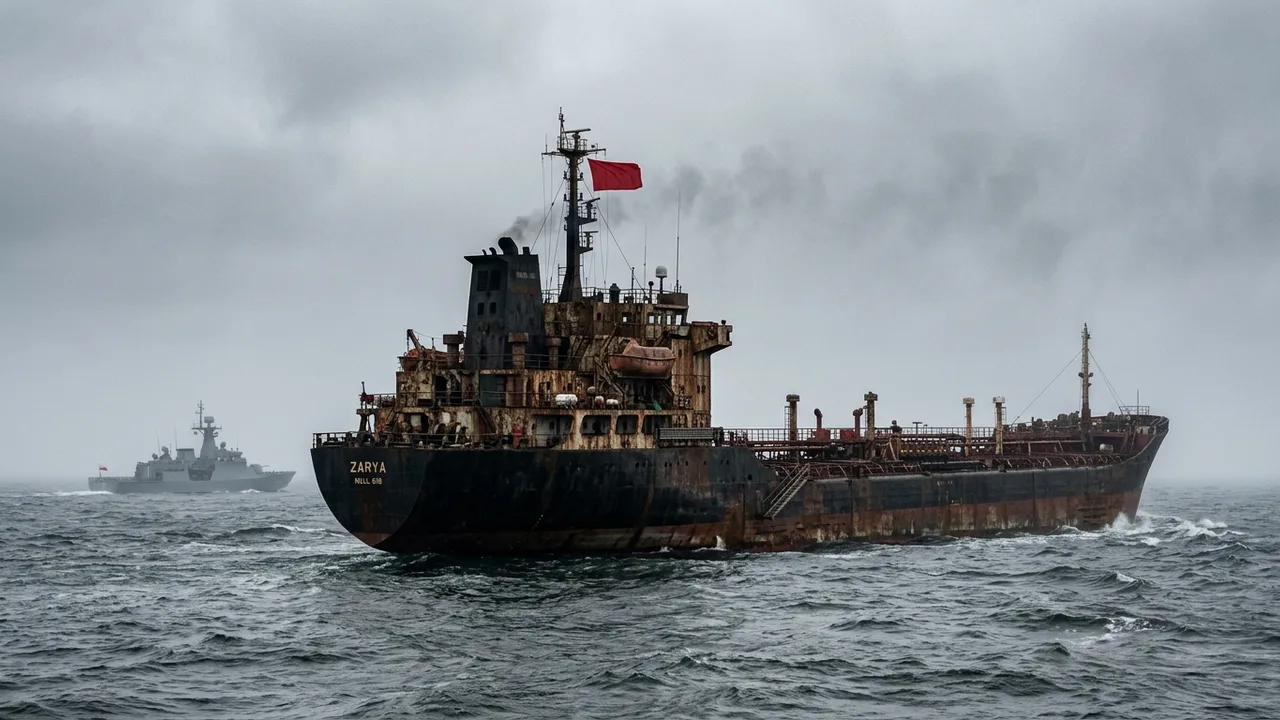
The weaponization of commercial 'shadow fleet' crude tankers dragging anchors across Baltic seabed infrastructure has exposed the asymmetric fragility of Europe's subsea energy corridors and maritime insurance frameworks.
The maritime corridor of the Baltic Sea—a shallow, congested body of brackish water connecting nine sovereign European nations—has transformed into the primary operational laboratory for twenty-first-century gray-zone warfare. In the early winter months of 2026, seismic hydrophones and offshore telemetry stations recorded catastrophic pressure drops along two critical subsea natural gas interconnectors: the Balticconnector linking Finland and Estonia, and the newly commissioned Baltic Pipe transit corridor delivering Norwegian offshore gas to Poland. Concurrent physical severances of high-voltage direct-current (HVDC) electricity cables, including the Estlink 2 and NordBalt interties—part of a wider pattern of undersea cable sabotage and substation cyber warfare—plunged the regional Nordic-Baltic power pool into sudden, emergency islanding mode.
Initial public commentary attributed the incidents to maritime accidents or catastrophic equipment failure. However, classified naval forensic surveys and satellite automatic identification system (AIS) telemetry soon established an undeniable pattern of calculated asymmetric sabotage, mirroring vulnerabilities seen along transatlantic subsea telecom trunks. The disruptions were executed not by naval warships or identifiable military submarines, but by commercially flagged bulk carriers, container ships, and aging crude oil tankers operating within the opaque maritime architecture known as the Russian Shadow Fleet.
By weaponizing commercial freedom of navigation, dragging multi-ton commercial stockless anchors across thousands of square kilometers of unpatrolled international waters, and manipulating international maritime liability conventions, hostile state actors have achieved a devastating strategic outcome: the severe physical and psychological interdiction of European energy sovereignty without crossing the formal threshold of kinetic military retaliation.
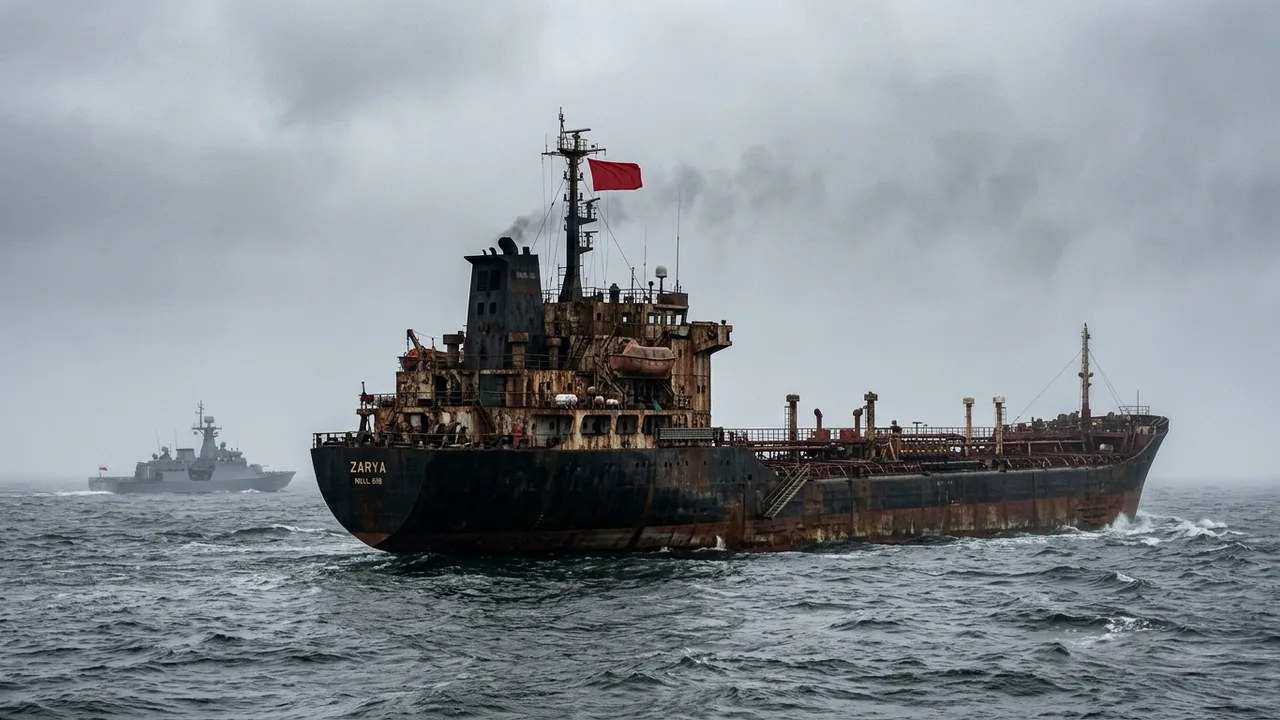
The Anatomy of Shadow Fleet Gray-Zone Operations
To appreciate the near-total defensive asymmetry confronting NATO and Baltic coastal defense authorities, one must examine the structural mechanics of the shadow fleet. Following the imposition of Western price caps and European Union maritime import prohibitions on Russian crude in 2022, an informal armada of over seven hundred aging, single-hulled and double-hulled tankers was assembled through complex webs of shell companies registered in Liberia, the Marshall Islands, Panama, and Gabon.
These vessels operate largely outside the jurisdiction of the International Group of P&I Clubs, relying on obscure, state-capitalized domestic insurers with zero transparent claims-handling capacity—a shadow-shipping fracture also reshaping Persian Gulf tanker risk premia. Furthermore, their operational practices—tracked across maritime chokepoints on IMF PortWatch—are engineered specifically to evade maritime surveillance:
- 01.AIS Spoofing and Loitering: Tankers routinely manipulate shipboard Class-A AIS transponders, broadcasting synthetic GPS coordinates that place the vessel hundreds of nautical miles away while physically maneuvering across sensitive seabed energy corridors.
- 02.Intentional "Dragging Anchor" Doctrine: Rather than utilizing explosive shaped charges that leave undeniable military forensic residue, a shadow tanker transiting over an HVDC intertie or high-pressure gas pipeline simply drops its port or starboard anchor in water depths of forty to eighty meters. By proceeding under full diesel propulsion for miles with an anchor dragging along the seabed silt, the vessel catches, bows, and shears the steel-and-polyethylene encased pipeline. When challenged by coast guard patrols, the captain claims an unpreventable mechanical winch failure or sudden navigational distress.
- 03.Plausible Deniability and Flag-State Shielding: When coastal states board a suspect vessel, they confront multinational merchant crews without formal military ranks, operating under sovereign flags of convenience that refuse cooperation with international judicial investigations.
| Critical Asset | Type & Dimensions | Operational Disruption |
|---|---|---|
| Balticconnector | 77 km Subsea Gas (DN 500) | Complete Pressure Loss |
| Estlink 2 HVDC | 650 MW Submarine Power Link | Unscheduled 9-Month Outage |
| Baltic Pipe | 900 km Offshore Gas Pipeline | 35% Throughput Curtailment |
| C-Lion1 Fiber Core | 1,173 km Optical Telecom Trunk | Total Data Path Severance |
As the data table reflects, the structural impact of these interdictions is disproportionately severe. The repair timeline for an undersea natural gas pipeline ruptured by mechanical anchor drag spans between seven and fourteen months, requiring specialized deepwater pipe-recovery vessels, hyperbaric dry-welding habitats, and extensive pressure re-certification. In contrast, the financial cost to the perpetrator is virtually zero.
The Geoeconomic Energy Siege of Northern Europe
The deliberate severance of Baltic gas and electricity interconnectors occurred at the precise thermodynamic inflection point of the European winter heating season. With pipeline gas flows from the East permanently terminated, Central and Northern European economies rely entirely on three volatile energy pillars: Norwegian continental shelf pipeline production, cross-border nuclear and renewable electrical interties, and seaborne liquefied natural gas (LNG) deliveries imported through floating storage and regasification units (FSRUs).
By systematically severing the electrical cables connecting surplus Swedish and Finnish nuclear/hydro generation to the deficit-prone Baltic states—flows recorded on the ENTSO-E Transparency Platform—the saboteurs created localized power panics. Spot electricity prices on the Nord Pool power exchange surged from €65 per megawatt-hour to sustained peaks exceeding €480 per megawatt-hour. Heavy industrial operations, including pulp mills, silicon smelting plants, and fertilizer manufacturing complexes across Finland, Estonia, and Poland, were forced to institute voluntary operational curtailments to prevent domestic heating grid collapse.
Simultaneously, European TTF natural gas futures surged by sixty-four percent as municipal utilities entered aggressive bidding wars against Asian buyers for Atlantic spot LNG cargoes—a global LNG tightening highlighted by the International Energy Agency and unpacked in our analysis of winter heating oil and inflation shocks. The structural vulnerability of Europe’s floating LNG terminals was suddenly illuminated: these massive, unarmored commercial vessels, moored at exposed coastal berths in Klaipėda, Wilhelmshaven, and Inkoo, represent immense, static targets that can be disrupted by low-cost underwater commercial drones or drifting naval ordnance.
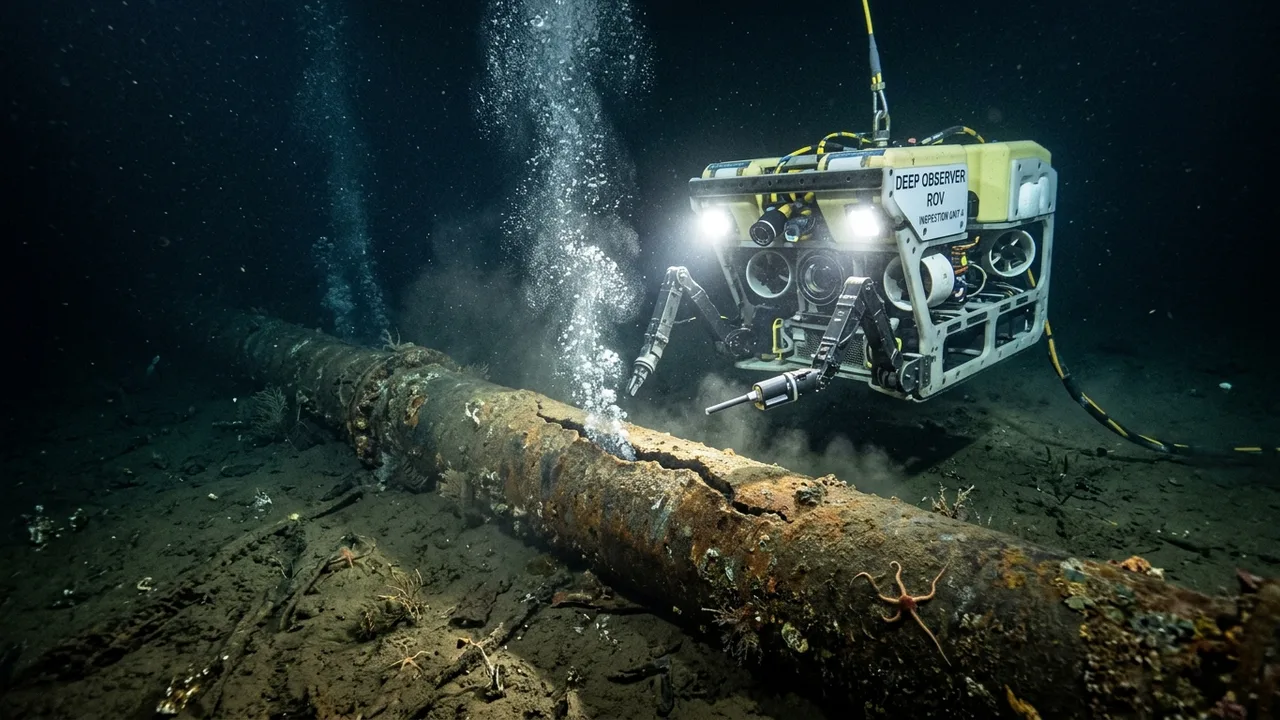
Legal Impasse and Maritime Sovereignty Contestation
The most paralysis-inducing dimension of the Baltic hybrid conflict is the international legal straitjacket governing maritime commons. Under the United Nations Convention on the Law of the Sea (UNCLOS), coastal states enjoy sovereign rights over resources within their 200-nautical-mile Exclusive Economic Zones (EEZ), but the water column itself remains subject to the principle of "freedom of navigation."
Warships belonging to NATO members cannot legally intercept, search, or seize a foreign merchant vessel transiting an international EEZ without incontrovertible proof of an ongoing maritime crime (such as piracy or human trafficking). The legal threshold for "hostile intent" cannot be easily satisfied when a rogue cargo ship claims its anchor dragged due to poor seamanship or stormy seas:
- If a coastal state forcibly boards and detains a foreign-flagged vessel in international waters, it risks immediate diplomatic retaliation, legal sanctions, and maritime interdiction of its own commercial hulls in distant straits.
- Conversely, if coastal states refuse to act, their critical energy and telecommunications life support systems will be methodically dismantled one anchor drag at a time.
- Private maritime insurers are responding by dramatically escalating hull and machinery premiums, making Baltic commercial navigation increasingly uneconomic for legitimate, law-abiding shipping syndicates.
Strategic Defense: The Militarization of the Seabed
The era of trusting the physical security of undersea infrastructure to international legal treaties has come to an abrupt close. To survive in an era of persistent hybrid warfare, Western nations are being forced into a massive, capital-intensive militarization of their domestic seabed corridors.
First, sovereign nations must deploy persistent acoustic hydrophone arrays, autonomous underwater vehicle (AUV) patrols, and fiber-optic distributed acoustic sensing (DAS) cables along every critical pipeline and power intertie. Any vessel dragging an anchor within five nautical miles of a mapped corridor must be met with immediate, armed naval interception and mandatory physical diversion.
Second, energy resilience requires the elimination of single-point-of-failure import corridors. Decentralized local energy storage, redundant terrestrial pipeline loops, hardened micro-grids, and decentralized baseload nuclear reactors must replace vulnerable, multi-thousand-kilometer subsea lifelines.
The seabed is no longer an invisible commercial highway beneath the waves; it is the front line of an unyielding, asymmetric resource war documented across our Intel Video Gallery. Nations that fail to defend their physical underwater conduits will find their economies paralyzed, their grids extinguished, and their societies frozen in the dark.
Real-time geospatial feed aggregating USGS M5.0+ earthquakes, NASA EONET wildfires, volcanoes, severe storms, UN/EC GDACS alerts, and NOAA geomagnetic status.
Related Reports & In-Depth Intel

Biotech Challenges
An assessment of synthetic biology, accidental lab releases, and biosecurity vulnerabilities as decentralized gene editing lowers technical barriers.
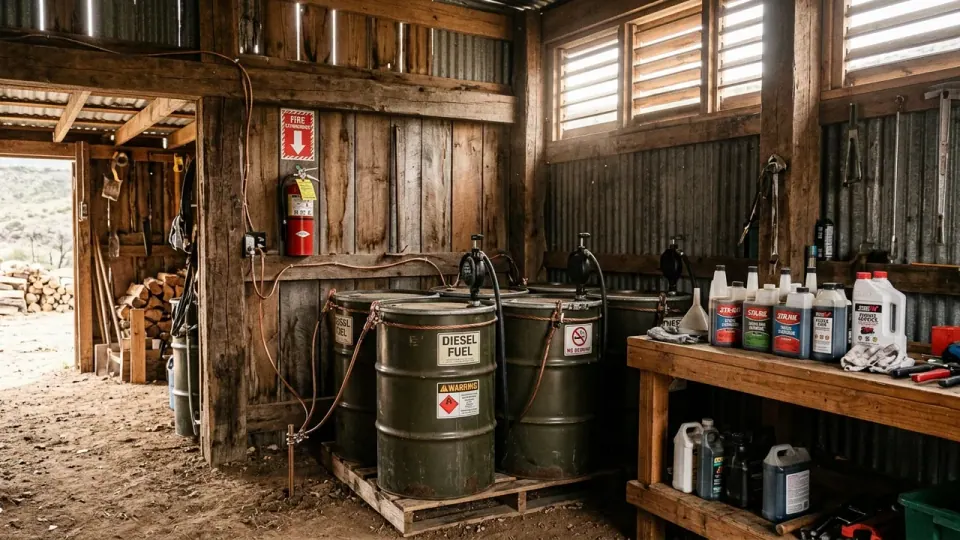
Refinery-Down Survival: Winter Diesel Stabilization, Biocide Fuel Polishing
As kinetic refinery attrition removes over half of regional refining output and grid strikes trigger sub-zero power rationing, off-grid survivability requires disciplined diesel stabilization, water-separator fuel polishing, cold-flow anti-gel chemistry, and LiFePO4 generator cycle efficiency.

Stockpiling Spares Before the Strait Closes
With Chinese carrier and coast guard drills rehearsing a shipping quarantine around Taiwan, households and small workshops should build a targeted two-year spare-parts cache before East Asian electronics and tool imports stall.
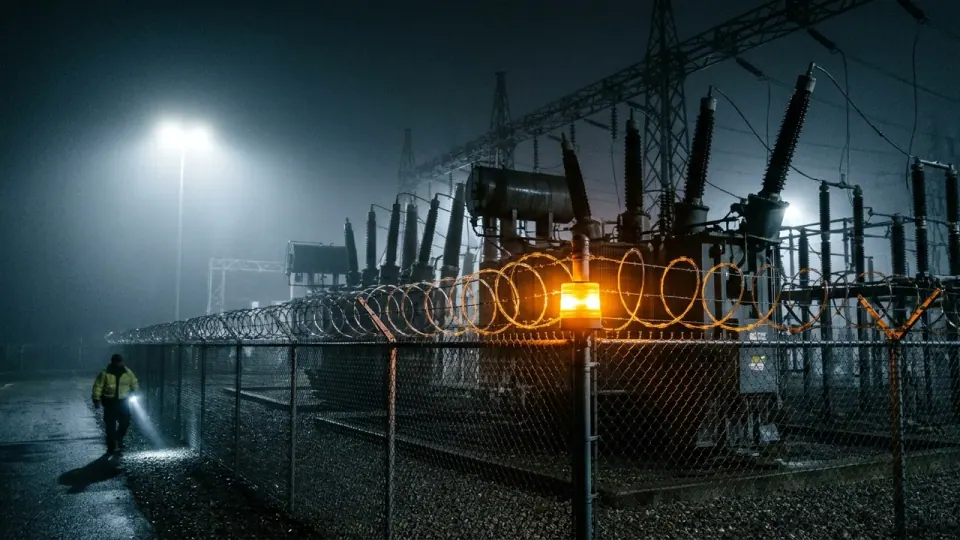
Mutually Assured De-Electrification
As November 2026 diplomacy fractures over NATO rollback demands, systematic kinetic attrition against both Russia's crude refining columns and Ukraine's high-voltage substations has pushed Eastern Europe's industrial energy architecture into an irreversible winter stress spiral.