Stockpiling Spares Before the Strait Closes

With Chinese carrier and coast guard drills rehearsing a shipping quarantine around Taiwan, households and small workshops should build a targeted two-year spare-parts cache before East Asian electronics and tool imports stall.
Everyone remembers the pandemic auto-lot shortages of 2021, when a missing twenty-dollar brake control chip stranded fifty-thousand-dollar pickup trucks in muddy Michigan holding fields for seven months. Now picture that exact bottleneck multiplied by ten while Chinese carrier and coast guard blockade drills sit across the Luzon Strait—a systemic chokepoint underscored in CISA supply chain risk management guidance.
You do not need to panic-buy gold coins or weld a subterranean steel vault to protect a household or small rural shop from a Pacific shipping freeze. What actually breaks ordinary life when Taiwan and East Asian ports stall is not a shortage of smartphones or flat-screen televisions—it is the sudden disappearance of tiny, boring $8 to $45 maintenance parts that keep water pumps, solar charge controllers, diesel engines, home appliances, and radios running across the core infrastructure tracked in FEMA Community Lifelines preparedness.
Once Lloyd's of London pulls marine war-risk insurance on Kaohsiung and Busan lanes, backorders stretch from four days to twelve months overnight. Building a calm, shelf-stable spares locker right now costs less than one car payment and keeps your property self-reliant for years.

Why Small Parts Vanish Faster Than Whole Machines
Walk into a modern hardware store or tractor dealership and look closely at the repair shelf. Almost nobody stocks spare control boards, voltage regulators, capacitor kits, or specialized sensors in deep local warehouses anymore—everything ships on lean weekly air-cargo and container schedules from Taipei, Shenzhen, Osaka, and Penang.
When maritime routes jam up:
- Hoarding Starts With Repair Shops: Independent HVAC technicians, appliance mechanics, and diesel shops know exactly which relays and thermistors burn out every winter. They buy out remaining distributor bins inside the first seventy-two hours.
- Single-Point Component Failure: A
$1,400hybrid solar inverter or$900deep-well pump turns into a dead aluminum paperweight the moment a single$4electrolytic capacitor bulges or a$18Hall-effect flow sensor cracks.
- Counterfeit Floods: Six months into any semiconductor or critical minerals supply squeeze—whose import dependencies are cataloged annually in USGS Mineral Commodity Summaries—online auction sites fill up with remarked, scraped-die counterfeit MOSFETs and dead-on-arrival voltage regulators salvaged from e-waste piles. Buying known-good spares from verified industrial distributors while factories still ship cleanly beats gambling on mystery chips later.
| Household System | Exact Failure Point to Stock | Shelf Notes / Storage Spec |
|---|---|---|
| Solar / LiFePO4 Power | Spare MPPT charge controller, Class- T fuses, DC breakers, BMS balance | Store in sealed anti-static ESD bags + silica desiccant packs |
| Well & Water Pumps | Start/run capacitors, 40/60 pressure switch, brass foot-valve, pump seals | Keep rubber diaphragms dusted in talc away from ozone/motors |
| Vehicles & Generators | Alternator regulators, glow plugs, fuel lift pump, oil/air/fuel filters | Verify OEM part numbers; oil- coat bare steel bearing races |
| Home Heating & Fridge | Igniter hot-surface element, blower capacitor, thermostat, fridge relay | Keep analog capillary backup thermostat wired or boxed next |
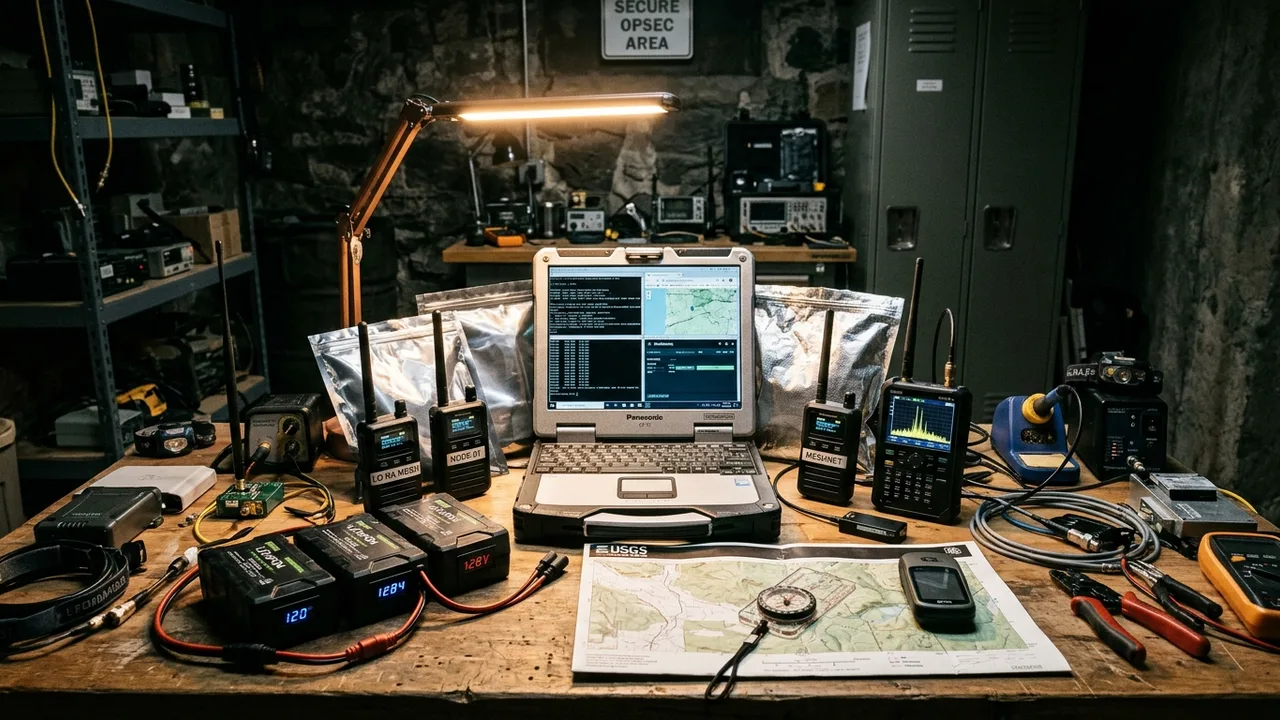
| Comms & Diagnostics | Multimeter fuses, USB-C PD cables, Li-ion 18650 cells, solder & flux | Print pinouts & service manuals on paper; store inside steel |
Tier 1: Energy, Pump, and Appliance Electronics
Start your audit with systems that fail hardest when an electrical spike or winter cold snap hits, keeping Ready.gov power outage preparedness guidelines in mind:
- 01.Solar Charge Controllers and Spare Inverters: If your off-grid cabin or backup battery wall runs on one primary
48VMPPT charge controller or inverter, one is zero. Keep at least one identical spare MPPT unit or a simpler rugged24V/48Vbackup inverter sealed in its factory anti-static sleeve alongside extraClass-Tmain battery fuses andMC4solar connectors. You cannot improvise a blown MPPT MOSFET array with hardware-store wire.
- 02.Motor Start/Run Capacitors: Well pumps, chest freezers, shop air compressors, and furnace blower fans share one notoriously fragile consumable: aluminum electrolytic and polypropylene start/run capacitors (
usually $7–$15). Read the exact microfarad (µF) and voltage (370V/440V AC) numbers stamped on your well pump box, freezer compressor relay, and air handler right now, and tape a brand-new spare inside a plastic zip bag right to the side of each machine.
- 03.Furnace Igniters and Flame Sensors: Almost every modern gas or propane forced-air furnace goes completely cold if a fragile ceramic hot-surface igniter cracks—an
$18rod stuffed inside a crisp Taiwanese silicon-carbide package. Keep two exact-match spares in foam-lined boxes beside your furnace disconnect switch.
- 04.Heavy-Duty Mechanical Relays and Contactors: Solid-state control boards die from lightning transients; simple
24Vor120Velectromechanical contactors (30A–40A DPST) can be wired manually in an emergency to run freezers, fans, or well pumps without any microchip board at all.
Tier 2: Mechanical Consumables and Fasteners
Electronics steal the headlines, yet mechanical wear items bring farms and workshops to a dead stop just as fast when Asian container ships stop docking—a reality explored in our hardware resilience and field maintenance manual:
- Belts, Seals, and O-Rings: Pick up a metric and SAE Viton/Buna-N O-ring assortment kit, spare V-belts for every generator, lawn tractor, and air compressor on your property, plus two spare water-pump mechanical shaft seals. Wrap rubber belts loosely (
never kinked tight) inside dark, cool sealed tubs away from ozone-producing electric motors.
- Bearings and Chainsaw/Mower Parts: Keep two sets of sealed ball bearings (
6203 / 6204or your specific mower spindle and trailer wheel bearings), grease gun cartridges, spare chainsaw bars, chains, spark plugs (NGK / Champion), and carburetor diaphragm rebuild kits (Walbro / Zama).
- Ceramic Multimeter Fuses and Soldering Gear: When your house inverter glitches in February, trying to troubleshoot DC buses with a dead multimeter because you blew its special
10A / 600Vceramic fuse is maddening. Stock a five-pack of exact fuses, a temperature-controlled60Wor USB-C PD soldering iron, leaded63/37rosin-core solder (far easier for field repairs than brittle lead-free alloys), desoldering braid, and heat-shrink tubing.
Tier 3: Batteries, Cells, and Medical Devices
Look inside every battery drawer and medicine cabinet in your house before container rates jump:
- Standardized Lithium & NiMH Cells: Keep
Enelooplow-self-discharge AA/AAA NiMH rechargeable cells plus two reliable4-baysmart chargers, alongside protected18650cells for headlamps and two-way radios. Store lithium primary (CR123A,CR2032key-fob/BIOS/optic coin cells) in cool dark tins—they hold charge cleanly for ten years and vanish fast from drugstores during crises.
- Medical Hardware Consumables: Anyone at home relying on a CPAP machine, nebulizer, glucose meter, blood-pressure cuff, or digital thermometer needs spare tubing, filters, mask cushions, test strips, and backup battery power cables—almost all manufactured across East Asia, with active supply bottlenecks tracked on the FDA Drug Shortages portal.
- Optical Glasses and Reading Specs: A cracked pair of prescription eyeglasses takes weeks to replace during normal times and months if resin lens blanks stall in transit. Order two cheap backup pairs with your current prescription written cleanly on paper inside your archive binder.
How to Store Electronics So They Survive Years in a Closet
Throwing loose circuit boards into a damp basement cardboard box invites corrosion before you ever need them:
- Moisture Control: Seal spare boards, inverters, and sensors inside re-sealable Mylar anti-static ESD bags dropped into gasketed plastic totes or metal ammo cans with indicator silica-gel packets (
check twice a year and bake saturated beads dry).
- EMP & Surge Hygiene: Wrapping boxed backup inverters or spare vehicle ECU modules inside ESD bags, then a layer of heavy cardboard insulation, and seating them inside a tightly sealed Faraday cage or grounded steel ammo box protects delicate CMOS gates from nearby lightning electromagnetic transients as well as dust and mice.
- Print the Pinouts: Download PDF wiring diagrams, fault-code tables, and service manuals for every machine you own today, save them onto an offline survival data archive, and print the critical wiring pages on paper tucked right inside each spare-parts bin.
The Five-Minute Parts Audit You Can Do Tonight
Do not try buying an entire hardware store in one weekend. Walk around your house tonight with a notepad and check five concrete items:
- 01.Read the label on your well pump control box and order one exact-match relay and capacitor set.
- 02.Open your furnace access door (
power switched off first!), photograph the igniter plug and blower capacitor rating, and order one backup pair.
- 03.Check the belt code printed on your standby generator and lawn tractor, plus the exact oil and fuel filter part numbers.
- 04.Count how many
USB-C PDpower bricks, spare multimeter fuses, and18650battery cells sit inside your junk drawer—if any critical radio or headlamp relies on one worn charger, buy two spares now.
- 05.Check your family's daily prescriptions and medical hardware consumables, rotating an extra thirty-to-sixty-day reserve cleanly forward.
Build a Simple Spare-Parts Ledger Before You Need It
Never toss loose relays and capacitors into an unlabeled coffee tin and expect to remember what fits which machine two winters from now. Take a permanent paint marker and write the exact appliance model number, serial tag, and replacement date directly onto each anti-static bag. Tape a small spare-parts inventory sheet inside your breaker box door or utility shed wall showing which drawer holds well pump capacitors, generator belts, and furnace igniters. When a basement pipe bursts or a chest freezer goes warm at midnight during a storm, finding the exact $12 start relay inside thirty seconds beats digging blindly through six dusty plastic tubs while groceries thaw. Also keep a small zip pouch of stainless hose clamps, brass compression fittings, electrical ring terminals, and quality marine heat-shrink tubing right beside your soldering iron so improvised field splices hold safely under real winter vibration.
Stocking spares is the dullest, smartest insurance in preparedness. You never lose money buying an extra furnace igniter, well capacitor, or brake sensor you were going to replace eventually anyway—you simply lock in today's peacetime price and skip the empty-shelf panic if the strait goes quiet. When shipping containers anchor off Busan for two months, the person holding an eighteen-dollar capacitor in a labeled shoebox sleeps warmly while everyone else waits on backorder spreadsheets. Do one shelf check this weekend, order the half-dozen weak-link parts hiding inside your own utility room, and put that quiet worry behind you for the next few years. Even if maritime trade across the Western Pacific stays completely peaceful through 2027, having an exact spare capacitor, belt, and multimeter fuse sitting neatly in a labeled bin saves you frozen pipes, spoiled freezer meat, and weekend emergency repair markups the very next time an ordinary appliance wears out.
Real-time geospatial feed aggregating USGS M5.0+ earthquakes, NASA EONET wildfires, volcanoes, severe storms, UN/EC GDACS alerts, and NOAA geomagnetic status.
Related Reports & In-Depth Intel
The Analog Firewall Manual
In the wake of FBI warning FLASH-20261113-001 (ARTEX), European cold-chain controller hacks, and $2.58 TCP/IP zero-days, physical resilience demands isolating critical inverters, wells, and refrigeration equipment onto offline LANs backed by hard electromechanical failsafes.
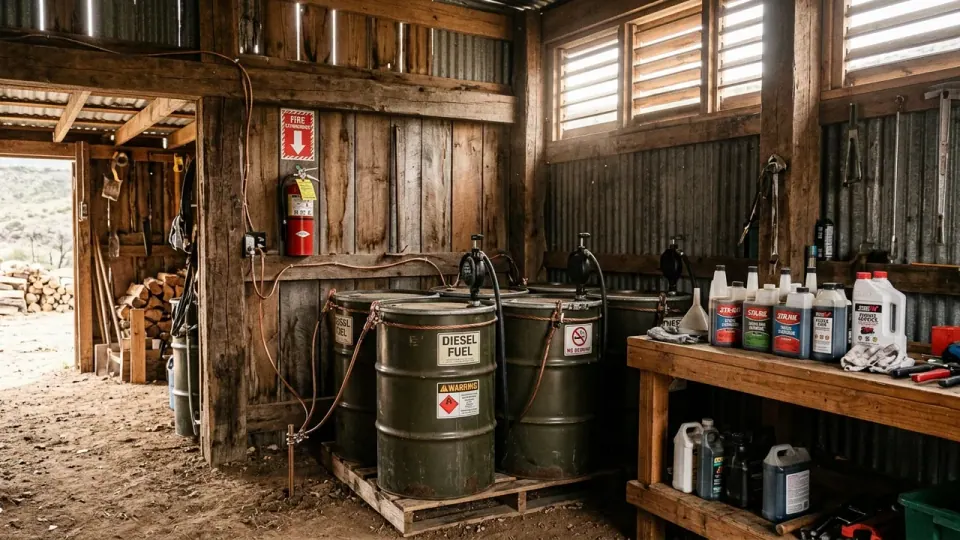
Refinery-Down Survival: Winter Diesel Stabilization, Biocide Fuel Polishing
As kinetic refinery attrition removes over half of regional refining output and grid strikes trigger sub-zero power rationing, off-grid survivability requires disciplined diesel stabilization, water-separator fuel polishing, cold-flow anti-gel chemistry, and LiFePO4 generator cycle efficiency.
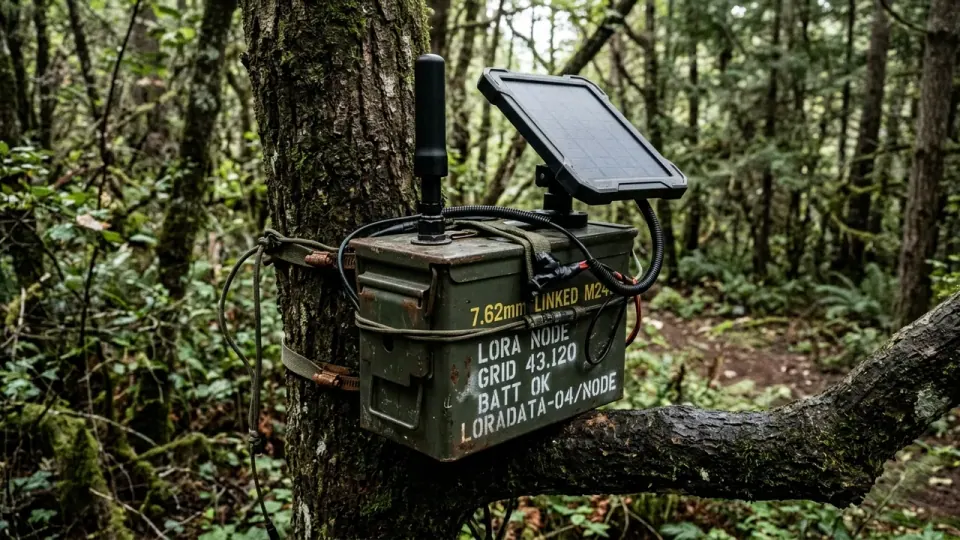
Tactical Communications Field Manual
A technical field manual for establishing resilient off-grid communications networks using Near-Vertical Incidence Skywave (NVIS) HF radio antennas and solar-buffered, AES-256 encrypted LoRa mesh topologies during electronic jamming and grid-down blackouts.
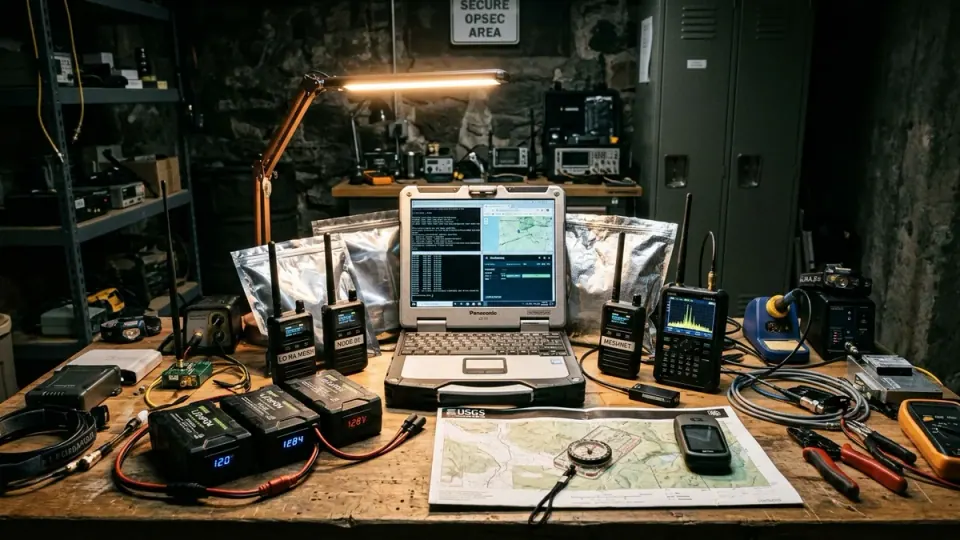
Analog Countermeasures & Digital Blackout Guide
A practical, field-tested operational security manual for establishing personal and family digital sovereignty. We detail hardware Faraday defenses, off-grid air-gapped cryptographic vaults, biometric evasion, voice cloning countermeasures, and decentralized LoRa mesh networking.