Beijing Rehearses the Taiwan Stranglehold
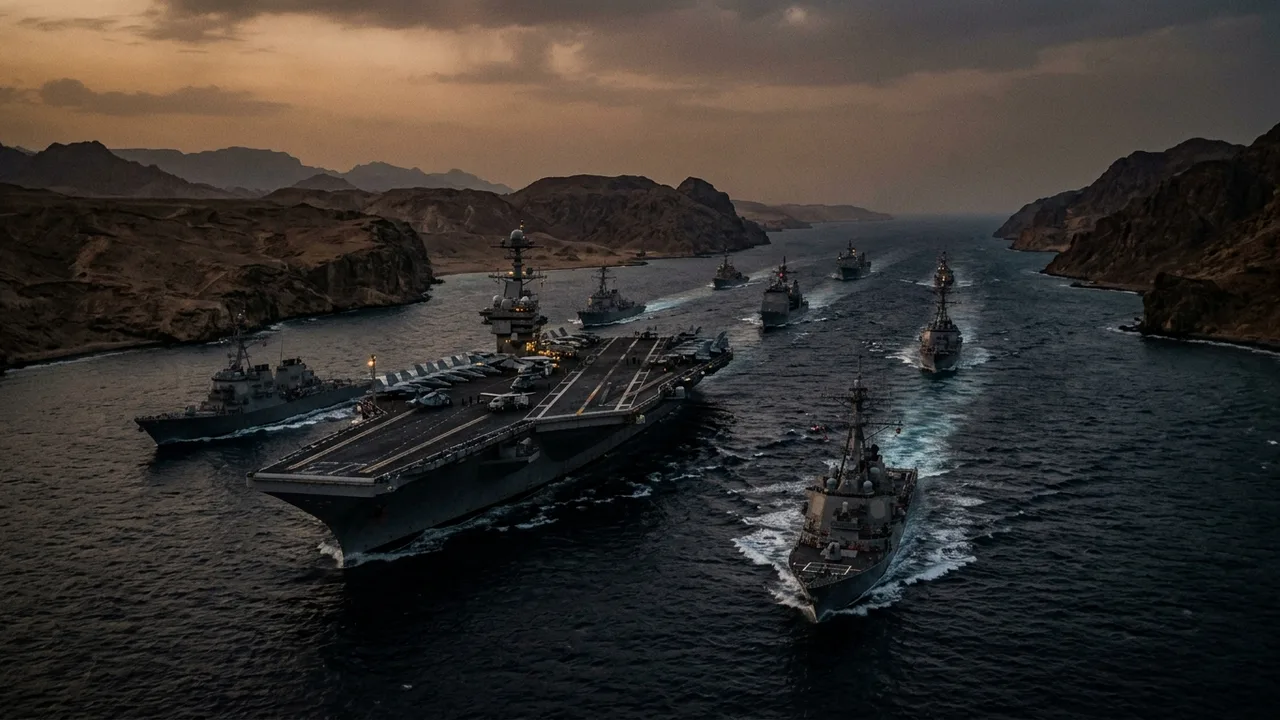
Two Chinese carrier groups, scores of coast guard hulls, and unannounced encirclement drills past the First Island Chain signal a shift from invasion theater to sustained maritime strangulation.
No warning notice went out to commercial airlines, no polite diplomatic cable hit Tokyo or Manila, and no state television anchor read a scripted ultimatum. Ships simply appeared on maritime radar screens across the Western Pacific in mid-November 2026—lots of them, arranged in tight concentric rings that stretched well past the First Island Chain toward Guam.
Taiwan's National Security Council spent several tense days tracking the movement. Both the Liaoning and the newer Fujian aircraft carrier strike groups pushed out into open Pacific waters alongside heavy destroyer escorts and dozens of white-hulled China Coast Guard cutters. Those white hulls matter more than people outside the region realize. You do not send coast guard boarding cutters past Okinawa if you are rehearsing a D-Day amphibious beach assault. You send them to practice stopping, boarding, inspecting, and turning around container ships, LNG tankers, and bulk coal carriers bound for Kaohsiung and Keelung.
Beijing is no longer treating the blockade of Taiwan as an emergency wartime stunt. It is practicing how to turn an industrial island of twenty-three million people into an unlit warehouse without necessarily firing the first torpedo.
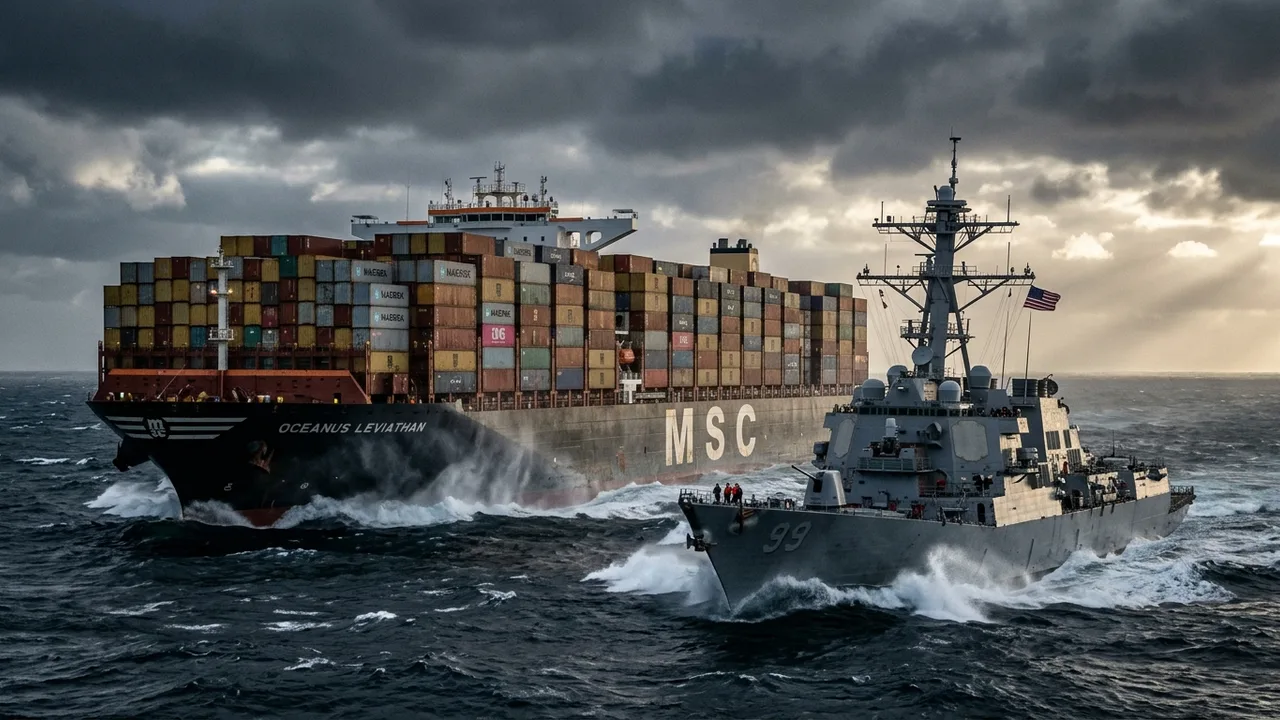
Why a Quarantine Beats an Invasion on Paper
Military planners in Taipei and Washington have spent twenty years wargaming amphibious landing craft hitting rocky western Taiwanese beaches. Those beaches are a defender's dream and an attacker's graveyard: shallow tidal mudflats, narrow mountain passes behind them, and concrete seawalls wired for demolition. Putting two hundred thousand troops ashore across ninety miles of rough water under anti-ship missile fire invites catastrophic loss.
A rolling maritime quarantine sidesteps the beaches entirely. Taiwan imports roughly ninety-eight percent of its primary energy—coal, liquefied natural gas, and crude oil—alongside seventy percent of its calories. Natural gas storage tanks on the island typically hold less than two weeks of winter burn. Coal stockpiles last barely a month or six weeks before power plants begin throttling voltage to semiconductor fabs in Hsinchu and Tainan.
The mid-November 2026 maneuvers tested three concrete pieces of that chokehold simultaneously:
- 01.Outer-Ring Area Denial: By pushing the Fujian and Liaoning groups deep into the Philippine Sea toward Guam, the People's Liberation Army Navy (PLAN) rehearsed blocking U.S. Seventh Fleet tankers, long-range bombers, and resupply convoys before they ever come within five hundred miles of Taiwan's east coast.
- 02.Coast Guard Legal Warfare: Using civilian-painted China Coast Guard vessels inside the Bashi Channel and waters east of Hualien lets Beijing frame a shipping halt as "customs inspection" or "safety enforcement" rather than formal war, daring foreign shipping insurers to keep underwriting hull policies into Kaohsiung.
- 03.Zero-Notice Tempo: Running the deployment completely unannounced proves Beijing can flip commercial sea lanes from normal traffic to military exclusion zones inside forty-eight hours—leaving international crisis cabinets scrambling to figure out whether an exercise has quietly become permanent.
| Critical Import Stream | Import Dependency | On-Island Buffer | First Industrial Shock |
|---|---|---|---|
| Liquefied Natural Gas | ~98% Maritime | 10 - 14 Days | Gas turbine brownouts |
| Thermal Coal | ~99% Maritime | 30 - 45 Days | Fab & grid rationing |
| Crude Oil & Jet Fuel | ~98% Maritime | 60 - 90 Days | Freight & air halt |
| Grain & Soy Feed | ~70% Calories | 45 - 60 Days | Pork/poultry culling |
| Neon / Specialty Gases | High (Bulk Sea) | Weeks to 2 Months | Lithography slowdown |
The Insurance Desk Pulls the Trigger First
People assume a blockade only begins when a destroyer fires a warning shot across a container ship's bow. In modern trade, the Lloyd's of London marine underwriting desk closes the strait days before any naval officer touches a fire-control console.
Once China Coast Guard cutters establish overlapping patrol boxes around Kaohsiung and Taipei ports during unannounced drills, London and Singapore P&I insurance clubs issue immediate war-risk riders. Daily hull premiums jump from fractions of a percent to multi-million-dollar surcharges per voyage. Shipping lines like Maersk, MSC, and Evergreen do not pay out of pocket to test whether a coast guard captain is bluffing—they simply order captains to drop anchor off Busan or Manila and wait for clarity.
When G7 foreign ministers met in Paris this month and issued another joint warning against altering the Taiwan Strait status quo by force or coercion, container brokers barely blinked. Statements from Paris do not lower hull insurance quotes. Every time Beijing repeats a three-day or five-day unannounced drill without paying a real economic price, freight forwarders bake slightly longer transit buffers and higher inventory costs into electronics supply chains worldwide.
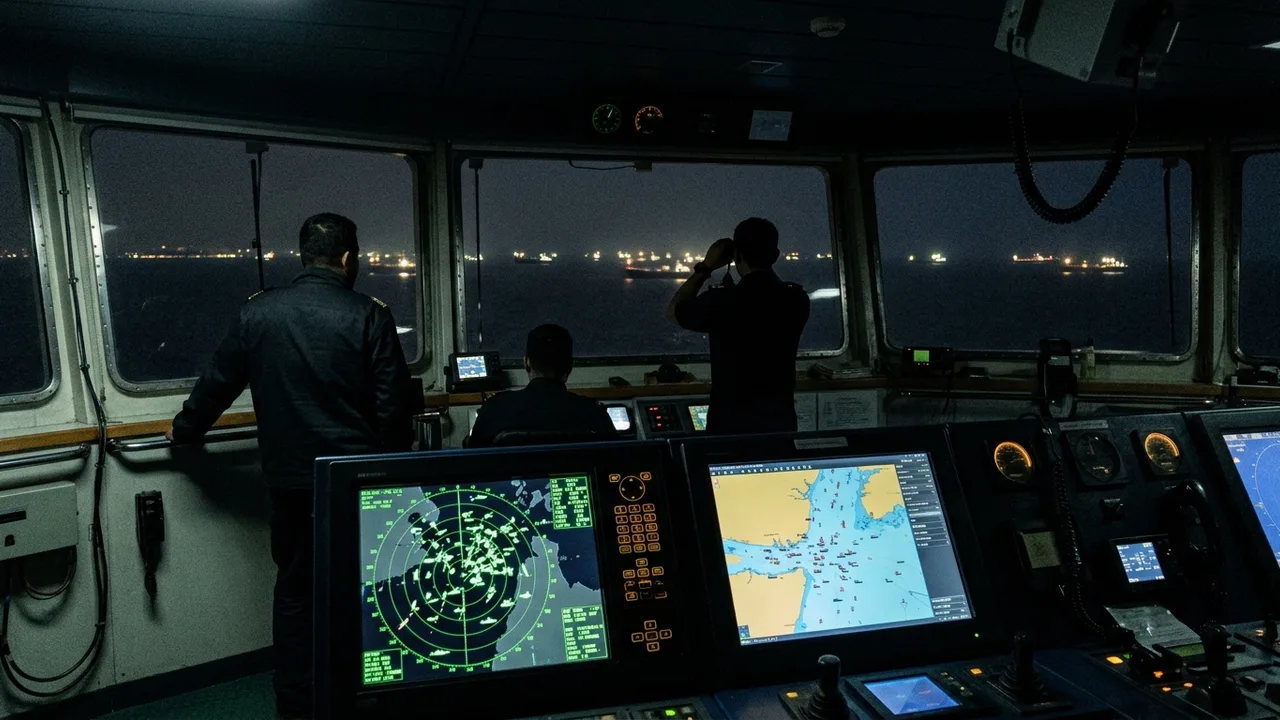
What Stops Moving When Hsinchu Goes Dark
Talk about semiconductor shortages usually sounds abstract until you list what actually ships out of Taiwan's western science parks every week. The island fabricates over sixty percent of the world's contract chips and more than ninety percent of the leading-edge logic silicon below five nanometers.
Look past smartphones and gaming graphics cards for a second. Think about the mundane hardware holding up daily infrastructure across North America and Europe:
- Automotive Power Controllers and ABS Modules: Even older twenty-eight-nanometer microcontrollers packaged in Tainan sit inside diesel truck fuel-injection computers, municipal transit buses, and agricultural combine harvesters. When those fabs lose steady grid frequency—lithography steppers crash completely if power fluctuates by even half a hertz—assembly lines in Munich, Michigan, and Aichi stall within six weeks.
- Substation Relays and Telecom Routers: Utility transformers, 5G base station radios, and hospital MRI boards all rely on Taiwanese substrate packaging and printed circuit assembly. Repairing a storm-damaged power grid in Texas or eastern Europe gets painfully slower when replacement control cards double in lead time.
- Medical Pump Microchips: Infusion pumps, dialysis machines, and automated blood analyzers depend on boring legacy chips whose tooling exists nowhere else at comparable volume.
Washington and Tokyo have spent tens of billions subsidizing new fabrication plants in Arizona and Kumamoto, yet most of those facilities still ship bare wafers back to East Asia for testing and packaging, or run older process nodes while advanced tooling remains clustered inside Taiwan itself. There is no instant backup fab sitting idle in Ohio waiting to absorb Kaohsiung's output.
A Two-Ocean Squeeze Nobody Budgeted For
The timing of the November 2026 Pacific drills could hardly be worse for Western naval logistics. Across the globe in the Middle East, Iran's persistent chokehold around the Strait of Hormuz has already pinned down three U.S. aircraft carrier strike groups—with the USS Theodore Roosevelt moving in to reinforce two forward carrier groups already exhausted from nine months of drone and missile interceptions.
Superpowers look immense on paper until you count actual dry-dock slips, air-defense interceptor stocks, and fleet oilers. Keeping three carrier groups fueled, rearmed, and rotating inside the Arabian Sea drains precision SM-2 and SM-6 surface-to-air missiles faster than defense factories can solder new guidance seekers. Pushing China's Liaoning and Fujian carrier groups past the First Island Chain toward Guam at that exact moment forces Pentagon planners into grim arithmetic: every destroyer tied down escorting oil tankers near Bahrain is one fewer hull patrolling the Luzon Strait.
Beijing understands that arithmetic coldly. You do not even need to sink an American carrier to reshape East Asian power balances—you just prove that Washington cannot simultaneously escort Gulf crude and break an unannounced commercial quarantine off Hualien without stripping Europe or running magazines dry in ten days.
Taipei's Quiet Domestic Scramble
Inside Taiwan, civilian authorities face an uncomfortable gap between public routine and emergency survival reality. Traffic still hums through Xinyi District, convenience stores still glow all night, and commuters still tap transit cards without thinking twice. Behind closed doors in ministry basements, civil defense planners know how thin the island's margin looks under a real sixty-day quarantine.
Emergency stockpiling efforts launched over the past two years have focused on three bottlenecks:
- Hardened LNG & Microgrid Islands: Authorities have tried expanding underground diesel reserves and battery buffers around hospitals and military command bunkers, though LNG storage expansion remains brutally slow near crowded coastal cities.
- Low-Earth-Orbit Backup Links: Because undersea fiber cables landing near Toucheng and Fangshan are trivial for anchor-dragging trawlers to sever in the opening hour of a crisis, Taiwan has scrambled to contract commercial satellite terminals and microwave relays to keep banking and civil emergency dispatchers talking if subsea glass goes dark.
- Food & Ration Booklets: Domestic rice paddies feed a solid share of basic starch demand if harvested smoothly, yet livestock feed—corn and soy—comes overwhelmingly by bulk carrier. Under an airtight quarantine, poultry and hog barns would be culled within weeks, cutting protein intake back to stored canned goods and local coastal catch inside a heavily mined sea.
- Substation and Transformer Spares: Taiwanese power engineers learned hard lessons from typhoon blackouts and have quietly dispersed spare autotransformers away from coastal yards, yet keeping thermal coal plants fed when bulk colliers anchor off Busan remains the harder math problem. Even fifty-percent factory rationing hits export wafer schedules within days.
What Comes Next
Neither Taipei nor Washington expects an amphibious armada next Tuesday morning. That almost misses the point. By running massive, zero-notice isolation drills stretching toward Guam with coast guard cutters in the vanguard, Beijing is normalizing the exact naval posture needed to clamp down on Taiwan's trade whenever political leverage runs thin.
For global manufacturers, utilities, and households outside Asia, the takeaway is blunt. Cheap, overnight electronics shipping across the Pacific rests on a narrow ribbon of sea water that just turned into a live rehearsal stage. Waiting for headlines about landing craft before treating Asian hardware and spare-part supply lines as vulnerable means waiting until the insurance desks have already locked the ports.
Real-time geospatial feed aggregating USGS M5.0+ earthquakes, NASA EONET wildfires, volcanoes, severe storms, UN/EC GDACS alerts, and NOAA geomagnetic status.
Related Reports & In-Depth Intel

Governance in Shambles
Governments rarely fail overnight. They hollow out through fiscal decay, broken municipal services, and rolling emergency decrees. Here are the real warning signs of institutional breakdown and practical steps to protect your household.
The Clock is Ticking
Nuclear conflict is often treated as an instant, unsurvivable extinction event, yet fallout physics tell a different story. Understanding blast types, the 7-10 decay rule, and expedient shielding can save millions of lives in the first 48 hours.
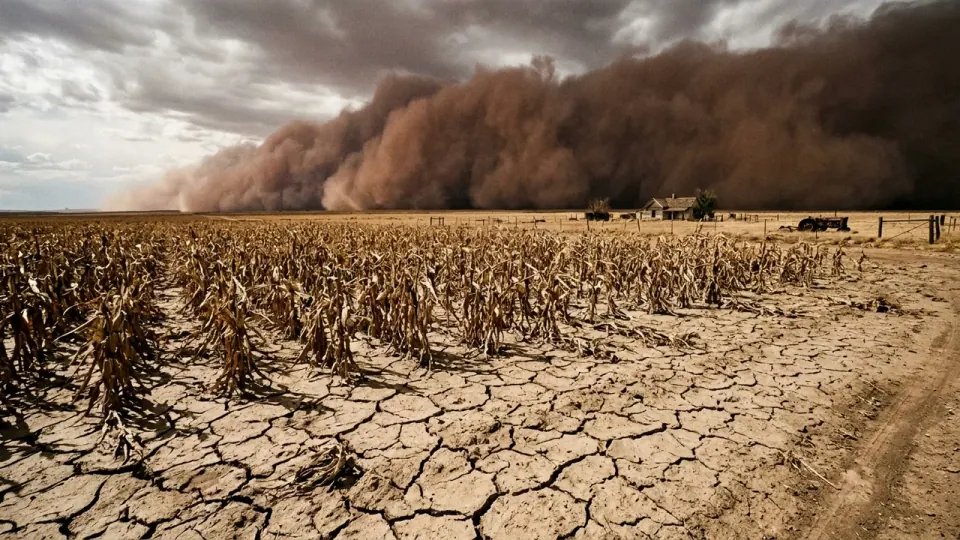
The +1.47°C Breach and the 2026–2027 Super El
With WMO global temperature anomalies hitting 1.47°C above pre-industrial norms and Niño 3.4 Pacific waters surging into a historic November–January peak, simultaneous Southern African crop failure and Andean emergency declarations reveal how a supercharged ENSO fractures fragile food and aid networks.
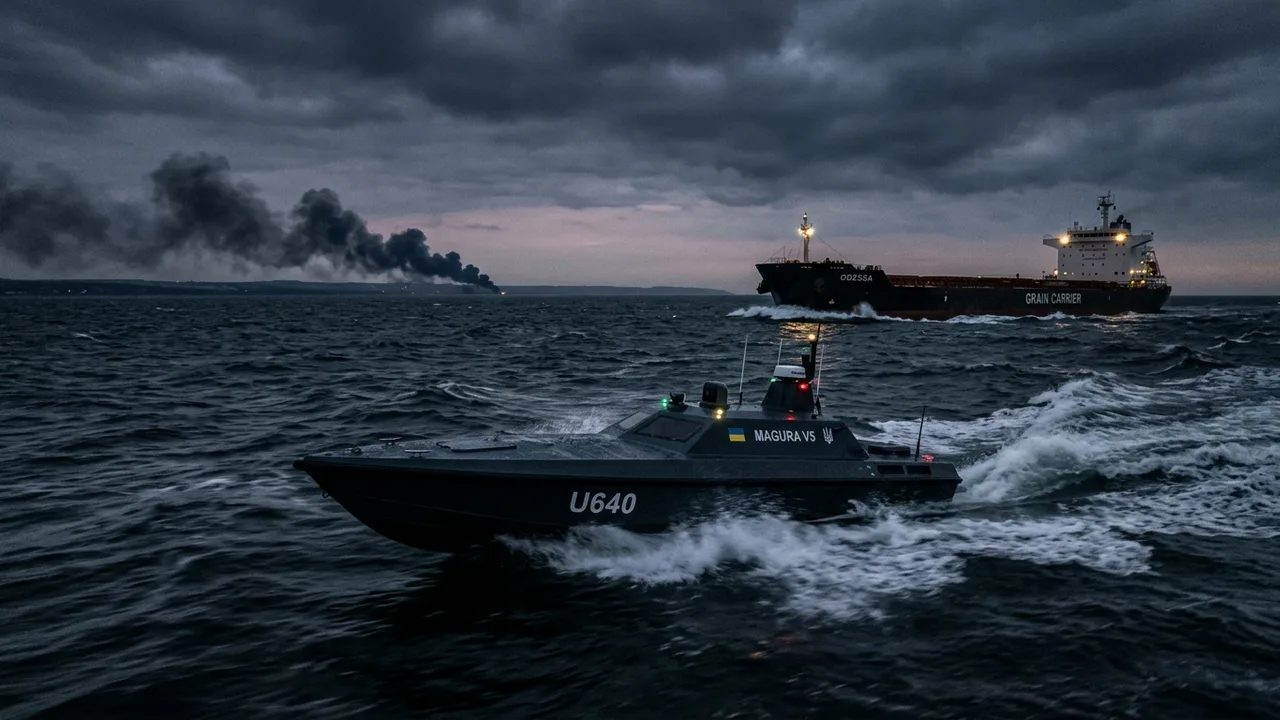
Black Sea Naval Drone Warfare and the Total
The deployment of autonomous uncrewed surface vessels (USVs) and hypersonic anti-ship missile salvos across the Black Sea basin has triggered the indefinite suspension of commercial maritime shipping, stranding 35 million metric tons of essential agricultural exports.