Governance in Shambles

Governments rarely fail overnight. They hollow out through fiscal decay, broken municipal services, and rolling emergency decrees. Here are the real warning signs of institutional breakdown and practical steps to protect your household.
Popular fiction portrays state collapse as a single dramatic afternoon: tanks roll down Main Street, television broadcasts cut to static, and the constitution vanishes before dinner. Real history almost never works that way. From late-1990s Argentina and the post-Soviet periphery to modern cities paralyzed by severe storms or fiscal default, governance unravels in ragged, uneven layers long before anyone declares an official emergency—parallel to how the rule of law fractures asymmetrically.
Long before troops appear at intersections, ordinary citizens notice quieter fractures tracked across indicators like the World Justice Project Rule of Law Index. Municipal trash goes uncollected for weeks; 911 dispatch puts non-violent property calls on indefinite hold; civil courts fall three years behind on basic contract disputes; boil-water advisories turn semi-permanent; and potholed arterials go unpatched because municipal bond markets froze. When central authorities finally lose grip over inflation, supply lines, or street order, emergency decrees and martial-law measures arrive not as sudden surprises, but as desperate attempts to reassert control over systems already broken.
Early Warning Indicators of Institutional Decay
Seasoned observers separate routine partisan noise from structural failure by tracking hard operational metrics rather than cable news pundits:
- Municipal Service Triage: Watch local water utilities, road crews, and ambulance response times. When cities quietly stop prosecuting retail theft, cut streetlighting to save power bills, or lose experienced utility engineers without replacements, institutional bandwidth is shrinking fast—trends widely documented in World Bank fragile-state assessments.
- Emergency Powers Creep: Pay close attention when temporary executive orders, curfew statutes, or emergency economic regulations are renewed repeatedly without legislative oversight. Once legal exceptions become standard governing tools, civil protections erode rapidly during the next shock.
- Financial Friction and Capital Controls: Sovereign stress surfaces first in banking plumbing—ATM withdrawal limits, sudden currency controls, delayed tax refunds or contractor payments, and rising spreads between official exchange rates and street cash markets, often signaling a looming sovereign debt cascade of the kind analyzed in the IMF World Economic Outlook.
- Parallel Authority: When private security contractors, neighborhood patrols, or local factions begin adjudicating disputes or guarding commercial corridors because municipal policing retreated, monopoly governance has already fractured on the ground.
How Martial Law and Emergency Rule Actually Function
In a severe domestic crisis—whether triggered by prolonged grid loss, widespread riots, war, or economic freeze—authorities rarely have enough personnel to police every neighborhood block, a humanitarian constraint studied closely by the International Committee of the Red Cross. Instead, emergency rule concentrates heavily on chokepoints, logistics, and information:
- Movement Restrictions and Curfews: Expect strict dusk-to-dawn curfews, highway checkpoints controlling access into urban cores, and travel-permit requirements tied to essential occupations. People without clear documentation or credible destinations face immediate detention or vehicle turnbacks.
- Rationing and Price Controls: Governments almost invariably respond to panic shortages by imposing price ceilings on fuel, bread, and medicine. Historically, price controls empty official retail shelves overnight while pushing scarce essentials into underground barter and black markets at triple the price.
- Communications Throttling: During acute civil unrest, cellular towers and mobile internet gateways are routinely throttled or shut down locally to disrupt crowd coordination—leaving households dependent on local broadcast radio and face-to-face networks for verified updates.
- Requisition Authority: Under broad emergency statutes, authorities may seize private fuel reserves, generators, warehouse food stocks, or heavy equipment deemed vital for public infrastructure. Quiet storage beats loud bragging every time.
Practical Survival Discipline Under Unstable Governance
Surviving weakened institutions or heavy-handed emergency decrees requires balancing physical self-reliance with sharp situational awareness.
1. Maintain Multi-Layered Liquidity and Quiet Reserves
Never leave 100 percent of your purchasing power inside a single bank's digital ledger. During banking holidays or ATM freezes, small-denomination physical cash ($1, $5, $10, and $20 bills) buys groceries and fuel when card terminals fail and vendors cannot make change for hundred-dollar notes. Complement cash with durable practical barter items that hold universal street value without screaming wealth—extra work gloves, bic lighters, salt, coffee, AA/AAA batteries, clean water filters, and basic wound-care supplies. Keep stored food, fuel drums, and solar generators discreetly out of street view; in an environment of rationing or desperation, visible abundance invites unwanted attention from both scavengers and inspectors.
2. Carry Impeccable Paperwork and Practice Gray-Man Mobility
At military or police checkpoints, confrontation is a losing game. Keep physical laminated copies and originals of government IDs, vehicle registrations, proof of insurance, property deeds, business credentials, and current medical prescriptions organized inside an accessible grab-binder alongside emergency checklists from FEMA Ready.gov. Dress plainly, drive an unremarkable stock vehicle, strip political or tactical bumper stickers off glass, and plan alternate secondary routes around major urban bottlenecks and civil unrest flashpoints. If a curfew hits, stay off the streets until daylight and clarity return.
3. Build Local Mutual Aid Before Crisis Hits
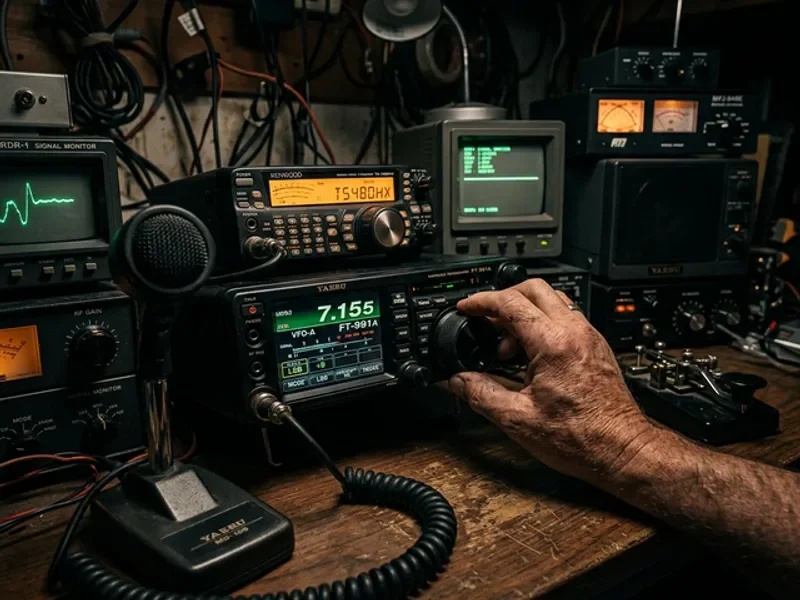
The "lone wolf" fortress myth collapses quickly under real-world stress—a reality detailed in our community versus lone-wolf survival analysis. One household cannot sleep, pull perimeter watch, tend gardens, haul water, treat injuries, and repair broken equipment twenty-four hours a day for months on end. Resilient survival rests on trusted local micro-communities—three to ten neighboring households who know one another's names and trades before trouble starts. A retired nurse, a diesel mechanic, a licensed ham radio operator, and a gardener sharing tools and information quietly outperform an isolated bunker every single time.
4. Diversify Essential Utilities and Information Channels
The less your household relies on centralized municipal valves and wires, the less exposed you remain to bureaucratic breakdown or rationing edicts. Secure redundant potable water storage plus gravity filtration, keep safe off-grid cooking and heating fuel on hand, and maintain reliable grid-down radio communications via battery/crank AM/FM/shortwave receivers.
Just as critical during emergency rule is information hygiene. When mobile networks are throttled or rumor mills explode on street corners, false panic spreads faster than verified facts—driving dangerous bank runs, premature evacuations into closed roads, or unnecessary neighborhood friction. Cross-check every street rumor against at least two independent sources: local VHF/UHF emergency frequencies, regional AM clear-channel stations broadcasting from outside the immediate crisis zone, and trusted face-to-face contacts before committing your family to irreversible moves.
Institutional stability is easy to take for granted until the week the trucks slow down and emergency sirens replace routine traffic. Preparing quietly—financially, legally, materially, and socially—keeps your household steady while official systems scramble to catch up.
Real-time geospatial feed aggregating USGS M5.0+ earthquakes, NASA EONET wildfires, volcanoes, severe storms, UN/EC GDACS alerts, and NOAA geomagnetic status.
Related Reports & In-Depth Intel

Beijing Rehearses the Taiwan Stranglehold
Two Chinese carrier groups, scores of coast guard hulls, and unannounced encirclement drills past the First Island Chain signal a shift from invasion theater to sustained maritime strangulation.
The Clock is Ticking
Nuclear conflict is often treated as an instant, unsurvivable extinction event, yet fallout physics tell a different story. Understanding blast types, the 7-10 decay rule, and expedient shielding can save millions of lives in the first 48 hours.
The +1.47°C Breach and the 2026–2027 Super El
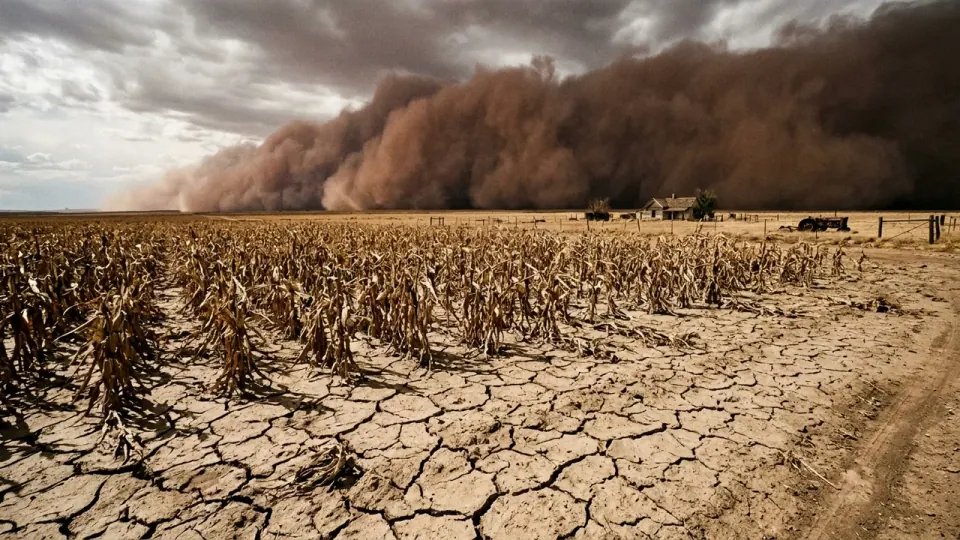
With WMO global temperature anomalies hitting 1.47°C above pre-industrial norms and Niño 3.4 Pacific waters surging into a historic November–January peak, simultaneous Southern African crop failure and Andean emergency declarations reveal how a supercharged ENSO fractures fragile food and aid networks.
Black Sea Naval Drone Warfare and the Total
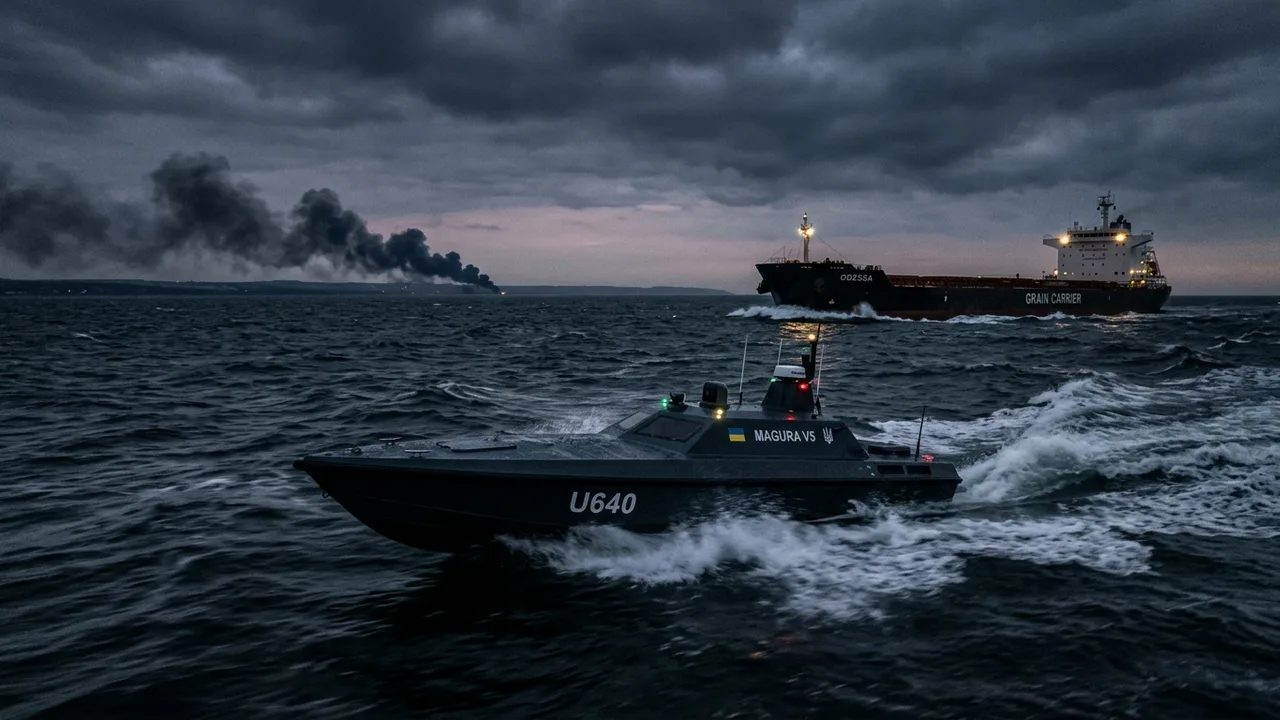
The deployment of autonomous uncrewed surface vessels (USVs) and hypersonic anti-ship missile salvos across the Black Sea basin has triggered the indefinite suspension of commercial maritime shipping, stranding 35 million metric tons of essential agricultural exports.