Refinery-Down Survival: Winter Diesel Stabilization, Biocide Fuel Polishing
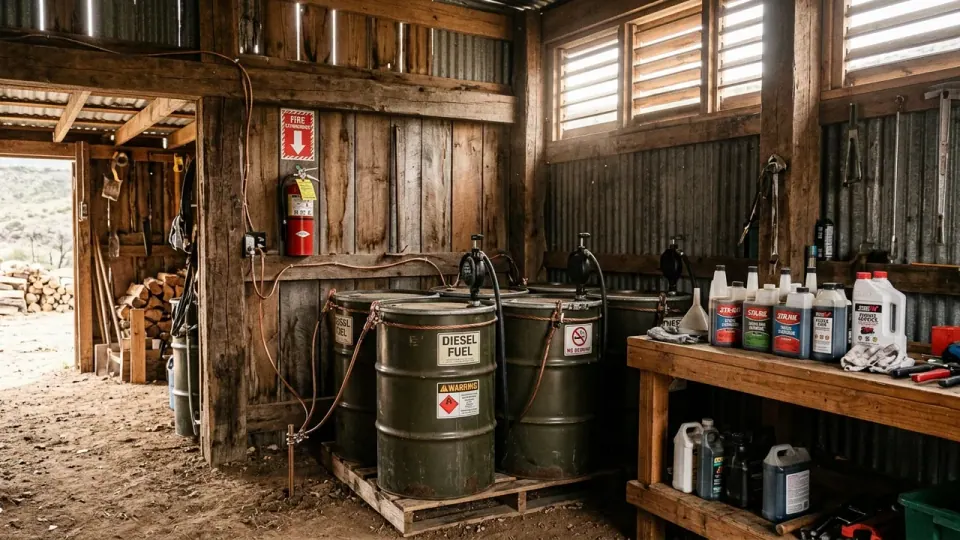
As kinetic refinery attrition removes over half of regional refining output and grid strikes trigger sub-zero power rationing, off-grid survivability requires disciplined diesel stabilization, water-separator fuel polishing, cold-flow anti-gel chemistry, and LiFePO4 generator cycle efficiency.
When geopolitical infrastructure war disables over half of a major industrial nation's crude distillation towers right before winter freeze—or when maritime chokepoint shocks across Hormuz and Aden squeeze middle-distillate tanker flows—retail fuel pumps do not politely wait for engineering repairs. Rationing notices, fleet allocation priorities, dirty bottom-of-tank emergency reserve fuel deliveries, and rolling grid blackouts hit municipal regions simultaneously. Households, small medical clinics, rural farms, and workshops suddenly discover an unforgiving mechanical reality: storing raw fuel in cheap plastic jerrycans and wiring a noisy portable generator straight into a breaker panel will leave them stranded and freezing within weeks.
Modern Ultra-Low Sulfur Diesel (ULSD) blended with five to twenty percent fatty acid methyl ester biodiesel (B5–B20) is biologically unstable compared to the heavily sulfured, mineral-rich middle distillates manufactured thirty years ago, as documented in the DOE/NREL Biodiesel Handling and Use Guide. Removing sulfur stripped away natural lubricity and bacteriostatic chemistry, replacing it with hygroscopic plant-ester fractions that eagerly draw atmospheric condensation water straight through vented drum bungs. Worse yet, burning contaminated winter fuel—or running a heavy generator continuously at fifteen percent load solely to power a refrigerator and router—destroys high-pressure injection pumps, glazes cylinder walls with wet-stacking carbon, and burns through an entire winter's stored drums in less than a month.
This field manual provides deterministic, workshop-tested specifications for multi-year diesel hygiene, mechanical fuel polishing, winter pour-point conditioning, and high-efficiency generator-to-LiFePO4 microgrid load management built specifically to complement our winter fuel rationing and tactical energy manual during extended utility blackouts.
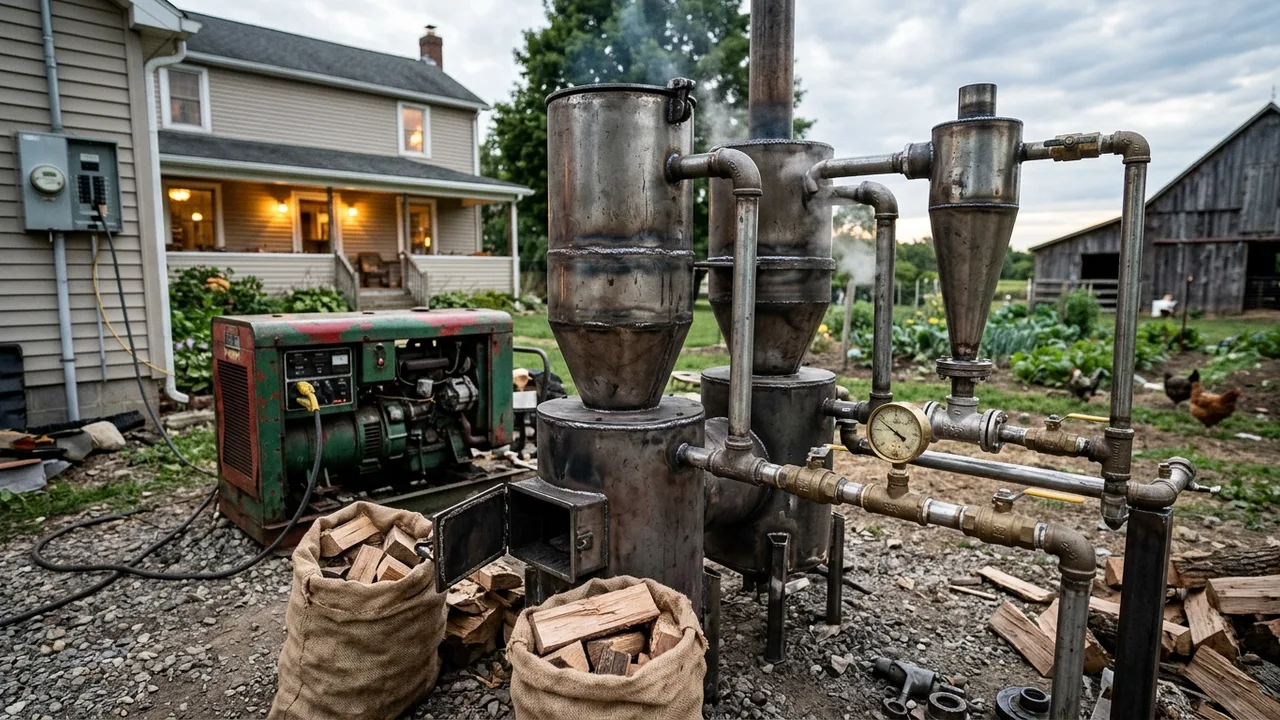
Phase 1: Long-Term Fuel Storage Architecture and Microbial Defense
The greatest silent killer of backup power during prolonged utility failure is not mechanical piston failure—it is fuel degradation occurring months before the grid even goes down. Emergency crews and homeowners regularly pull dusty jerrycans out of storage during a November blackout only to clog every micron fuel filter within twenty minutes of cranking.
Container Selection, Condensation Physics, and Headspace Control
Thermal expansion and contraction between freezing nights and milder afternoons causes vented storage containers to literally "breathe" humid air inward every twenty-four hours. As warm daytime fuel contracts overnight, moist external air condenses directly onto interior steel walls and sinks beneath the diesel layer, creating a stable water interface along the drum bottom:
- Eliminate Clear and Translucent Plastics: UV-permeable containers (
standard yellow HDPEcans stored near windows or outdoor light) accelerate photo-oxidation, forming gummy asphaltene polymers that foul injector pintles irreversibly. Store bulk reserves exclusively in opaque high-density cross-linked polyethylene (`XLPE`) totes, steel 200-liter drums internally epoxy-lined (`not galvanized zinc!`), or buried double-wall fiberglass vaults. Crucially, never use galvanized steel fittings, zinc plating, or bare copper tubing in diesel circuits—copper acts as a violent polymerization catalyst in biodiesel blends, turning fuel into sludge within months, while diesel acids leach zinc soaps straight into fuel injectors. Use black iron, stainless steel, aluminum, or Viton/fluorocarbon hoses exclusively.
- Keep Drums 95% Full: Minimizing air headspace cuts diurnal moisture inhalation drastically. Consolidate half-empty cans into completely topped-off steel drums rather than keeping four partially filled barrels sweating condensation all winter.
- Desiccant Vent Dryers: On stationary 200L–1,000L bulk day-tanks, fit screw-on silica-gel breather caps onto the small 3/4-inch NPT vent bung so any air drawn inward during cooling passes cleanly through moisture-stripping crystals first.
Controlling the "Diesel Bug": Fungi, Bacteria, and Sludge Remediation
Where condensed free water sits quietly beneath stored ULSD fuel, anaerobic and aerobic microbes—chiefly the filamentous fungus Hormoconis resinae (kerosene fungus) alongside anaerobic sulfate-reducing bacteria—multiply rapidly across the oil-water boundary layer. They consume hydrocarbon chains, excrete corrosive organic acids capable of pitting steel drums, and spin slimy dark biomass webs that choke paper fuel filters solid.
Preventing biological collapse requires an intentional two-tier chemical and physical maintenance schedule:
- 01.Preventive Shock & Maintenance Biocide: Dose fresh storage drums immediately upon fill with an EPA-registered, dual-phase petroleum biocide (isothiazolinone or morpholine-thiocyanate chemistry soluble in both the hydrocarbon and water phases—never substitute alcohol-based fuel dryers!), while following EPA emergency response spill-containment safeguards around bulk drum storage. Follow manufacturer shock dosing only if contamination is suspected (
killed biomass drops to the tank bottom and MUST be filtered out before running engines), then maintain sterile storage at standard preservation rates (typically 100–250 ppm).
- 02.Stabilizers & Lubricity Restoration: Add an amine-based thermal/antioxidant stabilizer (
reducing gum oxidation up to 24+ months) paired with a sulfur-free lubricity enhancer (especially if storing winter kerosene or #1 cold-weather diesel), protecting delicate rotary distributor and common-rail high-pressure pumps from metallic galling.
- 03.Never Use Alcohol De-Icers in Common-Rail Diesels: Consumer isopropyl or methanol "dry-gas" additives emulsify free water straight past factory fuel-water separator meshes directly into microscopic 2-micron injector nozzles, causing steam explosions at
2,000+ barinjection pressures and destroying injectors instantly.
| Ambient Temp / Strategy | Fuel Formulation / Blend | Filter / Separation Spec | Runtime Rule |
|---|---|---|---|
| Storage (> 6 Months) Stable Shed (5C to 20C) | Pure ULSD (B0 preferred) + Antioxidant + Biocide (B20 drains faster; avoid >B5) | Draw sample bottom drain quarterly; polish through 30->10->2 micron manifold | Seal tight; check desiccant silica color |
| Early Frost (-5C to -15C) Cloud Point Protection | Winter #2 + #1 Kerosene Cut (70/30) or Polymer Anti- Gel (Pre-mixed BEFORE freeze!) | Drain glass water bowl weekly before cranking; spare heated bowl gasket | Run 60-75% rated load via battery charge |
| Deep Freeze (Below -18C) Zero Paraffin Gel Spec | 50/50 #2/#1 Arctic Kerosene + Double Lubricity Additive | Inline 12V/AC thermal pad pre-heater on primary 10u | Insulate tank; intake preheat |
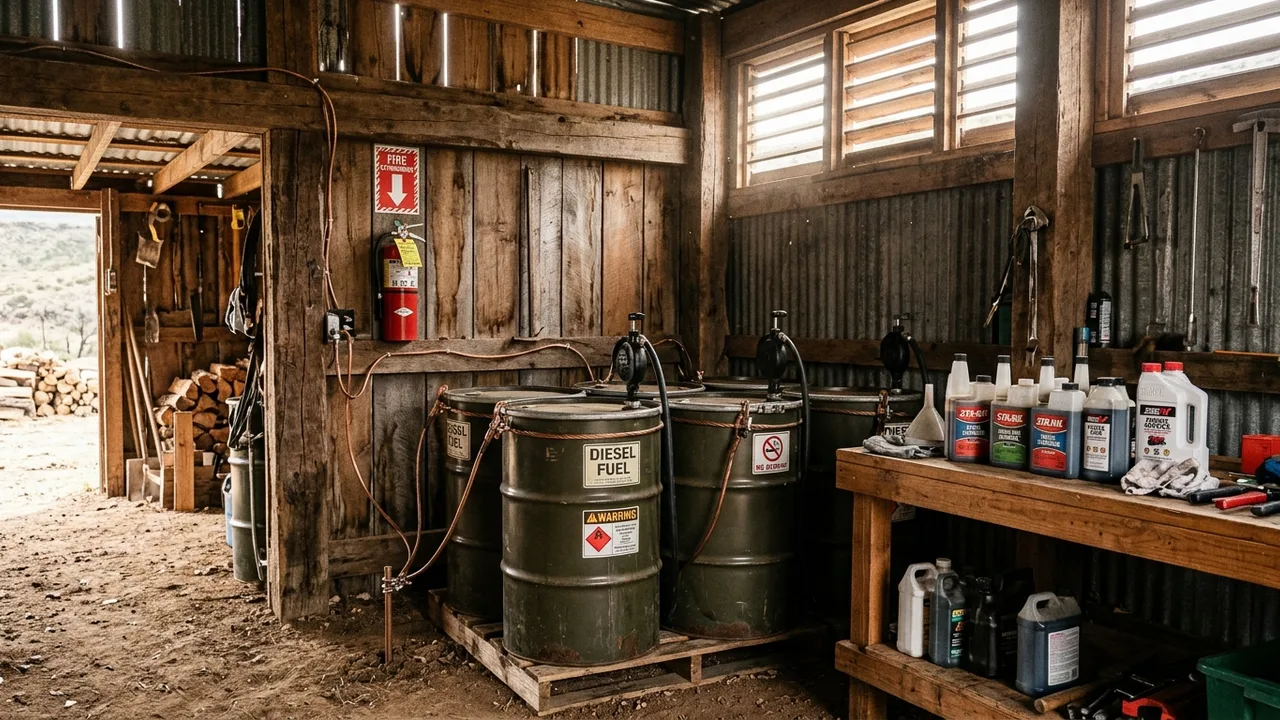
Phase 2: Building a Gravity/Transfer Fuel Polishing Rig
If rationing forces you to accept suspect off-road agricultural diesel, siphon salvage fuel from dormant fleet machinery, or revive year-old storage barrels, never pour unverified drum contents straight into your generator tank. Construct a standalone benchtop closed-loop fuel polishing manifold:
- Intake Pick-up (`1 Inch Off Drum Bottom`): Insert a rigid black-iron or aluminum standpipe that stops one inch above the bottom chime—never rest suction hose flush against drum sludge—pairing it with a smaller manual copper/aluminum bottom-thief siphon tube reserved exclusively to pull settled water and microbial slime into a waste settling jar first.
- Primary Centrifugal Water Separator (`30 Micron`): Route the suction stream into a heavy-duty Racor-style turbine centrifugal water separator fitted with a clear lower collection bowl and brass drain cock. Centrifugal vanes spin heavy water droplets and rust scale out prior to touching paper pleats.
- Lift Pump (`24V / 12V Continuous Gear or Vane Pump`): Place a modest
15–30 liter/minutecast-iron rotary vane fuel transfer pump downstream of the primary separator so abrasive grit never grinds pump vanes. Never use unrated submersible bilge pumps or spark-prone brushed air-tool motors near volatile vapors.
- Secondary Fine Media & Phase Coalescer (`2–5 Micron`): Push pressurized output through a dual spin-on hydraulic/fuel filter block ending in a 2-micron water-absorbing / coalescing final element (
Hydrosorb or equivalent). Recirculate a full200Ldrum cleanly back into itself for forty-five minutes (turning over the entire barrel volume 3–4 times) until sight-glass effluent runs crystal clear with zero suspended cloudiness.
Cold-Flow Physics: Beating the Cloud Point Before Frost Hits
Standard summer #2 ULSD begins precipitating microscopic solid paraffin wax crystals—known as the Cloud Point—between 0°C and -6°C (32°F to 21°F), rapidly choking filters into wax bricks by -10°C (14°F). Anti-gel polymer modifiers work strictly preventively—they modify crystal geometry as wax forms, meaning pouring cold anti-gel bottle additives into already-slushy frozen fuel accomplishes nothing unless you physically warm the tank above +10°C first! Pre-treat all reserve winter drums in October, or keep clean #1 ULSD / ultra-low-sulfur kerosene on hand to blend cleanly (up to 30–50% cut paired with lubricity booster) during brutal polar vortex weeks.
Phase 3: Microgrid Load Shifting (Cutting Fuel Burn by 75%)
Even pristine diesel vanishes alarmingly fast if squandered on continuous low-load idling. Consider a typical 8 kW home standby diesel unit—covered alongside sizing trade-offs in our comprehensive guide to backup generators—running continuously for twenty-four hours just to power a freezer, security cameras, circulation hydronic pump, LED lighting, and laptop workstation averaging 450 watts (0.45 kW):
- At six percent rated load, thermal efficiency collapses and unburned fuel washes oil off cylinder rings (wet stacking), fouling exhaust valves within days while burning roughly
1.1–1.4 liters per hour(26–33 liters/day, chewing through an entire200Ldrum every seven days!).
Instead, shift into a strict Cyclic Microgrid Charge-Cycle Architecture:
- 01.Couple Generator Output to High-Rate LiFePO4 Charging: Install a dedicated
48Vinverter-charger system paired with10–20 kWhof indoor insulated LiFePO4 battery storage (never charge lithium below 0°C! Keep banks inside conditioned insulated mechanical rooms). Run the diesel generator exclusively for three to four hours per day loaded hard at 65–75% of its rated continuous wattage—simultaneously charging the entire battery bank at60–100 amps DC, running heavy thermal workloads (well pump fill, bread baking, electric workshop tools, hot-water preheat), and allowing the engine block to achieve full self-cleaning combustion temperature (preventing wet stacking).
- 02.Silence & Stealth: Shut the generator down completely for the remaining twenty hours while silent solid-state inverters support refrigeration, LED circuits, communications radios, and furnace blowers off battery reserve plus whatever passive midday photovoltaic solar trickles past winter cloud decks. A single
200Ldiesel barrel stretches from seven days of noisy constant operation out to forty to fifty-five days of quiet autonomy, extending remaining fuel supplies cleanly through winter maintenance ceilings.
Waste Heat Recovery From Exhaust & Cooling Jackets
In sub-zero emergencies, remember that roughly sixty-five percent of diesel chemical energy becomes reject heat lost through coolant radiators and exhaust headers. Situating a properly ventilated, fire-stopped auxiliary generator shed adjacent to frost-sensitive workshops—while strictly observing CDC carbon monoxide generator clearance rules—or circulating liquid-cooled generator coolant lines safely through an isolated plate heat exchanger feeding hydronic radiant loops captures kilowatts of thermal heating simultaneously while charging batteries, extracting nearly eighty percent total energy utilization out of every single rationed liter of distillate fuel.
Alternator Voltage Regulation and Surge Isolation Under Rationed Loads
Low-cost portable generators operated near maximum rated alternator amperage during heavy battery-charging cycles generate distorted harmonic waveforms and voltage sag spikes whenever inductive loads (such as deep-well pumps or chest freezer compressors) kick in alongside inverter chargers. Protect sensitive downstream inverter electronics by installing dedicated heavy-duty surge arresters (`SPD Type 2`) in accordance with Ready.gov power outage protection guidance, configuring inverter AC Input Current Limit slightly below eighty percent of generator continuous ratings (preventing governor bogging and frequency collapse below 58 Hz), and setting conservative Grid/Gen Charge Ramp Rates. Clean, disciplined electrical staging prevents melted alternator stator windings just when replacement copper hardware is unobtainable for months.
Final Field Checklist
- Verify stored diesel contains
B0–B5max mineral content when buying multi-year reserves; test bottom drum samples quarterly with water-finding paste smeared onto a clean wooden dipstick.
- Keep at least six spare matched sets of primary
30uwater-separator elements, secondary2uspin-on filters, engine lube oil, drive belts, and injector copper crush washers sealed inside dry labeled crates.
- Never modify residential grid tie-ins without a UL-listed mechanical interlock kit or double-pole double-throw transfer switch, adhering to U.S. Department of Energy microgrid safety standards to isolate line crews physically from fatal back-feed voltage during blackout repairs.
Diesel reserves and decentralized microgrid discipline buy what panicked markets and paralyzed municipal grids cannot supply during wartime winter emergencies: calm autonomy, heated shelter, and decisive multi-month staying power.
Real-time geospatial feed aggregating USGS M5.0+ earthquakes, NASA EONET wildfires, volcanoes, severe storms, UN/EC GDACS alerts, and NOAA geomagnetic status.
Related Reports & In-Depth Intel
The Analog Firewall Manual
In the wake of FBI warning FLASH-20261113-001 (ARTEX), European cold-chain controller hacks, and $2.58 TCP/IP zero-days, physical resilience demands isolating critical inverters, wells, and refrigeration equipment onto offline LANs backed by hard electromechanical failsafes.

Stockpiling Spares Before the Strait Closes
With Chinese carrier and coast guard drills rehearsing a shipping quarantine around Taiwan, households and small workshops should build a targeted two-year spare-parts cache before East Asian electronics and tool imports stall.
Tactical Communications Field Manual
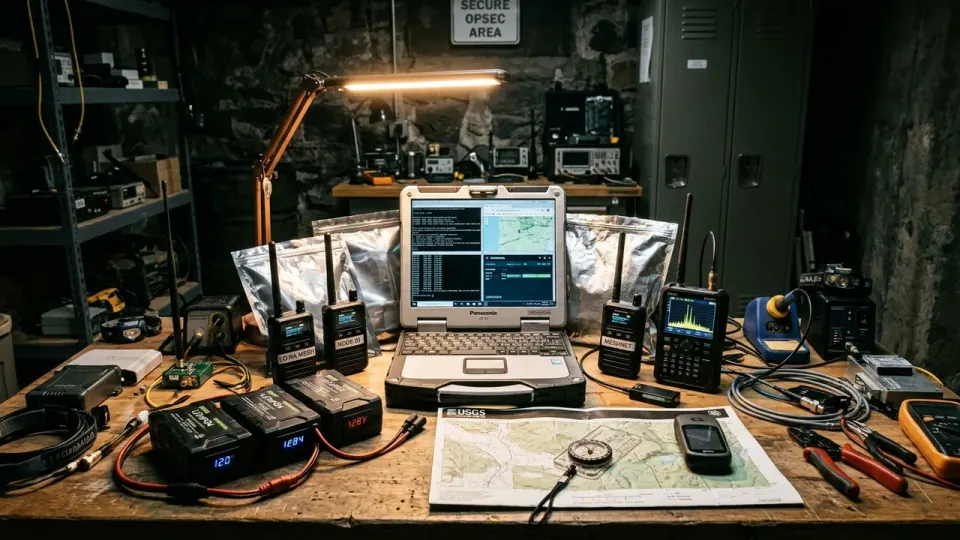
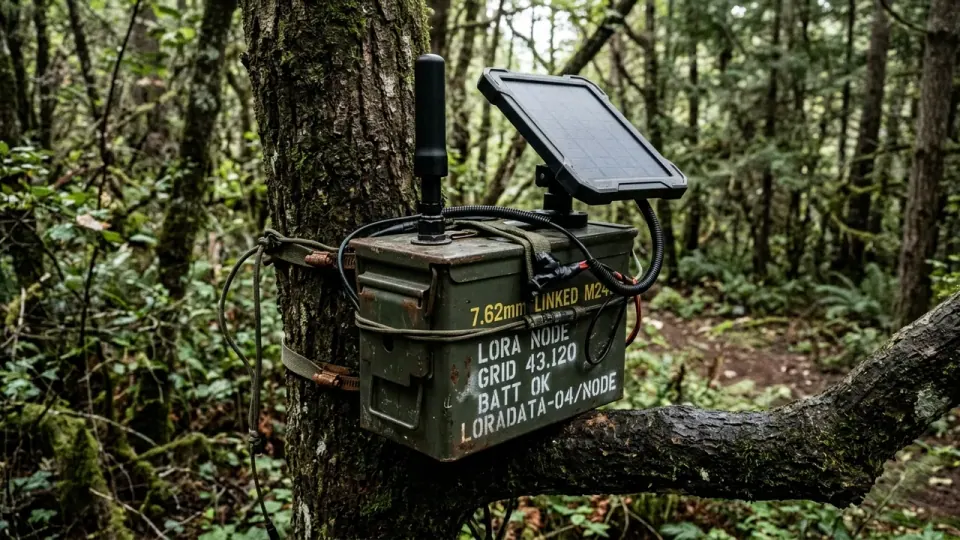
A technical field manual for establishing resilient off-grid communications networks using Near-Vertical Incidence Skywave (NVIS) HF radio antennas and solar-buffered, AES-256 encrypted LoRa mesh topologies during electronic jamming and grid-down blackouts.
Analog Countermeasures & Digital Blackout Guide
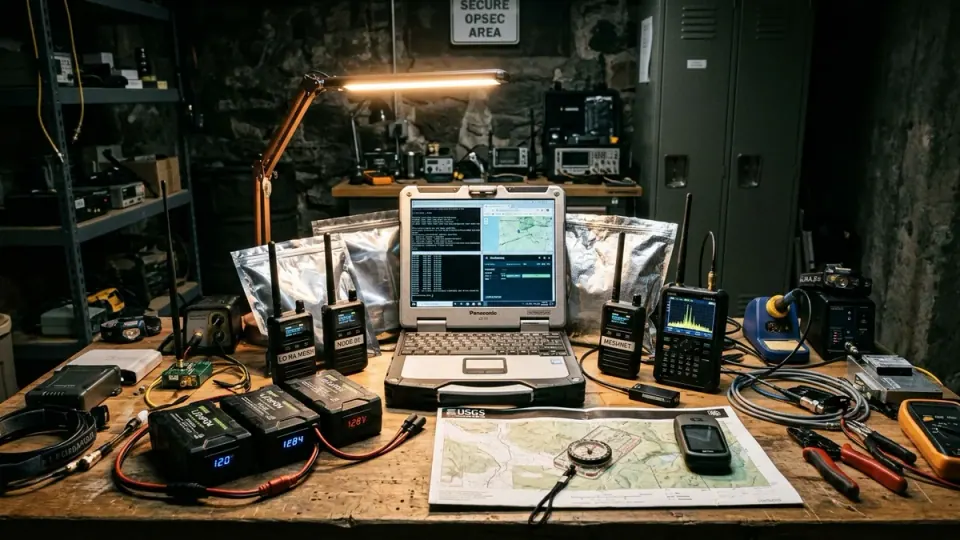
A practical, field-tested operational security manual for establishing personal and family digital sovereignty. We detail hardware Faraday defenses, off-grid air-gapped cryptographic vaults, biometric evasion, voice cloning countermeasures, and decentralized LoRa mesh networking.