Geoeconomic Assessment: Super El Niño, Sovereign Default Cascades
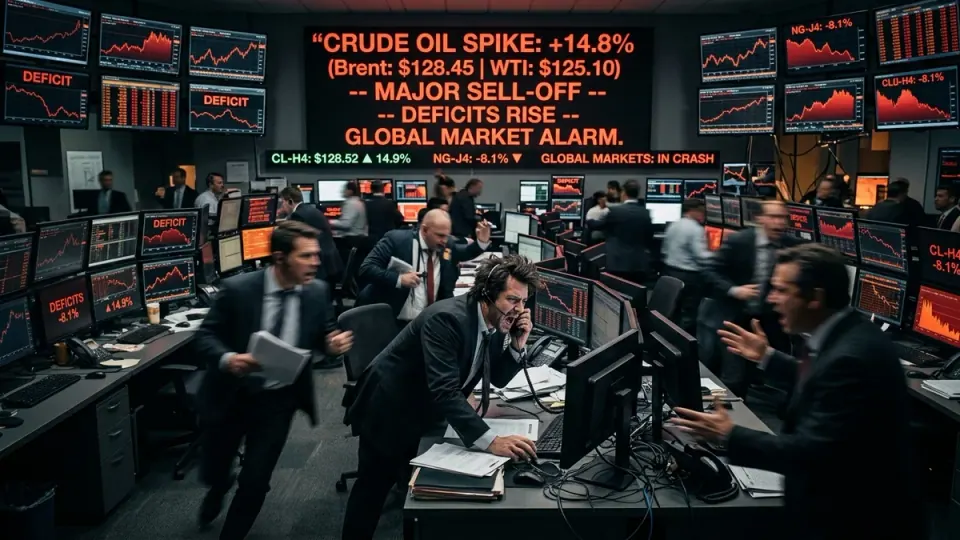
An econometric evaluation of compounding climate anomalies, global agricultural commodity markets, and sovereign credit downgrades across equatorial economies. We analyze the lethal feedback loops between food price inflation, central bank paralysis, and debt default cascades.
# Geoeconomic Assessment: Super El Niño, Sovereign Default Cascades, and the Global Caloric Deficit
When macroeconomic historians dissect the cascade of sovereign debt crises and geopolitical realignments that defined the late 2020s, they will identify the 2026 Super El Niño—tracked in NOAA Climate Prediction Center ENSO bulletins—not merely as an extreme meteorological occurrence, but as the macroeconomic catalyst that broke the global sovereign debt architecture. For nearly three decades, international financial institutions operated on the implicit premise that agricultural and ecological risks were localized, diversifiable, and amortizable across liquid international capital markets. That foundational assumption has been utterly shattered, driving both El Niño extreme drought and food inflation and pan-Asian and West African crop collapse.
The physical reality of synchronous, multi-continent agricultural deficits has collided directly with the most indebted sovereign landscape in modern history. With global debt-to-GDP ratios exceeding three hundred and thirty percent across datasets tracked in the IMF World Economic Outlook following successive emergency fiscal stimulus cycles, emerging market sovereigns in the Global South possess zero fiscal space to absorb simultaneous agricultural shocks, foreign exchange devaluations, and hyper-inflationary food price spikes. The result is a compounding geoeconomic crisis that threatens to pull down both regional banking systems and core international development institutions.
The Econometrics of the Caloric Deficit
Agricultural commodities—predominantly rice, wheat, corn, and soybeans—are characterized by extreme price inelasticity of demand. Because human biological caloric intake cannot be indefinitely postponed or substituted without immediate mortality, even a modest physical supply shortfall triggers exponential price escalations across international commodity exchanges.
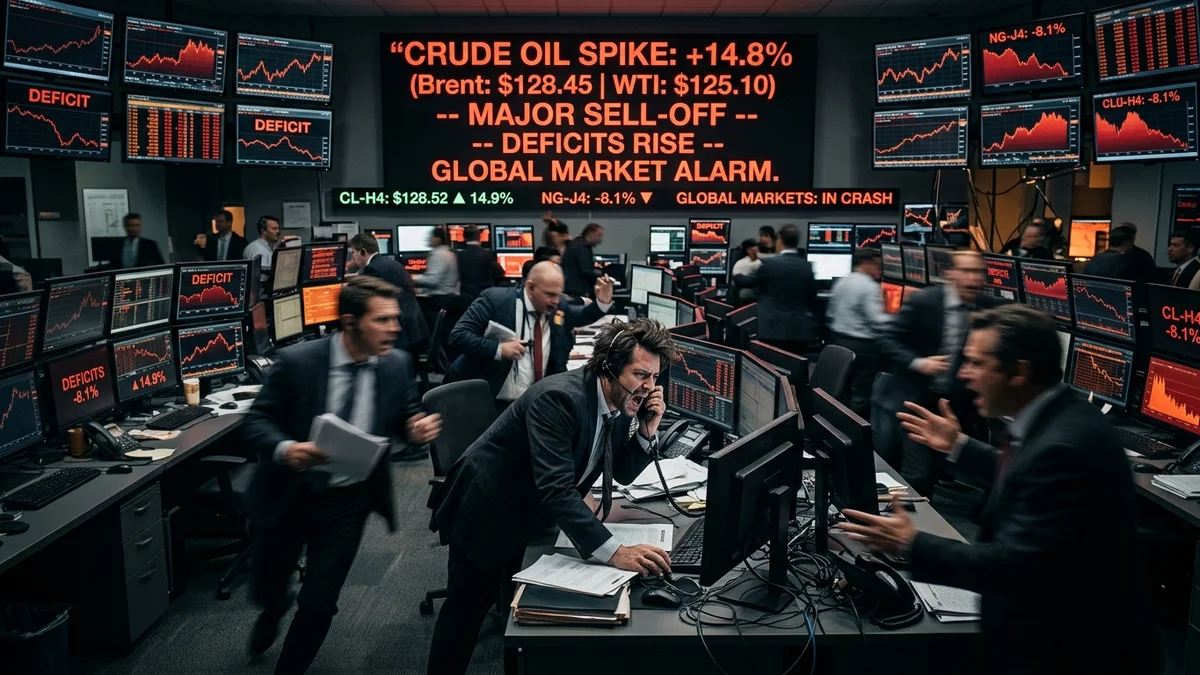
Econometric modeling of the 2026 agricultural harvest reveals a profound structural deficit:
- The Caloric Production Shock: Global aggregate caloric output for the 2026–2027 crop year has contracted by an estimated seven point eight percent against baseline consumption models. While single-digit percentage declines appear manageable in theoretical models, in physical logistics they eliminate the entirety of global carryover stocks, leaving planetary consumption operating on a "just-in-time" delivery schedule.
- The Non-Linear Price Multiplier: Historically, every one percent reduction in global grain carryover stocks correlates with an eight to twelve percent increase in benchmark futures prices on the Chicago Board of Trade (CBOT) and Euronext. In the current environment—compounded by global nitrogen fertilizer and diesel bottlenecks and documented in the FAO Food Price Index—the price elasticity multiplier has exceeded fourteen, driving spot hard red winter wheat past fourteen dollars per bushel and rough rice futures to all-time highs.
- The Currency Devaluation Ratchet: Because agricultural commodities are predominantly denominated and settled in United States dollars, non-dollar sovereign importers suffer a devastating double blow. As their domestic currencies collapse against the dollar under balance-of-payments pressures, the local-currency cost of importing basic foodstuffs has increased by upwards of eighty to one hundred and twenty percent across East Africa, South Asia, and Central America.
Sovereign Default Contagion in the Equatorial Belt
The financial transmission channel from scorched agricultural fields to defaulted sovereign Eurobonds is swift and ruthless. Equatorial nations throughout sub-Saharan Africa, Latin America, and Southeast Asia typically allocate between forty and sixty percent of their national foreign exchange reserves to food and energy imports.
When food import costs double in dollar terms, sovereign central banks face an impossible trilemma:
- 01.Subsidize Calories or Face Civil Uprising: Governments can utilize remaining foreign exchange reserves to subsidize retail bread, rice, and cooking oil prices, temporarily suppressing urban food riots but rapidly depleting central bank hard currency coffers to zero.
- 02.Defend the Currency and Hike Interest Rates: Central banks can radically raise domestic benchmark interest rates to arrest currency collapse, but doing so instantly bankrupts domestic commercial banks, crushes domestic businesses, and causes local government debt servicing obligations to spiral uncontrollably.
- 03.Default on External Debt Service: When hard currency reserves are completely exhausted by food purchase obligations, the sovereign is forced into external debt default, cutting off all access to international debt capital markets, trade credit facilities, and commercial letters of credit required for future grain shipments.
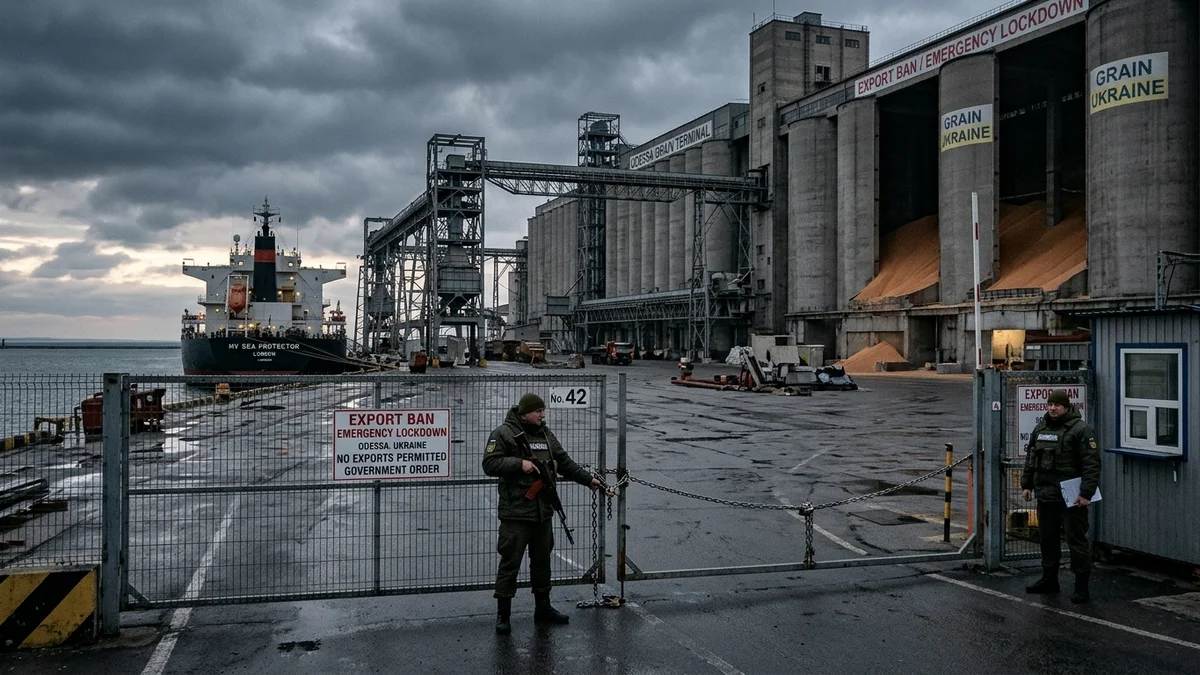
Throughout late 2026, this sovereign debt default cascade has begun to fall across multiple nations simultaneously, mirroring acute balance-of-payments strain monitored in the World Bank Food Security Update. Credit rating agencies have downgraded over twenty-four sovereign issuers into Selective Default (SD) or deep junk territory (CCC-). Paris Club debt restructuring mechanisms and the G20 Common Framework have completely seized up, paralyzed by irreconcilable geopolitical divisions between Western bilateral creditors, private bondholder syndicates, and Chinese state policy banks who hold senior secured collateralized claims over national infrastructure.
Central Bank Paralysis: The Death of Inflation Targeting
In the core industrialized economies—the United States, the Eurozone under ECB monetary policy, Japan, and the United Kingdom—the geoeconomic fallout from the El Niño shock has created a lethal stagflationary trap that invalidates conventional central banking orthodoxy.
For over three decades, central banks operated under the dogmatic framework of "inflation targeting"—raising short-term interest rates when consumer price indices rise, under the mechanical belief that crushing aggregate demand will bring inflation back to a two percent target. But central bank interest rates cannot drill water wells in parched Brazilian aquifers; monetary tightening cannot synthesize missing nitrogen fertilizer molecules; and quantitative tightening cannot force rain to fall on the scorched plains of Australia.
Raising interest rates in response to a physical supply-side climate shock does not increase the supply of grain; it merely increases the capital cost of farm equipment financing, raises the interest burden on agricultural debt, and accelerates industrial bankruptcies. Conversely, cutting interest rates to prevent sovereign debt implosions sparks immediate capital flight, collapses national currencies, and triggers uncontrolled hyper-inflationary runs on retail food shelves.
Central banks are functionally paralyzed. They are trapped between the Scylla of sovereign and corporate debt insolvency and the Charybdis of runaway structural inflation driven by biospheric breakdown.
The Structural Rise of Neo-Mercantilism and Bilateral Barter
Faced with the collapse of multilateral trade liquidity and the failure of international credit mechanisms, the global food trade is rapidly regressing from a transparent, rules-based multilateral market into an aggressive, fragmented neo-mercantilist jungle.
Nations possessing physical surpluses of grain, fertilizer, or energy are no longer releasing their stocks onto open international exchanges. Instead, trade is conducted via bilateral, state-to-state barter agreements designed to secure vital domestic strategic assets:
- Resource-for-Grain Barter Accords: Russia, India, and Brazil are negotiating direct state-to-state bilateral contracts, trading wheat and fertilizer for direct access to rare earth metals, military hardware, or physical gold bullion, completely bypassing Western SWIFT clearing mechanisms and New York commercial banks.
- Strategic Mineral Collateralization: Financially distressed African and Latin American states are being forced to pledge long-term concessions over critical lithium, cobalt, and copper deposits to foreign state-backed syndicates in exchange for emergency monthly grain shipments to feed their starving urban centers.
- The Weaponization of the Calorie: Food export policy has formally merged with national defense strategy. Access to agricultural grain supplies is no longer determined by market purchasing power, but by diplomatic alignment, naval access agreements, and geopolitical submission.
The 2026 Super El Niño has permanently punctured the neoliberal fantasy of an infinitely elastic, frictionless global economy governed by digital central bank balance sheets. Physical calories—monitored alongside global debt and commodity stress indicators in our live crisis data portal—are the bedrock upon which all complex human civilization, financial markets, and sovereign legitimacy rest. When the planetary biosphere withdraws its climatic subsidy, the entire synthetic superstructure of paper debt, fiat currency, and sovereign promises collapses back to the cold, unforgiving reality of the soil.
Real-time geospatial feed aggregating USGS M5.0+ earthquakes, NASA EONET wildfires, volcanoes, severe storms, UN/EC GDACS alerts, and NOAA geomagnetic status.
Related Reports & In-Depth Intel
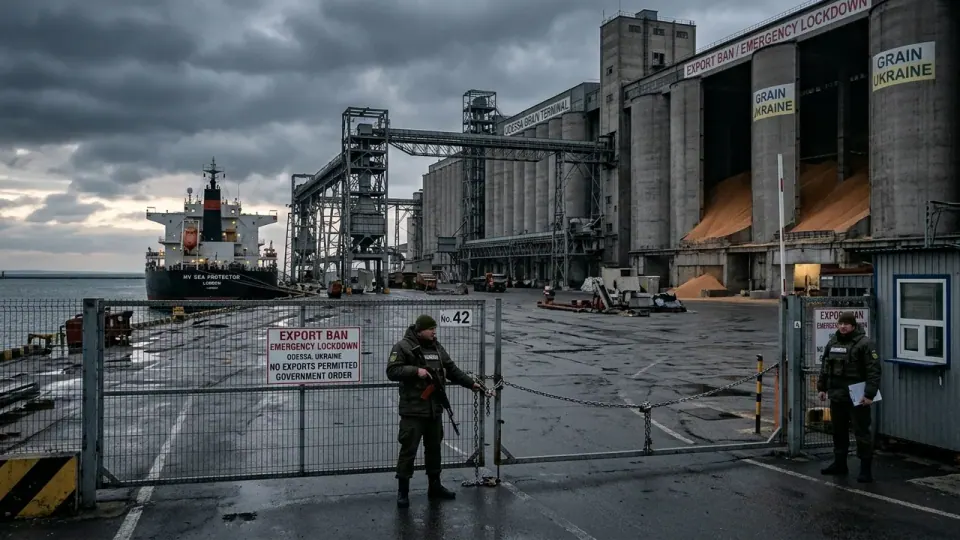
Systemic Risk Report
The unprecedented atmospheric disruptions triggered by the ongoing Super El Niño have devastated staple crop yields across South Asia and West Africa, unleashing a destructive wave of sovereign export bans, currency devaluations, and global caloric stagflation.

El Niño Food Vulnerability and Global Farm Adjustments
A focused look at why El Niño exposes global rice, maize, and tree-crop supply chains—and which real-world agricultural adjustments are actually working in the field right now.
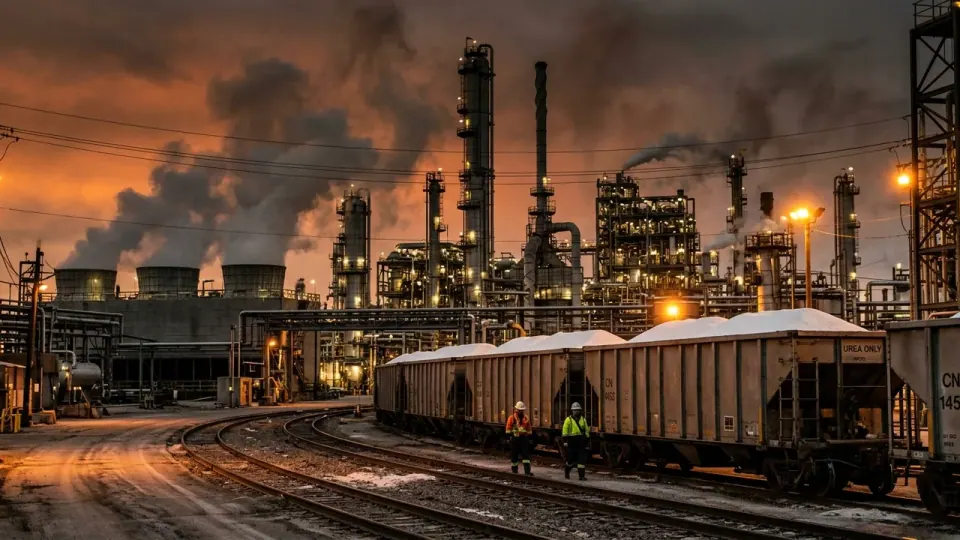
Why the Plastics Treaty Died in Geneva
After INC-5 collapsed in Busan and INC-5.2 stalled in Geneva, the Global Plastics Treaty exposed an uncomfortable truth: oil majors now need virgin polymers to survive.
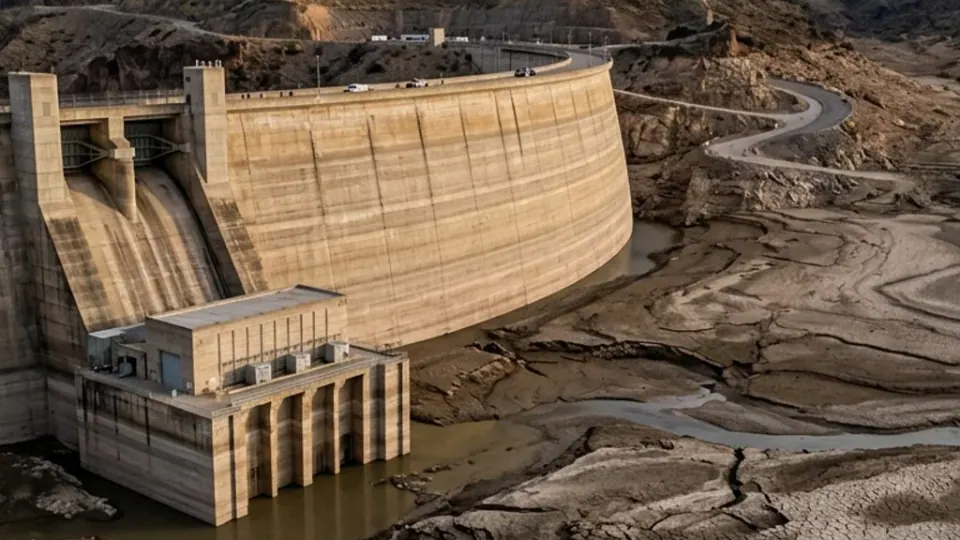
Geoeconomic Analysis: Super El Niño's Multibillion-Dollar Toll
A forensic economic assessment of the ongoing ENSO anomaly. From Southeast Asian hydropower blackouts to South American grain harvest deficits, we trace the transmission channels driving structural inflation across world commodities.