El Niño Food Vulnerability and Global Farm Adjustments
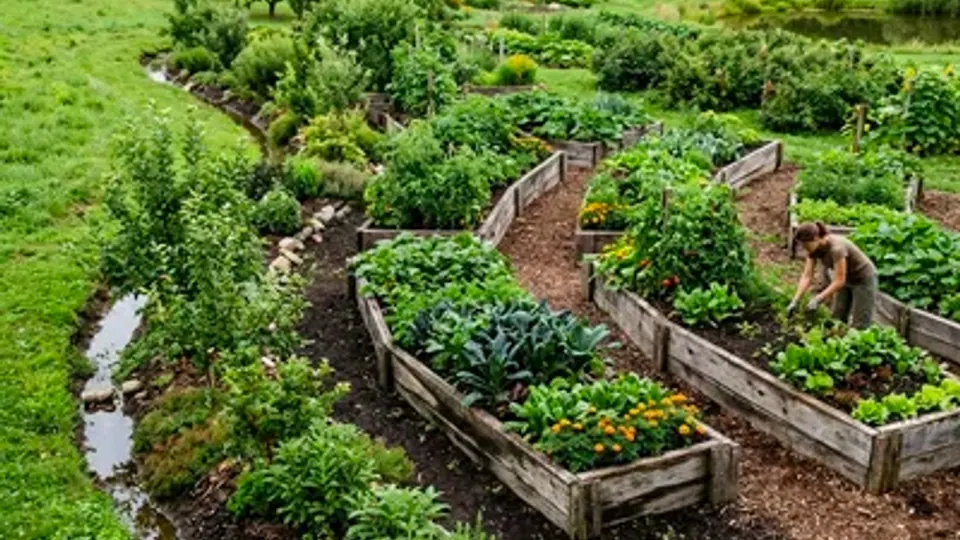
A focused look at why El Niño exposes global rice, maize, and tree-crop supply chains—and which real-world agricultural adjustments are actually working in the field right now.
Why Modern Farming Is More Exposed Than It Looks
Looking at decades of agricultural commodities, I have watched yields double thanks to hybrid seeds, precision tractors, and synthetic fertilizer. Yet all of that high-tech efficiency created a hidden weakness: modern farming is tuned for narrow, predictable weather windows.
When a strong El Niño shifts tropical rainfall belts and pushes regional temperatures toward record highs—a thermal surge we analyze in Crossing 2.2°C—farmers do not just lose a few percent of yield at harvest. They face missed planting dates, failed pollination during heat spikes, depleted irrigation reservoirs, and sudden export bans. You can track the underlying climate drivers on our Data Center and monitor active droughts and wildfires on the Live Global Hazard Radar.
Instead of skimming every crop on Earth, this analysis focuses on two core questions: where global food production is most vulnerable during El Niño, and which real-world adjustments—from drought-tolerant genetics to alternate wetting-and-drying irrigation and trade rerouting—are actually being deployed right now.

1. The Three Highest-Vulnerability Crop Belts
Not all calories carry the same El Niño risk. Wheat and soybeans are grown across widely separated hemispheres, giving global grain traders room to substitute if one region falters. Three specific food pillars have far thinner margins:
- 01.Asian Monsoon Rice: More than 90 percent of the world's rice is grown and eaten in Asia, and barely 10 percent enters international trade. According to the Food and Agriculture Organization (FAO) Crop Prospects, when El Niño suppresses the southwest monsoon across India, Thailand, Vietnam, and Indonesia, paddy water tables fall fast—and governments frequently restrict exports to protect domestic consumers, amplifying global price shocks as detailed in The Empty Granary.
- 02.Southern African and Central American Rain-Fed Maize: In Zambia, Zimbabwe, Malawi, and Central America's Dry Corridor, millions of smallholder farms depend entirely on seasonal rains without canal irrigation. Data from the Famine Early Warning Systems Network (FEWS NET) shows that a three-week dry spell during maize tasseling permanently destroys pollination, even if heavy rains return a month later.
- 03.Tropical Tree Crops (Cocoa, Coffee, Palm Oil): Unlike annual grains that can be replanted next season, cocoa trees in West Africa, Robusta coffee in Vietnam's Central Highlands, and oil palms in Sumatra take years to recover from severe El Niño heat and soil-moisture loss. As we covered in Global Rice and Cocoa Crop Collapse, a single El Niño drought often turns into a two-to-three-year supply deficit.
2. Currently Implemented Field Adjustments: What Is Working
Farmers, agronomy institutes, and grain ministries are not sitting still. Across Asia, Africa, and the Americas, four concrete adjustments are already being scaled up in response to repeat El Niño shocks:
| Agricultural Adjustment | Where Deployed | How It Cuts El Niño Risk | Real-World Limitation |
|---|---|---|---|
| Alternate Wetting & Drying (AWD) Rice | Vietnam, Philippines, India | Cuts paddy irrigation water use by 25–35% without slashing yield | Requires laser-leveled fields and reliable canal timing |
| Drought- & Heat-Tolerant Maize / Wheat | Southern Africa, India, Mexico | Survives 2–3°C higher pollination heat and shorter rain windows | Higher annual seed costs for cash-strapped smallholders |
| Solar Drip Irrigation & Farm Ponds | Kenya, India, Brazil, Spain | Delivers water directly to root zones during dry spells | Upfront capital cost; risk of groundwater over-pumping |
| Strategic Grain Reserves & Trade Diversification | Indonesia, Egypt, Gulf States | Buffers 90–180 days of imports against sudden export bans | Expensive to finance at high interest rates |
Let's look closely at the two most impactful field shifts:
Water-Saving Paddy Management and Shorter-Cycle Seeds
Supported by the International Rice Research Institute (IRRI) and national agriculture ministries, rice growers in the Mekong Delta and northern India are moving away from keeping paddies continuously flooded. Alternate Wetting and Drying (AWD) lets water levels drop 15 centimeters below the soil surface before re-flooding—saving roughly a third of total water consumption while also cutting methane emissions. Paired with 90-to-100-day short-duration rice varieties, farmers can harvest before late-season El Niño droughts peak or before coastal saltwater pushes upstream into river deltas.
Similarly, breeding programs led by CIMMYT and the USDA Agricultural Research Service have expanded drought-tolerant white maize and heat-tolerant wheat lines across southern Africa and South Asia. Where farmers pair improved genetics with mulching and no-till cover crops—principles echoed in Closed-Loop Soil Fertility and Caloric Crop Survival—soil organic matter holds moisture significantly longer between storms.
Early-Warning Planting Calendars and Sovereign Buffer Shifts
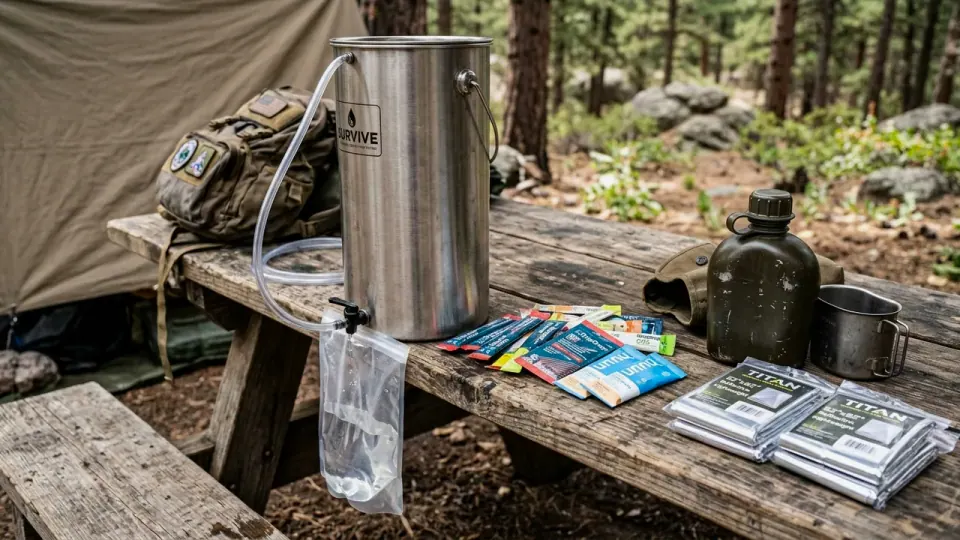
Because NOAA's Climate Prediction Center can now forecast El Niño phases 4 to 6 months ahead, several agricultural ministries push SMS planting advisories directly to rural phones—telling farmers to plant sorghum, millet, or cassava instead of thirsty maize when a dry season is locked in.
At the macro level, major food-importing nations monitored by the World Bank and the IMF PortWatch platform are diversifying away from single-chokepoint suppliers, expanding domestic silo capacity, and locking in multi-origin wheat and corn contracts across Brazil, Argentina, the United States, and the Black Sea. Still, as we examined in The Winter Freight Tax, higher shipping insurance and fertilizer costs mean resilience comes with a permanently higher baseline price tag.
3. Where Adaptation Still Falls Short
Even the best agronomy hits three hard walls:
- Groundwater Depletion: Pumping deeper aquifers with solar pumps saves one harvest, but across northwest India, the U.S. High Plains, and Vietnam's coffee belt, water tables are dropping faster than winter rains recharge them.
- Credit and Input Costs: Smallholder farmers know drought-tolerant seeds and drip lines work, yet high local interest rates and volatile nitrogen fertilizer prices—tracked in Agricultural Survival: El Niño and Fertilizer Shocks—often price them out right when they need upgrades most.
- Extreme Heat Ceilings: Genetics can buy an extra 1°C to 2°C of heat tolerance, but when El Niño pushes regional highs past 42°C–45°C during flowering, pollen sterility still hits regardless of irrigation.
For households watching these shifts, the conclusion is straightforward: global agriculture is adapting fast enough to prevent total systemic collapse, but the cost of that adaptation—more irrigation hardware, larger buffer stocks, and longer trade routes—means cheap, frictionless food prices are unlikely to return anytime soon. Explore more real-time agricultural and climate trackers in our Useful Websites Directory.
Additional Reading & Data Sources
References
Real-time geospatial feed aggregating USGS M5.0+ earthquakes, NASA EONET wildfires, volcanoes, severe storms, UN/EC GDACS alerts, and NOAA geomagnetic status.
Related Reports & In-Depth Intel
The Looming El Niño of 2026
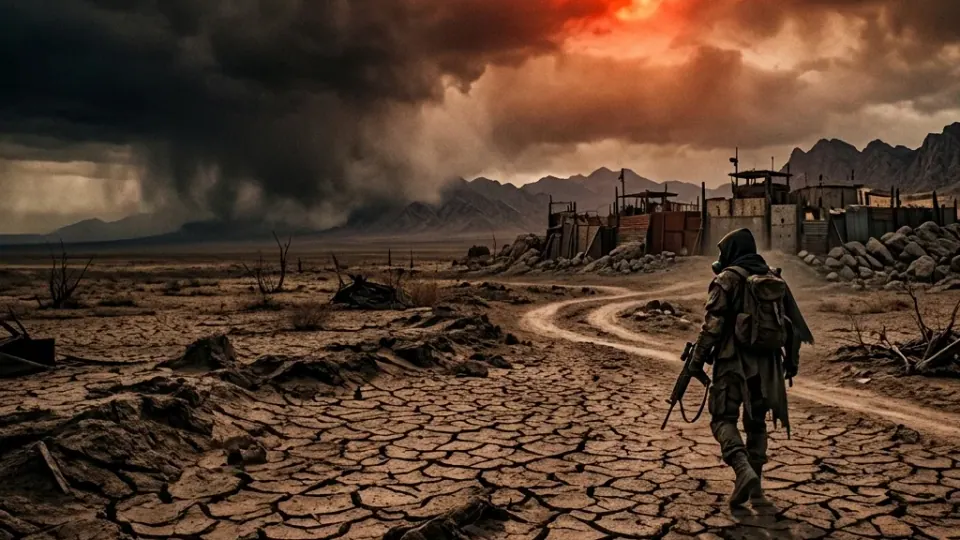
The global climate system is bracing for a historic El Niño event in late 2026. This comprehensive analysis details the meteorological signals, expected agricultural collapse, and cascading geopolitical effects.
Systemic Risk Report
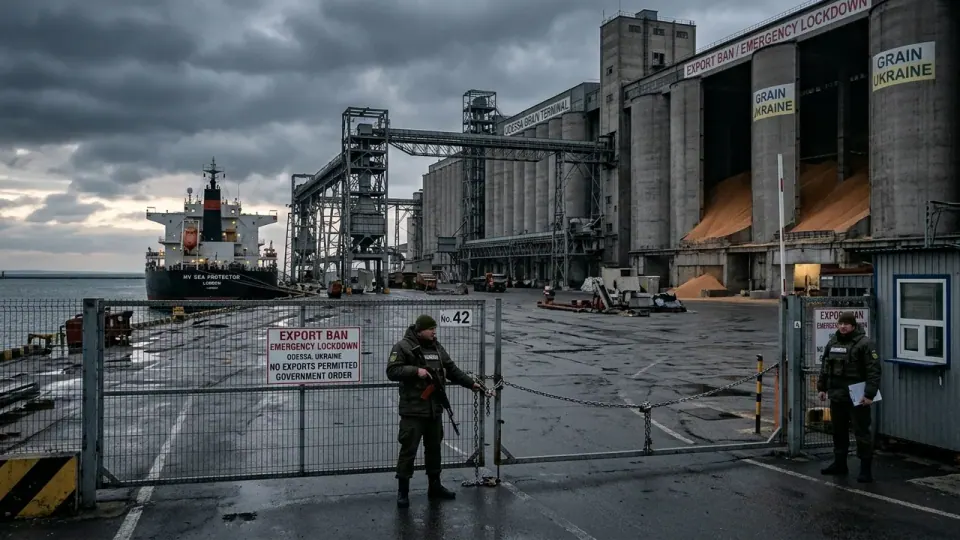
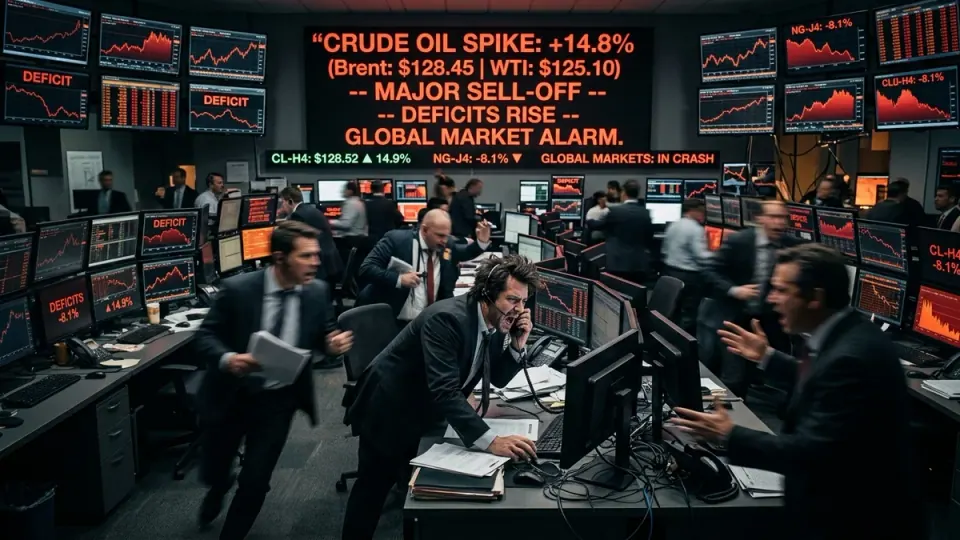
The unprecedented atmospheric disruptions triggered by the ongoing Super El Niño have devastated staple crop yields across South Asia and West Africa, unleashing a destructive wave of sovereign export bans, currency devaluations, and global caloric stagflation.
Geoeconomic Assessment: Super El Niño, Sovereign Default Cascades
An econometric evaluation of compounding climate anomalies, global agricultural commodity markets, and sovereign credit downgrades across equatorial economies. We analyze the lethal feedback loops between food price inflation, central bank paralysis, and debt default cascades.
Geoeconomic Analysis: Super El Niño's Multibillion-Dollar Toll
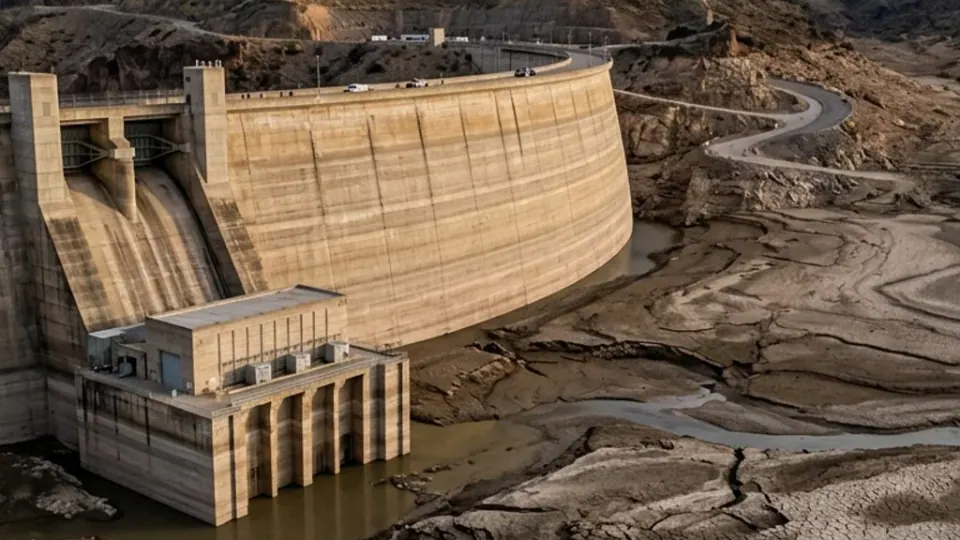
A forensic economic assessment of the ongoing ENSO anomaly. From Southeast Asian hydropower blackouts to South American grain harvest deficits, we trace the transmission channels driving structural inflation across world commodities.