The Winter Freight Tax
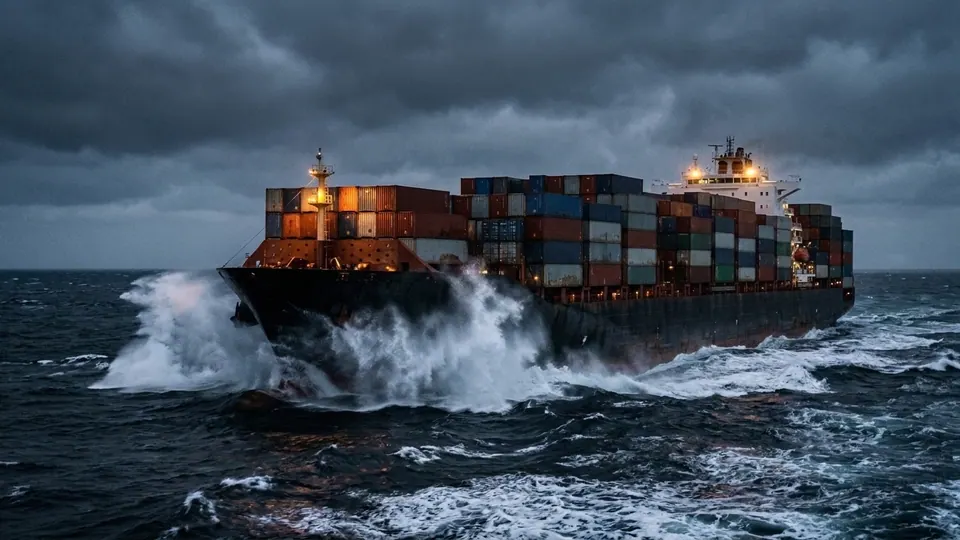
As the Iran and Gaza conflicts drag into another winter, longer shipping routes, war-risk insurance, and higher fertilizer costs are quietly taxing everything from groceries to winter hardware.
Why Winter Makes Every Shipping Delay Cost More
I have watched global shipping lanes for forty years, and one rule never changes: when a conflict drags past its first year, the headlines move on, but the freight bill keeps climbing.
With the Iran and Gaza conflicts continuing into the winter of 2026, most people assume the worst macroeconomic shock is already behind us because oil hasn't spiked to $150 a barrel overnight. That misses how modern trade actually breaks. You do not need a total blockade to hurt a household budget. All you need is a permanent detour, a higher insurance bill, and a tighter winter calendar.
Think of global trade like a busy highway bridge. If one lane is closed for repairs for a single weekend, drivers barely notice. If half the bridge stays closed for over a year—especially right when winter storms and holiday deliveries hit—the traffic jam backs up for miles in every direction. Every truck burns extra fuel sitting in line, every delivery arrives late, and every store pays more to keep its shelves stocked.
This winter, three specific pressures from the Middle East conflict are landing on everyday goods at the exact same time: longer sea routes around Africa, war-risk insurance surcharges, and higher costs for the diesel and fertilizer that keep food moving. Let's look at each one plainly, without the Wall Street jargon.
1. The Long Detour Around Africa
Under normal conditions, the Suez Canal and the Red Sea form the shortest highway between Asian factories, Persian Gulf energy ports, and European or East Coast American buyers. A container ship leaves Shanghai or Singapore, cuts through the Bab el-Mandeb Strait, passes through Egypt, and unloads in Rotterdam, Genoa, or Marseille in about three weeks.
Because of ongoing drone, missile, and naval threats tied to the Iran and Gaza conflicts, most major container lines and fuel tankers still refuse to risk that shortcut. Instead, they sail all the way around the southern tip of Africa—the Cape of Good Hope.
Here is what that detour means in plain numbers:
- Ten to fourteen extra days at sea on every single voyage between Asia and Europe.
- Roughly 1,000 tons of extra ship fuel burned per round trip on a large container vessel.
- Fewer available ships, because if every vessel spends an extra two weeks on the water, the world effectively loses 10 to 15 percent of its active container fleet capacity overnight.
In summer, retailers can absorb a two-week delay. In November and December, winter weather in the North Atlantic and the Southern Ocean slows those longer voyages even further. Rough seas around the Cape of Good Hope—famous among sailors for towering winter swells and gale-force winds—force ships to slow down, burn more fuel, or wait outside ports for a calmer window.
When a ship arrives late in Rotterdam, Antwerp, or Hamburg, the cargo misses its scheduled rail and truck slots. Warehouses run low on winter coats, space heaters, electronics, and spare auto parts. Even when shelves look full, store chains have paid far more to rush those goods inland—and they pass that cost straight to the checkout scanner.
That same detour also hurts Mediterranean ports in Italy, Greece, Spain, and southern France. Normally, ships coming through the Suez Canal drop cargo off in the Mediterranean first. When ships go around Africa instead, they enter Europe from the Atlantic side in the north. Goods bound for southern Europe then have to be unloaded onto smaller feeder ships or loaded onto diesel trucks for a long haul south, adding another layer of cost and delay in the middle of winter.
2. The Invisible War-Risk Insurance Surcharge
Even when ships do enter the eastern Mediterranean or the approaches to the Persian Gulf, they do not sail for free. Marine insurers price every voyage according to the odds of a missile strike, a mine, or a seizure.
Before the conflict escalated, war-risk insurance for a vessel crossing the Red Sea or the Strait of Hormuz was a rounding error—roughly 0.05 to 0.1 percent of the ship's hull value. Today, underwriters charge 0.7 to 1.0 percent or more for high-risk transits, and those rates reset every few days depending on the latest military strike.
On a $100 million tanker or container ship, that single fee adds hundreds of thousands of dollars to a single trip.
The important detail is that war-risk insurance hits low-margin everyday goods hardest. A luxury smartphone can easily absorb an extra $2 in shipping and insurance costs. A 20-ton container of canned tomatoes, pasta, cooking oil, or winter work boots cannot. When freight and insurance jump from $1,800 per container to $4,500 or $6,000, importers either raise retail prices by 10 to 20 percent or stop ordering smaller, less profitable items altogether.
Port operators feel the squeeze too. Vessels arriving out of schedule bunch up outside major hubs in the Mediterranean and Northern Europe. Instead of a steady, predictable trickle of two or three ships a day, five or six huge vessels show up at once after riding out the same Atlantic storm. Cranes work overtime, truckers wait hours at port gates, and "demurrage" fees—penalties charged when containers sit too long at the dock—pile up. None of those fees show up as a line item on your grocery receipt, yet they are baked into the price of nearly everything shipped in a steel box this winter.
Even empty shipping containers get stuck in the wrong places. Factories in Asia wait weeks for empty boxes to return from Europe, while European exporters pay extra just to secure a container for winter shipments. It is a slow, grinding friction that touches every aisle of a normal store.
3. Fertilizer, Diesel, and Next Spring's Grocery Bill
The third pressure is the one that stays hidden until late winter and early spring: the link between Middle East tensions, natural gas, diesel, and farm costs.
Modern farming runs on two things: diesel to run tractors and grain trucks, and nitrogen fertilizer—which is made from natural gas. Iran and its neighbors sit directly beside some of the world's largest natural gas and urea fertilizer export hubs. Whenever military tension flares around the Persian Gulf or the Strait of Hormuz, natural gas and fertilizer markets twitch immediately.
European farmers buying fertilizer in late autumn and winter for their spring planting are facing a double hit:
- 01.Higher energy input costs: European fertilizer plants already shut down or slowed output during earlier gas spikes; any winter heating and energy bump in liquefied natural gas (LNG) markets makes domestic fertilizer expensive to produce.
- 02.Higher imported fertilizer freight costs: Urea and ammonia shipped from the Gulf or Asia must pay the same war-risk insurance and detour costs as consumer goods.
When fertilizer and diesel get more expensive in December and January, farmers do one of two things: they apply less fertilizer—which reduces next year's harvest—or they borrow more money at high interest rates to cover the bill, raising the floor price they need to break even. On top of that, winter livestock farmers face higher prices for imported soy meal and corn feed whenever ocean freight rates climb. Either way, winter conflict in the Middle East quietly locks in higher global food prices for meat, dairy, bread, and vegetables six months down the road.
What This Means for Everyday Budgets This Winter
You do not have to follow maritime tracking maps to see how this plays out between November and March. Keep an eye on three simple signals in your own town:
- Imported pantry staples: Coffee, tea, olive oil, rice, and canned goods shipped through the Mediterranean or Asia-to-Europe lanes carry the sharpest freight markups. Even items grown closer to home—like winter greenhouse vegetables—feel the pinch when packaging materials, glass jars, metal lids, and plastic film arrive late or cost more to ship.
- Replacement parts and hardware: Items with long Asian supply chains—heating components, car parts, tools, and small appliances—take longer to restock when ships detour around Africa. If a furnace blower motor or a car alternator breaks in January, the repair shop may tell you the part is backordered for three weeks instead of sitting on a regional warehouse shelf.
- Local delivery surcharges: When diesel and marine freight stay elevated through winter, regional trucking companies add fuel surcharges that hit local hardware stores and supermarkets alike. Those surcharges rarely vanish overnight even if crude oil dips for a few days, because freight contracts reset slowly over the winter quarter.
Decades of economic shock history has taught me that big wars rarely break a distant economy in one dramatic crash. Instead, they act like a slow winter headwind—adding ten days to every voyage, a few hundred thousand dollars to every insurance policy, and a few percent to every freight bill—until ordinary families wonder why their paycheck buys noticeably less than it did the winter before. Watching those shipping lanes early gives you time to adjust before peak winter cold arrives.
Real-time geospatial feed aggregating USGS M5.0+ earthquakes, NASA EONET wildfires, volcanoes, severe storms, UN/EC GDACS alerts, and NOAA geomagnetic status.
Related Reports & In-Depth Intel

The Empty Granary
The 2026 El Niño is not just a weather anomaly. It is a synchronized stress test on global rice, wheat, cocoa, and maritime chokepoints that leaves importing nations exposed.
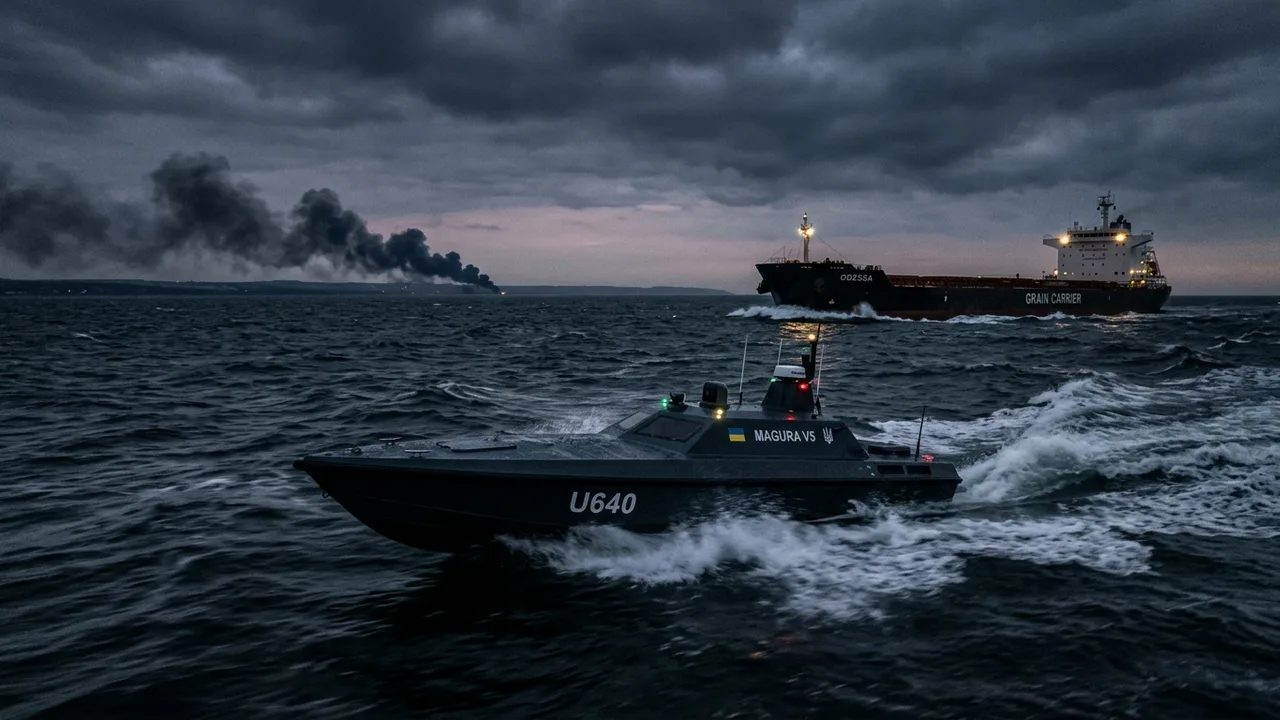
Black Sea Naval Drone Warfare and the Total
The deployment of autonomous uncrewed surface vessels (USVs) and hypersonic anti-ship missile salvos across the Black Sea basin has triggered the indefinite suspension of commercial maritime shipping, stranding 35 million metric tons of essential agricultural exports.
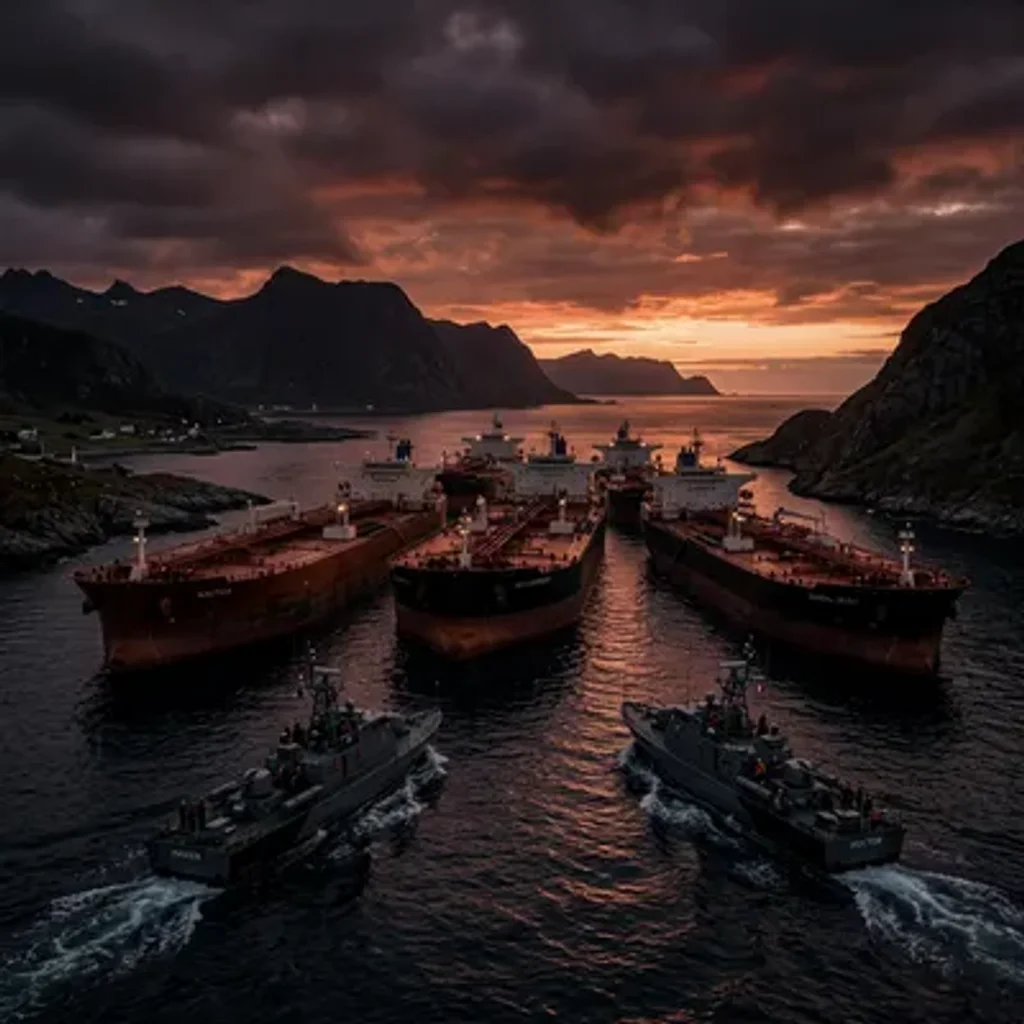
Strait of Hormuz Blockade and Russian Escalation
With naval combat severing Persian Gulf tanker routes and Russian infrastructure warfare choking Eurasian pipelines, global crude has skyrocketed past historic peaks. We detail the mechanics of the resulting diesel rationing and industrial collapse.

The Fragility of Just-In-Time Supply Chains
Lean logistics eliminated warehouses to boost quarterly margins—leaving supermarkets, pharmacies, and power utilities operating with roughly three days of buffer. Here is how modern supply chains fail under pressure and how households can build real slack back into their lives.