Dual Chokepoint Paralysis
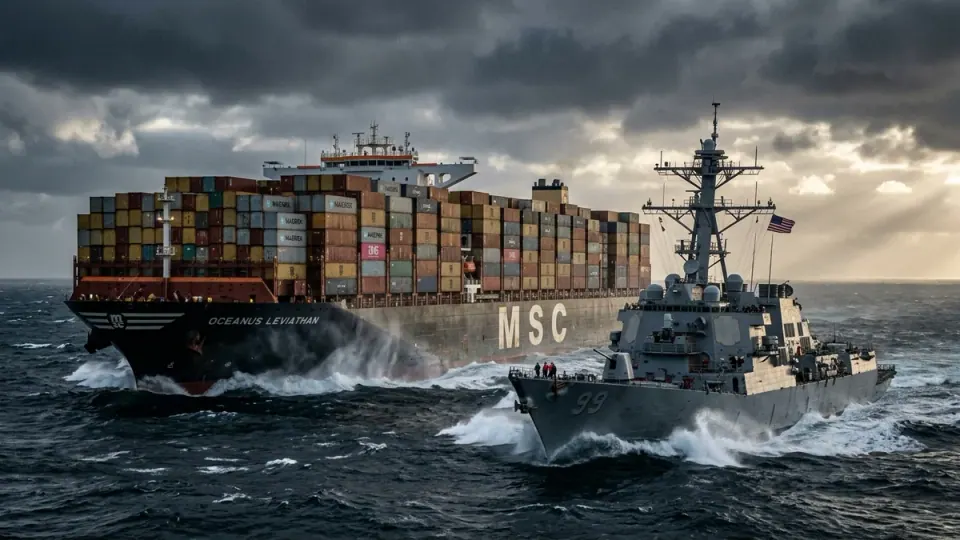
With drone corridors closing the Red Sea and naval skirmishes threatening the Strait of Hormuz, 85% of Eurasian maritime commerce has rerouted around Africa. We analyze the resulting global diesel crunch, container absorption, and supply chain seizure.
# Dual Chokepoint Paralysis: How the Bab-el-Mandeb and Hormuz Blockades Broke Global Container Shipping
Modern global capitalism is not anchored in digital networks or stock exchanges; it is physically anchored in two narrow bodies of water flanking the Arabian Peninsula. To the west, the Bab-el-Mandeb Strait commands the southern gateway to the Suez Canal; to the east, the Strait of Hormuz channels over twenty percent of the world's petroleum and a third of its liquefied natural gas—a concentration detailed in U.S. Energy Information Administration (EIA) World Oil Transit Chokepoints data and analyzed in our report on the Great Eurasian Energy Severance. Throughout late 2026, the simultaneous weaponization of both corridors by regional state and non-state actors created an unprecedented maritime thrombosis, breaking the backbone of just-in-time container logistics.
What military planners long described as a worst-case tabletop scenario became physical reality when anti-ship ballistic missiles, uncrewed surface vessels (USVs), and loitering aerial munitions effectively closed the southern Red Sea to commercial insurance coverage—prompting emergency routing circulars from the International Maritime Organization (IMO) and accelerating Middle East war expansion and Suez chokepoint divergence—while naval skirmishes in the Persian Gulf triggered astronomical war-risk premiums. The result is the largest forced diversion of commercial shipping in maritime history.
The African Detour: Soaking Up Global Vessel Capacity
Rather than braving the missile gauntlets of the Bab-el-Mandeb, major shipping conglomerates—including MSC, Maersk, and COSCO—have routed all scheduled Eurasian liner services around the Cape of Good Hope. While physically safer, the detour adds ten to fourteen sailing days and approximately 3,500 nautical miles per voyage.
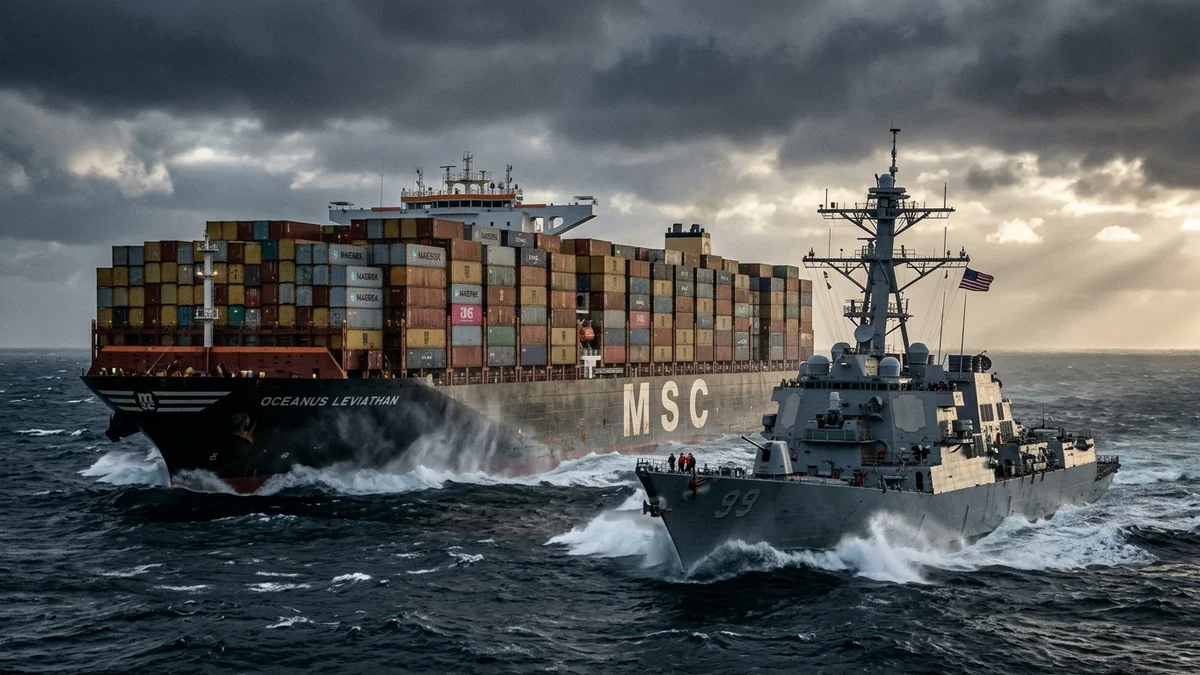
The systemic consequence is not merely delayed cargo; it is the massive absorption of global vessel capacity:
- The Phantom Capacity Drain: Adding three weeks to a round-trip voyage between Shanghai and Rotterdam requires shipping alliances to deploy thirty percent more container vessels simply to maintain weekly port departure schedules, an effective capacity contraction documented in the UNCTAD Review of Maritime Transport. Because global shipbuilding capacity cannot expand overnight, effective global container capacity has contracted by over fifteen percent, compounding concurrent disruptions from Black Sea naval drone grain blockades.
- Empty Container Imbalances: As vessels spend extra weeks at sea, millions of empty steel shipping containers remain trapped in transit around the southern tip of Africa rather than returning to Asian manufacturing hubs. Chinese exporters are once again facing acute container box shortages, forcing spot container rates past 8,000 dollars per forty-foot equivalent unit (FEU).
- Bunker Fuel Exhaustion: Steaming around Africa at higher speeds to make up for lost time has driven bunker fuel consumption up by forty percent per voyage. Global marine gasoil and low-sulfur fuel oil demand has surged precisely when refinery margins are pinched by Persian Gulf crude disruptions tracked in the International Energy Agency (IEA) Oil Market Report.
Port Gridlock and the European Diesel Squeeze
The rerouting has triggered severe knock-on bottlenecks across terminal hubs. Mediterranean ports like Genoa and Valencia, designed to receive vessels exiting the Suez Canal, have seen traffic plummet on IMF PortWatch port activity trackers, while Atlantic-facing hubs such as Rotterdam, Antwerp, and Tangier Med are paralyzed by vessel bunching and severe yard congestion.
The crisis reaches far beyond consumer retail goods. European chemical complexes and municipal transport networks depend on regular Middle Eastern imports of middle distillates—specifically jet fuel and ultra-low-sulfur diesel (ULSD). With tanker fleets trapped on extended transit routes or delayed at congested transshipment terminals, wholesale diesel crack spreads have detached from benchmark crude, threatening trucking networks and agricultural harvesting schedules across the continent while forcing contingency planners toward diesel refinery loss and microgrid fuel hygiene protocols.
The Structural End of Low-Cost Freight
For nearly four decades, global consumer markets operated under the subsidy of unnaturally cheap, frictionless maritime transport. Shipping a pair of sneakers or an electronic device across ten thousand miles of ocean cost mere pennies.
The permanent militarization of Middle Eastern maritime chokeholds has shattered that paradigm, exposing the structural fragility of just-in-time supply chains. As freight rates remain structurally elevated and delivery lead times double, global manufacturing is fracturing into localized, fortified economic zones. The era of the seamless, globalized trade artery is over.
Authoritative Sources & Further Reading
Real-time geospatial feed aggregating USGS M5.0+ earthquakes, NASA EONET wildfires, volcanoes, severe storms, UN/EC GDACS alerts, and NOAA geomagnetic status.
Related Reports & In-Depth Intel
Geopolitical Anatomy of the Moscow-Tehran Axis
A comprehensive geostrategic dissection of the bilateral security treaty between the Russian Federation and the Islamic Republic of Iran. We assess the weaponization of the International North-South Transport Corridor, non-SWIFT financial settlement networks, and the collapse of the petrodollar consensus.
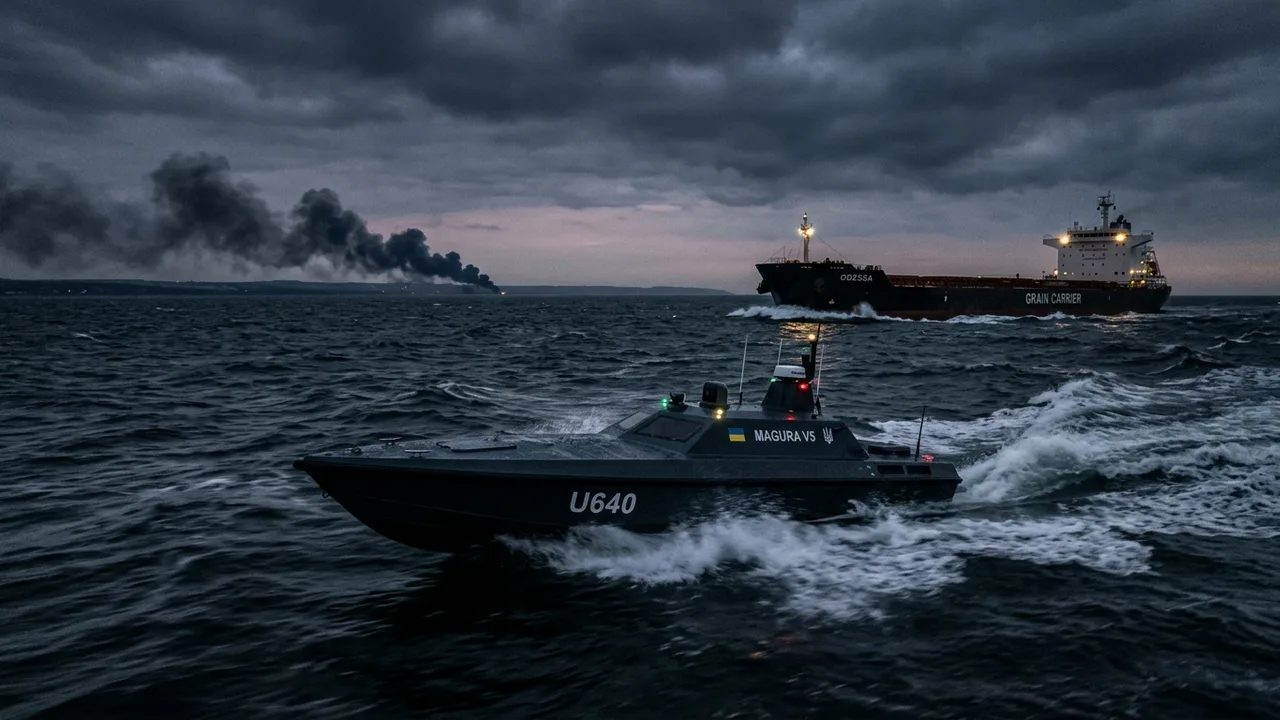
Black Sea Naval Drone Warfare and the Total
The deployment of autonomous uncrewed surface vessels (USVs) and hypersonic anti-ship missile salvos across the Black Sea basin has triggered the indefinite suspension of commercial maritime shipping, stranding 35 million metric tons of essential agricultural exports.
Autonomous Cyber Swarms and the Collapse of Epistemic
The proliferation of agentic AI systems and unconstrained generative architectures has breached the structural foundations of public communication, financial consensus, and cyber defense. We document the emergence of autonomous polymorphic malware and the total degradation of shared digital truth.
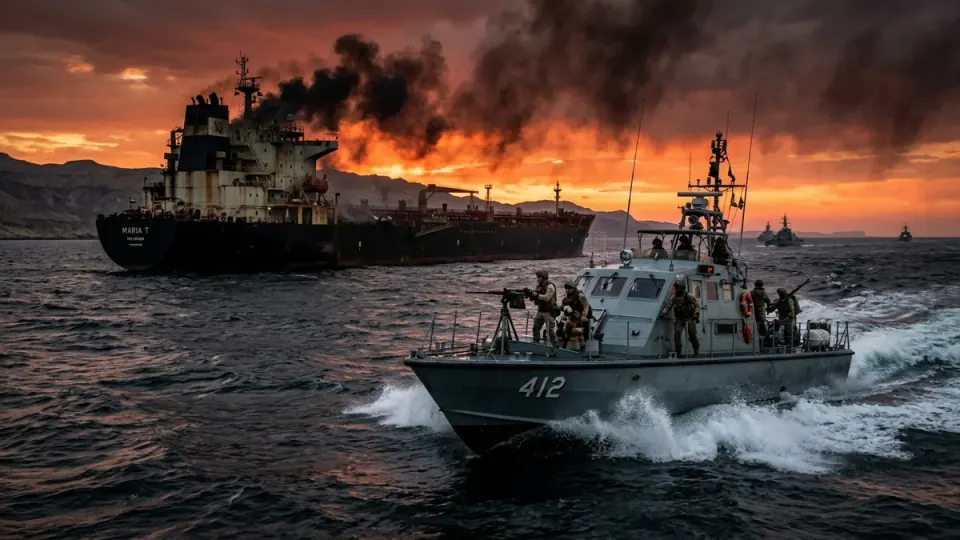
The Great Eurasian Energy Severance
The synchronous closure of the Strait of Hormuz by Iranian naval swarms and targeted Russian pipeline interdiction across the Baltic have fractured global hydrocarbon distribution. We analyze the 150-dollar crude price shock, strategic reserve depletion, and the onset of industrial energy rationing.