Geopolitical Anatomy of the Moscow-Tehran Axis
A comprehensive geostrategic dissection of the bilateral security treaty between the Russian Federation and the Islamic Republic of Iran. We assess the weaponization of the International North-South Transport Corridor, non-SWIFT financial settlement networks, and the collapse of the petrodollar consensus.
# Geopolitical Anatomy of the Moscow-Tehran Axis: Petro-Warfare, Chokepoint Alliances, and the Rupture of Dollar Clearing
The post-World War II global economic architecture was erected upon two interlocking institutional pillars: the Bretton Woods monetary framework, which established the United States dollar—anchored today by Federal Reserve monetary policy—as the undisputed global reserve currency, and the 1974 petrodollar agreement with the Kingdom of Saudi Arabia, which mandated that global oil transactions be priced and cleared exclusively in greenbacks. For over half a century, this arrangement granted Washington an "exorbitant privilege"—the ability to print fiat currency to import physical resources, finance colossal structural budget deficits, and wield the SWIFT interbank messaging system as an extraterritorial financial weapon.
By late 2026, however, that architecture reached its definitive point of structural fracture. Driven together by Western sanctions, diplomatic isolation, and mutual strategic survival imperatives, the Russian Federation and the Islamic Republic of Iran have forged an asymmetric military-economic alliance: the Moscow-Tehran Axis, examined further in our strategic assessment of the Moscow-Tehran axis and Western energy siege. Far from being a temporary marriage of convenience, this Eurasian partnership has systematically constructed a parallel, sanctions-proof economic and logistical sphere that is actively breaking Western maritime containment and dismantling dollar hegemony across global energy markets.
The Geography of Circumvention: The INSTC Corridor
The physical spine of the Moscow-Tehran Axis is the International North-South Transport Corridor (INSTC)—a 7,200-kilometer multi-modal network of ship, rail, and road routes connecting St. Petersburg on the Baltic Sea, through the Caspian Sea, across the Iranian plateau, and terminating at the Iranian ports of Bandar Abbas and Chabahar on the Indian Ocean.
For over two centuries, Russian geopolitical grand strategy was tormented by its lack of warm-water naval access and its vulnerability to Western naval chokepoints in the Baltic, the Danish Straits, the Turkish Bosporus, and the English Channel. The INSTC fundamentally solves Russia's historic geographic dilemma:
- Immunity to Western Naval Interdiction: The entire central corridor of the INSTC traverses internal Eurasian waterways—specifically the Caspian Sea and the Volga-Don canal system. Western carrier strike groups and naval destroyers have zero physical access to this inland sea, rendering Western naval blockades completely toothless against bilateral cargo transfers.
- Transit Time and Freight Cost Compression: Shipping a standard container between St. Petersburg and Mumbai via the traditional maritime route through the Suez Canal required forty to forty-five days. Moving cargo along the completed INSTC rail and Caspian feeder network takes less than twenty days, cutting transit times by more than half and reducing freight insurance costs by twenty-five percent.
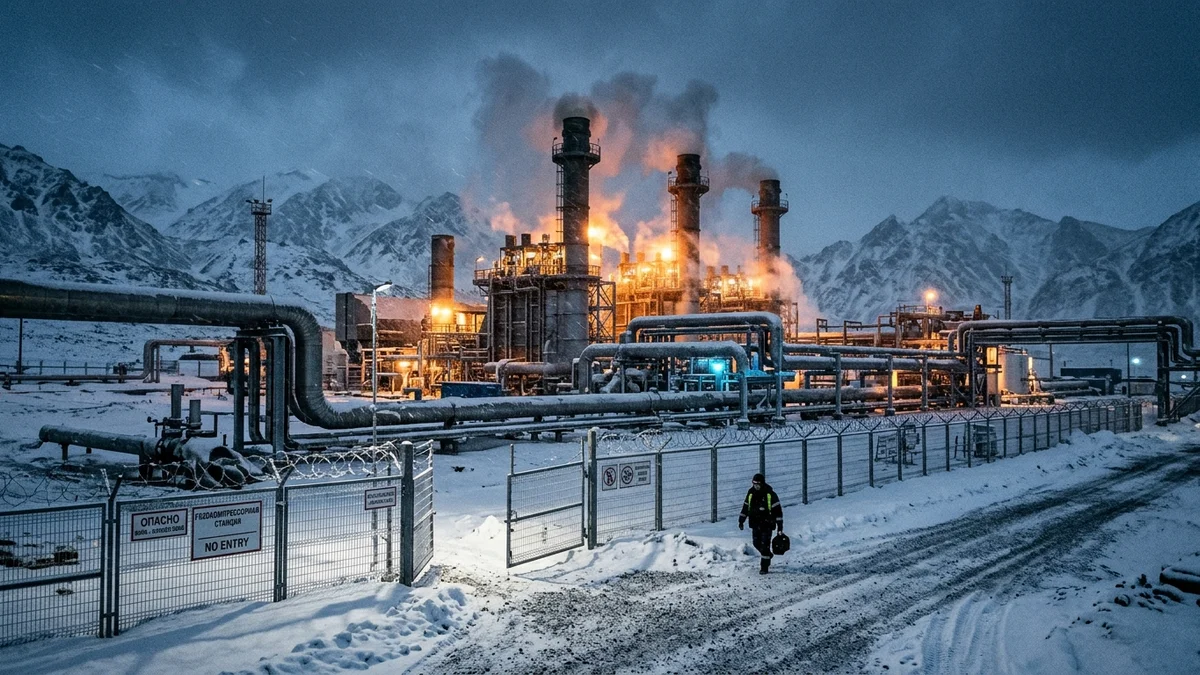
- Dual-Use Strategic Logistics: The corridor operates as a continuous conduit for heavy military hardware—arms transfer flows tracked by the Stockholm International Peace Research Institute (SIPRI). Russian rocket artillery, electronic warfare suites, and air defense systems (including S-400 and Pantsir batteries) travel south into Iran, while Iranian Shahed-series one-way attack drones, ballistic missile propellant precursors, and heavy artillery shells flow north into Russian military staging depots, insulated from satellite tracking and air strikes.
The Rupture of Petrodollar Settlement
While the physical logistics corridor bypasses Western naval dominance, the financial mechanisms developed by the Axis have severed the petrodollar umbilical cord. The weaponization of the SWIFT network and the freezing of over three hundred billion dollars of Russian central bank foreign exchange reserves in 2022 served as an existential warning to non-Western sovereign states: holding dollar-denominated assets represents an unacceptable sovereign vulnerability.
In response, the central banks of Russia and Iran—in close coordination with financial clearing entities in Shanghai, Abu Dhabi, and Mumbai—have instituted a tripartite non-dollar settlement framework:
- 01.Direct Bilateral Clearing via SPFS and SEPAM: Russia’s System for Transfer of Financial Messages (SPFS) has been fully integrated with Iran’s SEPAM interbank network, completely bypassing SWIFT. Bilateral commerce—now exceeding forty billion dollars annually—is cleared exclusively in Russian rubles and Iranian rials, with settlement exchange rates fixed daily based on physical commodity parity.
- 02.The Gold-Linked Energy Ledger: For high-value transactions involving third-party nations in South Asia and Africa who are reluctant to hold volatile rubles or rials, the Axis has introduced digital warehouse receipts backed by allocated physical gold bars vault-stored in Moscow, Dubai, and Tehran. Oil, refined diesel, and natural gas shipments are denominated in grams of fine gold, stripping New York commercial banks of their clearing and oversight jurisdiction.
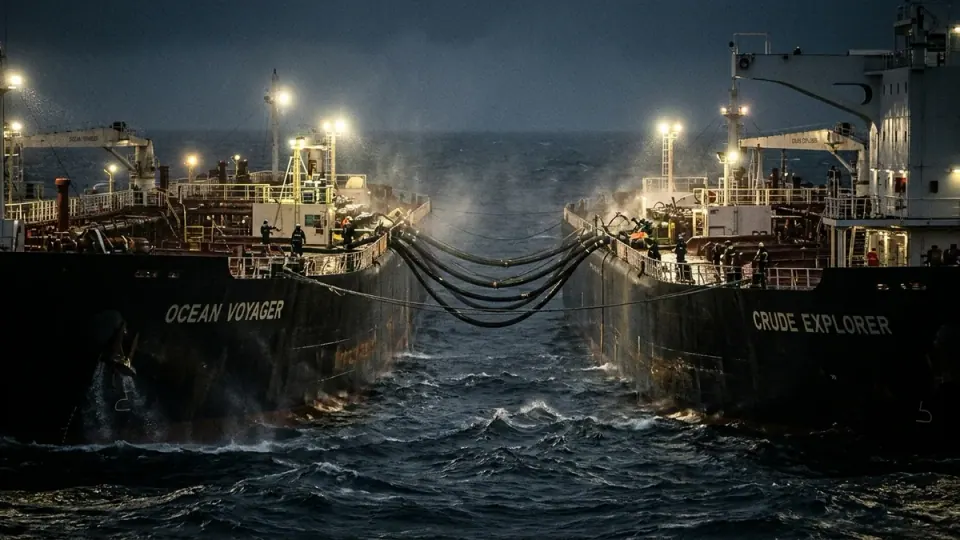
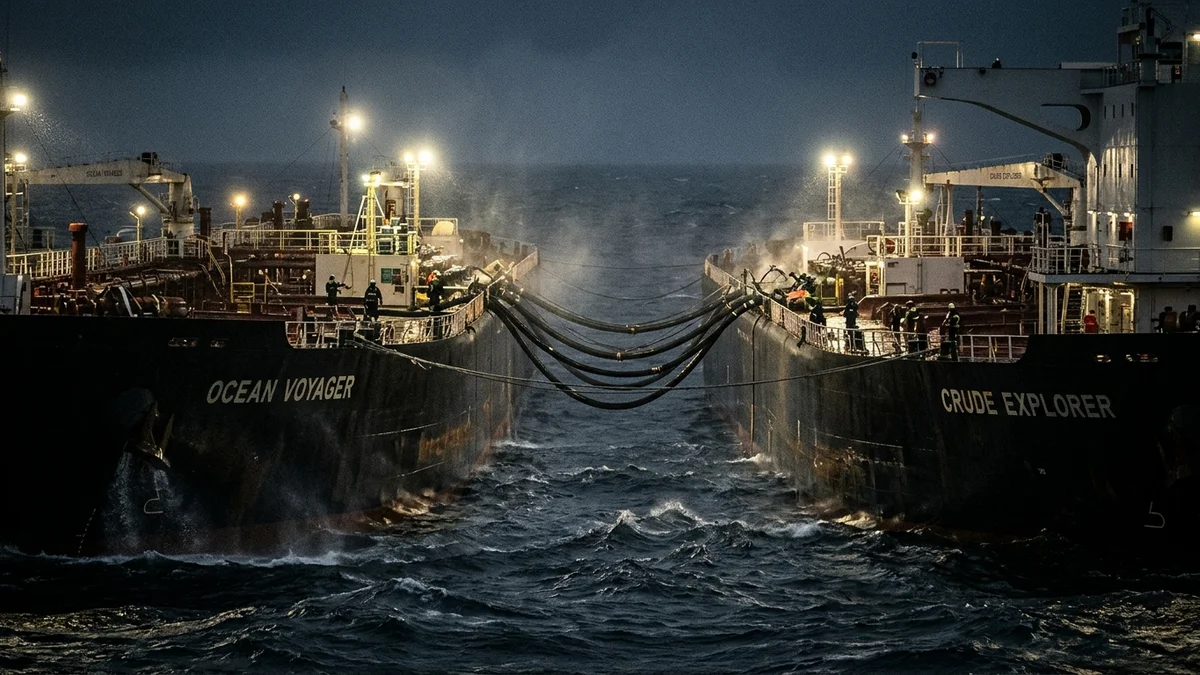
- 03.The Shadow Fleet Transshipment Network: Over six hundred aging Aframax, Suezmax, and VLCC tankers—operating without Western maritime insurance, flagged under obscure flags of convenience, and continuously spoofing their Automated Identification System (AIS) transponders—now transport over four million barrels per day of discounted crude from Russian and Iranian loading terminals directly to private "teapot" refineries across Asia, shifting global supply balances tracked in the IEA Oil Market Report. This vast shadow fleet operates entirely outside G7 price caps, generating un-sanctionable hard currency and raw commodity revenues for both regimes and reinforcing Eurasian energy severance around Hormuz.
Coordinated Chokepoint Asymmetry: Hormuz and the Arctic
The most concerning dimension of the Moscow-Tehran alignment for Western military planners is their ability to execute coordinated, simultaneous maritime extortion across planetary chokepoints.
By coordinating operational tempo, the Axis can divide and exhaust Western naval resources across two hemispheres:
- The Southern Anvil (Hormuz and Bab-el-Mandeb): Iran and its regional allied non-state networks (including the Ansar Allah movement in Yemen) possess the geographic leverage to threaten twenty-five percent of global seaborne commerce across the bottlenecks mapped in the U.S. EIA World Oil Transit Chokepoints analysis and live IMF PortWatch shipping monitors, driving permanent Bab-el-Mandeb and Suez logistics divergence. By conducting low-cost drone harassment and selective sea-mining campaigns, they force Western naval coalitions to expend multimillion-dollar surface-to-air interceptors against fifty-thousand-dollar drones, imposing a financially unsustainable burn rate on Western military arsenals.
- The Northern Hammer (The Arctic Northern Sea Route and the Baltic): Simultaneously, Russia exercises total dominance over the Northern Sea Route (NSR), utilizing its fleet of nuclear-powered icebreakers to control the emerging trans-polar shipping passage. In the Baltic and Barents Seas, Russian naval and submarine assets conduct deniable "gray-zone" harassment—exemplified by Baltic undersea critical infrastructure hybrid warfare—against undersea optical telecommunications cables and subsea energy interconnectors, forcing NATO navies into defensive perimeter patrols across thousands of miles of cold, stormy coastal waters.
The Irreversible Fragmentation of the Global Order
The strategic reality confronting Western policymakers is that the Moscow-Tehran Axis cannot be dismantled through the traditional playbook of diplomatic isolation, economic sanctions, or targeted military air campaigns. The two states possess complementary economic and military architectures: Russia possesses vast mineral reserves, hydrocarbon abundance, nuclear weapons expertise, and heavy industrial metallurgy; Iran provides unconstrained drone and missile mass production, strategic geographical access to the Indian Ocean and the Middle East, and four decades of specialized experience in asymmetric sanctions evasion.
The petrodollar system is not collapsing because the United States currency is inherently weak; it is fracturing because sovereign states controlling the world's primary energy supplies and transport arteries have constructed an alternative, parallel physical and financial reality that functions without it.
The world has formally fractured into two un-mixable blocs: a Western alliance struggling under historic debt burdens, de-industrialized manufacturing bases, and depleted military stockpiles; and a Eurasian continental coalition controlling the raw calories, liquid hydrocarbons, and heavy manufacturing that dictate physical survival. Readers tracking maritime vessel diversions, central bank gold reserves, and energy chokepoints can consult our curated Useful Websites directory for primary open-source monitoring feeds. The long-predicted multipolar era has not arrived through peaceful multilateral negotiations; it has been forged in the crucible of petro-warfare, chokepoint interdiction, and the absolute severance of Eurasian energy from the Western financial system.
Real-time geospatial feed aggregating USGS M5.0+ earthquakes, NASA EONET wildfires, volcanoes, severe storms, UN/EC GDACS alerts, and NOAA geomagnetic status.
Related Reports & In-Depth Intel
Dual Chokepoint Paralysis
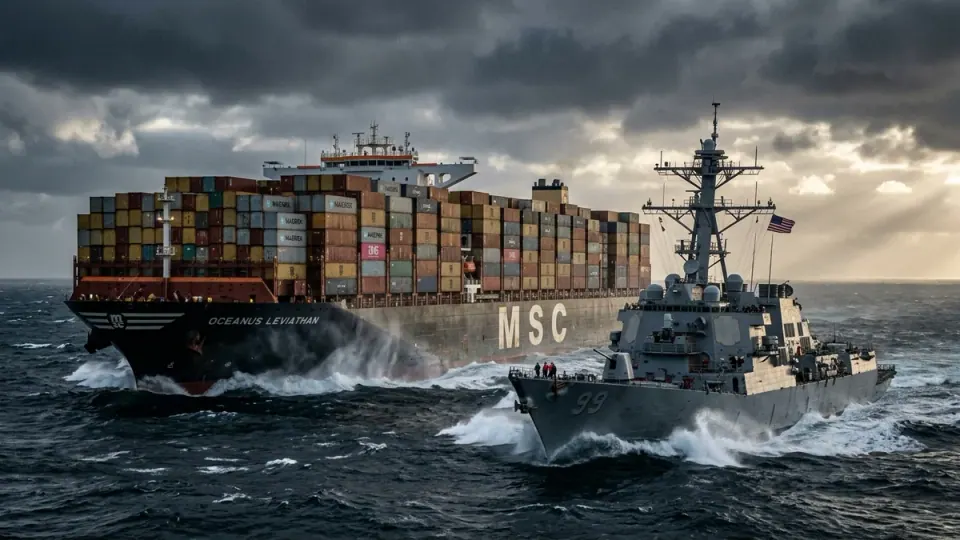
With drone corridors closing the Red Sea and naval skirmishes threatening the Strait of Hormuz, 85% of Eurasian maritime commerce has rerouted around Africa. We analyze the resulting global diesel crunch, container absorption, and supply chain seizure.

The Cold-Weather Fuel Bill
Winter heating demand collides with Middle East supply risks in three clear ways: tighter diesel and LNG tankers, trapped central banks, and squeezed local businesses.

The Three-Carrier Stalemate
With the USS Theodore Roosevelt entering the theater alongside two forward carrier groups after IRGC drone strikes on Bahrain's Al-Rifaa base, markets face a treacherous 'no-war, no-peace' energy chokepoint that neither Washington nor Tehran can cleanly unwind.
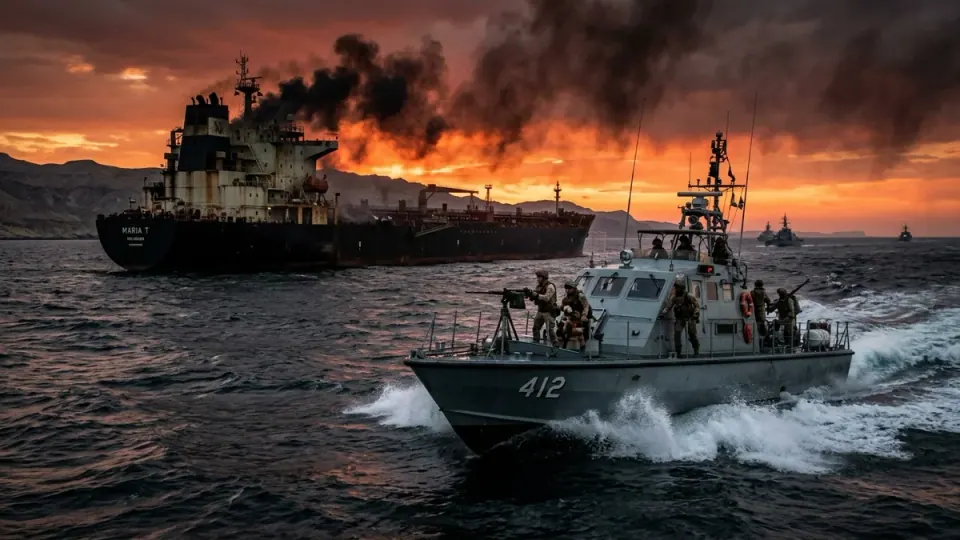
Bab-el-Mandeb Chokepoint Interdiction and the Permanent Logistics Divergence
The indefinite closure of the Bab-el-Mandeb Strait to Western-linked commercial maritime shipping has forced a structural rerouting around the Cape of Good Hope, permanently inflating global supply chain costs and fracturing the petrodollar trade order.