The Great Eurasian Energy Severance
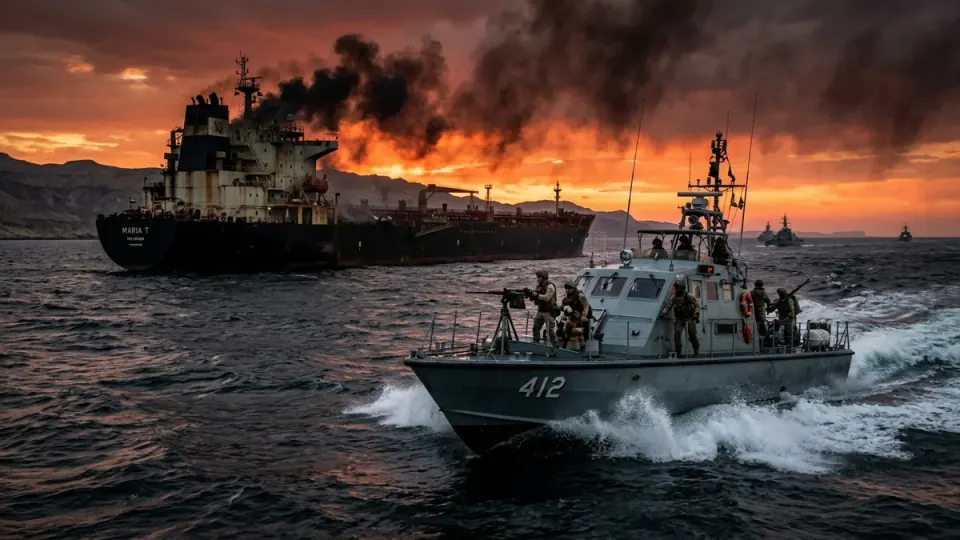
The synchronous closure of the Strait of Hormuz by Iranian naval swarms and targeted Russian pipeline interdiction across the Baltic have fractured global hydrocarbon distribution. We analyze the 150-dollar crude price shock, strategic reserve depletion, and the onset of industrial energy rationing.
# The Great Eurasian Energy Severance: Strait of Hormuz Interdiction, Baltic Drone Strikes, and the 150-Dollar Crude Shock
Modern industrial civilization is fundamentally a heat engine driven by the steady, unceasing combustion of liquid hydrocarbons. Every facet of contemporary survival—from nitrogenous fertilizer synthesis and combine harvester operations to pharmaceutical manufacturing and transcontinental supply chains—depends upon the unhindered flow of approximately one hundred million barrels of petroleum every single day, a supply balance monitored closely in the International Energy Agency (IEA) Oil Market Report. Throughout late 2026, the fragile geographic chokeholds through which this hydrocarbon lifeblood circulates were systematically severed, plunging the global economy into the worst global oil shock and physical energy deficit since the Second World War.
What defense analysts spent half a century theorizing as the ultimate systemic nightmare became operational reality through the simultaneous escalation of two interconnected geopolitical conflicts: the full-scale naval interdiction of the Strait of Hormuz by the Islamic Republic of Iran, and aggressive, deniable asymmetric infrastructure strikes conducted by the Russian Federation against Western European undersea pipelines and liquefied natural gas (LNG) import terminals.
The Hormuz Stranglehold: Mining the World's Hydrocarbon Artery
The Strait of Hormuz is twenty-one nautical miles wide at its narrowest transit point, with commercial shipping constrained to two-mile-wide inbound and outbound navigation channels separated by a two-mile buffer zone. Through this claustrophobic maritime corridor—cataloged as the world's premier bottleneck in U.S. Energy Information Administration (EIA) World Oil Transit Chokepoints data—passes one-fifth of global petroleum liquids and nearly thirty percent of global seaborne liquefied natural gas, sourced from Saudi Arabia, Iraq, the United Arab Emirates, Kuwait, and Qatar, compounding parallel Red Sea and Hormuz container freight ruptures.
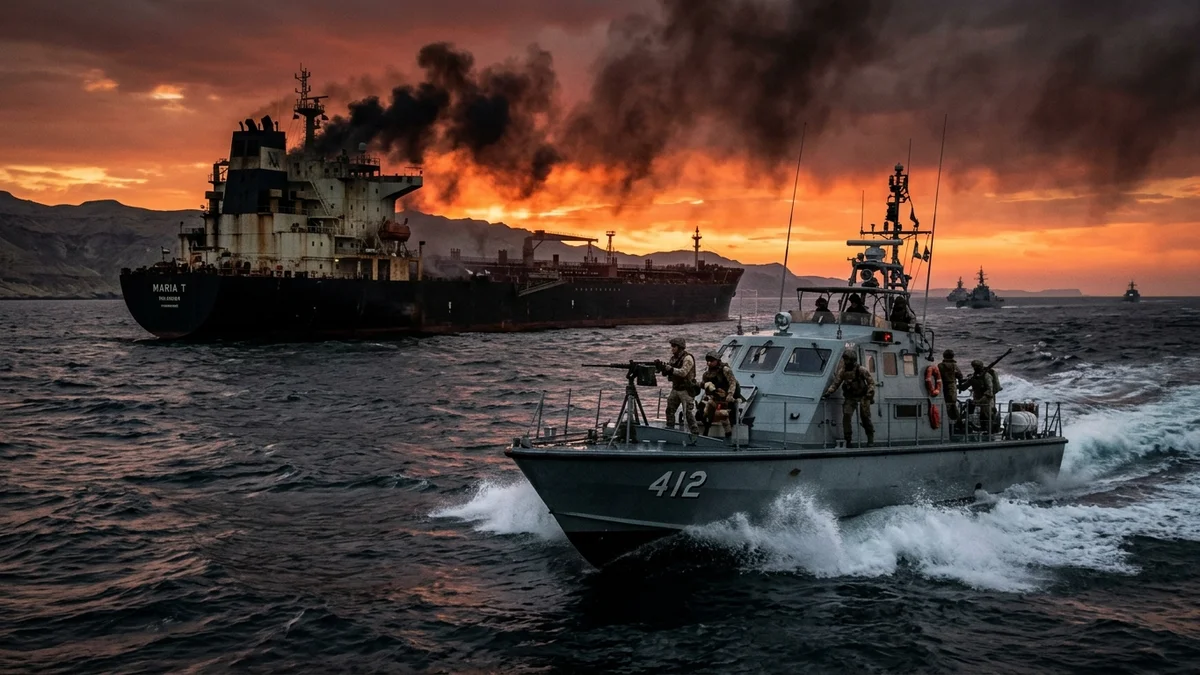
In early November 2026, following protracted kinetic strikes against nuclear and command infrastructure on the Iranian mainland, the Islamic Revolutionary Guard Corps Navy (IRGCN) executed its long-prepared "Operation Samson Corridor." In a coordinated seventy-two-hour campaign, hundreds of fast inshore attack craft (FIAC), uncrewed surface vessels (USVs) laden with shaped-charge explosives, and shore-based anti-ship cruise missile (ASCM) batteries saturated the narrow waterway:
- Smart Sea Mining of the Quoin Island Narrows: Autonomous bottom-tethered acoustic and magnetic influence mines were deployed along the primary deep-water transit channels, making commercial minesweeping impossible under active coastal artillery fire.
- The Annihilation of Marine War-Risk Underwriting: London and Singapore maritime insurance syndicates promptly canceled all war-risk coverage for commercial tankers entering the Persian Gulf. Commercial supertankers (VLCCs and ULCCs) cannot sail without P&I (Protection and Indemnity) insurance; overnight, over sixteen million barrels per day of export capacity were paralyzed at loading berths across Ras Tanura, Basra, and Mina Al-Ahmadi.
- Drone Saturation Against Pumping Stations: Long-range loitering munitions struck critical pressure-boosting stations along the East-West Petroline in Saudi Arabia and the Habshan-Fujairah pipeline in the UAE, disabling the emergency overland bypass pipelines that bypass the Strait of Hormuz.
The Baltic Front: Asymmetric Infrastructure War in the North
While Western naval forces mobilized to escort tankers in the Middle East, a second front erupted across Northern Europe. Leveraging deep-submergence submersibles, covert commercial "shadow fleet" trawlers, and long-range uncrewed underwater vehicles (UUVs), Russian special operations units initiated an asymmetric campaign against European subsea energy lifelines.
In the Baltic and North Seas, explosive shaped charges ruptured critical subsea natural gas conduits connecting Norway to the United Kingdom and continental Europe, executing the exact Baltic undersea hybrid warfare doctrine long feared by maritime planners and tracked via IMF PortWatch vessel monitoring. Simultaneous covert cable cuts severed subsea high-voltage direct current (HVDC) interconnectors between the Scandinavian hydropower network and the British Isles, instantly vaporizing six gigawatts of balancing electrical capacity.
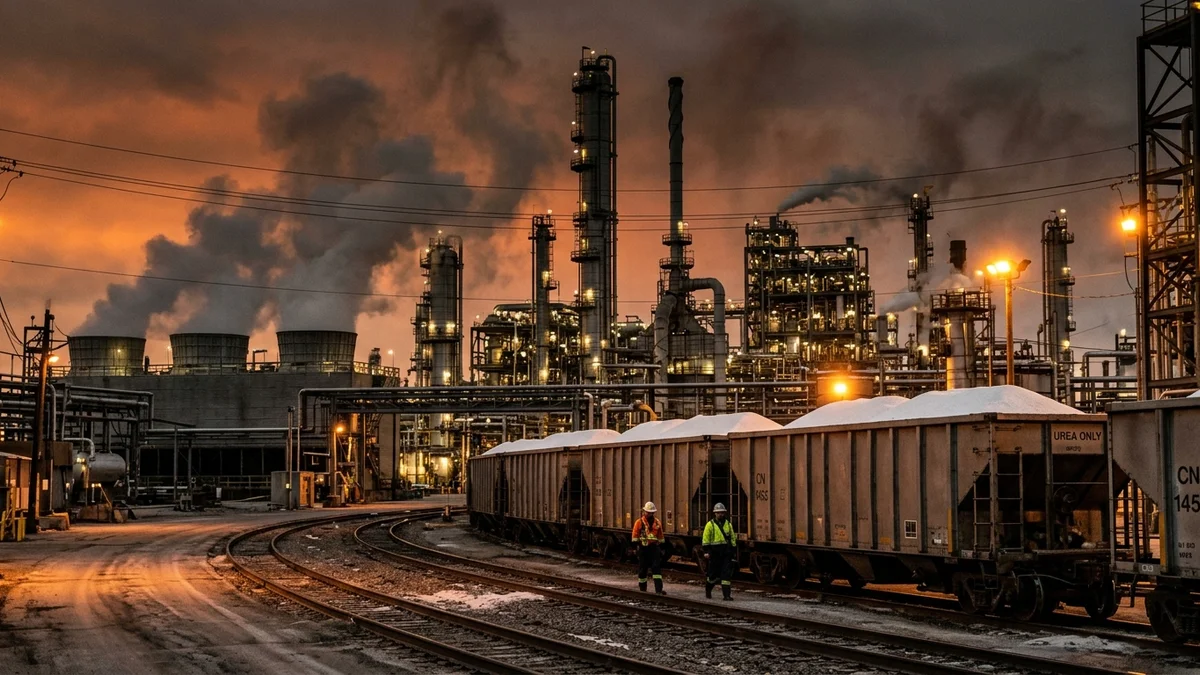
At coastal regasification terminals in Zeebrugge, Rotterdam, and Wilhelmshaven, specialized drone swarms targeted cryogenic storage tanks and boil-off gas compressors. Without Norwegian pipeline feed gas and with LNG import infrastructure crippled, European natural gas spot prices exploded by four hundred percent in forty-eight hours, dragging the entire European wholesale electricity market into systemic failure.
The 150-Dollar Crude Shock and Physical Fuel Deficits
In the global crude oil futures markets, the loss of over twenty million barrels per day of combined production and transit capacity shattered all historical pricing models. Brent crude surged past 150 dollars per barrel within five trading sessions, before trading was indefinitely halted across major mercantile exchanges due to margin liquidation cascades.
However, the real crisis is physical, not financial. Oil is not an abstract financial asset; it is a physical chemical feedstock that must exist in specific storage tanks at specific pipeline terminals to keep society operating:
- 01.The Diesel Crack Spread Explosion: Ultra-low-sulfur diesel (ULSD)—the primary fuel of freight trucks, agricultural machinery, cargo trains, and emergency backup hospital generators—became completely uncoupled from baseline crude. Refineries deprived of heavy sour Persian Gulf crude blends could not maintain catalytic cracking throughput, causing wholesale diesel crack spreads to quadruple.
- 02.Emergency SPR Depletion: In the United States and OECD member nations, governments initiated emergency drawdowns from Strategic Petroleum Reserves (SPRs). However, decades of prior political releases had already depleted Western emergency reserves to thirty-year lows, leaving long-term supply balances analyzed in the IEA World Energy Outlook precariously thin. At current extraction and consumption rates, remaining OECD emergency stockpiles contain less than forty-five days of operational buffer, making wartime fuel rationing and diesel scarcity protocols unavoidable.
- 03.National Priority Fuel Rationing: Across European capitals and Asian import hubs, governments invoked emergency defense production acts, declaring Phase-3 Energy Red Alerts. Commercial gas stations have been shuttered or placed under armed military guard, with available diesel and gasoline strictly rationed for emergency vehicles, agricultural harvesting fleets, and military logistics.
Cascading Collapse Across the Petrochemical Spine
The loss of global crude and natural gas throughput extends far beyond transportation fuel. Over ninety percent of manufactured goods, synthetic fertilizers, plastics, and pharmaceutical precursors are derived directly from petroleum fractions and natural gas feedstocks:
- Fertilizer Production Halts: Ammonia synthesis complexes across Germany, Poland, and Italy have closed their gates, unable to afford methane feedstocks. The cessation of European fertilizer production removes five million metric tons of nitrogenous fertilizer from the international spring 2027 planting cycle—tightening nutrient balances tracked by the UN Food and Agriculture Organization (FAO) and tightening the global fertilizer-diesel famine nexus.
- Plastics and Packaging Collapse: Petrochemical crackers producing ethylene, propylene, and benzene have reduced operations to minimum technical turndown rates. Supply chains for food packaging films, sterile medical syringes, and industrial lubricants have fractured, halting production lines thousands of miles away in non-combatant nations.
- The De-Industrialization of Heavy Manufacturing: Aluminum smelters, steel mills, glassworks, and chemical complexes across Germany, South Korea, and Japan—nations whose economic models rely on importing raw energy and exporting high-value industrial goods—are shutting down permanently. Corporate leadership openly acknowledges that once blast furnaces and electrolytic cells cool below critical operating temperatures, they cannot be restarted without hundreds of millions of dollars in mechanical rebuilds.
The Great Eurasian Energy Severance has demonstrated the fatal frailty of globalized hyper-specialization. Human societies that believed they had transcended geopolitical rivalry and physical resource constraints have discovered, within a matter of days, that modern civilized life is an fragile illusion maintained solely by the uninterrupted flow of heavy fuel oil through narrow straits and cold seas. As the fires burn in the Persian Gulf and the pipeline corridors remain silent, the long dark winter of global energy collapse has begun.
Authoritative Sources & Further Reading
Real-time geospatial feed aggregating USGS M5.0+ earthquakes, NASA EONET wildfires, volcanoes, severe storms, UN/EC GDACS alerts, and NOAA geomagnetic status.
Related Reports & In-Depth Intel
Black Sea Naval Drone Warfare and the Total
The deployment of autonomous uncrewed surface vessels (USVs) and hypersonic anti-ship missile salvos across the Black Sea basin has triggered the indefinite suspension of commercial maritime shipping, stranding 35 million metric tons of essential agricultural exports.
Dual Chokepoint Paralysis
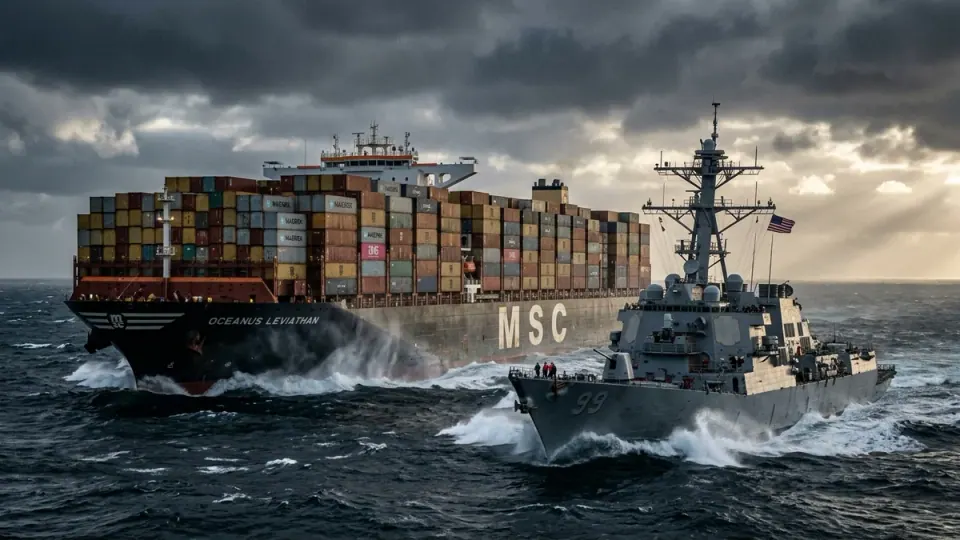
With drone corridors closing the Red Sea and naval skirmishes threatening the Strait of Hormuz, 85% of Eurasian maritime commerce has rerouted around Africa. We analyze the resulting global diesel crunch, container absorption, and supply chain seizure.

The Great Rare Earth and Antimony Embargo
As Beijing tightens sovereign export controls on antimony, gallium, germanium, and heavy rare earths, Western defense assembly lines and electric turbine manufacturing face acute physical shortages. We examine the abrupt halt of advanced manufacturing.
Strait of Hormuz Blockade and Russian Escalation
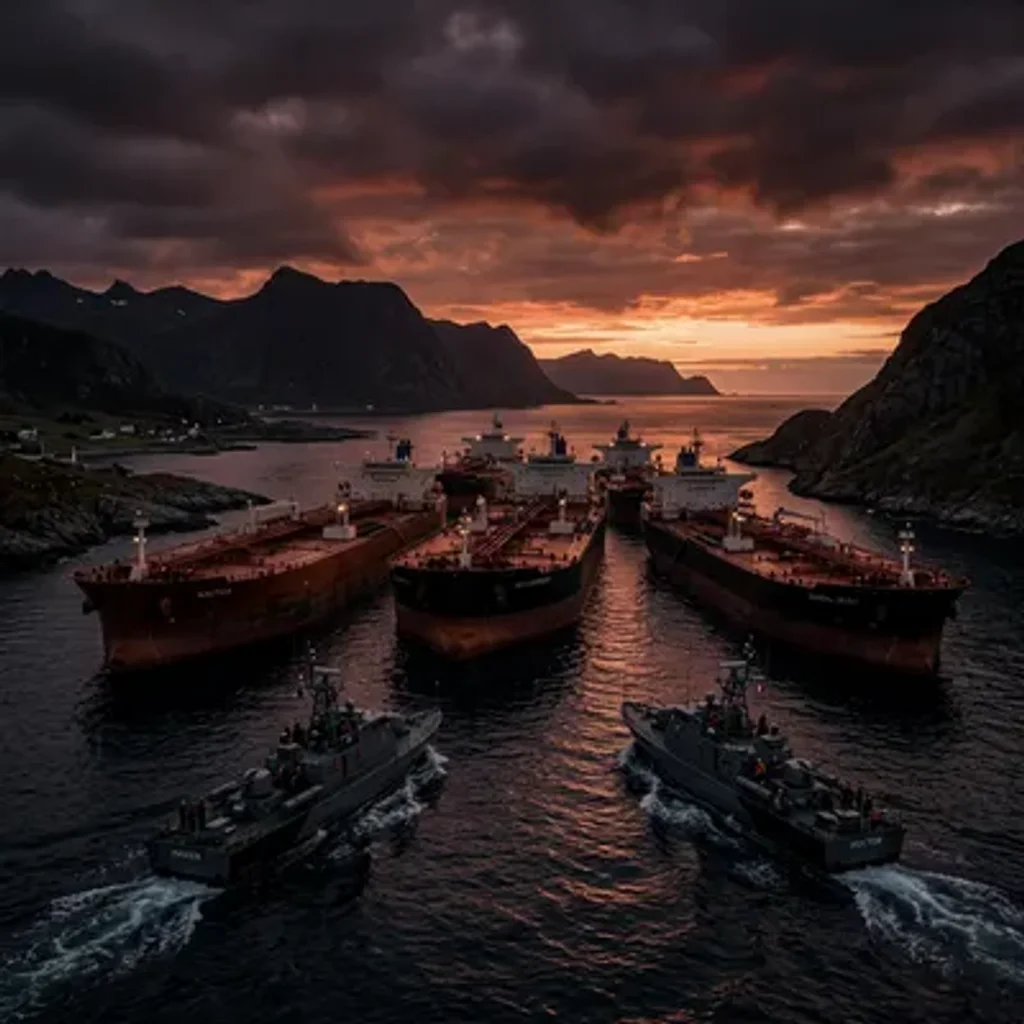
With naval combat severing Persian Gulf tanker routes and Russian infrastructure warfare choking Eurasian pipelines, global crude has skyrocketed past historic peaks. We detail the mechanics of the resulting diesel rationing and industrial collapse.