Strait of Hormuz Blockade and Russian Escalation
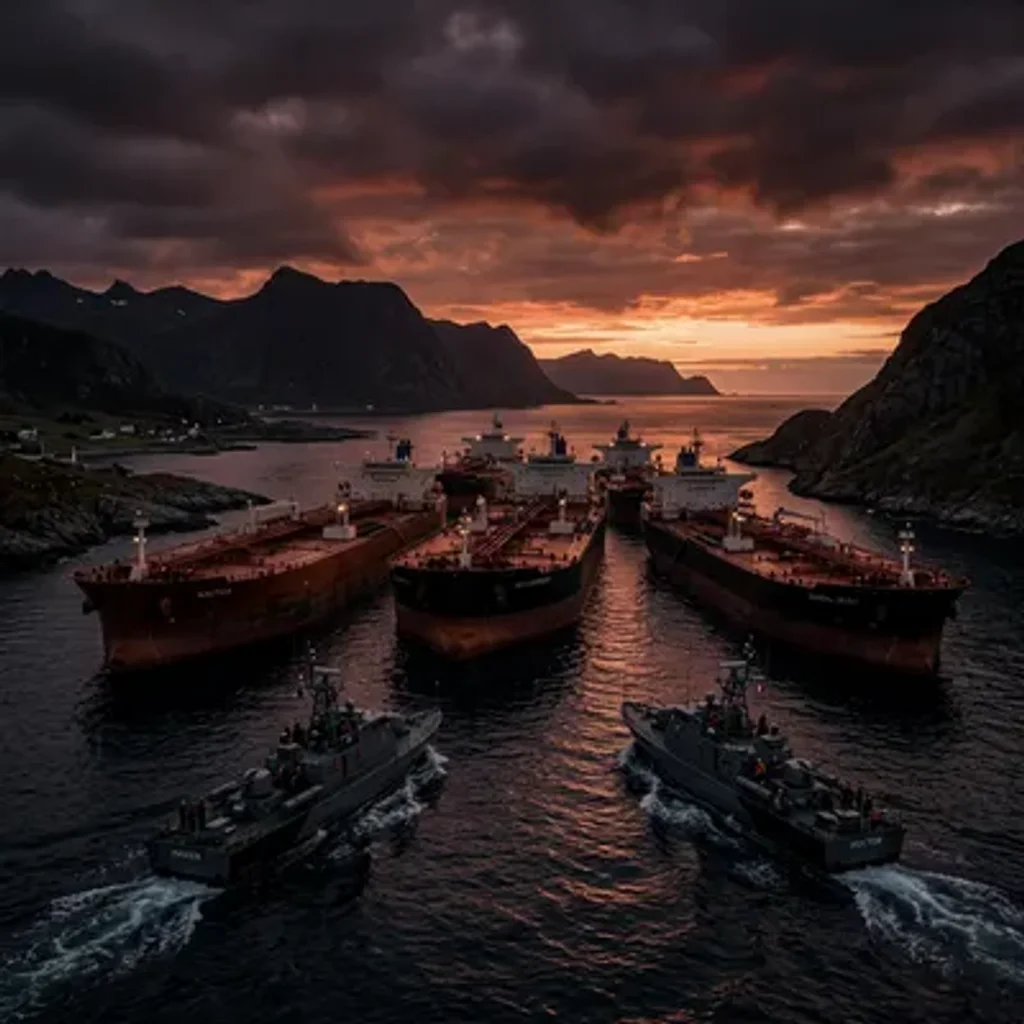
With naval combat severing Persian Gulf tanker routes and Russian infrastructure warfare choking Eurasian pipelines, global crude has skyrocketed past historic peaks. We detail the mechanics of the resulting diesel rationing and industrial collapse.
The Severing of the Persian Gulf Arteries
For half a century, global energy traders treated a full closure of the Strait of Hormuz as an unthinkable tail risk—a geopolitical doomsday scenario priced at near-zero probability because every producer in the Persian Gulf needed oil revenue too badly to let the tap shut off. That assumption just died in seventy-two hours of naval mining, drone swarms, and coastal anti-ship missile salvos.
Following targeted strikes on Iranian military infrastructure, forces under the Islamic Revolutionary Guard Corps (IRGC) seeded smart bottom mines, deployed fast-attack boats, and positioned mobile anti-ship cruise missile batteries along the twenty-one-mile shipping channel linking the Persian Gulf to the Gulf of Oman—triggering the Great Eurasian Energy Severance. Under normal traffic, roughly 21 million barrels of crude oil, condensate, and refined petroleum products—alongside nearly a fifth of the world's liquefied natural gas—transit those narrow lanes every single day, a concentration tracked in U.S. Energy Information Administration (EIA) World Oil Transit Chokepoints analyses.
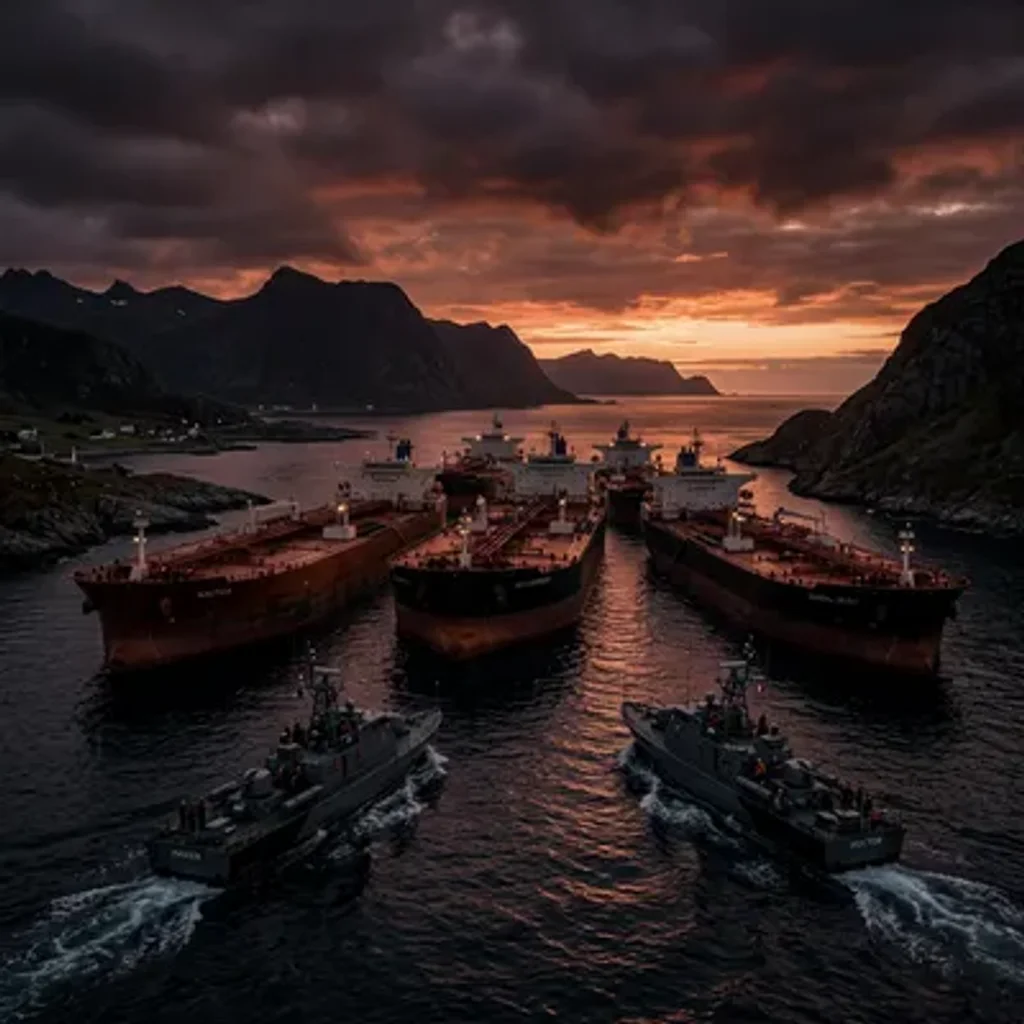
You do not have to sink fifty supertankers to halt maritime trade. You only need to spook the underwriters. Within hours of the first confirmed hull strikes, Lloyd's syndicates and London P&I clubs suspended or repriced war-risk coverage for Persian Gulf voyages to prohibitive levels, compounding three-carrier oil risk premia. Over three hundred Very Large Crude Carriers (VLCCs) and LNG carriers dropped anchor outside the strait or inside Gulf holding zones—a sudden traffic freeze visible across IMF PortWatch maritime telemetry—refusing to clear mines without naval escorts that coalition navies cannot muster overnight.
Brent crude spiked past $165 per barrel inside five trading sessions, while Asian spot LNG cargoes jumped into bidding wars not seen since 2022. Crucially, the Gulf's overland bypass pipelines—Saudi Arabia's East-West Petroline to Yanbu on the Red Sea and the UAE's Habshan-Fujairah link—cover only a fraction of normal Gulf exports and remain vulnerable themselves to long-range drone strikes and Red Sea interdiction.
Russian Pipeline Weaponization and European Freezes
As Western naval assets surged toward the Arabian Sea, Moscow moved decisively along the northern flank to compound the supply squeeze. Hybrid sabotage against Baltic critical undersea infrastructure—seabed power cables, subsea telecommunications links, and offshore gas conduits—paired with the complete cutoff of residual pipeline transit across Ukraine, stripped Europe of remaining supply flexibility ahead of winter replenishment.
Western policymakers quickly discovered an uncomfortable physical truth: Strategic Petroleum Reserves (SPRs) and emergency stock releases tracked in the International Energy Agency (IEA) Oil Market Report are built to smooth temporary six-week disruptions, not replace 15 to 20 million barrels per day of missing seaborne crude indefinitely. Once strategic caverns are drawn down past technical recovery rates, physical markets clear through brutal price destruction and mandatory rationing.
The real fracture lines have appeared inside complex petroleum refining—specifically across middle distillates that keep industrial civilization moving:
- Diesel and Gasoil Deficits: Gasoline moves passenger cars; diesel moves everything else. Heavy freight trucks, freight locomotives, combines, irrigation pumps, open-pit mining haulers, container port cranes, and hospital backup generators all run on diesel. Global middle-distillate inventories—monitored via the EIA Weekly Petroleum Status Report—have fallen below sixteen days of forward demand, forcing European and Latin American distributors onto strict allocation quotas.
- Fertilizer and Petrochemical Shutdowns: Modern agriculture eats natural gas through the Haber-Bosch process. With European feedstock gas prices surging past industrial breakeven thresholds, ammonia, urea, and diesel exhaust fluid (DEF/AdBlue) plants across Western Europe have idled production lines—tightening global nutrient balances tracked by the UN Food and Agriculture Organization (FAO) and locking in the global fertilizer-diesel famine nexus for the coming growing season.
- Jet-A1 Command Reallocation: Major international air cargo and passenger hubs have begun curtailing commercial flight schedules as defense ministries invoke emergency production authorities to prioritize Jet-A1 turbine fuel for military airlift, maritime patrol aircraft, and urgent medical logistics.
Why Refining Chemistry Makes Substitutions Impossible
Even where non-Gulf crude exists—U.S. Permian shale, Brazilian offshore pre-salt, or Guyanese fields—barrels are not interchangeable. Refineries are custom-built chemical plants tuned for specific oil gravities and sulfur profiles.
Gulf crudes exported by Saudi Arabia, Iraq, and Kuwait tend to be medium-sour grades rich in the heavier hydrocarbon fractions needed to yield high volumes of diesel, jet fuel, and marine bunker fuel. Light sweet U.S. shale crude yields disproportionately high volumes of naphtha and gasoline, leaving complex coastal refineries starved for heavy vacuum gasoil inputs even when domestic oil output looks high on paper.
That mismatch explains why refineries across East Asia and Europe have been forced to cut run rates precisely when diesel crack spreads hit historic highs. You cannot pour light tight oil into a heavy coker unit and expect diesel trucks to stay fueled.
The Cascade to Physical Rationing
Financial inflation can be cooled by raising central bank policy rates and slowing consumer credit. A physical shortage of joules cannot.
Across vulnerable importing nations in South Asia, Sub-Saharan Africa, and parts of Europe, governments have already shifted from price subsidies—which bankrupt central bank foreign-exchange reserves within weeks—to direct physical allocation:
- Fuel card caps limiting private passenger vehicles to twenty liters per week
- Freight prioritization restricting commercial diesel sales to cold-chain food transport, municipal water/sewage pumping, and emergency medical fleets
- Rolling industrial power load-shedding in regions dependent on diesel-fired peak generation and imported LNG turbines
When freight rates triple and diesel queues stretch miles outside depots, food inflation follows on a thirty-day lag regardless of how much wheat sits in distant silos. Harvested grain that cannot reach a port or mill might as well not exist.
Living Inside an Energy-Constrained World
Civilization is not an information cloud floating above the earth; it is a heat engine fueled by dense, transportable liquid hydrocarbons. For decades, cheap maritime shipping and uninterrupted energy flows disguised just how little buffer stood between suburban abundance and empty shelves.
For households and local businesses, the practical takeaway from the 2026 oil shock is straightforward: trim non-essential fuel dependence before rationing arrives at your local station and prepare for winter heating oil and inflation shocks. Keep vehicle tanks topped above half-full, maintain backup non-grid heating options, prioritize rotated shelf-stable food calories that require minimal cooking energy, and cultivate local supply relationships that do not depend on three-thousand-mile diesel freight lanes. Energy shocks eventually clear—either through diplomacy, escorts, or demand destruction—yet the households caught without margin absorb the worst of the squeeze while markets reprice reality.
Authoritative Sources & Further Reading
Real-time geospatial feed aggregating USGS M5.0+ earthquakes, NASA EONET wildfires, volcanoes, severe storms, UN/EC GDACS alerts, and NOAA geomagnetic status.
Related Reports & In-Depth Intel
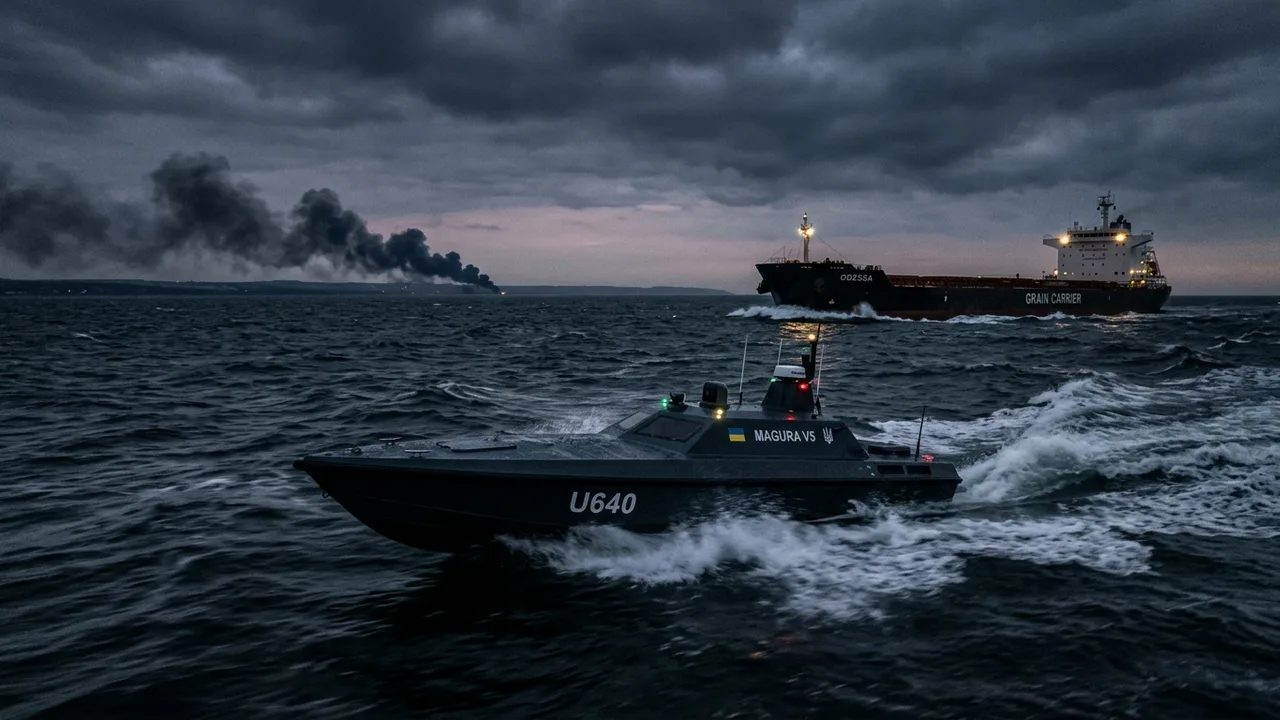
Black Sea Naval Drone Warfare and the Total
The deployment of autonomous uncrewed surface vessels (USVs) and hypersonic anti-ship missile salvos across the Black Sea basin has triggered the indefinite suspension of commercial maritime shipping, stranding 35 million metric tons of essential agricultural exports.

The Fragility of Just-In-Time Supply Chains
Lean logistics eliminated warehouses to boost quarterly margins—leaving supermarkets, pharmacies, and power utilities operating with roughly three days of buffer. Here is how modern supply chains fail under pressure and how households can build real slack back into their lives.

The Three-Carrier Stalemate
With the USS Theodore Roosevelt entering the theater alongside two forward carrier groups after IRGC drone strikes on Bahrain's Al-Rifaa base, markets face a treacherous 'no-war, no-peace' energy chokepoint that neither Washington nor Tehran can cleanly unwind.
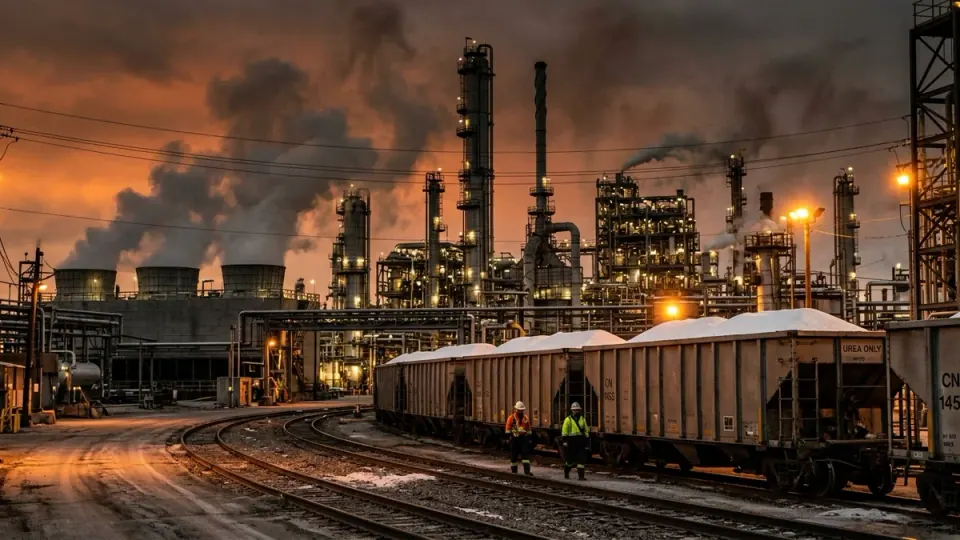
The Nitrogen Trap
As natural gas feedstocks tighten and Middle Eastern ammonia export terminals face blockade risks, global synthetic nitrogen prices have surpassed historic peaks. We model the 2027 agricultural deficit and the return of food nationalism.