Wartime Fuel Rationing & Diesel Scarcity
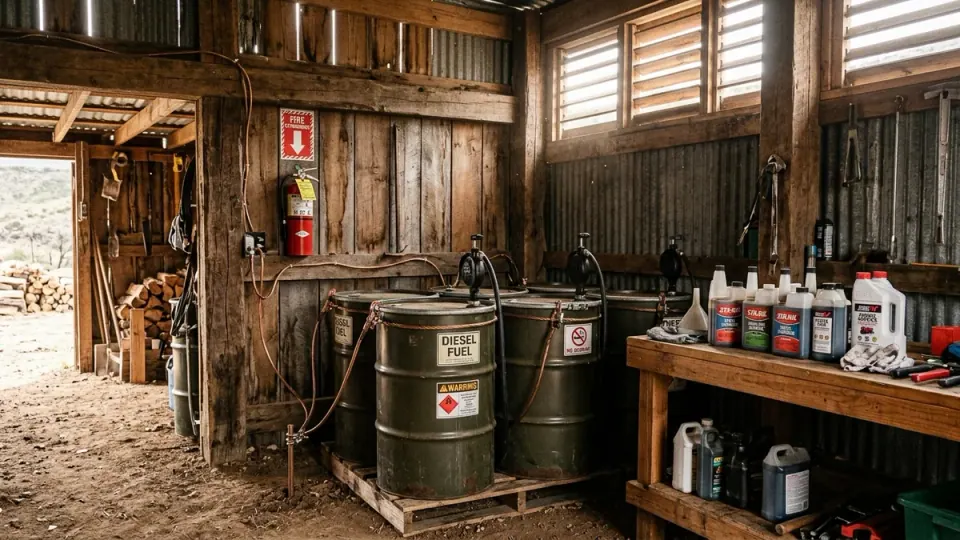
A tactical manual for surviving multi-year hydrocarbon scarcity and wartime fuel rationing. We examine chemical fuel stabilization, safety regulations for home diesel bunkers, the engineering of Imbert biomass wood gasifiers, and non-electric mechanical mobility.
# Wartime Fuel Rationing & Diesel Scarcity: The Field Manual for Long-Term Fuel Stabilization, Wood Gasification, and Mechanical Independence
In a peacetime consumer economy, liquid fuel is treated as an infinite, on-demand utility. You pull up to a service station, swipe a plastic debit card, and pump hundreds of thousands of BTUs of refined hydrocarbon energy into your vehicle’s tank without a second thought. However, during times of prolonged regional war, Strait of Hormuz chokepoint interdiction, and state-mandated fuel rationing—supply disruptions tracked globally by the International Energy Agency (IEA) and on our crisis data portal—the filling station pumps go dry within forty-eight hours. When diesel fuel disappears from the commercial market, modern life grinds to an absolute, shuddering halt: municipal garbage collection ceases, supermarket grocery deliveries vanish, regional water pumping stations sputter out, and winter residential heating systems go cold.
Hydrocarbons are the densest, most portable chemical energy storage medium known to engineering science. A single liter of standard diesel contains approximately 38.6 megajoules of chemical energy—the equivalent of dozens of hours of intense human physical labor. If you intend to operate stationary generators, cultivate acreage with tractors, transport critical medical supplies, or heat a fortified rural homestead through a protracted energy blockade, you must master the chemical chemistry of fuel preservation, safe bunkering protocols, and emergency alternative fuel synthesis.
This field manual provides the engineering blueprints, chemical dosages, and practical protocols required to survive a protracted national fuel drought.
Fuel Chemistry and Long-Term Stabilization Protocols
Raw petroleum fuels are not inert, shelf-stable chemicals. Refined automotive gasoline and ultra-low-sulfur diesel (ULSD) are volatile cocktails of organic hydrocarbons that begin degrading via oxidation, phase separation, and biological contamination the moment they leave the refinery cracking tower—challenges detailed in U.S. Department of Energy (DOE) fuel stability guidance and our blackout microgrid fuel hygiene manual.
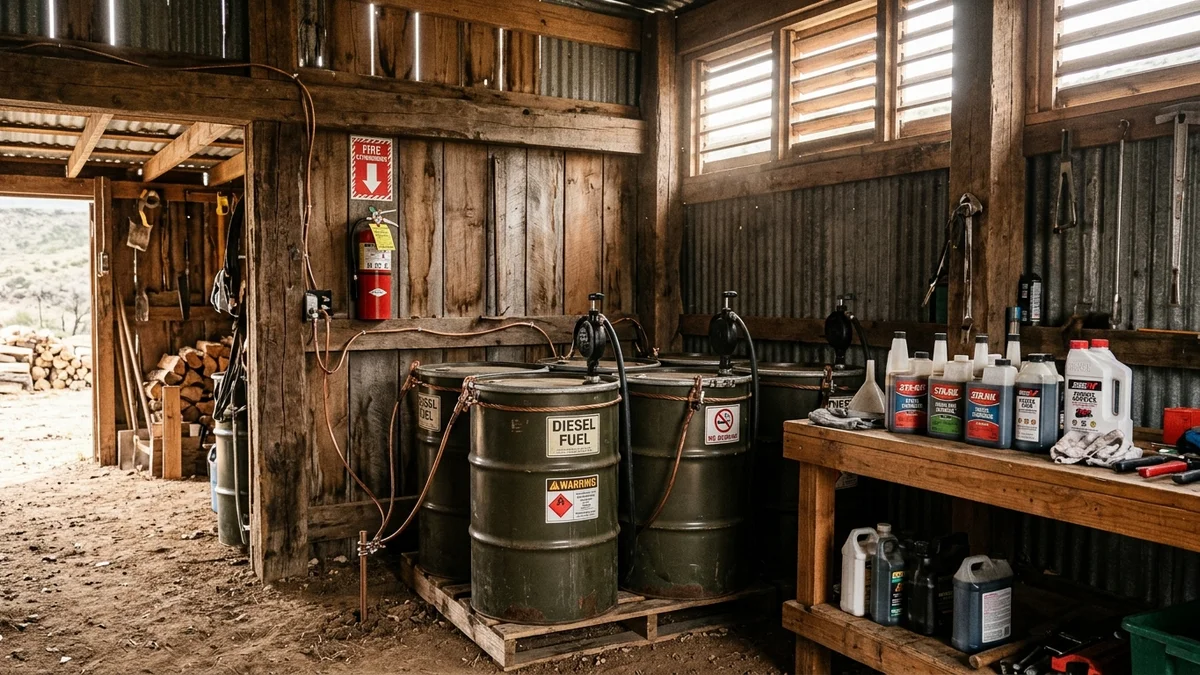
1. The Perils of Modern Ultra-Low-Sulfur Diesel (ULSD)
Unlike the high-sulfur diesel produced in the twentieth century—which could sit in steel storage tanks for years with minimal intervention—modern ULSD presents two fatal survival vulnerabilities:
- Microbial Proliferation ("The Diesel Bug"): Hydrocracking processes remove natural sulfur compounds, which previously acted as natural biocides. Under humid storage conditions, ambient atmospheric moisture condenses along the internal walls of storage drums and sinks to the bottom (water being denser than diesel). The interface between the water layer and the fuel creates a fertile breeding ground for anaerobic bacteria, molds, and fungi (Cladosporium resinae). These organisms consume the hydrocarbon molecules, excreting acidic bio-sludge and corrosive hydrogen sulfide gas that permanently ruins fuel injectors and clogs high-pressure fuel filters.
- Chemical Treatment Protocol: You must dose all stored diesel with a commercial dual-phase biocide (containing isothiazolinone compounds such as Kathon FP 1.5 or Biobor JF) immediately upon procurement. Treat fuel at the curative shock dosage (approximately 2.5 fluid ounces per 100 gallons) followed by an anti-oxidant thermal stabilizer (such as Pri-D or Sta-Bil Diesel Formula) to prevent asphalt wax drop-out.
2. The Rapid Death of Ethanol-Blended Gasoline
Automotive gasoline blended with ten to fifteen percent fuel ethanol (E10/E15) is completely unsuitable for long-term survival storage:
- Phase Separation Thermodynamics: Ethanol is hygroscopic—it actively attracts and absorbs moisture from ambient air. Once ethanol-blended gasoline absorbs approximately 0.5% water by volume at room temperature, it experiences catastrophic phase separation. The ethanol and water chemically bond and drop out of suspension, settling to the bottom of the container as a murky, non-combustible sludge layer, leaving an ultra-low-octane gasoline layer floating on top. If sucked into an internal combustion engine, this mixture causes immediate detonation, pre-ignition, and catastrophic piston hole burn-through.
- Storage Imperative: For gasoline storage, you must source exclusively "Non-Ethanol" (Rec-90 or aviation-grade Avgas 100LL) fuel. Avgas 100LL contains tetraethyl lead and anti-knock compounds that remain chemically stable for up to five to seven years in sealed steel drums. Treat non-ethanol gasoline with commercial phenolic stabilizers (Pri-G) at double the manufacturer-recommended dosage.
Engineering the Safe Homestead Fuel Bunker
Storing hundreds of gallons of flammable liquid hydrocarbons adjacent to a living dwelling violates every principle of structural survival and NFPA 30 flammable liquid safety codes. A catastrophic fire or vapor explosion will incinerate your homestead and announce your location to hostile actors for miles around.
Grounding, Bonding, and Static Electricity Defense
The primary cause of accidental fuel depot explosions during dispensing is static electrical discharge:
- Equipotential Bonding: Flowing hydrocarbon fluids generate static electricity through internal pipe and hose friction. When pumping fuel from a 55-gallon drum into a secondary container or vehicle tank, you must establish an equipotential electrical bond. Clamp a heavy-duty copper bonding wire with teeth-lined alligator clamps between the metal drum bung and the metal chassis of the receiving vehicle before unscrewing the fuel cap.
- Earth Grounding: Drive a two-meter copper-clad grounding rod into the soil directly outside your fuel bunker outbuilding. Run a braided 4-AWG copper wire from the grounding rod directly to the steel drum storage racks.
- Manual Rotary Vane Pumps: Never utilize electric or submersible pumps that are not strictly rated explosion-proof (Class I, Division 1). Standard shop vacuums or cheap 12V plastic transfer pumps will arc internally, igniting fuel vapors. Procure heavy cast-iron or bronze manual rotary-vane barrel pumps equipped with Viton seals, grounding leads, and anti-siphon valves.
The Biomass Alternative: The Imbert Wood Gasifier
When liquid petroleum stores are completely exhausted and commercial supply chains never return, you can maintain stationary engine operations—alongside off-grid methane production via a DIY biogas generator—by converting solid biomass (hardwood chips) into combustible synthesis gas ("Wood Gas" or Holzgas).
During the petroleum rationing of World War II, over five hundred thousand civilian and military vehicles across Europe operated reliably using onboard wood gas generators, engineering principles later documented by FEMA emergency generator manuals and the FAO Wood Gas as Engine Fuel compendium. The gold standard for off-grid internal combustion mechanical power is the closed-top Imbert gasifier.
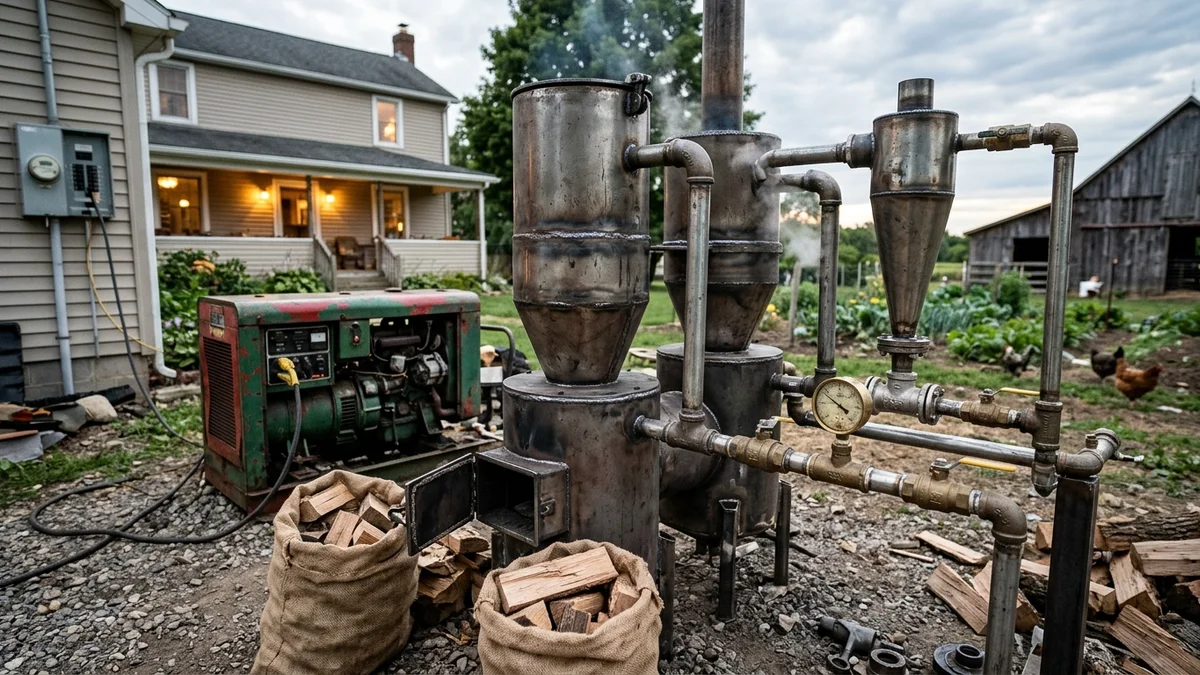
Thermodynamics of Wood Gasification
Wood gasification is not simple wood burning; it is the high-temperature partial oxidation of carbonaceous biomass under controlled air deprivation inside an insulated throat:
- 01.Drying Zone (100°C–200°C): Raw wood chips enter the upper hopper; internal heat drives off residual free moisture as steam.
- 02.Pyrolysis Zone (200°C–500°C): In the absence of oxygen, thermal breakdown converts solid wood into volatile hydrocarbon vapors, charcoal (carbon), and heavy wood tars.
- 03.Oxidation Zone (900°C–1400°C): Air is admitted through calibrated peripheral nozzles (tuyeres). The volatile gases burn, generating immense heat and creating a white-hot glowing charcoal bed.
- 04.Reduction Zone (600°C–900°C): The combustion products—carbon dioxide ($CO_2$) and water vapor ($H_2O$)—are drawn downwards through the constricted throat of glowing incandescent charcoal. The chemical reduction reactions convert these waste gases into combustible producer gas:
- 02. $$\text{C} + \text{CO}_2 \rightarrow 2\text{CO} \quad (\text{Carbon Monoxide})$$
- 03. $$\text{C} + \text{H}_2\text{O} \rightarrow \text{CO} + \text{H}_2 \quad (\text{Hydrogen Gas})$$
The Cleaning and Cooling Train
Raw wood gas exiting the gasifier reactor core is laden with microscopic abrasive ash, soot, and condensed wood tars. If admitted directly into an engine intake manifold, these tars will coat the intake valves and freeze the piston rings solid within fifteen minutes of operation:
- Cyclone Separator: The hot gas passes tangentially into a conical steel cyclone separator, spinning the gas stream at high velocity. Centrifugal force flings ninety percent of coarse particulate ash against the outer walls, dropping it into an airtight dust bin.
- Radiator Condenser: The gas flows through a serpentine array of steel pipes exposed to ambient air. Cooling the gas from 400°C down to ambient temperature condenses moisture and dramatically increases gas density, improving engine volumetric efficiency.
- Packed Bed Filter: The cooled gas bubbles through a secondary filtration drum packed with dense, dry wood shavings, coconut coir, or hay. The filter media traps residual microscopic tars, delivering dry, sparkling clean carbon monoxide and hydrogen fuel into the carburetor mixing tee.
- Carburetor Air-Fuel Mixing: Wood gas requires an air-to-fuel ratio of approximately 1:1 by volume. An adjustable gate valve installed on the engine intake allows you to manually balance the ratio of atmospheric air to incoming wood gas until the engine hits a smooth, steady idle.
Safety Warning: Producer gas contains between twenty and thirty percent carbon monoxide ($CO$). It is odorless, colorless, and rapidly lethal at concentrations above 0.1%. Never operate a wood gasifier inside a closed building or unventilated garage. Always equip your operating area with a dedicated battery-powered digital carbon monoxide monitor.
Mechanical Muscle Power: Low-Tech Logistics
When engines cannot be justified, you must revert to human-powered and draft-animal mechanical transport:
- Cargo-Optimized Cargo Bicycles: Procure robust, steel-frame heavy-duty cargo bicycles (such as long-tail utility bikes or Dutch-style bakfiets). A fit individual can pedal approximately one hundred kilograms of cargo across fifty kilometers on paved or gravel roads on the caloric equivalent of two bowls of oatmeal—an energetic efficiency that surpasses every mechanized vehicle on earth.
- Pneumatic Tire Preservation: Modern pneumatic bicycle tires degrade when exposed to ozone and ultraviolet light. Stockpile dozens of heavy-duty thorn-resistant butyl inner tubes, patch vulcanizing kits, high-pressure hand floor pumps, and Kevlar-reinforced flat-resistant tire liners.
- Hand Carts and Travois: Maintain two-wheeled welded steel garden or deer carts with large-diameter motorcycle-spoke wheels. High-clearance carts allow two individuals to haul three hundred kilograms of firewood, grain sacks, or building stones across rough terrain with minimal physical strain.
Energy independence is not about maintaining the reckless hyper-consumption of the late industrial era; it is about knowing how to extract the maximum thermodynamic utility from every drop of fuel, every scrap of hardwood, and every ounce of human muscle. When the global oil shock permanently closes the modern service station, those who survive will be those who engineered their independence before the crisis struck.
Real-time geospatial feed aggregating USGS M5.0+ earthquakes, NASA EONET wildfires, volcanoes, severe storms, UN/EC GDACS alerts, and NOAA geomagnetic status.
Related Reports & In-Depth Intel
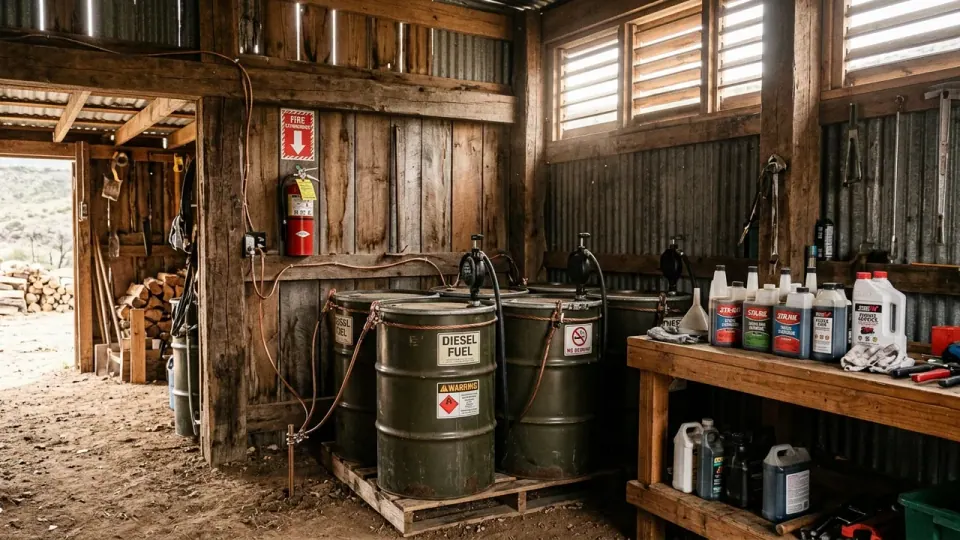
Refinery-Down Survival: Winter Diesel Stabilization, Biocide Fuel Polishing
As kinetic refinery attrition removes over half of regional refining output and grid strikes trigger sub-zero power rationing, off-grid survivability requires disciplined diesel stabilization, water-separator fuel polishing, cold-flow anti-gel chemistry, and LiFePO4 generator cycle efficiency.

Extreme Cold Survival Blueprint
A life-saving technical blueprint for surviving catastrophic sub-zero winter grid outages and heating fuel interdictions by constructing hyper-efficient rocket mass heaters and engineered indoor micro-climate survival envelopes.

Extreme Thermal Survival Manual
A tactical engineering and physiological survival protocol for surviving prolonged 45°C+ wet-bulb heat events when electrical air conditioning grids collapse. We detail subterranean earth-sheltering, evaporative cooling physics, cellular hydration, and emergency solar water harvesting.

The Post-Petrochemical Garden
When commercial fertilizers and tractor diesel are rationed, small-scale caloric sovereignty requires mastering biological soil chemistry. We outline the field protocols for biological nitrogen fixation, biochar activation, and high-yield survival staple crops.