The Post-Petrochemical Garden
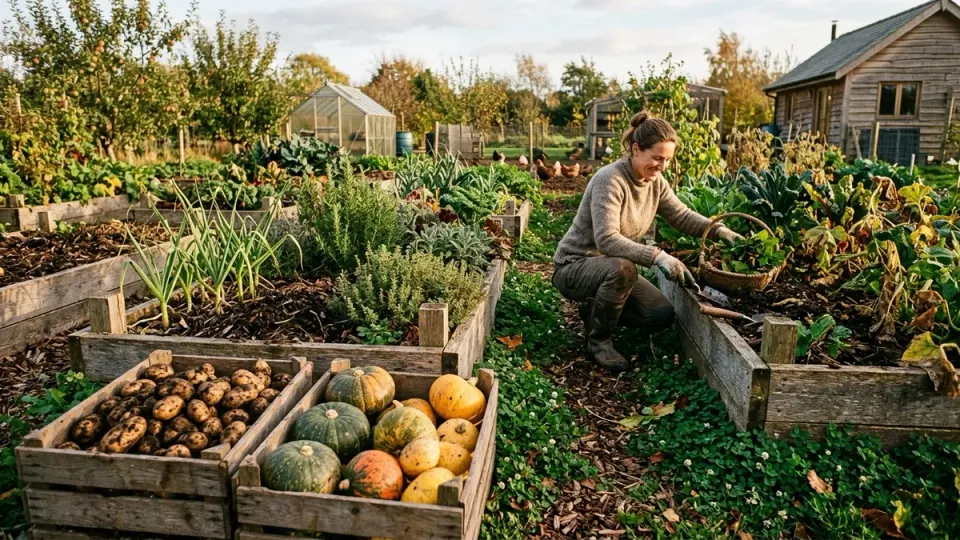
When commercial fertilizers and tractor diesel are rationed, small-scale caloric sovereignty requires mastering biological soil chemistry. We outline the field protocols for biological nitrogen fixation, biochar activation, and high-yield survival staple crops.
# The Post-Petrochemical Garden: Closed-Loop Soil Fertility, Nitrogen Fixing, and High-Calorie Survival Crops
For nearly a century, backyard gardeners and small homesteaders operated under a hidden petrochemical illusion: buying pre-mixed synthetic fertilizer bags (10-10-10, Miracle-Gro), bagged composted steer manure, and rototiller gasoline whenever soil showed signs of exhaustion. But when global industrial supply lines fracture—triggering El Niño-era fertilizer supply shocks and exposing the looming collapse of industrial soil health—conventional hobby gardening collapses into an unproductive, low-calorie pastime.
Surviving an extended agricultural depression requires transitioning from a consumer garden to a closed-loop agrarian survival system grounded in USDA Natural Resources Conservation Service soil health principles. To produce sufficient nutrition for a family without external chemical inputs, you must understand the biochemical cycles of nitrogen fixation, carbon sequestration, and caloric crop selection.
1. Biological Nitrogen Fixation and Cover Crop Cycling
Commercial agriculture uses fossil methane to force atmospheric nitrogen ($N_2$) into ammonium ($NH_4^+$). In a closed-loop system modeled on Rodale Institute cover-crop research, you must delegate that chemical synthesis to soil microorganisms—specifically symbiotic Rhizobia bacteria living within the root nodules of leguminous plants.
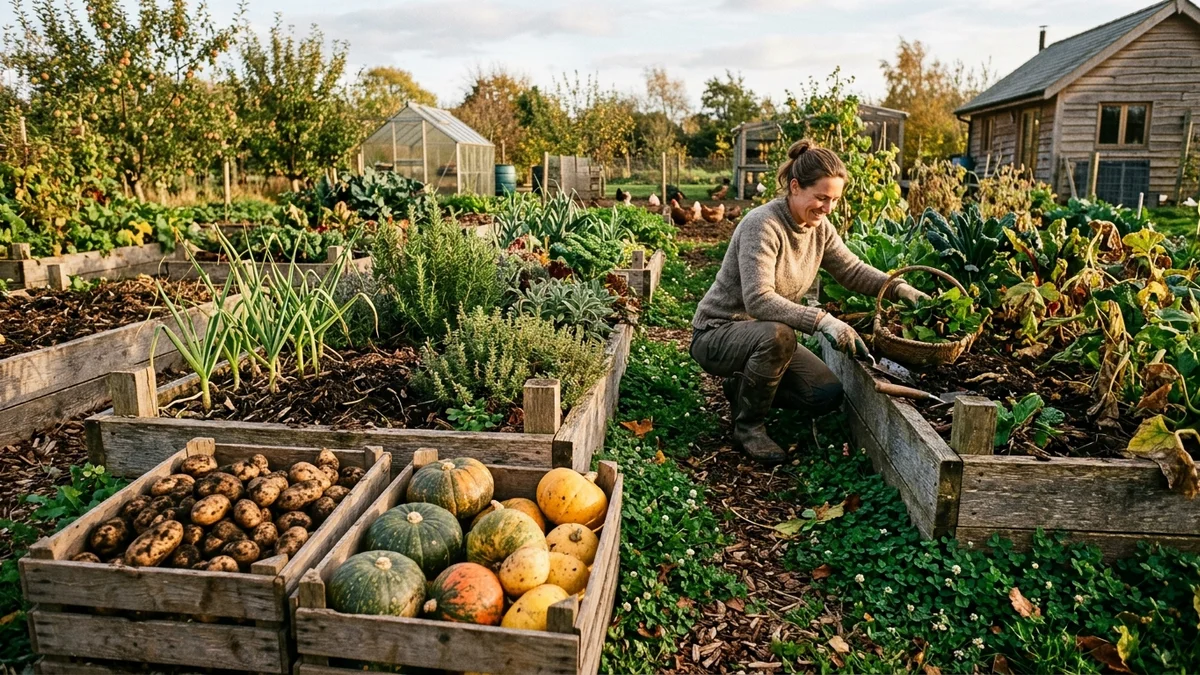
- Green Manure Staging: Never leave survival garden beds bare over winter or between plantings. Sow cold-hardy nitrogen-fixing cover crops such as hairy vetch (Vicia villosa), crimson clover (Trifolium incarnatum), and Austrian winter peas (Pisum sativum). A healthy stand of hairy vetch can fix between 100 to 200 pounds of pure biological nitrogen per acre directly into the topsoil.
- Termination Timing: The maximum nitrogen content is stored in the vegetative biomass of legumes precisely at 50% flower bloom. Cut the cover crop at the ground level (leaving root nodules intact in the soil) and chop the green foliage directly into the bed as a sheet mulch. If allowed to set seed pods, the plant draws nitrogen out of the roots and foliage, reducing soil fertility benefits.
- Microbial Inoculation: When planting leguminous beans or peas in soil where they have not grown recently, dust seeds with species-specific Rhizobium inoculant powder or slurry from healthy established garden roots to ensure effective root nodulation.
2. Biochar Activation and Nutrient Banking
Raw biochar—pure elemental carbon produced via low-oxygen pyrolysis of wood or crop residue, documented by the International Biochar Initiative—is a powerful soil amendment, but raw, uncharged biochar placed directly into a garden acts as a sponge that robs nutrients from plant roots for the first twelve months. You must "charge" or "activate" biochar prior to bed incorporation, a technique expanded in our manual on rapid root propagation and biochar soil buffering and our small-space survival permaculture guide:
- The Pyrolysis Burn: Produce biochar using simple twin-barrel retort kilns or top-lit updraft (TLUD) burn cones using clean hardwood scrap, corn stalks, or pruned branches. Quench the burn with water when charcoal glows bright orange before it turns to white ash.
- Urine and Ash Charging: Human urine is sterile in healthy individuals and represents an exceptional source of soluble bio-available nitrogen (urea) and phosphorus ($P$). Soak crushed charcoal (quarter-inch particle size) in a 5:1 mix of water, urine, and hardwood ash (which supplies potassium and micronutrients) along with active compost tea for two to three weeks.
- Structural Longevity: Charged biochar creates permanent porous microscopic housing for mycorrhizal fungi and beneficial soil bacteria, dramatically increasing cation exchange capacity (CEC) and moisture retention for centuries.
3. High-Calorie Staple Crop Strategy
The most common mistake among beginner survival gardeners is planting low-calorie salad crops—lettuce, radishes, cucumbers, and tomatoes. In a real starvation emergency, an adult requires approximately 2,000 to 2,500 kilocalories per day according to USDA National Agricultural Library food composition data. You cannot survive on cellulose and water.
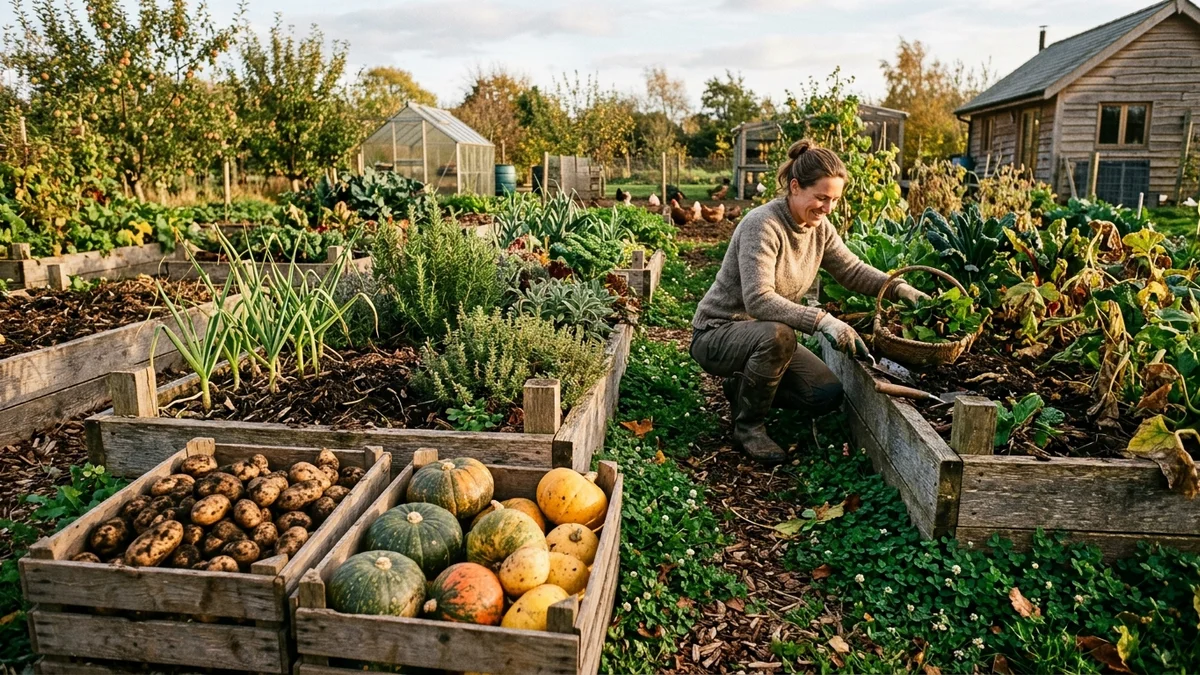
Prioritize crops that maximize digestible carbohydrates, proteins, and long-term shelf storage without electrical refrigeration:
| Survival Crop | Caloric Yield per 100 sq ft | Nutritional Highlights | Storage Protocol |
|---|---|---|---|
| Potatoes (Solanum tuberosum) | 35,000 to 50,000 kcal | Potassium, Vitamin C, dense carbohydrates | Dark, cool root cellar (40-45°F, 90% humidity) for 6-9 months |
| Sweet Potatoes (Ipomoea batatas) | 40,000 to 60,000 kcal | Beta-carotene, complex starches, edible leaves | Cured at 85°F for 7 days; store at 55-60°F for 8-12 months |
| Winter Squash (Butternut/Kabocha) | 20,000 to 30,000 kcal | Vitamin A, long-chain starches, dense flesh | Dry room temperature (50-60°F, low humidity) for 6-10 months |
| Dry Shelling Beans (Pinto/Black) | 25,000 to 35,000 kcal | 21% plant protein, lysine, fiber | Sealed in food-grade buckets with oxygen absorbers for 10+ years |
4. The Human Waste Composting Protocol (Humanure)
In an extended breakdown where municipal sanitation fails and commercial fertilizers are gone, human metabolic waste cannot be squandered. Safely managed thermophilic composting—adhering to World Health Organization (WHO) safe sanitation and pathogen-inactivation standards—closes the biological nutrient loop without spreading fecal pathogens:
- Thermophilic Heat Thresholds: Maintain a dedicated humanure compost bin utilizing a 1:2 ratio of human waste to dry carbonaceous cover material (pine shavings, straw, dry leaves). The core pile temperature must exceed 131°F (55°C) for at least fifteen consecutive days to destroy helminth eggs, enteric bacteria, and viral pathogens.
- Two-Year Aging Quarantine: Never apply fresh compost to root vegetables or leafy greens. Age thermophilically finished humanure compost under a breathable cover for an additional full calendar year before applying around perennial fruit trees, berry canes, or field corn.
By mastering biological nitrogen fixation, permanent carbon soil charging, and prioritizing high-calorie root and grain staples—backed by hermetic dry-grain storage protocols—you decouple your food supply from failing global agrochemical networks and secure enduring caloric independence.
Real-time geospatial feed aggregating USGS M5.0+ earthquakes, NASA EONET wildfires, volcanoes, severe storms, UN/EC GDACS alerts, and NOAA geomagnetic status.
Related Reports & In-Depth Intel

Wet bulb catastrophes in the next few years.
Analyzing the thermodynamics of humid heat waves and how approaching temperature limits threaten millions in vulnerable regions.
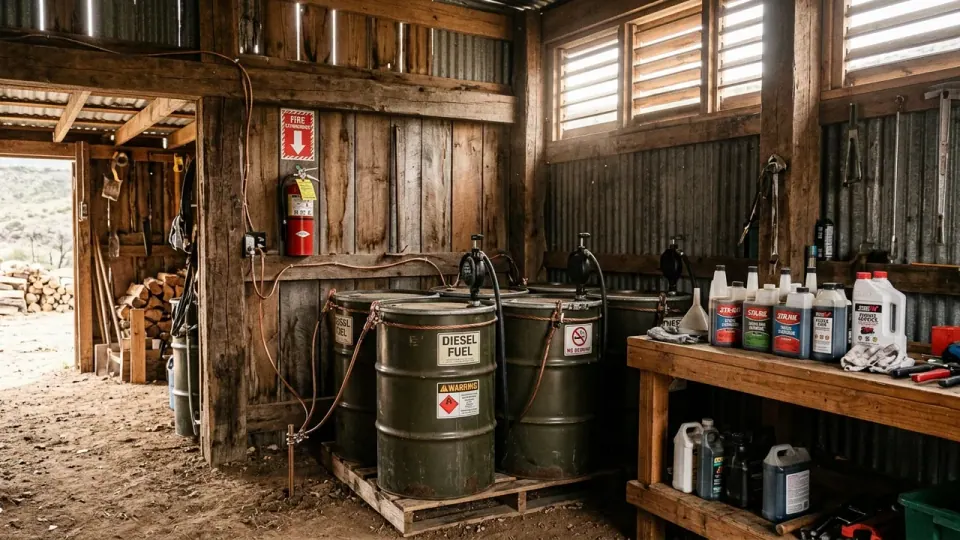
Refinery-Down Survival: Winter Diesel Stabilization, Biocide Fuel Polishing
As kinetic refinery attrition removes over half of regional refining output and grid strikes trigger sub-zero power rationing, off-grid survivability requires disciplined diesel stabilization, water-separator fuel polishing, cold-flow anti-gel chemistry, and LiFePO4 generator cycle efficiency.
Outliving the Typhoon and the Mud After
As Super El Niño fuels violent coastal typhoons over baked clay soils, surviving the storm means moving early, dodging contaminated floodwater, disinfecting wells, and stripping wet drywall before black mold claims the house.
Emergency Potable Water Engineering
A comprehensive survival engineering guide for producing medical-grade potable water from ocean brine, hyper-saline aquifers, and toxic industrial runoff using salvaged multi-stage solar distillation basins and silver-impregnated biochar filters.