Bab-el-Mandeb Chokepoint Interdiction and the Permanent Logistics Divergence
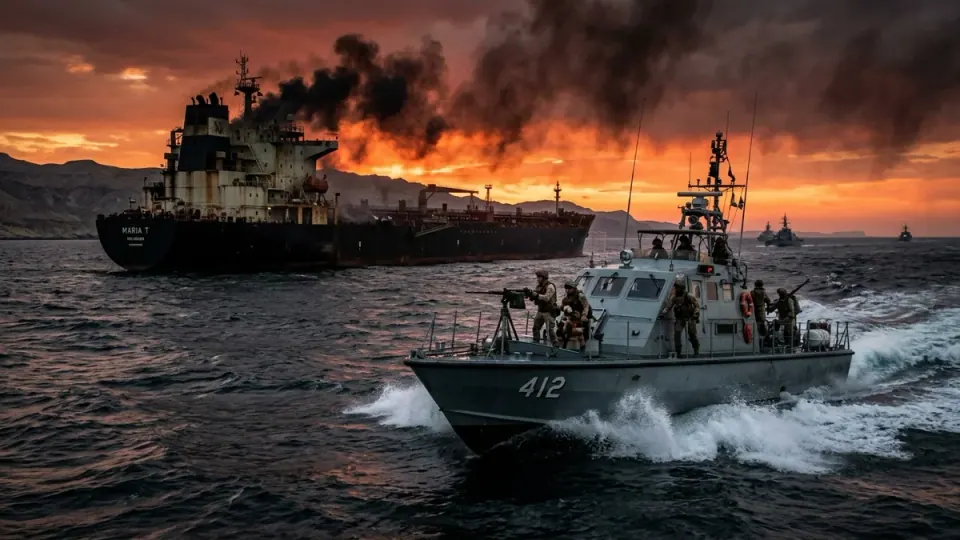
The indefinite closure of the Bab-el-Mandeb Strait to Western-linked commercial maritime shipping has forced a structural rerouting around the Cape of Good Hope, permanently inflating global supply chain costs and fracturing the petrodollar trade order.
The maritime geography that underpinned seventy years of post-World War II globalized supply chains has permanently ruptured. What Western defense planners initially characterized as a transient, regional asymmetric nuisance along the Yemeni coast has metastasized into a permanent geostrategic blockade of the southern Red Sea and the Gulf of Aden. Despite billions of dollars expended on high-tempo naval intercept operations by Western maritime coalitions firing multi-million-dollar Standard SM-2 and Aster-30 interceptors, asymmetric forces operating low-cost anti-ship ballistic missiles, uncrewed surface vessels (USVs), and loitering munitions have successfully established an anti-access/area denial (A2/AD) envelope over the Bab-el-Mandeb Strait.
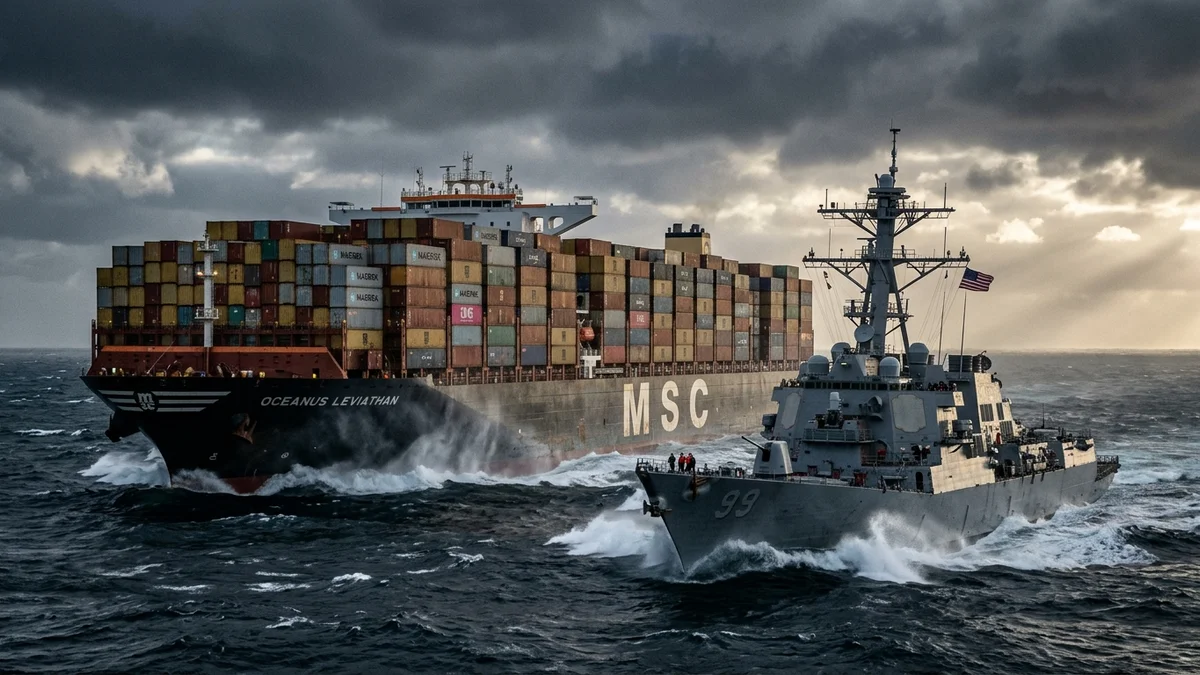
The economic fallout is historic. Global shipping consortia—controlling over 85 percent of all containerized freight and dry bulk commodities—have formally conceded, as reflected in live vessel-transit declines on IMF PortWatch and the U.S. EIA World Oil Transit Chokepoints monitor, that the Red Sea transit corridor is permanently non-viable for Western-linked tonnage. Rather than gambling with catastrophic hull losses, multi-million-dollar war risk insurance premiums, and crew mutinies, commercial armadas have permanently abandoned the Suez Canal in favor of the arduous 4,000-nautical-mile detour around Africa's Cape of Good Hope, cementing a broader Red Sea and Hormuz maritime freight rupture.
This structural logistics divergence is not merely adding twelve to fourteen days of maritime transit time; it is structurally driving global stagflation, re-allocating planetary energy flows, and severing the economic ties that tethered Europe to Asian manufacturing powerhouses.
The Thermodynamic and Financial Physics of the Cape of Good Hope Route
To comprehend why the severance of the Suez corridor is permanently inflationary, one must calculate the immutable physical and thermodynamic costs imposed by circumnavigating the African continent. The maritime diversion adds roughly 3,500 to 4,500 nautical miles per one-way transit between major East Asian export hubs (Shanghai, Busan, Singapore) and North European discharge ports (Rotterdam, Hamburg, Antwerp).
The compound logistical friction unfolds across multiple structural layers:
- 01.Massive Bunker Fuel Consumption: A modern 20,000-TEU ultra-large container vessel burns approximately 100 to 150 metric tons of heavy fuel oil per sea day. Adding twelve to fourteen days per transit requires an extra 1,500 to 2,000 metric tons of marine bunker fuel per ship, per voyage. Across the hundreds of commercial vessels diverted each month, this burns millions of barrels of refined marine diesel, permanently tightening global oil markets tracked in the IEA Oil Market Report and compounding the Hormuz carrier-risk oil premium.
- 02.Effective Fleet Capacity Evaporation: When voyage duration expands from 30 days to 44 days, shipping lines require 25 to 30 percent more physical vessels simply to maintain the identical weekly port departure frequency. Because the global shipbuilding orderbook cannot produce hundreds of new container hulls overnight, the diversion has effectively absorbed roughly 9 to 11 percent of the entire planetary container fleet capacity out of existence.
- 03.Severe Port Congestion Cascades: African refueling hubs—including Durban, Walvis Bay, and Port Louis—lack the deep-water berth capacity, modern STS container cranes, and bunker fuel reserves required to service the sudden influx of mega-ships. Concurrently, European mega-ports experience erratic feast-or-famine vessel arrivals, triggering catastrophic container yard gridlock, chassis shortages, and intermodal freight delays captured in the New York Fed Global Supply Chain Pressure Index.
| Parameter | Suez Transit Route (Legacy) | Cape Route (New Reality) |
|---|---|---|
| Transit Distance (Asia-EU) | ~8,400 Nautical Miles | ~12,400 Nautical Miles |
| Transit Duration | 26 - 32 Days | 38 - 46 Days |
| Average TEU Freight Rate | $1,400 - $1,800 | $4,800 - $7,200 |
| Bunker Fuel Burn Per Trip | ~3,200 Metric Tons | ~5,100 Metric Tons |
| War Risk Insurance Premium | Negligible (<0.05% hull value) | Extreme / Denied Cover |
| Global Fleet Absorbed Capacity | Baseline Benchmark (100%) | Effective -10.5% Capacity |
The resulting spike in ocean freight spot rates—tripling and quadrupling across key trade corridors—is not a speculative financial bubble. It represents the real-world physical cost of bypassing the geopolitical chokepoint.
The Dual-Tiered Maritime Order: The Death of Free Navigation
The most profound geopolitical outcome of the Red Sea blockade is the death of the foundational doctrine of international maritime law: the universal freedom of high-seas navigation guaranteed by Western naval hegemony since the end of the Second World War.
In its place, asymmetric belligerents and their state patrons have engineered a coercive, multi-tiered geopolitical transit regime:
- Western-Aligned Vessels (Exclusion Zone): Any commercial vessel owned, flagged, chartered, or operated by entities linked to the United States, the United Kingdom, Israel, or allied European powers is designated an active target for anti-ship ballistic strikes and explosive USV swarms.
- Non-Western Sovereign Safe Passage: In stark contrast, commercial tonnage flagged under Chinese, Russian, or Iranian registries—or openly declaring via their AIS transponders "ALL CHINESE CREW / NO ISRAELI LINK"—transits the Bab-el-Mandeb Strait unmolested, paying zero war risk insurance premiums and shaving two weeks off transit times compared to Western competitors.
This deliberate operational bifurcation bestows an insurmountable commercial and logistical cost advantage onto BRICS-aligned industrial manufacturers and energy exporters, intensifying the winter Iran-Gaza shipping chokepoint squeeze. European industrial manufacturers, already crippled by the loss of cheap Russian pipeline gas and soaring electricity tariffs, now face massive structural freight surcharges and transit delays to export goods to developing Asian and African markets, accelerating the industrial deindustrialization of the European continent.
Agricultural Disruption and the Global Fertilizer Crisis
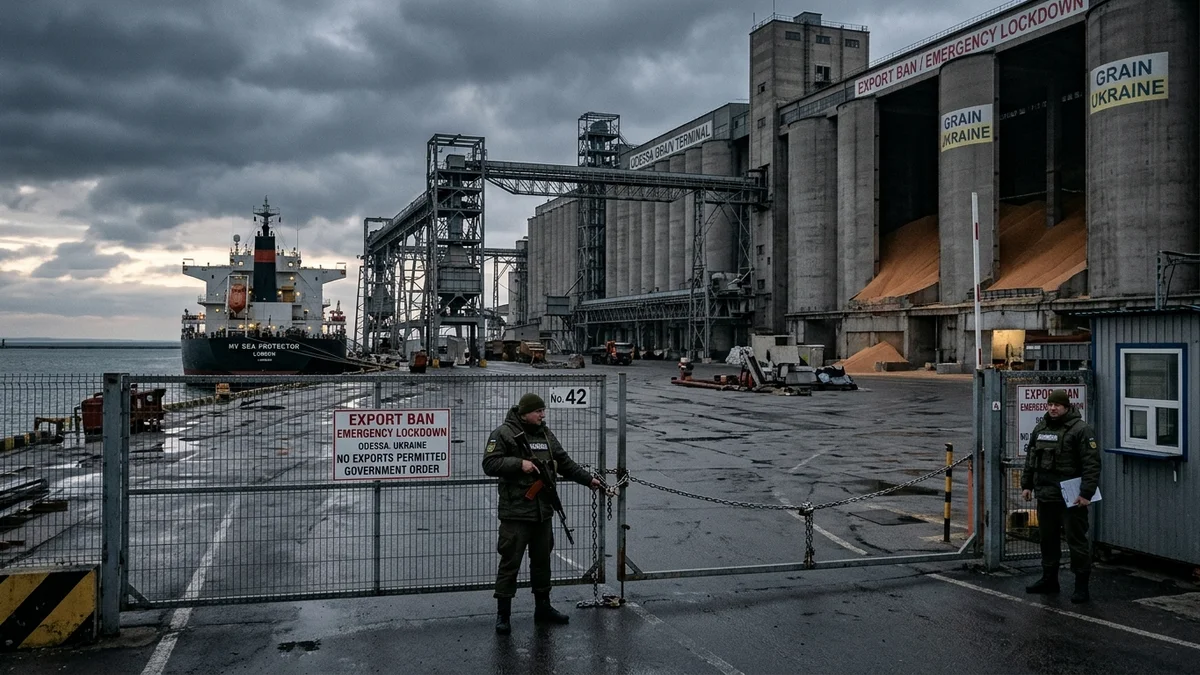
Beyond consumer electronics and manufactured goods, the Suez severance delivers a devastating blow to global agricultural input security. The Red Sea is the primary conduit through which nitrogenous urea, phosphate rock, and potash fertilizers from major producers in North Africa, Russia, and the Middle East travel to grain-producing superpowers in East Asia, Latin America, and India.
The detour around Africa has drastically inflated maritime freight costs for low-margin, bulk dry agricultural commodities. Fertilizer shipments to East African and South Asian farmers have experienced multi-month delays, forcing agricultural producers to either pay exorbitant shipping surcharges or severely reduce fertilizer application rates per hectare.
The mathematical outcome of under-fertilization is an unavoidable drop in global crop yields across rice, wheat, and maize in the coming harvest cycles—magnifying the global fertilizer and diesel famine nexus. By strangling maritime fertilizer arteries, the regional conflict in the Middle East is directly translating into global food price hyperinflation tracked by the FAO Food Price Index and catastrophic balance-of-payments crises across vulnerable nations in the Global South.
Long-Term Strategic Realities and Geoeconomic Survival
The era of hyper-optimized, just-in-time global inventory management is permanently over. The structural severance of the Suez chokepoint forces enterprises and individuals to adapt to a fragmented, regionalized geoeconomic landscape:
- 01.The Death of Just-In-Time Supply Chains: Businesses can no longer operate with lean, 7-day inventory buffers. Capital must be diverted toward maintaining 60- to 90-day physical inventories of critical replacement parts, raw materials, and inputs, forcing an inflationary restructuring of corporate working capital.
- 02.Permanent Structural Price Floors on Finished Goods: The compounding costs of ocean freight, bunker fuel, extended insurance, and port congestion will not recede. Higher baseline transportation costs will permanently bake structural inflation into consumer electronics, pharmaceuticals, tools, and industrial equipment.
- 03.Hyper-Regionalized Barter and Trade Networks: As international maritime commerce fractures into polarized geopolitical blocs, local and regional supply networks—utilizing domestic agricultural sourcing, local machine shops, and localized bartering economies—will emerge as the only truly reliable anchors of societal resilience.
The maritime veins that supplied modern consumer abundance are constricting. Those who monitor chokepoint disruptions via our Global Threat Radar and prepare for a world of slower transit, scarce imports, and localized self-reliance will endure the coming systemic realignment.
Real-time geospatial feed aggregating USGS M5.0+ earthquakes, NASA EONET wildfires, volcanoes, severe storms, UN/EC GDACS alerts, and NOAA geomagnetic status.
Related Reports & In-Depth Intel
Geoeconomic Warfare: Sovereign Mineral Chokeholds and the Demise
When critical mineral refining monopolies are weaponized, Western industrial models face stagflationary paralysis. We analyze the macro-economic mechanics of export licensing quotas and the permanent fracture into bilateral barter blocs.
Fueling the Collapse: The Looming Fossil Fuel Crisis
The next major energy shock will not come from the planet running dry overnight, but from declining net energy, underinvested refining capacity, and fragile diesel supply chains. Here is what breaks first and how to adapt.

Hyperinflation: Historical Lessons for the Modern Era
As the global economy teeters on the brink of collapse, understanding the historical lessons of hyperinflation is crucial for survival in the modern era. From the Weimar Republic to Zimbabwe, we'll examine the warning signs and strategies for weathering the coming storm.
The Cold-Weather Fuel Bill
Winter heating demand collides with Middle East supply risks in three clear ways: tighter diesel and LNG tankers, trapped central banks, and squeezed local businesses.