Geoeconomic Warfare: Sovereign Mineral Chokeholds and the Demise
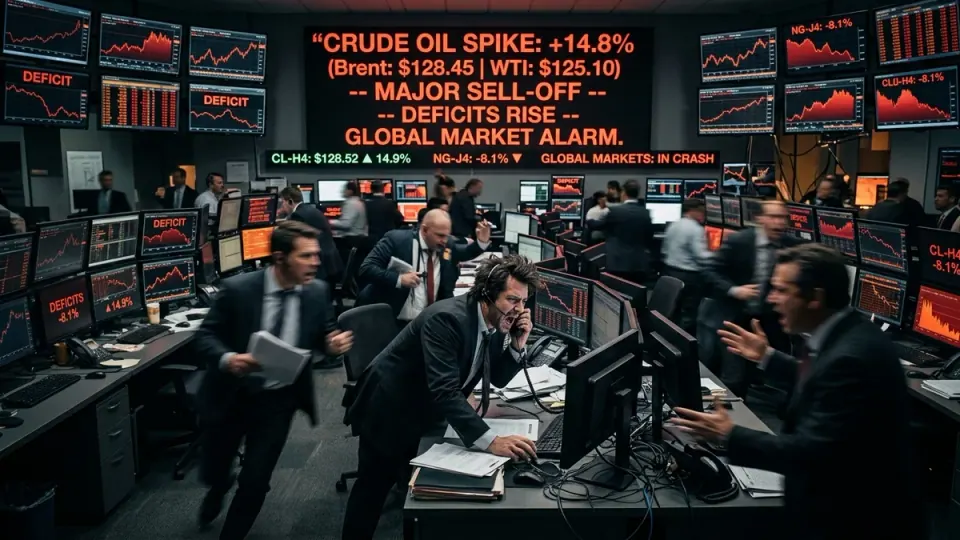
When critical mineral refining monopolies are weaponized, Western industrial models face stagflationary paralysis. We analyze the macro-economic mechanics of export licensing quotas and the permanent fracture into bilateral barter blocs.
# Geoeconomic Warfare: Sovereign Mineral Chokeholds and the Demise of Just-In-Time Globalization
The post-Cold War economic order operated on a foundational premise: markets would always clear, and materials would flow unhindered to whoever offered the highest marginal price. That economic doctrine has officially been dismantled. Through calculated implementation of dual-use export licensing regimes—mirroring broader Bureau of Industry and Security (BIS) technology and trade restrictions—dominant supplier states have demonstrated that in modern geoeconomic conflict, control over physical metallurgical processing vastly outweighs financial market dominance, accelerating the critical minerals embargo and Western industrial squeeze.
Western economies are discovering that the ability to print sovereign reserve currency cannot conjure physical tons of refined antimony trioxide, synthetic graphite anodes, or dysprosium-doped sintered magnets. We are witnessing the forced, disorderly transition from friction-free global supply chains to militarized, state-directed barter corridors.
The Asymmetry of the Refining Monopoly
Traditional economic theory treats commodities as interchangeable fungible goods. If a mine in South America shuts down, capital flows to a mine in Australia. However, critical minerals cataloged in the USGS Mineral Commodity Summaries do not suffer from a geological scarcity problem; they suffer from an acute chemical separation bottleneck, further exacerbated by Andean drought and industrial water bottlenecks.
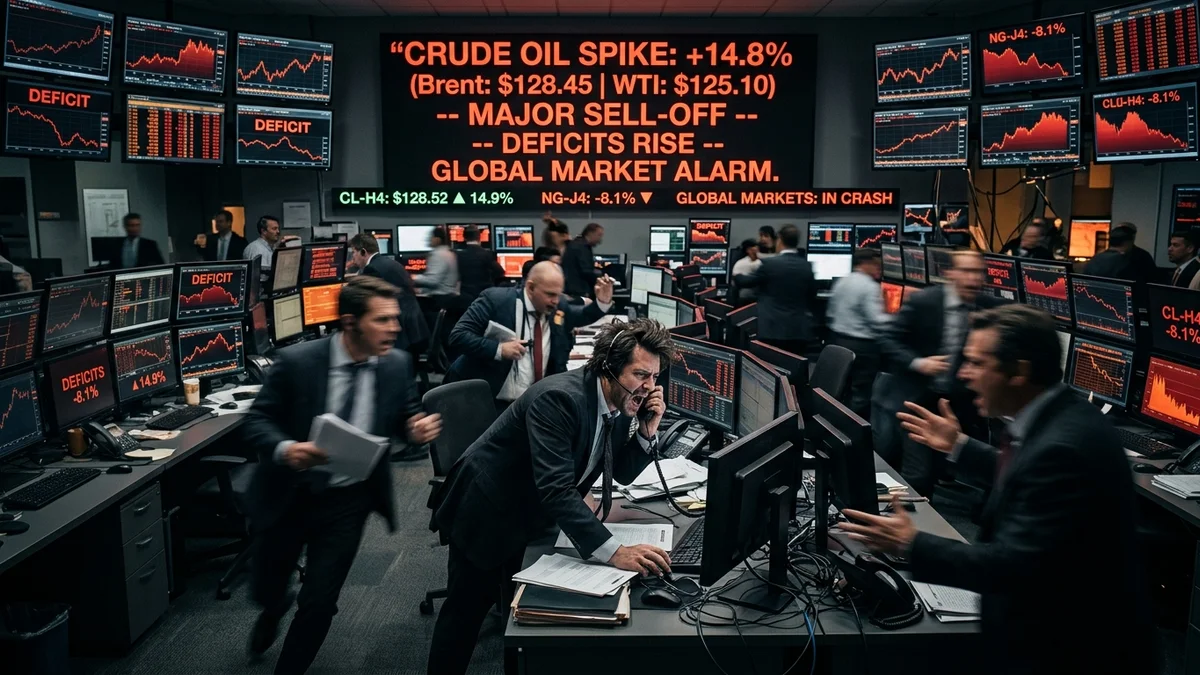
Consider the global processing footprint for strategic energy and defense materials:
| Critical Material | Global Mine Share (Non-China) | Global Refining Share (China Dominance) | Replacement Lead Time |
|---|---|---|---|
| Antimony | 52% | 82% | 6 to 9 Years |
| Gallium | 12% | 98% | 5 to 7 Years |
| Germanium | 40% | 68% | 4 to 6 Years |
| Heavy Rare Earths (Dy/Tb) | 28% | 99% | 10 to 14 Years |
| Natural Graphite (Anodes) | 35% | 90% | 5 to 8 Years |
Because the West allowed domestic smelting infrastructure to atrophy due to high energy costs and environmental liability, raw ores mined in Australia, North America, or Africa must still be shipped to Chinese industrial hubs for chemical dissolution, multi-stage solvent extraction, and metallurgical reduction into engineering-grade alloys. Enforcing export licenses at the refining nexus grants sovereign control over the entire downstream high-tech economy, including advanced semiconductor and defense compute supply chains tracked by the International Energy Agency (IEA).
Stagflationary Shockwaves and Sovereign De-Industrialization
When physical components are rationed, conventional Federal Reserve monetary policy mechanisms become entirely ineffective. Central banks cannot lower interest rates to stimulate the production of non-existent neodymium alloys; raising rates merely increases the cost of domestic capital expenditure required to construct replacement refineries.

The result is pure supply-side stagflation:
- 01.Unprecedented Spot Market Spreads: Contract prices on the London Metal Exchange (LME) and Shanghai Futures Exchange have fractured. Strategic metals command a 300% to 500% premium in Western gray markets for uncertified lots that bypass sovereign customs filters.
- 02.Industrial Rationing and Defense War-Gaming: Western governments are invoking Defense Production Acts to redirect scarce graphite and rare earths away from commercial electric vehicles toward guided missile programs and aerospace actuators, accelerating the contraction of civilian manufacturing.
- 03.The Rise of Bilateral Barter Blocs: Dollar-based financial clearing is being replaced by physical resource swaps. Energy-rich nations are directly trading crude oil and liquefied gas for guaranteed quotas of refined agricultural fertilizers and defense minerals, freezing out financial intermediaries.
The Strategic Reality
The multi-decade assumption that the world was flat and that supply chains could be managed via just-in-time global logistics—whose systemic stress is tracked in the New York Fed Global Supply Chain Pressure Index and our global risk data monitors—has dissolved into history. The twenty-first-century balance of power belongs not to the nations with the largest digital platforms or paper capital balances, but to those that command the physical mills, smelters, and chemical reduction crucibles of the physical world.
Real-time geospatial feed aggregating USGS M5.0+ earthquakes, NASA EONET wildfires, volcanoes, severe storms, UN/EC GDACS alerts, and NOAA geomagnetic status.
Related Reports & In-Depth Intel

Bab-el-Mandeb Chokepoint Interdiction and the Permanent Logistics Divergence
The indefinite closure of the Bab-el-Mandeb Strait to Western-linked commercial maritime shipping has forced a structural rerouting around the Cape of Good Hope, permanently inflating global supply chain costs and fracturing the petrodollar trade order.

Fueling the Collapse: The Looming Fossil Fuel Crisis
The next major energy shock will not come from the planet running dry overnight, but from declining net energy, underinvested refining capacity, and fragile diesel supply chains. Here is what breaks first and how to adapt.

Hyperinflation: Historical Lessons for the Modern Era
As the global economy teeters on the brink of collapse, understanding the historical lessons of hyperinflation is crucial for survival in the modern era. From the Weimar Republic to Zimbabwe, we'll examine the warning signs and strategies for weathering the coming storm.
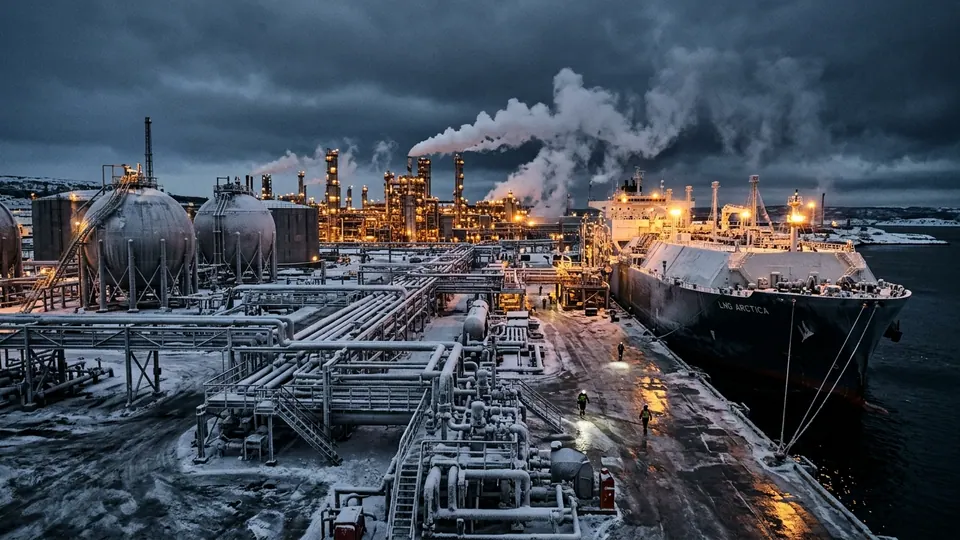
The Cold-Weather Fuel Bill
Winter heating demand collides with Middle East supply risks in three clear ways: tighter diesel and LNG tankers, trapped central banks, and squeezed local businesses.