Geoeconomic Analysis: Super El Niño's Multibillion-Dollar Toll
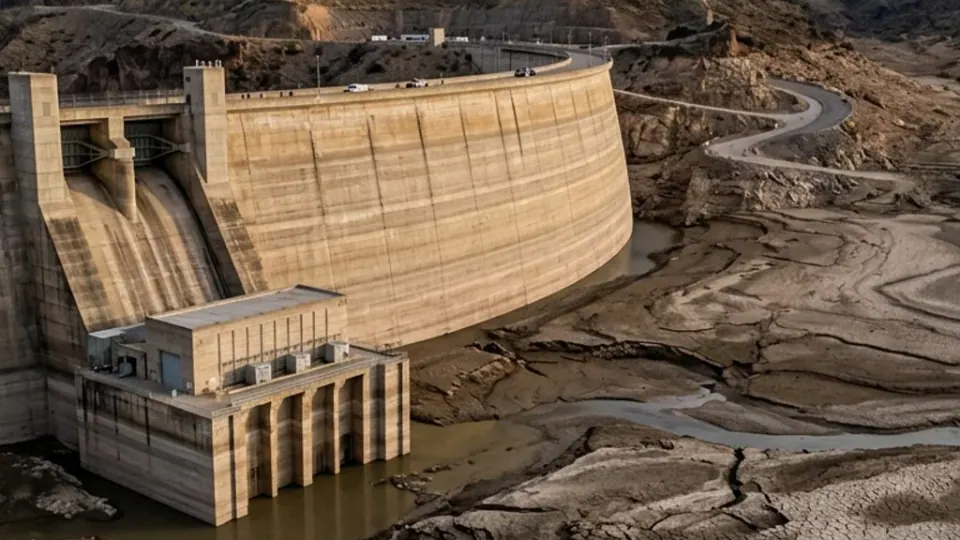
A forensic economic assessment of the ongoing ENSO anomaly. From Southeast Asian hydropower blackouts to South American grain harvest deficits, we trace the transmission channels driving structural inflation across world commodities.
The Macroeconomic Transmission of Thermal Shocks
For the past three decades, central bankers treated weather anomalies as temporary noise. A late frost in Florida or a monsoon delay in India might bump a quarterly price index, monetary officials reasoned, yet global shipping and futures markets would smooth out the deficit before core inflation ever stirred. Rate-setters could safely "look through" climate shocks and hold steady on interest rates.
The 2026 super El Niño—tracked in NOAA Climate Prediction Center ENSO diagnostic updates—has dismantled that playbook. By shifting sea-surface temperature anomalies across the equatorial Pacific through the El Niño ocean heat engine, disrupting Walker circulation, and scrambling jet streams over four continents simultaneously, this El Niño Southern Oscillation (ENSO) phase has turned meteorological stress into persistent, cost-push stagflation—the exact kind of physical supply shock that central bank interest-rate hikes cannot cure.
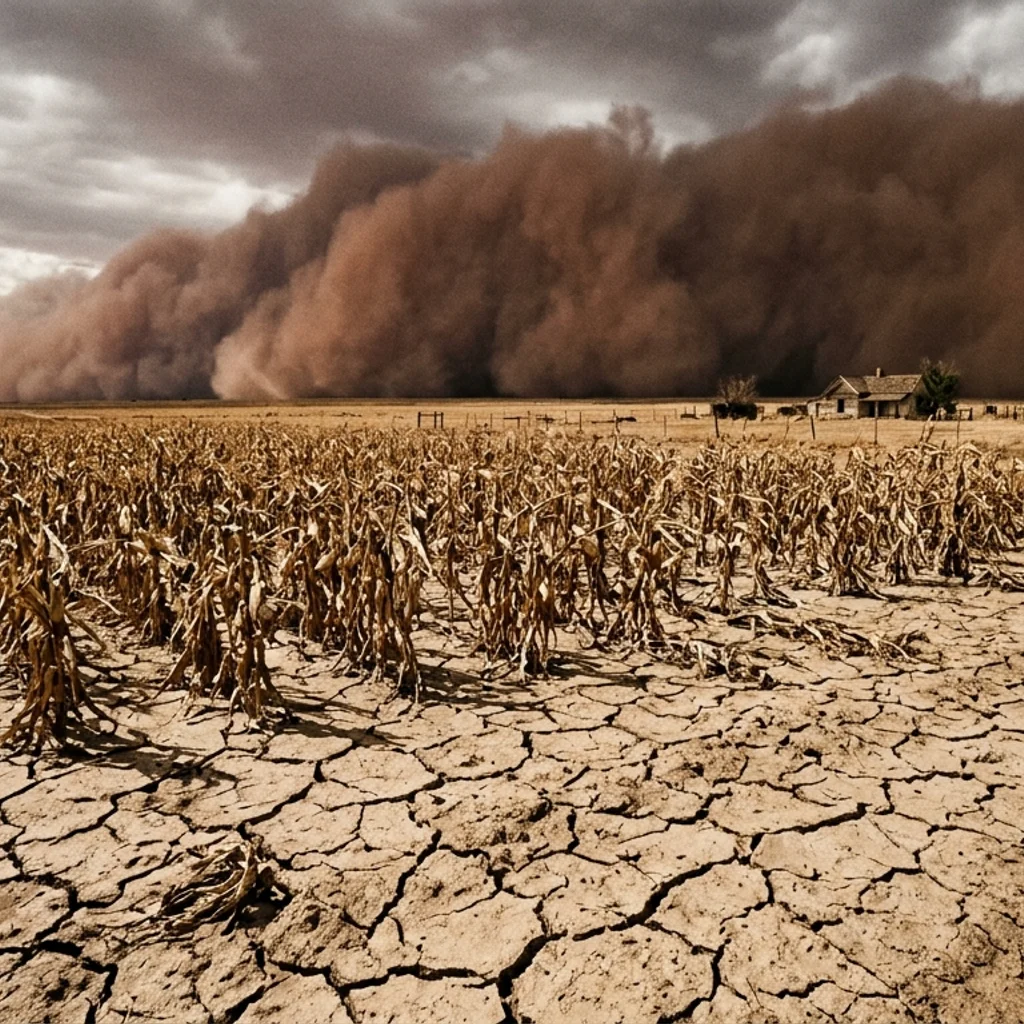
Combined physical losses—encompassing withered staple harvests, halted river barges, flooded coastal rail corridors, and factory curtailments triggered by hydroelectric shortfalls—are projected by reinsurers and multilateral risk monitors, including Munich Re and analyses tracked by the Bank for International Settlements (BIS), to exceed $1.4 trillion over a twelve-month window. Unlike the demand-driven inflation of a stimulus boom, this shock attacks the economy from the foundation upward: energy, water, and calories.
Crucially, the damage is not smeared evenly across global GDP. It strikes with surgical precision along industrial choke points that feed the entire world economy.
The Dual Crisis of Hydropower and Manufacturing
Nowhere is the feedback loop between drought and industrial output clearer than across the manufacturing belt of the global South and Asia-Pacific, where cheap hydroelectric power underpinned decades of rapid industrialization. When mountain snowpack fails and tropical river basins fall below intake gates, factories lose electricity before consumers lose smartphones.
- Southeast Asian Semiconductor and Battery Curtailments: Across Vietnam, Malaysia, and southwestern China—particularly Yunnan and Sichuan provinces—reservoir head levels at major hydro complexes have dropped sharply below seasonal norms. Industrial parks housing chip packaging, printed circuit board fabrication, and lithium-ion cell assembly have absorbed rotating power shutdowns stretching eight to twelve hours per day, forcing fabs to run costly backup diesel or miss delivery windows for European and North American automakers.
- Panama Canal Draft Restrictions: Lake Gatun, the freshwater reservoir whose locks lift and lower container vessels between the Atlantic and Pacific, depends entirely on seasonal tropical rainfall. With surface elevations dropping to historic lows around 78.4 feet, the Panama Canal Authority has cut daily vessel transits from roughly thirty-six down to eighteen—a throughput collapse visible in IMF PortWatch maritime telemetry—capping container drafts and imposing steep auction premiums for remaining slots. Dry-bulk grain carriers and liquefied natural gas tankers forced onto two-week detours around Cape Horn or the Cape of Good Hope are adding an estimated $22 billion in extra bunker fuel, charter fees, and working-capital delays.
- Andean Metals Extraction Bottlenecks: Modern mining is fundamentally a water business. Copper concentrators in northern Chile and lithium brine operations across the Andean altiplano consume thousands of cubic meters of fresh water daily to separate ore and process battery-grade carbonate. Severe Andean drought has forced mines to throttle concentrator throughput by roughly 14 percent, tightening physical inventories of refined copper just as grid expansion, defense procurement, and sovereign mineral chokeholds push demand higher.
Meanwhile, the reverse atmospheric mirror image—atmospheric rivers stalled over coastal South America and portions of East Africa—has washed out rural feeder roads, damaged port grain elevators, and delayed planting cycles, proving that extreme heat and extreme deluge disrupt supply chains with equal efficiency.
Structural Food Inflation: The "Agflation" Spiral
You can ration office lighting or defer buying a new car. You cannot postpone eating. Because global grain buffers were already worn thin by war in the Black Sea breadbasket and elevated nitrogen fertilizer costs, the 2026 El Niño landed on an agricultural system with almost zero shock absorber left.
Global stock-to-use ratios—the critical metric measuring how many days of wheat, maize, and rice sit in silos relative to annual consumption—have tightened toward thresholds last witnessed ahead of the 2007–2008 food price crisis. El Niño's classic footprint hits rice yields hardest across South and Southeast Asia through delayed monsoons, parches Australian wheat belts, and drives scorching heat across palm oil and robusta coffee plantations from Indonesia to West Africa.
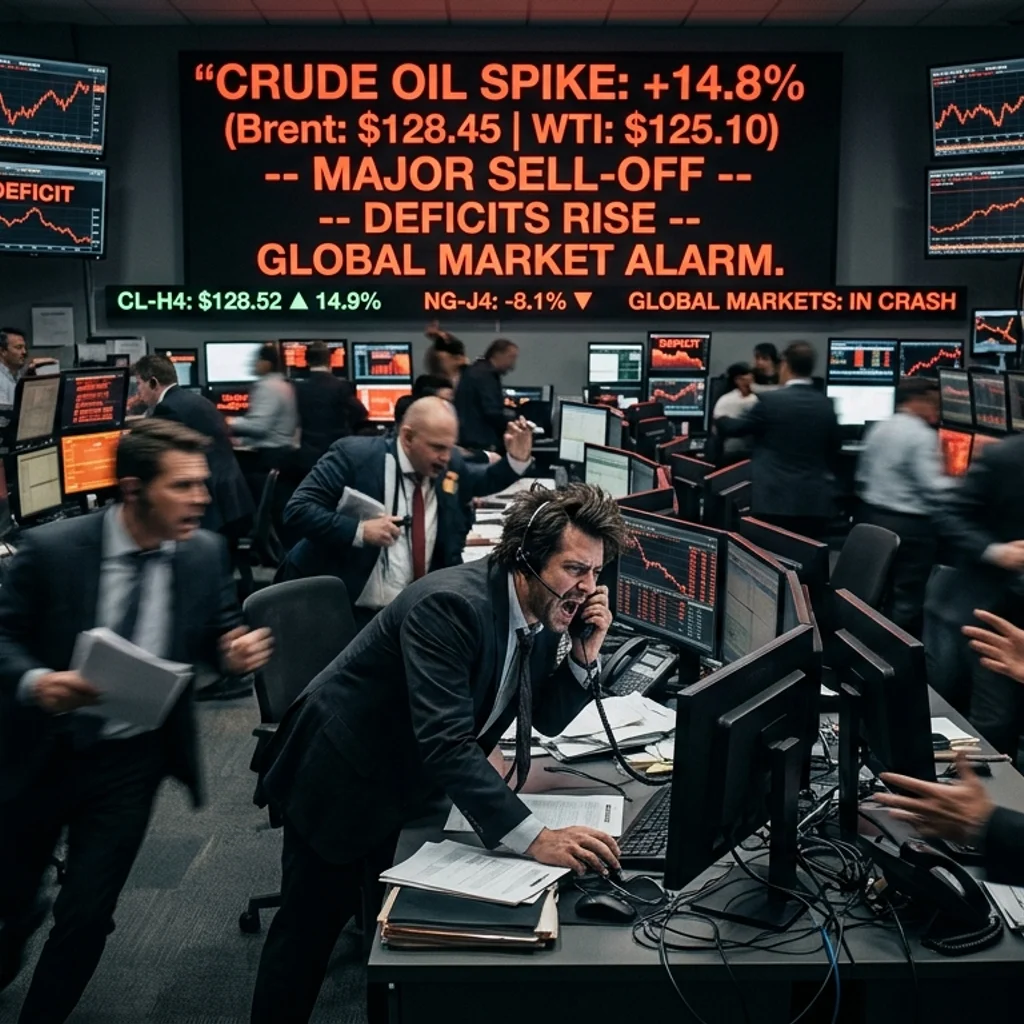
When major exporting nations sense domestic scarcity, politics overrides free-trade theory overnight. India, Vietnam, and several secondary grain exporters have a well-documented playbook: export bans, minimum export prices, and state stockpile hoarding—fueling pan-Asian rice and cocoa commodity stagflation. Each restriction removes commercial supply from the seaborne market, driving benchmark futures tracked in the World Bank Commodity Markets Outlook sharply higher and forcing import-dependent nations in the Middle East, North Africa, and Sub-Saharan Africa to bid desperately for dwindling cargoes.
In low- and middle-income economies where households already allocate 40 to 50 percent of monthly earnings to basic calories and cooking oil, a 25 percent jump in landed grain prices is not a statistical line item on a CPI report. It is an immediate political crisis. Sovereign currency depreciation compounds the squeeze because global commodities trade overwhelmingly in U.S. dollars: even when international wheat prices plateau, a weaker local currency makes imported flour unaffordable at neighborhood bakeries.
The Central Bank Trap and Strategic Takeaways
Monetary policymakers now face a classic straitjacket under tightening Federal Reserve monetary policy. Raising benchmark interest rates cools consumer borrowing and slows housing construction, yet higher rates do not put an inch of water back into Lake Gatun or coax an extra bushel of rice from cracked paddy soil. Worse, tighter financial conditions drive up sovereign debt default cascades for emerging markets precisely when governments must subsidize bread, diesel, and emergency power imports to prevent street unrest.
For analysts, institutional planners, and prepared households alike, the lesson of the 2026 El Niño is blunt: modern economic models spent fifty years assuming nature was a stable background constant. In reality, ocean heat, rainfall distribution, and topsoil moisture—variables tracked alongside emerging crisis alerts on our Global Threat Radar—set the hard ceiling on industrial civilization.
Expect secondary waves of price volatility six to nine months after peak ocean temperatures subside—especially in livestock proteins, dairy, and vegetable oils, which lag grain feed costs by two quarters. Households and local businesses that build multi-month food reserves, lock down water filtration, and reduce exposure to volatile fuel and utility rates are not reacting to headlines; they are hedging against a physical climate cycle whose economic shockwaves have only begun to clear port.
Real-time geospatial feed aggregating USGS M5.0+ earthquakes, NASA EONET wildfires, volcanoes, severe storms, UN/EC GDACS alerts, and NOAA geomagnetic status.
Related Reports & In-Depth Intel
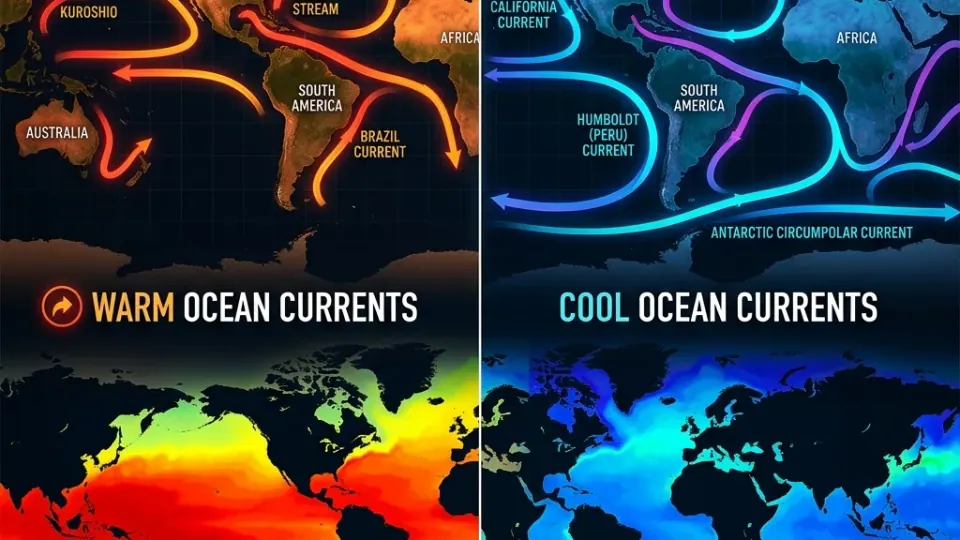
Differences between El Niño and La Niña.
Understanding the distinct thermodynamic mechanisms, trade wind dynamics, and ecological consequences that separate El Nino and La Nina.

Essential Water Purification Techniques for Disaster Scenarios
Clean drinking water is the first casualty in any major disaster. A comprehensive guide to boiling, chemical disinfection, microfiltration, and solar distillation for emergency preparedness.

El Niño Food Vulnerability and Global Farm Adjustments
A focused look at why El Niño exposes global rice, maize, and tree-crop supply chains—and which real-world agricultural adjustments are actually working in the field right now.
The Three-Carrier Stalemate
With the USS Theodore Roosevelt entering the theater alongside two forward carrier groups after IRGC drone strikes on Bahrain's Al-Rifaa base, markets face a treacherous 'no-war, no-peace' energy chokepoint that neither Washington nor Tehran can cleanly unwind.