Strategic Assessment: The Moscow-Tehran Axis and Western Energy
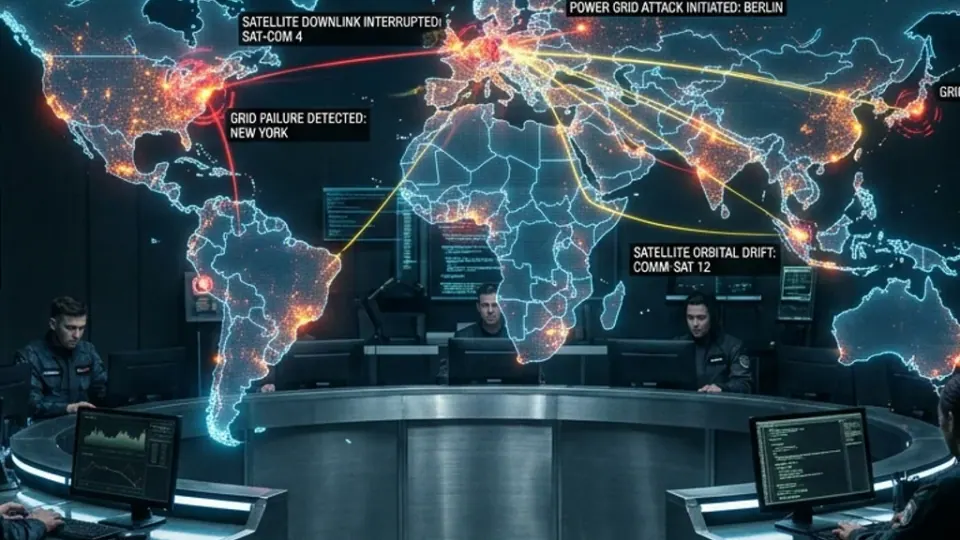
A comprehensive geostrategic evaluation of the deepening Moscow-Tehran military-economic alignment, the weaponization of Middle Eastern maritime chokepoints, and the resulting multi-year Western energy deficit.
# Strategic Assessment: The Moscow-Tehran Axis and Western Energy Siege
The Institutionalization of the Eurasian Energy Citadel
What began as an improvised wartime bargain—Iranian Shahed-136 loitering munitions and artillery propellant shipped north across the Caspian Sea in exchange for Russian electronic warfare suites, Su-35 airframes, and hard currency tracked by the Stockholm International Peace Research Institute (SIPRI)—has hardened into a durable strategic architecture. Across Eastern Europe and the Persian Gulf, Moscow and Tehran no longer operate merely as parallel disruptors of Western policy, forming the Moscow-Tehran axis fragmenting petrodollar settlement and holding global hydrocarbon transit at risk.
For Western planners who assumed sanctions would starve both economies of capital and refined fuel capacity, the past several years have offered an uncomfortable lesson. Isolated energy exporters do not collapse when cut off from London marine insurers and New York clearinghouses; they build parallel shipping fleets, rewrite trade corridors across landlocked Eurasia, and synchronize pressure on the maritime narrows through which their rivals still import crude and liquefied natural gas.
At the logistical spine of this alignment sits the International North-South Transport Corridor (INSTC). Linking St. Petersburg and Russia's Volga river ports across the Caspian basin to Iran's northern terminals and onward by rail and road to the deep-water port of Bandar Abbas, the corridor bypasses the Baltic bottlenecks, the Turkish Straits, and NATO-patrolled sea lanes altogether. Even with unfinished rail segments such as the Rasht–Astara link requiring intermodal truck transfers, freight throughput between Russian industrial hubs, Iranian ports, and Indian refineries at Mumbai and Gujarat has climbed steadily. Russian Ural crude, refined middle distillates, fertilizer, and industrial metals move south outside Western naval interdiction, while sanctioned dual-use electronics, machine tools, and consumer components flow north in return.
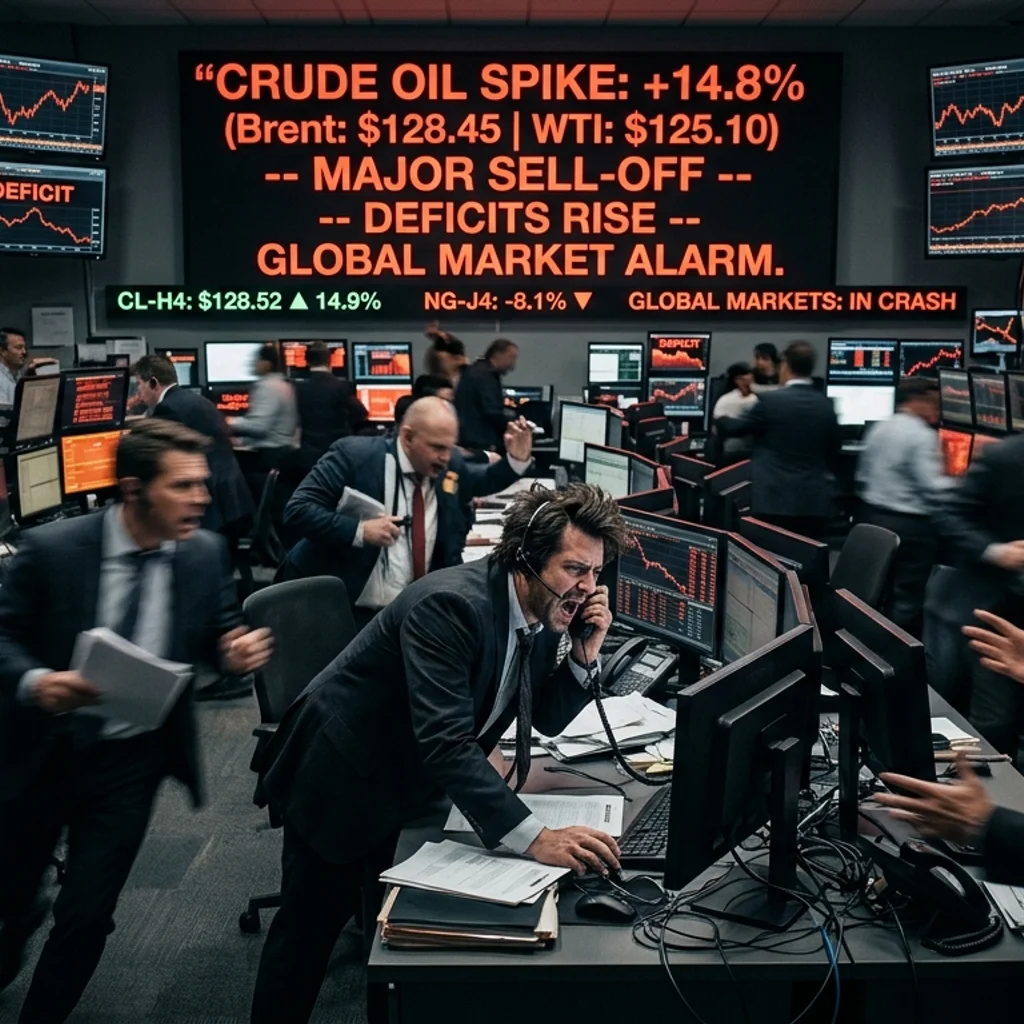
The maritime twin of the INSTC is an aging, loosely flagged shadow tanker fleet operating outside G7 insurance pools and International Maritime Organization tracking norms. By turning off AIS transponders in international waters, executing mid-ocean ship-to-ship transfers off Fujairah, Malta, and Malaysia, and relying on state-backed sovereign reinsurance from Moscow, Tehran, and Beijing, the axis has blunted Western oil price caps. Every barrel routed through non-Western brokerage keeps cash flowing into wartime munitions plants while eroding the market leverage of European and North American energy sanctions.
Chokepoint Warfare: The Vulnerability of Hormuz and Bab-el-Mandeb
Where Russia provides strategic depth and overland landmass, Iran and its regional proxy network supply geographic leverage over the world's tightest maritime bottlenecks. Modern chokepoint warfare does not require sinking an aircraft carrier or winning a fleet-on-fleet surface engagement. It only requires driving commercial hull and war-risk insurance premiums high enough that major shipping lines and sovereign buyers reroute or stay in port.
Three structural vulnerabilities now dictate global energy pricing:
- The Strait of Hormuz: Roughly 20 to 21 million barrels per day of crude oil, condensate, and refined products—about one-fifth of global petroleum liquid consumption documented in the U.S. EIA World Oil Transit Chokepoints brief—alongside nearly a fifth of global LNG exports from Qatar transit a shipping lane barely two miles wide in each direction. Sea mines, fast-attack swarm craft, unmanned underwater vehicles, and mobile coastal anti-ship missile batteries hidden along Iran's Zagros coast can turn commercial transit uninsurable within hours without closing the strait physically, threatening a full Strait of Hormuz closure and global oil shock.
- Bab-el-Mandeb and the Red Sea: Persistent anti-ship ballistic missiles, cruise missiles, and aerial drones launched from Yemen have already demonstrated how cheaply asymmetric forces can divert global trade, a vessel shift visible in real time on IMF PortWatch. When major container carriers and product tankers abandon Suez for the Cape of Good Hope, every voyage adds 10 to 14 days at sea. That single detour absorbs roughly 7 to 10 percent of effective global tanker and container-ship capacity, tightens bunker fuel inventories at African and Atlantic ports, and injects weeks of inventory lag into European diesel and jet-fuel supply chains.
- Concentrated Coastal Infrastructure: Across the Persian Gulf littoral, export terminals, massive hydro-skimming refineries, and coastal reverse-osmosis desalination plants sit tightly clustered along exposed shorelines within short flight times of low-flying cruise missiles and one-way attack drones. Knocking out a refinery's catalytic cracker or a desalination complex's intake manifolds takes days to accomplish and months to repair, especially when specialty turbines and high-nickel alloy heat exchangers face multi-year manufacturing backlogs.

The downstream shock extends well past gasoline pumps. Europe's industrial base—already hollowed out by the loss of cheap piped Russian natural gas—faces compounding vulnerability when Middle Eastern LNG cargoes are delayed or priced up by Asian bidding wars. Modern semiconductor fabrication plants, chemical complexes, and automated logistics hubs cannot function on intermittent power; voltage sags or natural-gas feedstock rationing force multi-million-dollar production halts across pharmaceuticals, plastics, and nitrogen fertilizers alike.
De-Dollarization and the Petroyuan Architecture
The physical squeeze on tankers and pipelines runs alongside an equally consequential shift in how energy is priced and settled. Locked out of SWIFT messaging and dollar clearing, Moscow and Tehran accelerated bilateral trade in national currencies, physical gold bullion, and barter-backed sovereign credit lines, anchored increasingly by China's Cross-Border Interbank Payment System (CIPS) and Emirati commodity trading hubs.
In practice, energy trade outside the dollar remains messy—central banks dislike holding illiquid rubles or rials, forcing complex clearing swaps through yuan and dirham accounts. Yet perfection is unnecessary to alter global finance. Once significant volumes of Russian, Iranian, and Gulf crude clear in renminbi or gold-linked instruments rather than US dollars, fewer petrodollars recycle automatically into US Treasury debt auctions and Western capital markets.
That shift catches Western central banks—including the Federal Reserve and the Eurosystem navigating ECB monetary policy decisions—in a shrinking policy corridor. If an energy shock reignites headline inflation across diesel, freight, and food prices, raising interest rates to defend purchasing power pushes heavily indebted sovereign budgets closer to fiscal crisis. If central banks cut rates or expand balance sheets to keep bond markets liquid and bail out distressed utilities, they validate persistent stagflation and currency erosion.
What Comes Next for Western Energy Security
Rebuilding resilience against a coordinated Eurasian energy siege cannot happen on an election-cycle timetable. Strategic Petroleum Reserves in the United States and member states tracked in the IEA Oil Market Report were drawn down sharply during prior shocks and remain thin relative to a simultaneous Hormuz disruption and European winter cold snap. New LNG liquefaction trains, domestic copper and grid-transformer capacity, and nuclear baseload plants take five to ten years to permit and pour concrete for.
For industrial operators, municipal planners, and households watching geopolitical risk translate into utility bills—and preparing for wartime fuel rationing and diesel scarcity while tracking energy benchmarks in our live crisis data portal—the takeaway is straightforward: energy markets have entered a structural regime where supply lines are shorter, political risk premiums are permanent, and middle-distillate fuels—especially diesel—sit on razor-thin inventories. Assuming smooth, uninterrupted global sea lanes and cheap dollar-settled barrels is no longer a baseline forecast; it is a single point of failure.
Real-time geospatial feed aggregating USGS M5.0+ earthquakes, NASA EONET wildfires, volcanoes, severe storms, UN/EC GDACS alerts, and NOAA geomagnetic status.
Related Reports & In-Depth Intel
The Three-Carrier Stalemate
With the USS Theodore Roosevelt entering the theater alongside two forward carrier groups after IRGC drone strikes on Bahrain's Al-Rifaa base, markets face a treacherous 'no-war, no-peace' energy chokepoint that neither Washington nor Tehran can cleanly unwind.
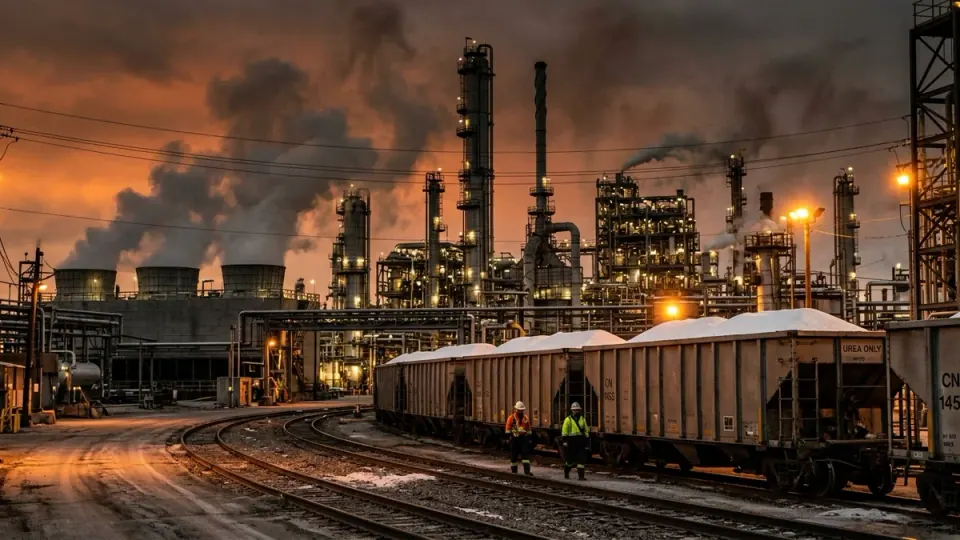
The Nitrogen Trap
As natural gas feedstocks tighten and Middle Eastern ammonia export terminals face blockade risks, global synthetic nitrogen prices have surpassed historic peaks. We model the 2027 agricultural deficit and the return of food nationalism.
Living Off the Land
As state-sponsored operators replace noisy malware with native administrative credentials across power and water SCADA systems, the insurance market is quietly dropping critical infrastructure coverage. We analyze the financial and strategic unraveling of the grid.
Analysis of the 2026 Middle East War
The 2026 conflict between the US, Israel, and Iran has triggered a systemic global economic shock, closing the Strait of Hormuz and disrupting energy, semiconductor, and food supply chains.