Why the Plastics Treaty Died in Geneva
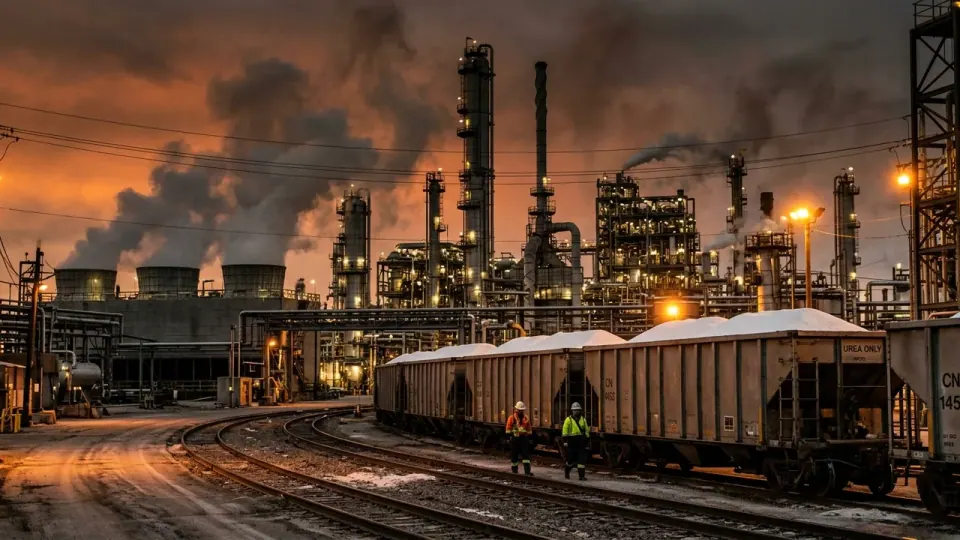
After INC-5 collapsed in Busan and INC-5.2 stalled in Geneva, the Global Plastics Treaty exposed an uncomfortable truth: oil majors now need virgin polymers to survive.
I have watched enough international environmental summits over forty years to recognize the exact moment a treaty dies while delegates are still smiling for the cameras. It happened in Busan in late 2024 during INC-5, and the autopsy became official in Geneva at INC-5.2 in August 2025. When negotiators left Switzerland with brackets still choking every operative clause on production caps, toxic additives, and binding finance, nobody in the press gallery bothered pretending it was merely a scheduling delay.
The UN Global Plastics Treaty negotiations—pitched back in 2022 as the most consequential environmental pact since the Paris Agreement—ran headfirst into a wall of pure balance-sheet survival. Roughly 460 million metric tons of plastic roll out of global reactors every year, and without binding caps, output is tracking to triple by 2060.
You cannot understand why Geneva failed by reading environmental press releases. You have to read oil-company capital expenditure guidance.
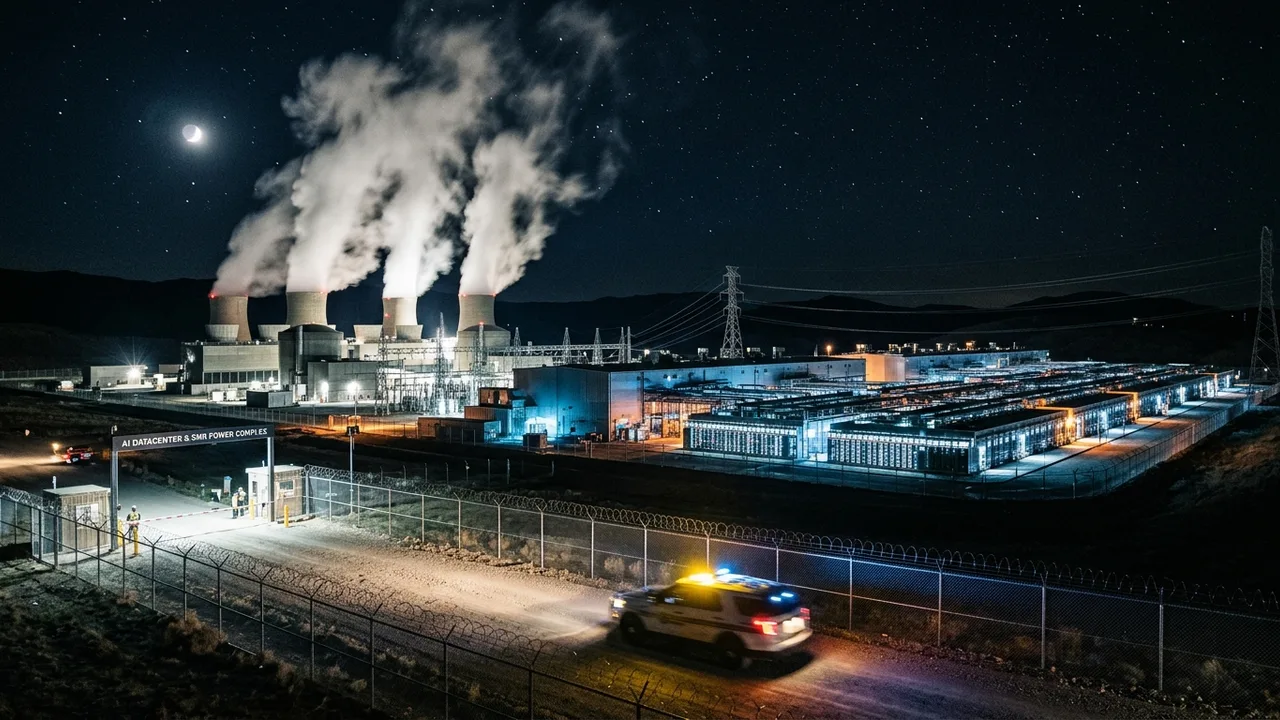
Petrochemicals Are Oil's Last Growth Engine
Back in the 1990s, plastics were a convenient, high-margin side hustle for integrated oil companies—turning light refinery gases like ethane and naphtha into packaging film, PVC pipe, and polyester yarn. By the mid-2020s, the side hustle became the lifeboat.
Look at global energy math. Rapid EV adoption in China and Europe, tighter passenger-car fuel economy rules, and industrial electrification are steadily chewing through future gasoline and diesel demand growth—dynamics intertwined with the broader fossil-fuel supply transition and tracked closely in U.S. Energy Information Administration feedstock balances. Analyses from the International Energy Agency repeatedly point out that petrochemicals—primarily virgin plastics and synthetic fibers—now account for the overwhelming majority of projected net oil demand growth through 2040.
When Saudi Aramco, ExxonMobil, Sinopec, and major Gulf producers pour tens of billions of dollars into integrated crude-to-chemicals complexes, they are not hedging against climate policy. They are locking in forty-year refinery amortization schedules predicated on turning ever-cheaper hydrocarbons into single-use polyethylene, polypropylene, and PET.
That explains the diplomatic trench warfare inside INC-5 and INC-5.2. A coalition of over one hundred "High-Ambition" nations—including the EU, Pacific island states, and much of Africa and Latin America—pushed for a full-lifecycle treaty: mandatory global caps on primary polymer production, phase-outs of hazardous plastic chemicals, and legally binding funding for waste infrastructure. Across the aisle stood the "Like-Minded Group" of major oil and petrochemical exporters—Saudi Arabia, Russia, Iran, and allied producer blocs—backed by armies of registered industry lobbyists who literally outnumbered individual scientific delegations in the conference halls.
Their counter-proposal was ruthless in its simplicity: strip out production caps completely, ignore chemical toxicity lists, and define plastic pollution strictly as a "waste management and recycling problem."
The Nine-Percent Recycling Lie
Every veteran industrial analyst knows the math on mechanical plastic recycling, even if consumer marketing campaigns spend billions obscuring it. Globally, less than ten percent of all plastic ever produced has been recycled. Even in wealthy European and North American municipalities with color-coded curbside bins, collection, sorting contamination, polymer degradation, and cheap virgin resin pricing ensure that over eighty-five percent still ends up landfilled, incinerated, or dumped.
| Structural Bottleneck | Physical Reality | Economic Consequence |
|---|---|---|
| Polymer Chain Scission | Melting shortens chains 1-2x | Downcycled, never circular |
| 16,000+ Chemical Additives | Unknown dyes/stabilizers mixed | Recycled resin leaks toxics |
| Virgin Naphtha / Ethane Glut | Shale & Gulf crackers flood mkt | Virgin plastic 30-50% cheaper |
| Multi-Layer Packaging Films | PET + PE + Aluminum bonded | Unsortable; goes to kiln |
Every time you melt polypropylene or PET, polymer chains snap and cross-link. Mechanical recycling isn't circular; it is downcycling—turning a clear water bottle into a fleece jacket or park bench that sheds microfibers until it hits a landfill ten years later, feeding directly into human organ microplastic accumulation and trophic collapse. Worse, mixing food-grade plastics with industrial resins containing brominated flame retardants, phthalates, UV stabilizers, and PFAS turns recycled pellets into unlabelled toxic roulette.
What about "chemical recycling" (pyrolysis)? After decades of press releases and taxpayer subsidies, commercial pyrolysis facilities still consume enormous energy, suffer brutal coking failures from contaminated feedstock, and convert most plastic input into low-grade synthetic diesel fuel—meaning the plastic still gets burned into atmospheric CO2 anyway, with hazardous ash left behind.
Insisting that recycling alone can handle 460 million tons a year—scaling toward 1.2 billion tons by 2060—is like insisting a mop can fix a burst water main while someone turns up the pressure pump.
The 16,000-Chemical Blind Spot
Even if every gram of plastic trash were magically collected tomorrow, the toxicity problem would still remain wide open. A landmark 2024 PlastChem scientific report cataloged more than 16,000 chemicals intentionally used or generated during plastic manufacturing—stabilizers, plasticizers, flame retardants, UV absorbers, antioxidants, pigments, and processing aids.
Over 4,200 of those compounds are classified as persistent, bioaccumulative, mobile, or toxic. Another 10,000+ lack sufficient public hazard data because manufacturers shield formulations behind "confidential business information" claims. Notice the structural trap: regulators spend ten years banning BPA (Bisphenol A) in baby bottles, so chemical suppliers swap in BPS or BPF—structurally near-identical molecules that mimic estrogen just as efficiently, resetting the regulatory clock for another decade.
Those chemicals are not chemically bound to the plastic backbone. They sit inside the polymer matrix like water in a sponge, migrating out whenever plastic meets heat, ultraviolet light, stomach acid, or fatty foods like cheese, meat, and cooking oil. That is why the High-Ambition Coalition fought so hard in Geneva for a global negative list banning high-hazard chemical groups across polymers—and why petrochemical lobbies fought tooth and nail to keep chemical regulation out of the UN treaty text entirely.
Who Pays the Externalized Bill?
Economists love calling plastic cheap. A polyethylene pouch costs fractions of a cent to extrude, weighs almost nothing on a delivery truck, and keeps lettuce crisp for an extra week. Yet that price tag only looks cheap because every downstream health and ecological cost gets dumped onto taxpayers and hospital systems:
- Healthcare & Lost Productivity: Peer-reviewed economic models estimate that endocrine-disrupting plastic additives (phthalates, bisphenols, PBDEs) cost the U.S. healthcare system alone hundreds of billions of dollars annually through preterm births, metabolic disorders, neurodevelopmental deficits, and cardiovascular mortality. That bill never appears on a petrochemical balance sheet.
- Municipal Waste Collapse: Cities spend billions trucking, tipping, and incinerating packaging chosen solely because it saved a consumer brand three cents per unit. Meanwhile, Extended Producer Responsibility (EPR) fees remain fragmented or toothless outside a handful of European jurisdictions.
- Trophic & Fisheries Erosion: Coastal nations across Southeast Asia, West Africa, and the Pacific absorb massive marine plastic drift generated elsewhere, paying the price in choked mangroves, damaged fishing gear, and contaminated shellfish exports—while watershed and drinking-water surveys by the U.S. Geological Survey and World Health Organization water-quality guidelines underscore how pervasive polymer particulates have become inland as well.
When fossil-fuel producers block global production caps at UN negotiations, they are defending a subsidy system: privatize the petrochemical margin today, socialize the arterial plaque, infertility, and municipal cleanup bills for the next century.
What Comes After Treaty Collapse
With consensus-based UN diplomacy paralyzed by single-country veto power, plastic governance is fragmenting into regional trade blocs—and that shift actually carries more teeth than a watered-down global text would have.
First, expect border carbon and polymer tariffs in Europe and allied markets. Under the European Union's Packaging and Packaging Waste Regulation (PPWR) and tightened Basel Convention waste-shipment controls, Brussels is already phasing out specific single-use formats, setting mandatory minimum recycled-content quotas, and shutting down the old shell game of shipping unsorted Western plastic bales to Southeast Asian ports under "recycling" manifests. Rather than waiting for unanimity in Geneva, major importing blocs can simply ban non-compliant packaging polymers, mandate verifiable digital chemical-disclosure passports, and penalize virgin resin imports via Extended Producer Responsibility surcharges. Second, tort litigation is quietly moving onto the same track that broke Big Tobacco and PFAS manufacturers. State attorneys general and plaintiff consortia are already testing public-nuisance and deceptive-marketing claims over "chasing arrows" recycling symbols. Once clinical studies link specific polymer burdens and plasticizers to quantifiable cardiovascular and neurological endpoints, corporate general counsels start pricing liability faster than diplomats draft brackets.
For analysts and households watching this play out, the takeaway is blunt: do not wait for a UN rescue. Production is still climbing, legacy plastic is still fragmenting, and treaty deadlock means self-protection moves from policy hope down to household engineering—from following our home water and kitchen nanoplastics decontamination guide and broader protocols on surviving industrial contamination to monitoring primary environmental databases in our Useful Websites directory.
Key Takeaways
- Treaty Deadlock Was Structural: INC-5 (Busan) and INC-5.2 (Geneva) failed because fossil-fuel exporters rely on virgin petrochemical plastics as their primary post-EV oil demand growth engine.
- Production vs. Waste Narrative: High-ambition nations demanded binding primary polymer production caps and toxic-additive bans; producer blocs insisted on voluntary, recycling-only language.
- Recycling Hits Thermodynamic Limits: Less than 10% of plastic has ever been recycled because melting degrades polymer chains and cheap virgin naphtha undercuts recycled resin by 30–50%.
- Hidden Chemical Cocktails: Over 16,000 chemicals go into plastics—4,200+ known hazards—and unbonded additives leach directly into fatty, acidic, or heated foods.
- Next Phase Shifts to Trade & Courts: Expect regional import bans, chemical transparency mandates, and toxic-tort lawsuits rather than a unanimous UN treaty.
Real-time geospatial feed aggregating USGS M5.0+ earthquakes, NASA EONET wildfires, volcanoes, severe storms, UN/EC GDACS alerts, and NOAA geomagnetic status.
Related Reports & In-Depth Intel
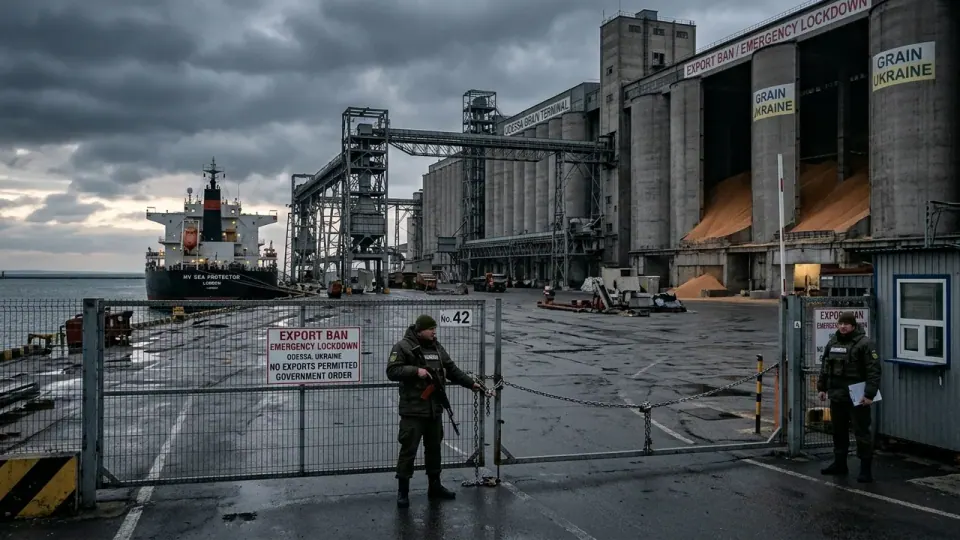
Systemic Risk Report
The unprecedented atmospheric disruptions triggered by the ongoing Super El Niño have devastated staple crop yields across South Asia and West Africa, unleashing a destructive wave of sovereign export bans, currency devaluations, and global caloric stagflation.
Geoeconomic Assessment: Super El Niño, Sovereign Default Cascades
An econometric evaluation of compounding climate anomalies, global agricultural commodity markets, and sovereign credit downgrades across equatorial economies. We analyze the lethal feedback loops between food price inflation, central bank paralysis, and debt default cascades.

Urban Survival Strategies for 2030
High-density cities offer jobs, clinics, and deep transit—until power, water pumps, or supply trucks stall. Here is a clear-eyed field manual for urban resilience heading into 2030, from apartment-scale water and thermal safety to quiet neighborhood coordination.

Super El Niño Food Defense
As the +1.47°C 2026–2027 Super El Niño shatters traditional planting calendars with drought-to-deluge shocks, surviving multi-year staple inflation requires combining contour rainwater harvesting, lime-ash nixtamalization to prevent deadly pellagra, and steel-lined hermetic calorie storage.