Scorched Rice Paddies, Drowned Coasts
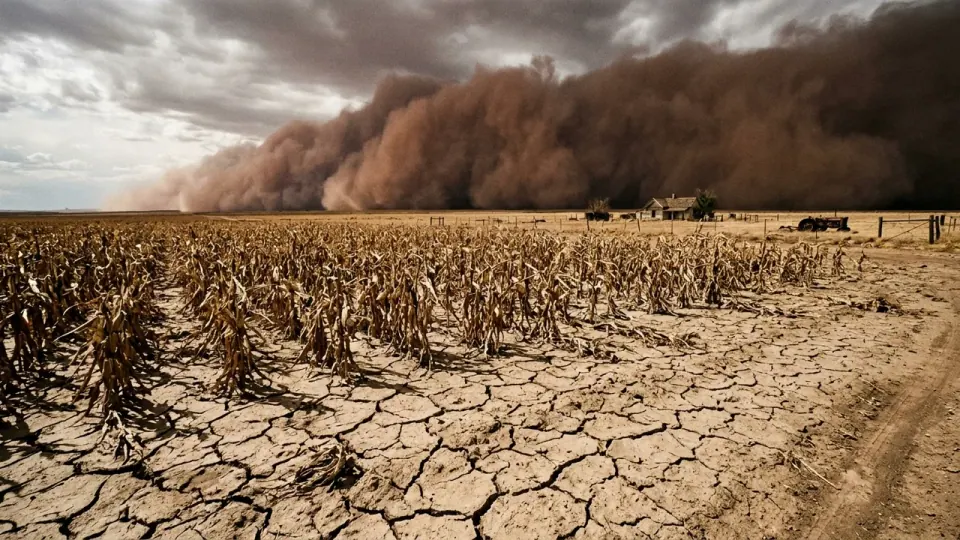
As November 2026 Pacific ocean temperatures surge off the monitoring charts, Asia-Pacific and tropical breadbaskets are catching a brutal double punch: blistering crop drought followed by lethal typhoon floods.
Step onto a rainfed rice terrace in Myanmar's dry zone or a smallholder maize plot in Timor-Leste this month, and the earth rings like baked brick under your boot heel. Walk less than a thousand miles across warmer open sea water, and coastal emergency crews in the Philippines and western Pacific archipelagos are digging mud out of washed-away bridges after late-season tropical cyclones unloaded a month's worth of rain in six hours.
Meteorologists at the World Meteorological Organization (WMO) stopped using polite adjectives for the 2026–2027 Super El Niño weeks ago. Sea-surface temperature anomalies stretching across the central and eastern equatorial Pacific have pushed right off traditional monitoring charts, turning 2026 into one of the hottest years ever recorded. Yet headlines about "global average heat" miss what actually breaks rural economies and puts food prices on an escalator: regional whiplash.
When a supercharged El Niño locks over an already warmed ocean, it splits the tropics and subtropics into two hostile camps at the same time—starving inland fields of monsoon moisture while supercharging typhoons over abnormally hot coastal water.
Asia-Pacific's Quiet Staple Squeeze
Most Western readers look toward Europe or the American Midwest when worrying about grain harvests. Yet rice feeds more than half the planet's population every single day, and rice cultivation hates erratic water timing far more than wheat does.
November 2026 humanitarian briefings from ReliefWeb, the FAO, and UN monitoring desks flag acute early warning stress across Myanmar, the Philippines, Timor-Leste, and Papua New Guinea:
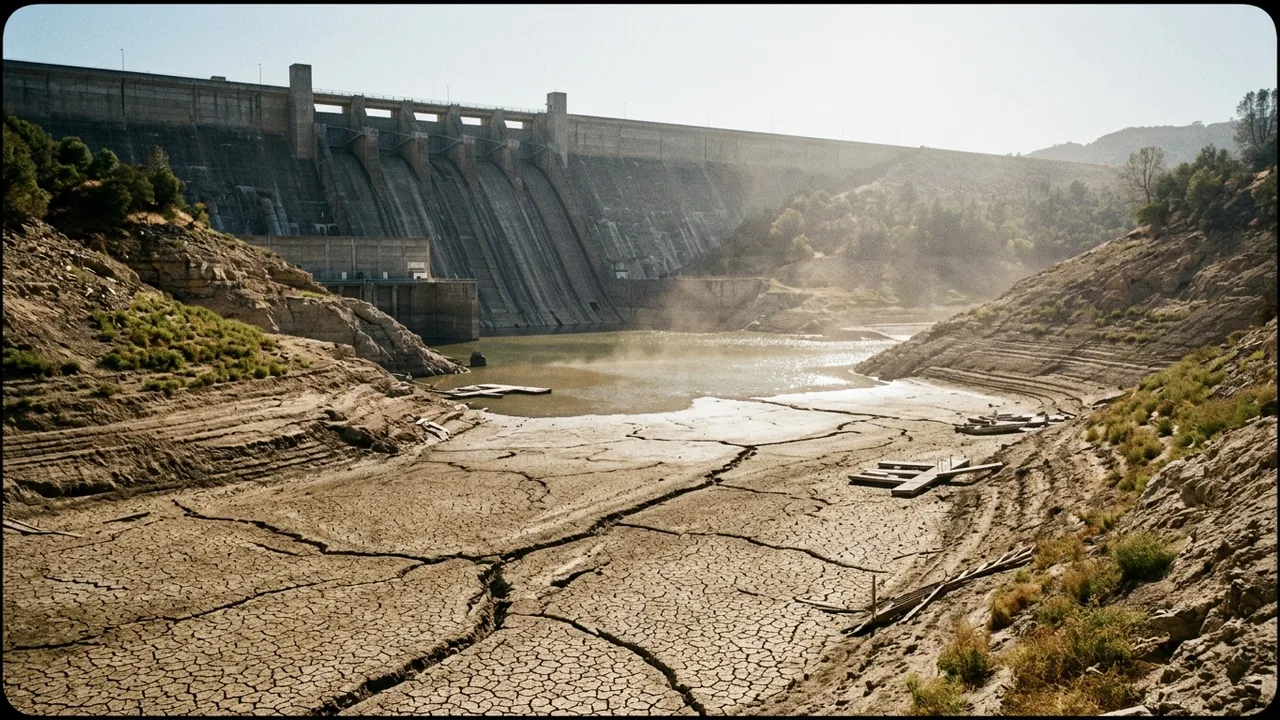
- Depleted Reservoirs and Forest Fires: Prolonged dry spells across mainland Southeast Asia and the western Pacific islands have pulled major irrigation reservoirs well below seasonal curves while turning upland scrub and secondary forest into tinderboxes.
- Delayed Planting Windows: Rice seedlings transplanted into cracked, salt-intruded delta mud either die outright during scorching afternoon heat or miss the narrow flowering calendar, forcing families to eat next season's seed grain just to bridge winter.
- 190 Million Children in the Crosshairs: UNICEF and UN agencies estimate nearly 190 million children across Asia-Pacific and Latin America now sit exposed to compounding dry or deluge weather shocks—facing contaminated drinking wells, stunted harvests, and surging prices for cooking oil and staples.
Unlike wealthy industrial exporters that can smooth over one bad county harvest with rail shipments from another time zone, archipelagos and import-dependent tropical cities absorb every missed monsoon directly inside household grocery budgets.
Why Rural Farmers Lose Twice Before Harvest
Talk to rice millers and cooperative buyers across mainland Southeast Asia during a bad El Niño year and the same story repeats in every province. First, erratic early rains trick planting crews into broadcasting expensive seed twice or three times on parched soil, burning through cash reserves before shoots even reach ankle height. Second, low river stages pull brackish ocean saltwater kilometers further inland through coastal deltas just when farmers open irrigation sluice gates—poisoning paddy soils with sodium right when freshwater inflows vanish. Even if late storms arrive in November, saltwater-stressed fields yield half a crop of light, chalky grain that shatters in the huller.
| Region / Country | Primary Weather Shock | Immediate Infrastructure & Food Hit |
|---|---|---|
| Myanmar & Dry Zone | Prolonged Rainfall Deficit | Reservoir depletion / stunted rice |
| Philippines | Drought + Cyclone Whiplash | Flash-flood landslides / paddy loss |
| Timor-Leste & PNG | Severe Moisture Deficit | Highland spring failure / root rot |
| Sudan & East Africa | Critically Low Rainfall | Livestock losses / conflict famine |
| Coastal Pacific Rim | Superheated Sea Surface Fuel | Rapidly intensifying late typhoons |
Why Warm Typhoons Destroy More Than Wind Speed Suggests
Drought creates the slow hunger; warmer oceans deliver the sudden wreckage. When western Pacific sea-surface temperatures sit two to three degrees Celsius above historical norms, passing tropical disturbances do not need days to organize—they undergo rapid intensification overnight right before making landfall.
Coastal villages and port cities get hammered in three ways at once:
- 01.Baked Soil Sheds Water Like Concrete: Rain falling onto months-parched hillside clay cannot soak in. Instead, five inches of typhoon rain rushes down denuded slopes immediately as debris-choked mudslides that bury rural feeder roads, wash out culvert bridges, and snap wooden power poles along mountain passes.
- 02.Storage Spoilage: Even farmers who salvaged dry corn or bagged paddy rice ahead of the storm lose weeks of harvested food when storm surge or leaky warehouse roofs soak sacks in warm, humid air—breeding toxic Aspergillus mold faster than relief crews can distribute dry tarps.
- 03.Vector & Waterborne Outbreaks: Flooding over failed rural septic trenches and open wells turns stagnant puddles into breeding pools for dengue mosquitoes and cholera bacteria inside forty-eight hours, hitting malnourished children hardest.
Conflict Zones Catch the Worst of It
Climate shocks never arrive in a vacuum. Look at where November 2026's rainfall deficits and winter storms are landing on top of active war zones:
Across Sudan, where fighting between the Sudanese Armed Forces (SAF) and Rapid Support Forces (RSF) has already displaced millions and choked aid corridors, critically low seasonal rainfall has gutted pasturelands and left rural families with neither surviving herds nor accessible markets. G7 ministers meeting in Paris demanded unhindered humanitarian access again this month, yet aid trucks still cannot cross checkpoints where militias tax or loot relief grain.
Meanwhile, along the Mediterranean coast, heavy early-winter storms slammed into displaced tent encampments across **Gaza**, flooding makeshift shelters in freezing ankle-deep runoff while foreign ministers from Australia, Canada, Italy, and the UK pressed urgently for 150,000 winter tents and cold-weather survival gear to clear border restrictions. A flood that would merely ruin carpets in a normal suburban house turns lethal in a canvas camp with zero fuel for heat and ruined blankets.
The Hidden Multiplier: Fertilizer and Diesel Costs
Even farmers untouched by a direct typhoon or multi-month drought are getting squeezed on input invoices heading into 2027. Agriculture is basically the conversion of natural gas, mined phosphate, and diesel fuel into edible calories.
Look at the November 2026 ledger:
- Refining & Hormuz Pressure: With roughly half of Russia's refining capacity knocked offline by drone strikes and Iran maintaining a tight choke around the Strait of Hormuz, marine diesel and inland tractor fuel remain volatile and pricey across importing nations.
- Tighter Credit for Smallholders: When interest rates stay sticky and local currencies sag against the U.S. dollar, small cooperatives in Southeast Asia and East Africa slash urea and potash fertilizer purchases by thirty to fifty percent—locking in lower yields per hectare even if rains improve by spring.
- Shrinking Humanitarian Reserves: Rich donor treasuries strained by defense budgets and domestic energy bills are funding smaller shares of UN World Food Programme appeals, leaving "anticipatory action" teams short of cash right when pre-positioning grain would save lives at a fraction of emergency airlift costs.
Why Early Action Funding Always Arrives Late
Humanitarian coordinators complain privately about the same budget quirk every El Niño winter. Spending ten million dollars in October to distribute drought-tolerant sorghum seed, repair rural borehole hand pumps, and shore up river levees prevents a hundred million dollars in emergency airlifts by April. Yet donor parliaments rarely unlock disaster checks until television crews film washed-out highways and crowded malnutrition wards. By November 2026, anticipatory cash pools sit far below requested targets across the Pacific and East Africa—meaning most rural communities are riding out the peak months of this weather pattern on whatever local stocks they scraped together themselves. Local grain banks and village rainwater cisterns still work when international pledges stall in committee; families who wait on emergency relief trucks usually end up paying triple at local spot stalls.
What Households Everywhere Should Expect in 2027
Western consumers rarely see empty bread aisles when El Niño scorches Timor-Leste or floods Mindanao. What they do see six months later is quiet, stubborn grocery inflation across rice, coffee, palm oil, cocoa, sugar, and imported frozen seafood—paired with tighter export bans whenever Asian governments decide feeding domestic cities beats honoring foreign commodity contracts.
India restricted white rice exports during earlier 2023–2024 price spikes; don't assume major exporters won't slam the export gate shut faster in 2027 if the current Pacific anomaly stretches deep into spring. Food chains run lean on purpose, and lean chains snap cleanly when drought and storm hit opposite sides of the same harvest calendar.
Building real cushion at the household scale starts long before empty shelf photos circulate online. Keep extra sealed dry rice, lentils, cooking oil, and shelf-stable salt tucked cleanly behind pantry doors, learn basic dry-grain storage moisture checks so humid storm weeks never ruin your reserve sacks, and remember that a two-week water and flood-resilience reserve in sturdy food-grade jugs protects you equally whether a coastal cyclone snaps neighborhood water mains or an inland dry spell drops well tables. Spreading basic household dry-goods purchases gradually across ordinary weekly grocery runs avoids straining family cash flow while locking in supply security ahead of spring export bottlenecks.
The WMO expects this Super El Niño peak to hold right through winter 2026–2027. Whether you farm two acres or buy groceries in a suburb, treat the coming six months as the window to lock down staples, diversify away from single-origin imports, and build real water buffers before storm or drought turns shelf prices upside down. Once major rice and grain exporters start imposing export quotas to calm angry city crowds at home, foreign grocery shoppers do not get a polite sixty-day warning—wholesale contract prices simply jump overnight and stay sticky for a year.
Real-time geospatial feed aggregating USGS M5.0+ earthquakes, NASA EONET wildfires, volcanoes, severe storms, UN/EC GDACS alerts, and NOAA geomagnetic status.
Related Reports & In-Depth Intel
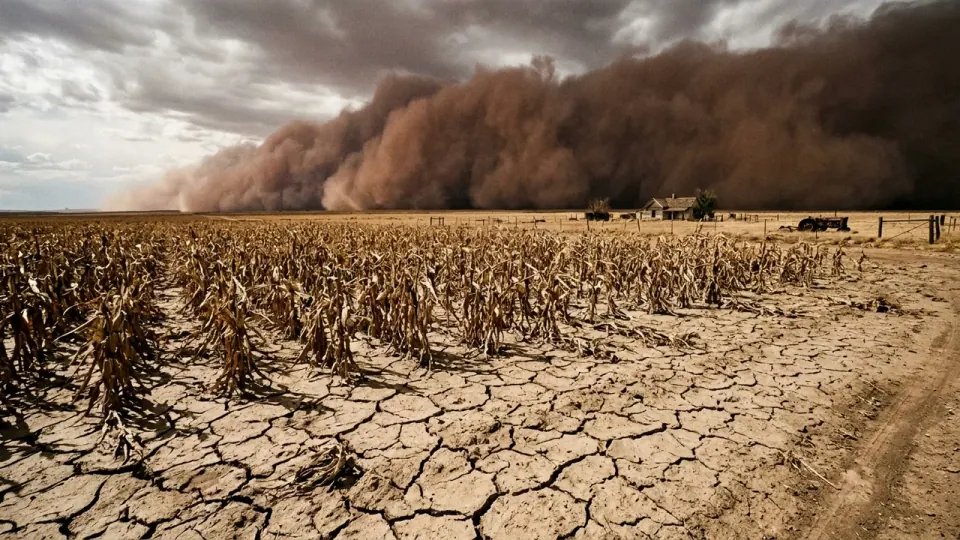
The +1.47°C Breach and the 2026–2027 Super El
With WMO global temperature anomalies hitting 1.47°C above pre-industrial norms and Niño 3.4 Pacific waters surging into a historic November–January peak, simultaneous Southern African crop failure and Andean emergency declarations reveal how a supercharged ENSO fractures fragile food and aid networks.
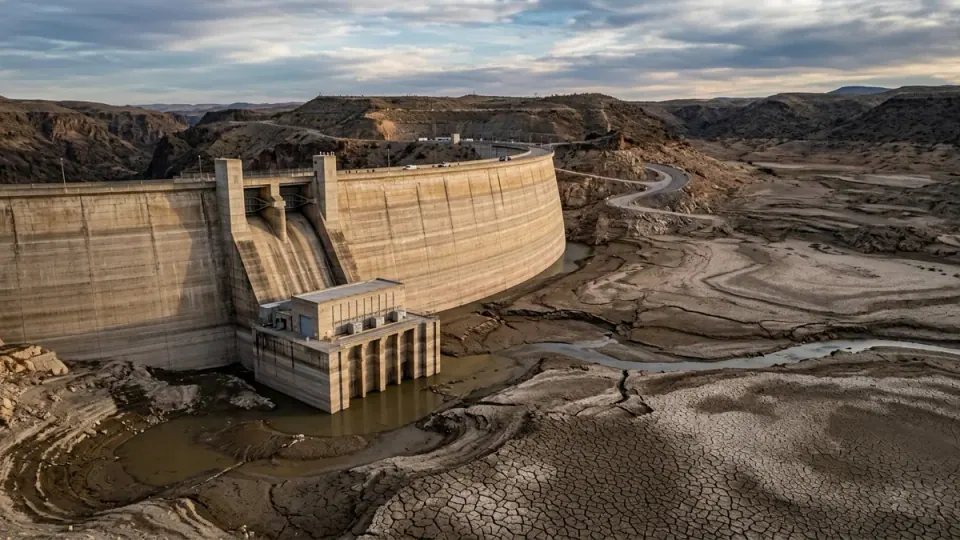
Compound Atmospheric River Deluges and Spillway Cavitation
A relentless conveyor belt of Category 5 atmospheric rivers fueled by record marine heatwaves is pushing mid-20th-century concrete dams beyond their maximum design discharge tolerances, threatening catastrophic hydraulic collapse.
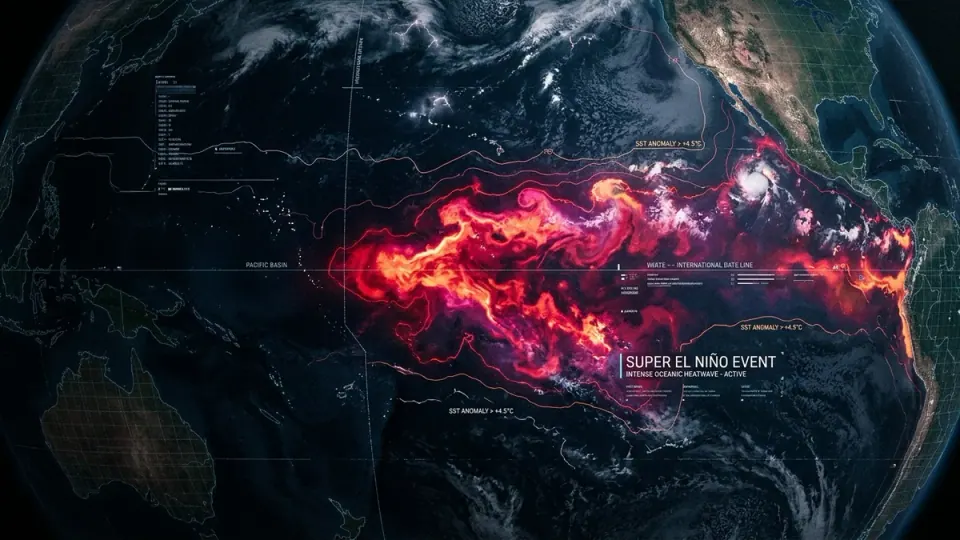
Planetary Heat Threshold Breached
Unprecedented equatorial Pacific thermocline displacement and multi-year thermal inertia have pushed tropical biosphere systems past irreversible tipping points. We examine synchronous crop failures, drying mega-reservoirs, and municipal water grid collapse across three continents.

What Happens in the First 72 Hours
A technical chronological breakdown of the rapid collapse of communications, water supply, and security during the first three days of a complete grid failure.