Winter Floods Hit the Forgotten Fronts
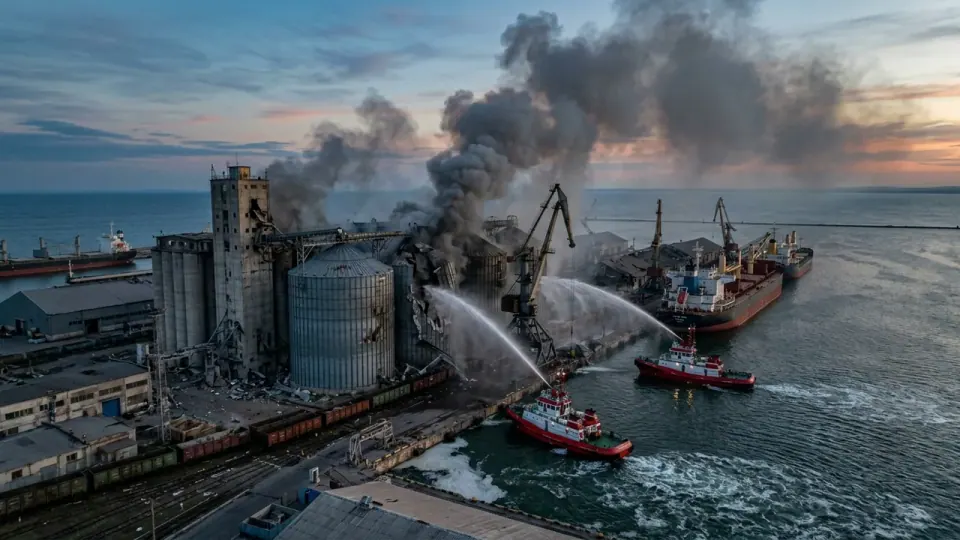
As mid-November winter downpours swamp canvas camps in Gaza and blocked aid corridors deepen famine across Sudan, war and severe weather are merging into unmanageable civilian displacement.
Western diplomatic summits run on tidy rotating spotlights. For two weeks a crisis owns the front page; a month later, defense correspondents move to the next strait or summit hall while millions of displaced civilians still live under thin plastic sheeting as winter rain arrives.
That quiet handoff is playing out starkly across two battered theaters in mid-November 2026. In Gaza, violent early-winter storms tore through coastal floodplains and swamped makeshift tent encampments, prompting foreign ministers from Australia, Canada, Italy, and the United Kingdom to issue an urgent joint appeal demanding Israel clear border bottlenecks for 150,000 winterized tents and cold-weather survival gear—a standoff already rippling through regional winter shipping chokepoints. Roughly two thousand miles south across the Red Sea and Nile Valley, G7 ministers meeting in Paris issued another plea over Sudan, pressing both the Sudanese Armed Forces (SAF) and the Rapid Support Forces (RSF) to halt ongoing fighting and open blocked relief corridors before seasonal crop failure finishes off families trapped between militias.
Neither crisis triggered a sudden market crash in New York or London this week. Yet watching how winter weather, border politics, and dried-up humanitarian budgets interact across these neglected fronts reveals the harsh template shaping civil emergencies everywhere heading into 2027.
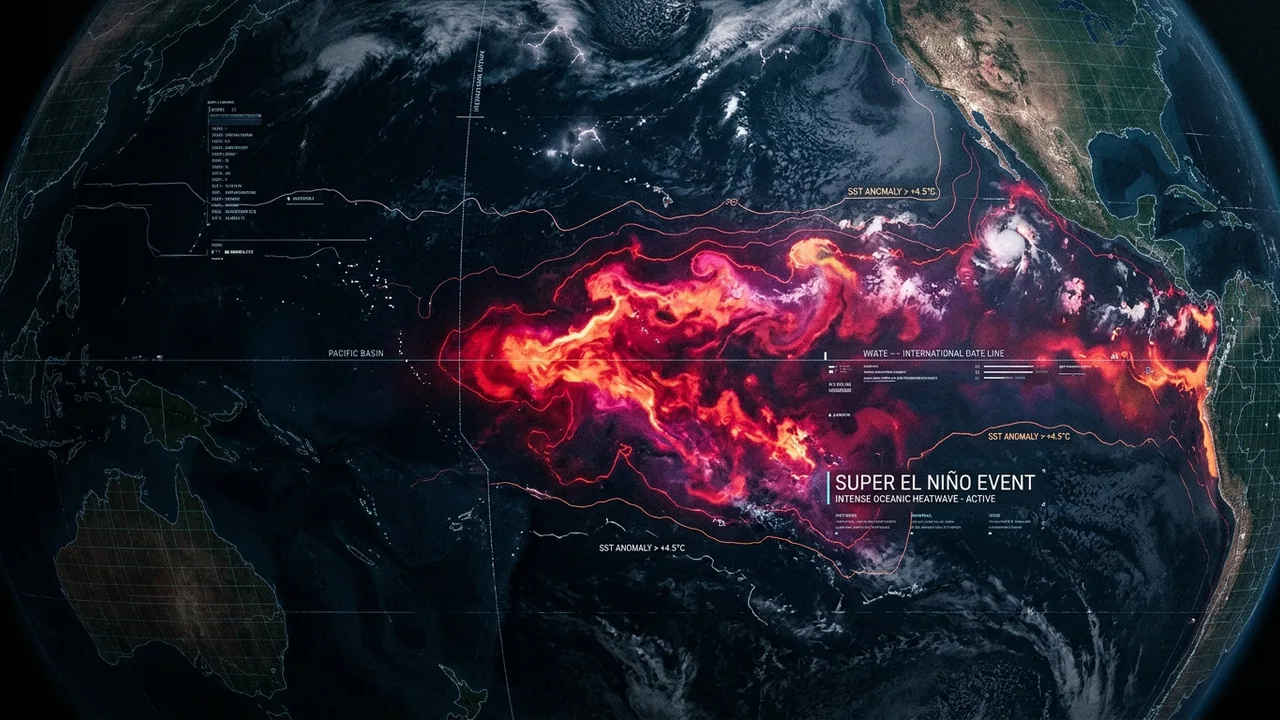
Why Canvas Fails When November Storms Hit
Suburban homeowners barely register a heavy coastal rainstorm beyond clearing wet leaves off the driveway. Inside dense displacement camps where municipal drainage has collapsed and concrete housing lies in rubble, three inches of cold November rain behaves like a slow-motion demolition wave.
Look at the mechanical failure loop hitting Gaza's coastal camps right now:
- Zero Drainage & Rising Sewage: Bomb-cratered streets and shattered storm sewers cannot move cloudburst runoff to the sea. Rainwater pools in low-lying tent rows, mixing almost immediately with overflowing cesspools and soaked household garbage.
- Hypothermia Without Solid Fuel: Temperatures along the eastern Mediterranean coast do not need to drop below freezing to kill infants and elderly patients. Wet clothing, soaked foam mattresses, and fifteen-degree Celsius night winds strip body heat brutally fast when families have neither dry firewood nor electricity for space heaters.
- The Tent Bottleneck: Calling publicly for 150,000 winter tents sounds straightforward until you check logistics. Standard summer relief tarps shred in forty-knot winter gusts and leak at every stitched seam. Properly winterized frame tents with waterproof groundsheets, wool blankets, and stove-safe roof vents weigh tens of kilograms apiece—requiring hundreds of cleared heavy-truck slots that dual-use border inspections routinely hold up for weeks over aluminum pole and generator restrictions.
Sudan: Where Rainfall Failure Meets Militia Checkpoints
If Gaza shows what winter flooding does to trapped urban populations, Sudan illustrates the opposite half of late-2026's disaster map: war-driven starvation colliding with dry sky.
Fighting between the SAF and RSF has ground through cities, irrigated Gezira farmland, and rural markets without an enforceable ceasefire. According to regional meteorological monitors tracked on NOAA Climate.gov and UN briefings this month, parts of Sudan simultaneously recorded critically low seasonal rainfall, gutting rainfed sorghum plots and wiping out livestock watering holes across northern and western states.
Here is why diplomatic statements from G7 summits rarely move food into Darfur or Kordofan on time:
- 01.Weaponized Roadblocks: Rival armed factions treat relief grain convoys not as protected humanitarian cargo, but as strategic revenue—blocking river crossings, demanding transit bribes, or shelling storage depots near contested towns.
- 02.Dead Local Banking & Cash Liquidity: When telecom towers go dark and urban banks shut down, digital cash transfers—the backbone of modern UN World Food Programme relief—stop working cleanly, leaving displaced families unable to buy whatever grain still sits on rural black markets.
- 03.Cross-Border Spillover: Millions fleeing Sudan's deadlocked war spill into Chad, South Sudan, and Egypt—nations already wrestling with inflated food import costs tracked on the FAO Food Price Index, thin municipal water supplies, and shrinking foreign aid checks.
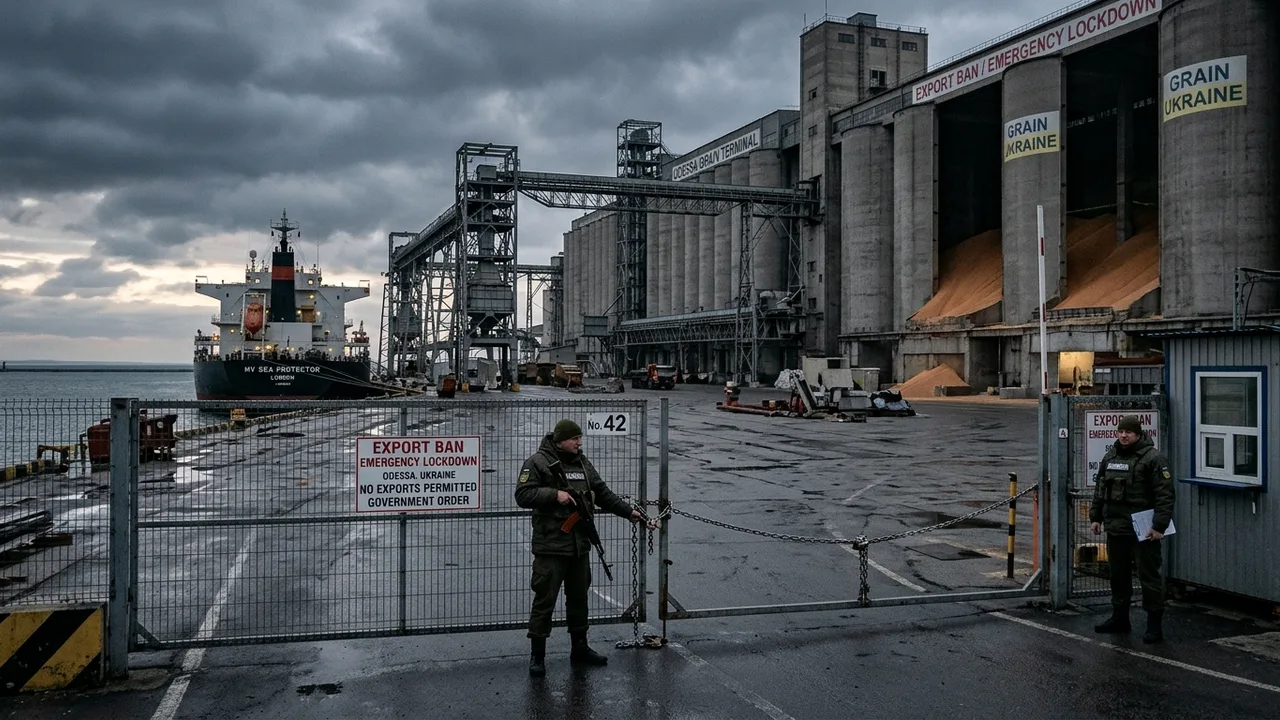
Yemen's Paradox: Prisoner Swaps Amid Missile Fire
Not far away across the Bab el-Mandeb Strait, Yemen's long-running conflict offered a textbook snapshot of late-2026's messy fragmentation. In Sana'a, the International Committee of the Red Cross (ICRC) successfully facilitated a unilateral release of 600 conflict-related detainees—a rare quiet win for local humanitarian negotiators.
Yet during that exact same window, cross-border missile and drone exchanges flared along Saudi border districts, retaliatory airstrikes hit Houthi positions, and commercial ships stayed wary of Red Sea maritime chokepoints. Humanitarian micro-agreements now coexist permanently alongside chronic low-grade war. Aid agencies trade for narrow local truces—six hundred prisoners freed here, a convoy window opened for forty-eight hours there—because grand regional peace settlements have gone completely out of reach.
| Theater | Active Conflict Friction | Weather Multiplier | Immediate Gap |
|---|---|---|---|
| Gaza Strip | Border restrictions / rubble & collapsed sewer drainage | Coastal winter rainstorms & camp flash flooding | 150k winter tents & fuel |
| Sudan | SAF vs RSF urban/road blockades & disrupted sorghum planting | Critically low rainfall & livestock pasture loss | Unhindered aid truck corridors |
| Yemen / Red Sea | Houthi cross-border fire vs localized ICRC prisoner swaps | Dry highland wells & flash coastal storm risk | Maritime lane insurance/aid |
Donor Fatigue Collides With Multi-Theater War
Step back from individual maps and look at the balance sheet sitting on humanitarian directors' desks in Geneva and New York. Traditional Western donor governments are trying to fund three massive bills out of the exact same tight treasuries:
- Rearmament & Munitions Replenishment: Billions flowing into artillery shells, carrier deployments in the Arabian Sea, and European air defense interceptors leave shrinking discretionary budgets for foreign disaster relief.
- Domestic Energy & Debt Service: Higher bond yields and winter utility subsidies absorb domestic political attention across London, Paris, Berlin, and Rome.
- Competing Mega-Emergencies: Asking taxpayers simultaneously to finance Ukrainian winter grid transformers, 150,000 winter shelters for Gaza, famine rations for Sudan, and El Niño drought recovery across Southeast Asia stretches international relief budgets past breaking point.
When relief budgets shrink while logistics costs (marine diesel, war-risk shipping insurance, armored convoy escorts) jump, aid agencies quietly switch from preventing hunger to triaging starvation—cutting caloric ration sizes per family just to stretch finite grain bags across more desperate camps.
Why Local Water and Clinic Systems Break Silently
When emergency headlines fixate on food tonnage, observers frequently overlook the quieter breakdown of cold-chain clinics and clean water pumps inside displaced regions. Small diesel-powered desalination skids, maternity-ward generators, and municipal sewage lift stations require steady spare filters, lubricating oil, and clean fuel deliveries every single week. Even a ten-day border halt or local militia blockade turns treated drinking water into untreated river or brackish well water—spiking pediatric diarrhea, wound sepsis, and hepatitis outbreaks monitored in WHO Disease Outbreak News faster than trauma surgeons can handle incoming injuries. Once a clinic loses reliable generator fuel in damp winter weather, routine chronic conditions like diabetes, kidney dialysis, and asthma rapidly turn fatal alongside battlefield wounds—underscoring why mastering disaster water purification techniques saves lives immediately when municipal systems stall. Worse, overwhelmed field nurses working under flashlight beams cannot sterilize surgical steel or refrigerate tetanus toxoid reliably when battery banks drop dead overnight, turning minor storm lacerations from rusted corrugated tin into multi-week sepsis cases.
Why These "Distant" Crises Echo Closer to Home
It is easy for readers in peaceful suburbs to tune out diplomatic statements about Sudan or tent shortages along the Mediterranean as background noise. That comfort ignores two real transmission belts:
- 01.Unstoppable Migration Pressures: When war destroys civil housing and Super El Niño climate anomalies wipe out rural harvests simultaneously, border fences do not stop human movement—they just push desperate migration corridors further north toward Europe and richer neighboring hubs, sharpening domestic politics everywhere. Overloaded asylum reception centers, strained municipal school budgets, and crowded border towns quickly become everyday domestic headlines far outside the original blast zone.
- 02.The Logistics Lesson for Local Preparedness: Look at how fast municipal survival fails once power, clean water, and shelter supply lines are interrupted for just a few weeks. Even Western governments with massive airlift fleets struggle to deliver basic dry winter tents across closed roads when storm season hits. Watching visual field documentation in our Intel Video Gallery of how quickly sanitation, cold-chain medicine, and dry warmth collapse inside dense urban areas without trucks rolling should cure anyone of assuming municipal emergency crews can hand out cots and bottled water to every block simultaneously.
Preparedness starts from an unsentimental truth visible on every forgotten frontline in November 2026: when storms hit broken infrastructure and borders jam up, distant institutions issue press releases weeks before dry shelter or clean water ever reaches the ground. Whatever shelter, warmth, and dry rations you need during a winter crisis had better sit within arm's reach before the rain starts falling. Counting on international airlifts, open border crossings, or functioning municipal storm sewers during overlapping crises is a gamble history keeps punishing. Keep your household winter kit—dry wool blankets, waterproof tarps, safe indoor heating contingencies, and a two-week sealed water reserve—sorted quietly at home long before regional storm fronts stall supply trucks on the highway. Watching how fast coastal rainstorms and border delays overwhelm even well-staffed international aid agencies is the clearest reminder that local self-reliance begins at your own front door—because when transport corridors jam up simultaneously across continents, outside help always arrives slower than the weather turns cold.
Real-time geospatial feed aggregating USGS M5.0+ earthquakes, NASA EONET wildfires, volcanoes, severe storms, UN/EC GDACS alerts, and NOAA geomagnetic status.
Related Reports & In-Depth Intel
Bunkers and Societal Collapse: The Final Safety Measure
When the grid permanently fails, your geography becomes your destiny. A deep dive into the harsh realities of underground shelters versus surface-level chaos during systemic collapse.
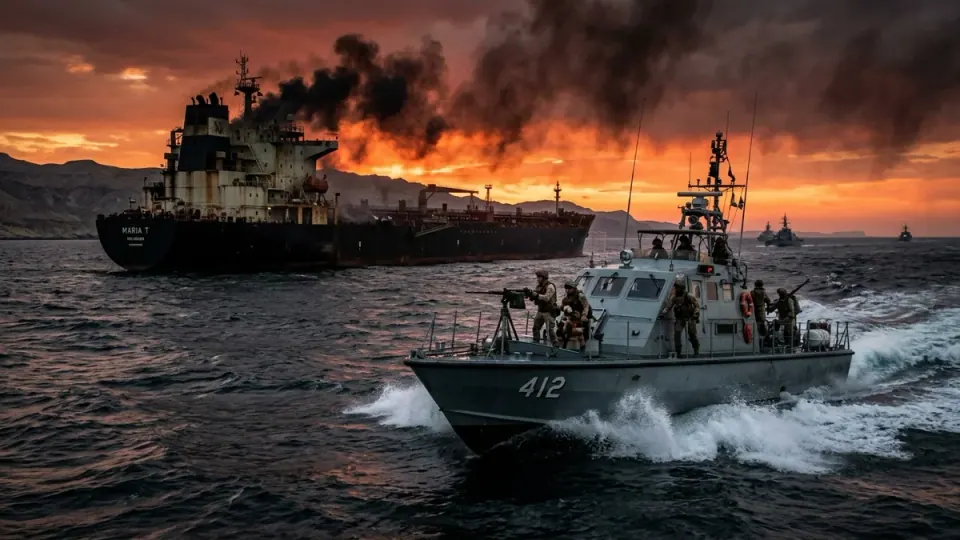
Bab-el-Mandeb Chokepoint Interdiction and the Permanent Logistics Divergence
The indefinite closure of the Bab-el-Mandeb Strait to Western-linked commercial maritime shipping has forced a structural rerouting around the Cape of Good Hope, permanently inflating global supply chain costs and fracturing the petrodollar trade order.
Geoeconomic Warfare: Sovereign Mineral Chokeholds and the Demise
When critical mineral refining monopolies are weaponized, Western industrial models face stagflationary paralysis. We analyze the macro-economic mechanics of export licensing quotas and the permanent fracture into bilateral barter blocs.
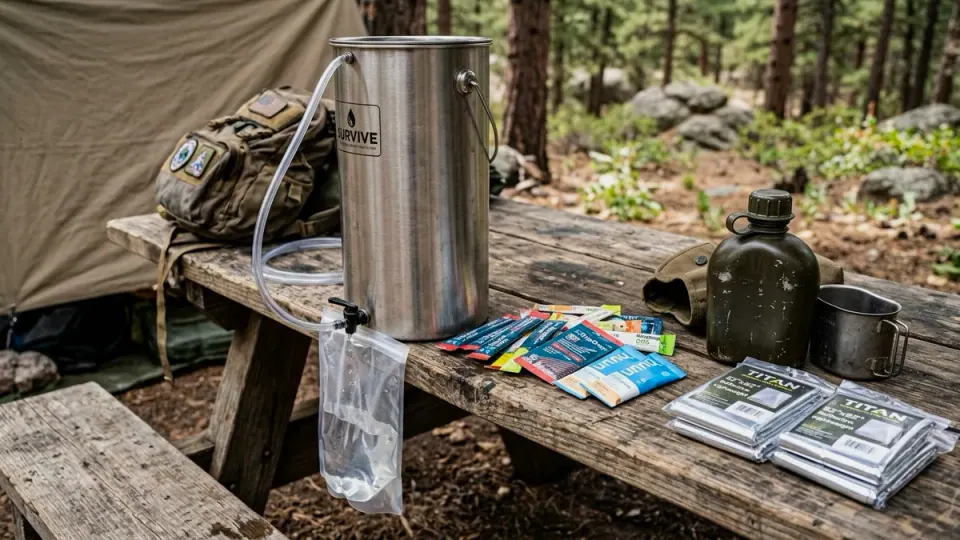
How to Act During Cyberattacks, Disasters, and Conflict
Gear only works if you know what to do in the first hours of a major shock. Here is a calm, field-tested action protocol for severe cyber blackouts, extreme weather disasters, and the sudden onset of armed conflict.