How to Act During Cyberattacks, Disasters, and Conflict
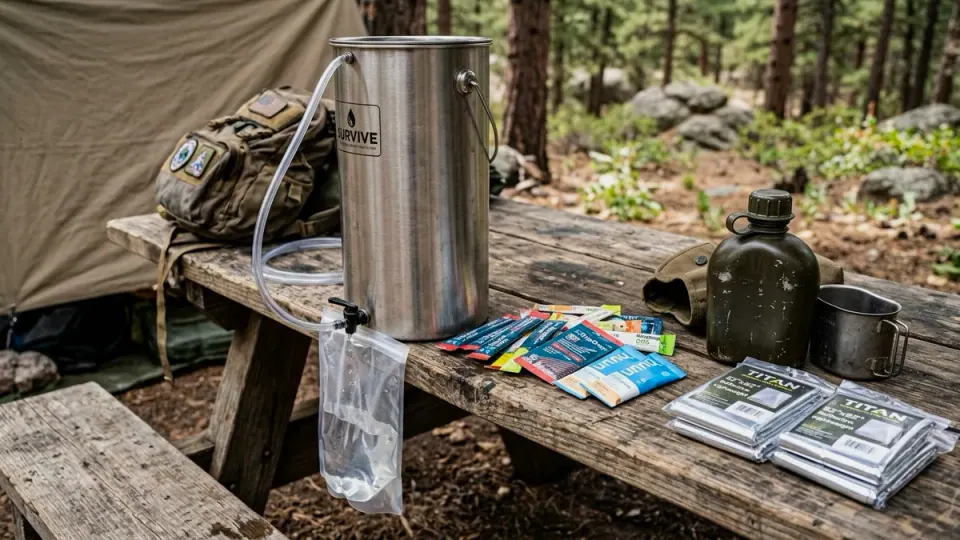
Gear only works if you know what to do in the first hours of a major shock. Here is a calm, field-tested action protocol for severe cyber blackouts, extreme weather disasters, and the sudden onset of armed conflict.
Why Action Order Matters More Than Gear
Having a closet full of supplies does not help if you freeze—or make the wrong first move—when sirens sound, the grid drops, or phones stop working. Over forty years of studying disaster responses across hurricanes, blackouts, and war zones, one pattern stands out: the first six hours determine whether a household stays safe in place or gets trapped in panic traffic, bad information, and preventable accidents.
Before you read this playbook, make sure your physical supplies are covered using our companion guide, The 2026 Resilience Stockpile. Here, we focus strictly on how to act across three escalating emergencies: extreme cyberattacks on infrastructure, severe climate disasters, and the start of armed conflict.
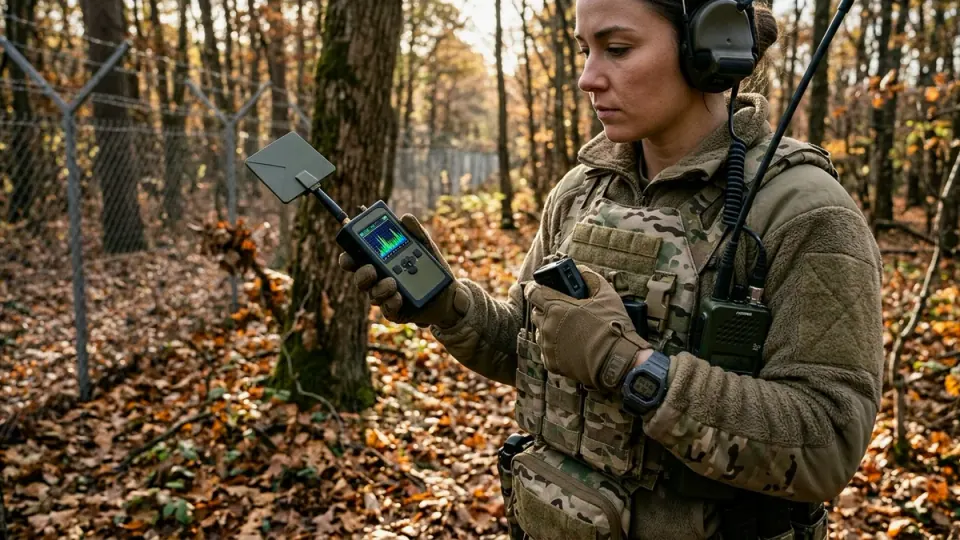
1. Acting During an Extreme Cyberattack (Grid, Banking, or Comms Down)
A severe cyberattack rarely announces itself with explosions. It begins with card readers failing at grocery stores, banking apps timing out, cellular data freezing, or regional substations tripping offline. Follow the first-hour stabilization sequence aligned with CISA and Ready.gov Power Outages:
- 01.Unplug Sensitive Electronics Immediately: Cyber-induced grid instability often produces dirty voltage spikes when utilities attempt automated re-closing. Unplug computers, refrigerators, and inverters until power returns steadily for at least 15 minutes.
- 02.Capture Water Before Pressure Drops: Municipal water towers lose pressure within 2 to 6 hours if electric booster pumps stop. Immediately fill clean pitchers, pots, and a sanitized bathtub liner for flushing and hygiene (see Grid Down: The First Hours).
- 03.Preserve Refrigerator Cold & Phone Battery: Keep fridge and freezer doors shut (a full freezer stays safe ~48 hours). Switch phones to airplane mode or low-power mode, turn off Wi-Fi/Bluetooth scanning, and rely on an AM/FM/NOAA radio (NOAA Weather Radio) for verified official broadcasts rather than draining your battery refreshing broken social feeds.
- 04.Beware Synthetic Disinformation & Phishing: During major cyber disruptions, scammers and hostile actors flood SMS and social apps with fake bank-verification links and false evacuation rumors. Verify every alert against two official broadcast sources before moving.
2. Acting During Extreme Climate Disasters (Heatwaves, Flash Floods, Wildfires)
With extreme El Niño anomalies pushing temperatures and storm intensity to new records—tracked live on our Live Global Hazard Radar and analyzed in Crossing 2.2°C—climate disasters demand early, decisive timing.
| Crisis Phase | Extreme Cyberattack | Severe Climate Event (Flood / Fire / Heat) | Start of Armed Conflict |
|---|---|---|---|
| 0–6 Hours (Immediate) | Unplug surge-sensitive gear; fill water; switch to AM/FM radio; protect cash | Leave early on fire/flood warnings; never drive through floodwater; create cool refuge room | Move to interior/basement shelter away from glass; follow official civil-defense radio |
| 6–24 Hours (Stabilize) | Ration battery power; keep freezer closed; verify banking/grid updates via radio | Monitor USGS / NWS alerts; run N95/air scrubber for smoke; use ORS in heat | Account for all family members; seal drafts/water; avoid unverified rumor panic & clogged highways |
| 24–72 Hours (Sustain) | Coordinate with trusted neighbors; conserve fuel; use analog cash & local barter | Boil/disinfect questionable tap water; strip wet drywall within 48h to stop mold | Evaluate stay-in-place vs. organized daylight evacuation along official humanitarian corridors |
Three life-saving rules apply across all severe weather events:
- Never Drive Through Floodwater: According to the National Weather Service (NWS), just 30 centimeters (12 inches) of moving water can float a passenger car, and 60 centimeters sweeps away heavy SUVs. Turn around and move to higher ground on foot if trapped.
- Evacuate Early for Wildfires: Do not wait until you see flames or embers on your street. Smoke blinds roads within minutes and gridlock kills drivers faster than fire fronts. Leave with your 15-minute go-bag the moment a Level 2 ("Set") evacuation warning is issued, as detailed in Surviving El Niño 2026: Heat and Flash Floods.
- Respect Wet-Bulb Heat & Carbon Monoxide: During a heatwave blackout, relocate elderly or vulnerable family members to a cooled community center before indoor temperatures climb past 32°C. During winter blackouts, keep fuel generators at least 6 meters (20 feet) from doors and windows per CDC Carbon Monoxide guidance.
3. Acting at the Start of Armed Conflict
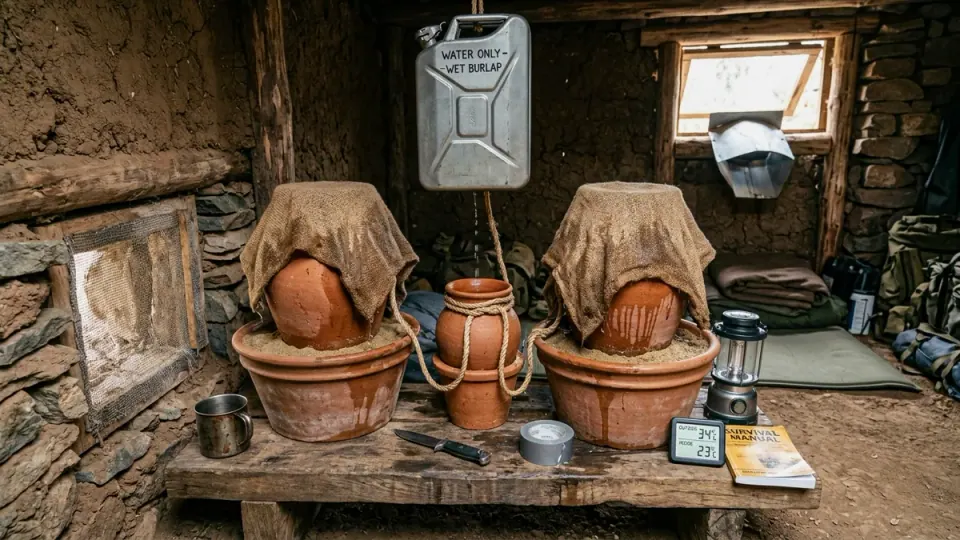
If sirens sound or official civil-defense channels announce the outbreak of armed hostilities in your region, your survival depends on disciplined shelter-in-place first, and deliberate, informed movement second—the exact doctrine taught by the International Committee of the Red Cross (ICRC), Swedish MSB, and FEMA.
- 01.The Two-Wall Rule & Blast Safety: Most urban casualties during air strikes or artillery exchanges come from shattered window glass and flying masonry, not direct hits. Move immediately to a basement, underground parking structure, or an interior hallway/bathroom separated from exterior walls by at least two solid walls, away from glass windows. If caught outdoors during an impact warning, lie flat face-down in a ditch or behind a curb, cover your head, and keep your mouth slightly open to reduce blast overpressure on your eardrums.
- 02.Do Not Rush Blindly Onto Congested Highways: In the first 24 hours of conflict, main outbound highways immediately gridlock, run out of fuel, and sit exposed near bridges, rail junctions, and fuel depots—which are primary military targets. Unless your immediate neighborhood is an active front line or you receive an official evacuation order, sheltering in place for the first 24–48 hours while gathering verified radio intelligence is often far safer than sitting immobile in a traffic jam.
- 03.Operational Security (OPSEC) & Light/Radio Discipline: Keep blackout curtains drawn at night if power or lanterns are in use. Never photograph or post live troop movements, air-defense launches, or strike locations on social media—doing so endangers both civilians and yourself. Keep offline local maps and pre-agreed family rendezvous points written on paper (see Comms in a Collapse and Navigating the Chaos: Civil Unrest).
- 04.Connect With Your Immediate Neighbors: Isolated individuals run out of information, water, and medical help fastest. Know which neighbors have medical training, elderly relatives needing help, or backup radios—principles we reinforce in Building Resilient Communities.
Practice One Drill Before You Need It
A crisis protocol that lives only on a screen fails the moment the screen goes dark. Print a one-page family card with your emergency radio frequencies, local meetup locations, out-of-area contact number, and utility shutoff locations (water, gas, main electrical breaker). Review it once every six months, stay informed via our Useful Websites Directory and Data Center, and keep a cool head—calm, disciplined execution is the single strongest survival advantage you have.
Additional Reading & Data Sources
References
Real-time geospatial feed aggregating USGS M5.0+ earthquakes, NASA EONET wildfires, volcanoes, severe storms, UN/EC GDACS alerts, and NOAA geomagnetic status.
Related Reports & In-Depth Intel
What to Stockpile for Cyberattacks, Climate, and Conflict
When European civil-defense agencies, FEMA, and cybersecurity authorities all update their household preparedness guides at once, skip the gimmicks and stock the exact essentials that cover cyber blackouts, extreme weather, and supply shocks.

Keeping the House Warm and Fed
Practical steps to protect your household budget and comfort this winter as the Iran and Gaza conflicts push up heating bills, freight costs, and grocery prices.
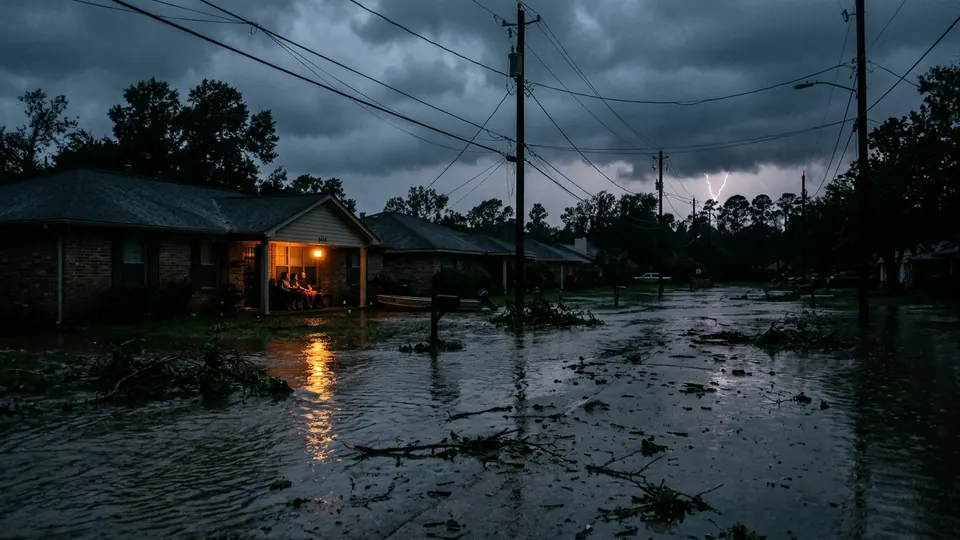
Heat, Mud, and Grid Failure
Practical field-tested preparation for the 2026 El Niño: surviving wet-bulb heatwaves, flash-flooded basements, contaminated wells, and multi-day blackouts.
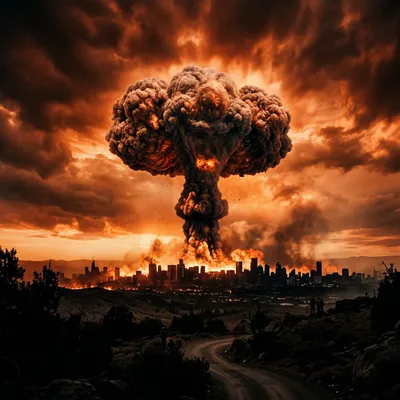
Nuclear War Exchange Scenario and Survival Overview
Comprehensive Analysis of Nuclear Detonation Phenomenology, Radiological Hazards, and Systemic Survival Frameworks.