Keeping the House Warm and Fed

Practical steps to protect your household budget and comfort this winter as the Iran and Gaza conflicts push up heating bills, freight costs, and grocery prices.
Focus on What You Can Control This Winter
When you watch news about the Iran and Gaza shipping disruptions dragging through another winter, it is easy to feel helpless. You cannot control tanker routes in the Red Sea, war-risk insurance rates, or what central banks do with interest rates. Watching daily geopolitical headlines only adds stress without lowering a single utility bill or putting an extra meal on the table.
What you can control is how exposed your own home and budget are between November and April. Over forty years of covering economic downturns and winter emergencies, I have seen the same truth hold up every single time: households that make a few simple, practical moves in late autumn ride out winter price spikes and supply hiccups with far less stress than neighbors who wait until January. When a cold snap hits at the exact moment heating fuel and imported groceries jump in price, having your home sealed and your pantry stocked turns a financial crunch into a manageable winter season.
You do not need a mountain cabin or expensive gear. Focus on three practical areas this winter: cutting your heating loss, buying key pantry staples before freight markups land, and keeping a simple cash, fuel, and medicine buffer. Let's walk through each one step by step so you can get it done in a single weekend.
1. Cut Your Winter Heating Bill Without Freezing
If winter energy and heating oil prices jump because of Middle East supply jitters, the cheapest unit of energy is the one you never have to buy. Most homes leak 20 to 30 percent of their paid heat through small gaps you can fix in a single afternoon for under $50 using basic U.S. Department of Energy home heating efficiency practices.
- Stop window and door drafts immediately: Run your hand along the edges of exterior doors and older windows on a windy evening. Anywhere you feel cold air, install foam weatherstripping or a weighted draft stopper at the bottom of the door. Clear plastic window insulation film (installed with a hairdryer) adds an instant dead-air barrier that cuts heat loss noticeably. Even rolled-up bath towels along drafty sills make an immediate difference during a cold snap.
- Use heavy curtains like thermal shutters: Open blinds on sunny south-facing windows during the day to capture free solar heat, then close heavy curtains or blankets over every window the moment the sun goes down. Glass radiates indoor heat straight outside at night; covering it keeps the room noticeably warmer without touching the thermostat.
- Heat the room, not the whole house: Close vents and doors in unused guest rooms, hallways, or storage areas, and keep your main living space warm. Wearing a wool base layer, thick socks, and a fleece indoors lets you drop the thermostat 2°C to 3°C (4°F to 5°F) without feeling cold—which typically shaves 10 to 15 percent off a monthly heating bill. For households preparing for deeper outages, our thermal envelope and rocket mass heater manual covers zero-grid heating upgrades.
- Bleed radiators and clean furnace filters: A clogged furnace air filter forces your blower motor to work harder and burn more electricity or gas, while trapped air in hot-water radiators leaves half the metal cold. Ten minutes of basic maintenance in November keeps every unit of fuel working at full efficiency.
- Check your backup heat safety: Following Ready.gov winter weather preparedness guidelines, if you keep a propane or kerosene heater for winter power outages, only use indoor-rated units with an automatic tip-over and low-oxygen shutoff, crack a window slightly for ventilation, and keep fresh batteries in carbon monoxide (CO) detectors on every floor to prevent carbon monoxide poisoning.
2. Stock Up on Freight-Sensitive Staples Before Prices Climb
Remember how Middle East shipping detours work: when ships sail around Africa instead of through the Suez Canal, higher freight and insurance costs take weeks or months to show up on local supermarket shelves. That gives you a built-in head start if you buy smart now.
Skip expensive "emergency food buckets" and quietly add a few extra weeks' worth of everyday items you already cook—especially imports that travel by sea, building on our broader guide to preparing a resilient household food supply and Ready.gov emergency food storage standards:
- Cooking oils and fats: Olive oil, sunflower oil, and butter (which freezes well). Cooking oils are heavy, travel long distances by ship and truck, and react fast to fuel and harvest squeezes.
- Dry staples: White rice, pasta, oats, flour, and dried beans or lentils. Stored in airtight jars or food-grade buckets in a cool, dry cupboard, these last for years and stretch expensive meat or fresh produce into hearty winter stews and soups.
- Canned proteins and sauces: Canned fish (sardines, tuna, salmon), canned tomatoes, and broths. They need no refrigeration if a winter storm knocks out power and give you quick hot meals on busy evenings.
- Hot drinks and morale items: Coffee, tea, cocoa, honey, and basic spices—all imported by ship and quick to jump in price when freight gets tight.
Buy a few extra items each grocery trip rather than emptying your bank account in one afternoon. Rotate older items to the front of the pantry so nothing goes to waste. If winter inflation hits 10 to 15 percent on imported groceries, eating from your own pantry is an instant, tax-free return on your money. Just as importantly, having three or four weeks of meals on hand keeps you off icy roads when a winter storm hits and lets you skip impulse trips to the store.
3. Keep a Simple Cash, Fuel, and Medicine Buffer
Economic shocks and winter storms often overlap. When freight slows down or payment networks glitch during winter outages, three small habits keep minor disruptions from turning into real headaches:
- The Half-Tank Rule: Never let your car drop below half a tank of fuel during winter. It prevents fuel-line condensation in freezing weather, ensures you can get to work or help family if a local station runs dry or loses power, and shields you from sudden week-to-week pump jumps. If you rely on heating oil or propane delivery at home, call for a refill when your tank hits 30 to 40 percent instead of waiting until it is nearly empty—winter delivery trucks get backed up fast during cold snaps, and emergency "run-out" deliveries almost always carry steep extra fees.
- Refill Prescriptions Early: Many everyday generic drugs and medical supplies depend on overseas shipping lanes through Asia and Europe. Ask your doctor or pharmacy for 90-day refills where allowed, and keep basic over-the-counter items—fever reducers, cough medicine, bandages, and electrolyte packets—stocked at home so you are not hunting empty shelves during a winter flu wave.
- Keep Small-Denomination Cash at Home: In line with Ready.gov financial preparedness checklists, keep $200 to $400 (or equivalent local currency) in small bills tucked safely at home. If a winter storm knocks out card readers or a local vendor offers a discount for cash when banking fees rise, paper money always works. Store it in a dry, discreet spot rather than keeping everything in your daily wallet, and replace small bills whenever you spend them.
4. Simple Winter Habits That Protect Your Wallet Every Week
Beyond heat, food, and fuel, a few everyday routines keep small winter expenses from snowballing when budgets are already tight:
- Cook in batches and use a slow cooker: Simmering soups, beans, and stews in larger batches cuts how often you run the stove or oven, gives you ready-to-reheat lunches for work, and gently warms the kitchen at the same time.
- Keep flashlights and power banks charged before storms: A sudden winter power outage often leads to spoiled food in the fridge or impulse hotel stays. Keep frozen water bottles in the freezer to hold cold temperatures longer if the power drops, and keep two charged battery banks ready for phones and LED lanterns.
- Service your car battery and tires now: Cold weather exposes weak batteries and worn tires fast, and replacement parts shipped from overseas can take longer to arrive this winter. Checking tire pressure and battery health in November saves you from an expensive tow truck bill in January.
- Audit automatic subscriptions: When heating and grocery bills climb by $100 or $150 a month, canceling two or three unused streaming services or memberships frees up cash immediately without lowering your actual quality of life. Redirecting even $40 a week from forgotten subscriptions into winter staples or utility savings makes a noticeable difference by February.
Stay Calm, Prepare Early
The goal this winter is not to worry about every headline coming out of Iran, Gaza, or the financial markets—though you can track macro risk indicators anytime in our Data Center. The goal is to tighten up your home, fill the gaps in your pantry, and protect your wallet before peak winter cold arrives. Even if shipping lanes quiet down later in the season, nothing you do—sealing drafty windows, keeping your pantry stocked with food you eat every week, maintaining a half-tank of fuel, and holding a modest cash reserve—ever goes to waste. A few practical hours spent preparing now buys peace of mind all the way to spring, keeps your family warm when utility bills climb, and ensures you are never forced to pay top dollar at the last minute.
Real-time geospatial feed aggregating USGS M5.0+ earthquakes, NASA EONET wildfires, volcanoes, severe storms, UN/EC GDACS alerts, and NOAA geomagnetic status.
Related Reports & In-Depth Intel
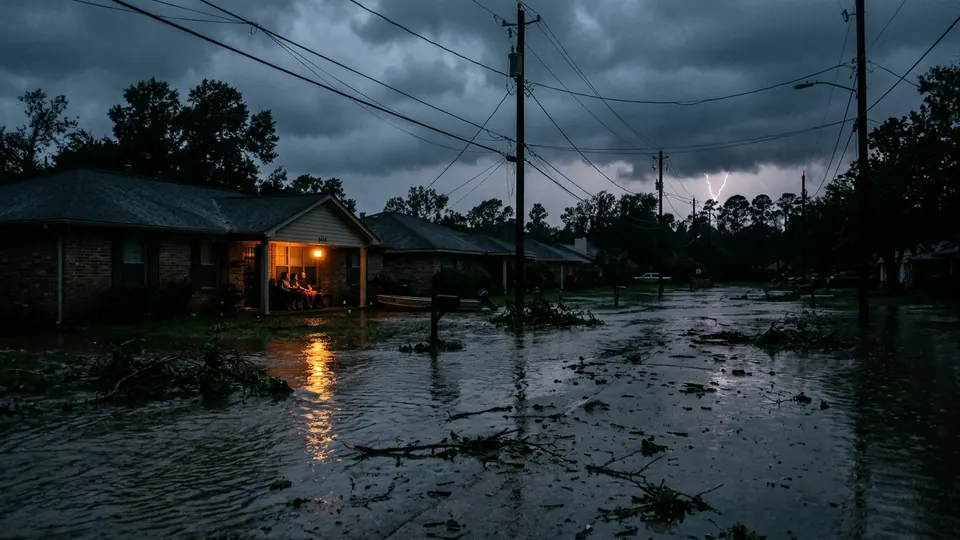
Heat, Mud, and Grid Failure
Practical field-tested preparation for the 2026 El Niño: surviving wet-bulb heatwaves, flash-flooded basements, contaminated wells, and multi-day blackouts.
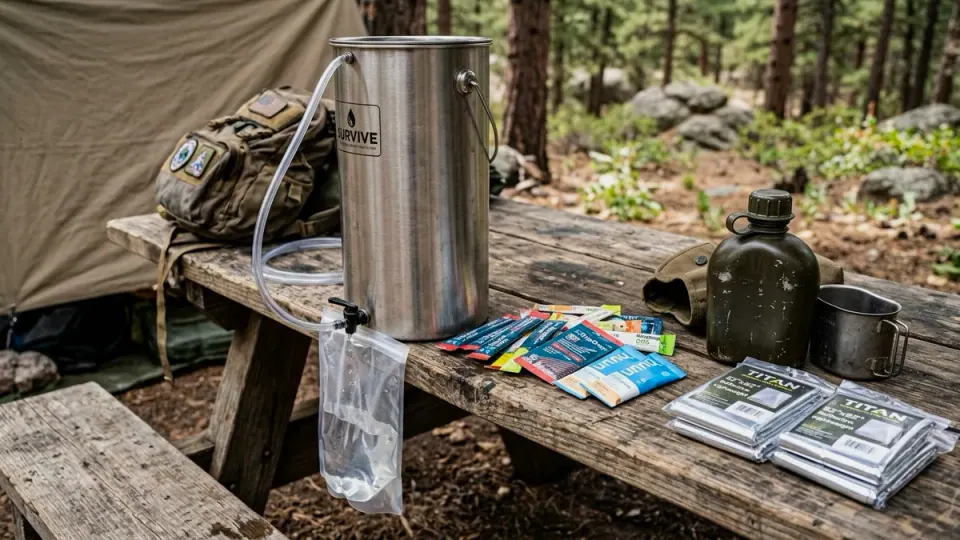
How to Act During Cyberattacks, Disasters, and Conflict
Gear only works if you know what to do in the first hours of a major shock. Here is a calm, field-tested action protocol for severe cyber blackouts, extreme weather disasters, and the sudden onset of armed conflict.
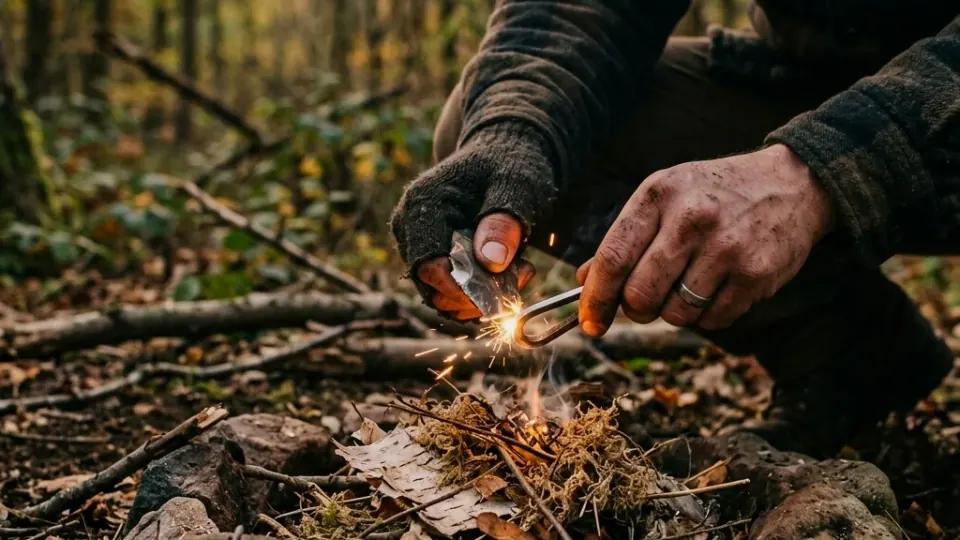
What to Stockpile for Cyberattacks, Climate, and Conflict
When European civil-defense agencies, FEMA, and cybersecurity authorities all update their household preparedness guides at once, skip the gimmicks and stock the exact essentials that cover cyber blackouts, extreme weather, and supply shocks.
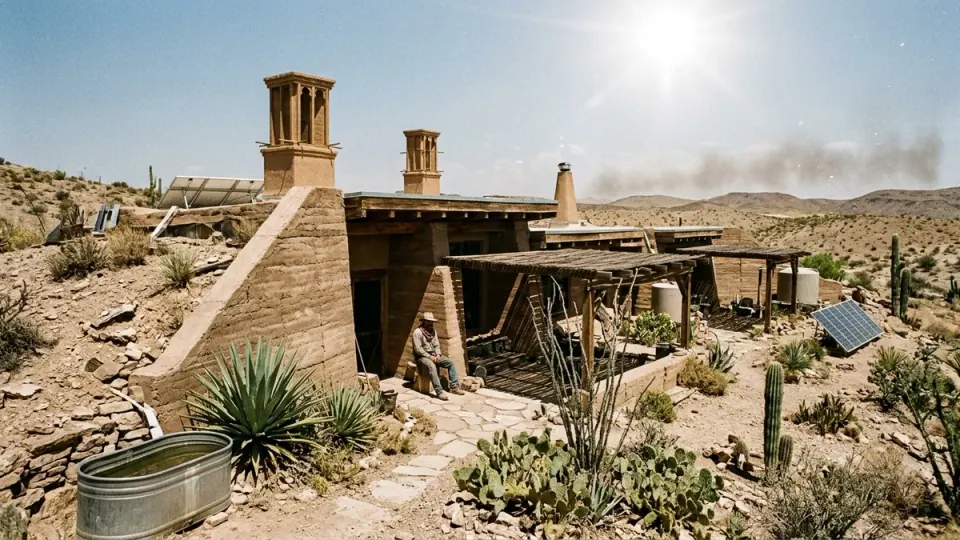
Extreme Thermal Survival Manual
A tactical engineering and physiological survival protocol for surviving prolonged 45°C+ wet-bulb heat events when electrical air conditioning grids collapse. We detail subterranean earth-sheltering, evaporative cooling physics, cellular hydration, and emergency solar water harvesting.