Heat, Mud, and Grid Failure
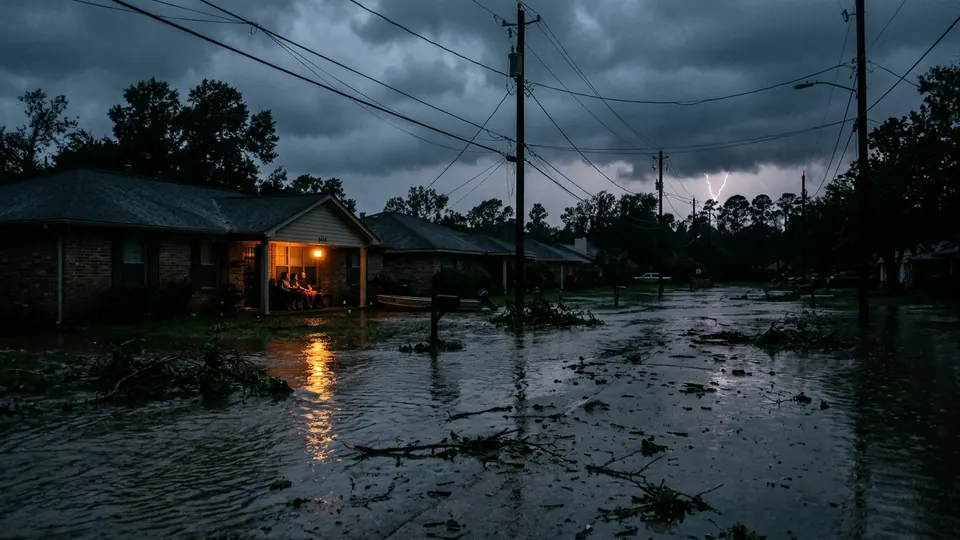
Practical field-tested preparation for the 2026 El Niño: surviving wet-bulb heatwaves, flash-flooded basements, contaminated wells, and multi-day blackouts.
Prepare for Whiplash, Not Just Heat
Most people prepare for one kind of disaster at a time. They buy a portable fan for a heatwave, or they buy sandbags for a flood. In an El Niño year like 2026, that single-track thinking gets people into trouble.
El Niño is a weather whiplash machine. The same atmospheric pattern that bakes clay soil into concrete for six weeks can drop six inches of rain in four hours when an atmospheric river stalls over a ridge. Baked soil cannot absorb sudden rainfall; it sheds water like a parking lot, turning dry creek beds into flash-flood chutes and overwhelming storm drains that were sized for 1970s rainfall statistics.
Reviewing decades of disaster-response records and testing household resilience, I have learned that survival during an El Niño season—which you can track alongside live sea-surface anomalies on our planetary hazard and climate radar—comes down to handling four overlapping failures: lethal indoor heat without AC, flash-flooded structures, compromised tap or well water, and multi-day grid outages.
1. Surviving Wet-Bulb Heatwaves When the Power Dies
A dry 40°C (104°F) afternoon is uncomfortable; a humid 36°C (97°F) night when the power grid trips is lethal.
When relative humidity climbs alongside temperature, sweat stops evaporating from your skin. Your body loses its primary cooling mechanism. Once the National Weather Service wet-bulb globe temperature thresholds climb into critical zones around 31°C–35°C, even healthy adults resting in the shade can suffer fatal hyperthermia within hours—a failure mode detailed in our wet-bulb heatwave survival guide.
If your air conditioning fails during an El Niño heat dome, do not wait until your living room hits 35°C to act, and follow CDC extreme heat safety protocols:
- Create a Thermal Refuge Room: Pick the coolest room in your home—ideally a basement, a north-facing ground-floor room, or an interior hallway away from west-facing windows. Hang heavy blankets or reflective Mylar emergency blankets over sun-facing windows on the outside if possible, or tightly against the glass inside, to block solar gain before it heats the room.
- Evaporative & Conductive Cooling: Soak cotton towels or T-shirts in cool water and drape them over your neck, wrists, and groin (where major blood vessels run close to the skin). If you have a battery-powered fan, aim it across a bowl of ice water or wet towels—even a small breeze dramatically restores evaporative cooling.
- Hydration With Electrolytes: Drinking plain water during heavy sweating without replacing sodium and potassium can trigger hyponatremia. Keep oral rehydration salts (ORS) or simple electrolyte packets in your medical kit.
- Know Your Cooling Centers: Before a heatwave hits, map the nearest public library, community center, or hospital with backup generation. For elderly relatives, infants, or anyone on diuretics or blood-pressure medication, relocating early is the smartest tactical call.
2. Flash Floods, Mud, and Contaminated Wells
When El Niño breaks a drought with a deluge, the damage happens fast and dirty. Floodwater is never clean rainwater; it is a slurry of sewage, agricultural runoff, motor oil, heavy metals, and industrial chemicals.
- Clear Gutters and French Drains Now: Before the first heavy storm, clear every roof gutter, downspout extension, and street storm grate near your property. Direct downspouts at least 2 to 3 meters away from your foundation.
- Backwater Valves & Sump Backups: If you have a basement, a standard electric sump pump is useless the moment the power goes out during a storm. Install a marine deep-cycle battery backup for your sump pump, or keep a gas/battery transfer pump on hand.
- Strip Wet Drywall Within 48 Hours: If floodwater enters your home, EPA mold cleanup guidance warns you have roughly 24 to 48 hours before black mold (Stachybotrys) colonizes wet drywall and insulation. Cut drywall at least 30 centimeters above the high-water mark, pull out soaked fiberglass batts, and run dehumidifiers or cross-ventilation fans immediately.
- Well Water & Boil Advisories: If you rely on a private well and floodwaters cover your wellhead, assume the water is contaminated with E. coli, Cryptosporidium, and chemical runoff. Do not drink it until it is shock-chlorinated and lab-tested. Keep a gravity-fed ceramic/hollow-fiber filter (such as a Sawyer or Katadyn) plus unscented household bleach (5.25%–8.25% sodium hypochlorite, 8 drops per gallon of clear water, wait 30 minutes) for emergency disinfection, following our disaster water purification protocols.
3. Power Grid Fragility and Blackout Buffers
El Niño stresses grids from both ends: record cooling demand in cities and wildfire/storm damage to transmission corridors. Multi-day outages are no longer rare tail events.
- Refrigeration & Food Spoilage: A closed refrigerator keeps food safe for about 4 hours; a full freezer holds safe temperatures for 48 hours (24 hours if half-full). Keep frozen water jugs in the empty spaces of your freezer—they act as thermal mass to extend cold storage and double as drinking water as they thaw.
- LiFePO₄ Power Stations Over Gas Generators (For Apartments & Short Outages): A 1,000Wh to 2,000Wh lithium iron phosphate (LiFePO₄) power station paired with 200W–400W of foldable solar panels—sized using the principles in our grid-down battery storage guide—can run a CPAP machine, charge phones and radios, and cycle a high-efficiency 12V compressor fridge silently indoors without carbon monoxide risk.
- Carbon Monoxide Discipline: If you do run a fuel generator, place it at least 6 meters (20 feet) away from any door, window, or soffit vent, and keep battery-powered CO detectors on every floor of your home. More people die from generator CO poisoning after storms than from the storms themselves.
4. Buffering Your Pantry Against El Niño Price Spikes
As covered in our macro analysis of 2026 El Niño crop failures, El Niño losses in rice, cocoa, coffee, and vegetable oils take four to eight months to fully hit retail shelves. You do not need a bunker; you need a rolling 60-to-90-day pantry of shelf-stable staples you actually eat:
- Grains & Legumes: White rice (stores 10+ years in airtight Mylar bags with oxygen absorbers; brown rice goes rancid in 6–12 months due to bran oils), dried lentils, chickpeas, and black beans.
- Fats & Proteins: Canned sardines, tuna, chicken, olive or avocado oil (rotate every 12 months), and peanut butter.
- Morale & Trade Items: Coffee, tea, cocoa, salt, and spices—the exact tropical crops most vulnerable to El Niño droughts.
5. Wildfire Smoke, Air Quality, and Respiratory Defense
Even if you live hundreds of kilometers from the nearest forest, El Niño's Pyrocene fire season brings dense, continental-scale smoke plumes packed with PM2.5 particulates—microscopic soot and burned plastics that penetrate deep into lung tissue and enter the bloodstream.
- DIY Corsi-Rosenthal Box: You do not need an expensive boutique air purifier. Four MERV-13 furnace filters taped into a cube with a standard 20-inch box fan on top—a DIY clean-air approach recognized in EPA indoor air quality emergency guidance—will scrub indoor PM2.5 levels down by 80 to 90 percent for under $80. Keep spare filters sealed in plastic before smoke season arrives, because hardware stores sell out the day the sky turns orange.
- N95/FFP2 Respirators: Standard surgical masks or cloth bandanas do nothing against wildfire smoke. Keep a box of well-fitting N95 or FFP2 respirators in your vehicle and go-bag.
- Seal Drafty Windows: Use painter's tape and rolled damp towels along leaky door sweeps and window sashes during heavy smoke events, and switch vehicle HVAC systems to recirculate mode.
6. Communications and Evacuation Readiness
When atmospheric rivers wash out rural bridges or wildfires sever fiber-optic trunks along highway corridors, cell towers often lose backhaul or run out of generator fuel within 12 to 24 hours.
- Offline Maps & Paper Backups: Download offline regional maps on your phone, but also keep a laminated road atlas in your glovebox. When highways flood, GPS routing apps often send drivers onto washed-out secondary roads.
- NOAA / Weather-Band Crank Radio: A compact AM/FM/NOAA Weather Radio All Hazards receiver with a hand crank and USB output gives you emergency evacuation alerts when cellular networks are congested or dark.
- The 15-Minute Go-Bag: Keep copies of IDs, property deeds, insurance policies, prescription medications, pet food, and $300–$500 in small-denomination cash in a waterproof dry-bag by the door. When a flash flood or wildfire evacuation order drops, you will not have time to search filing cabinets.
- Vehicle Fuel & Tire Discipline: Never let your vehicle drop below half a tank during an active El Niño storm or wildfire watch. Gas stations cannot pump fuel when the local grid is down, and evacuation routes regularly turn into multi-hour parking lots. Keep a compact 12V air compressor, a tow strap, and a basic trauma kit in the trunk.
The Mindset That Keeps You Ahead
The difference between a stressful inconvenience and a dangerous emergency during an El Niño year is almost always 72 hours of foresight. Check your drainage before the rain, test your backup power before the heat dome, and stock your pantry before the export bans hit the news. You do not need to panic—you just need to move while the hardware store shelves are still full.
Real-time geospatial feed aggregating USGS M5.0+ earthquakes, NASA EONET wildfires, volcanoes, severe storms, UN/EC GDACS alerts, and NOAA geomagnetic status.
Related Reports & In-Depth Intel

Keeping the House Warm and Fed
Practical steps to protect your household budget and comfort this winter as the Iran and Gaza conflicts push up heating bills, freight costs, and grocery prices.
How to Act During Cyberattacks, Disasters, and Conflict
Gear only works if you know what to do in the first hours of a major shock. Here is a calm, field-tested action protocol for severe cyber blackouts, extreme weather disasters, and the sudden onset of armed conflict.
What to Stockpile for Cyberattacks, Climate, and Conflict
When European civil-defense agencies, FEMA, and cybersecurity authorities all update their household preparedness guides at once, skip the gimmicks and stock the exact essentials that cover cyber blackouts, extreme weather, and supply shocks.
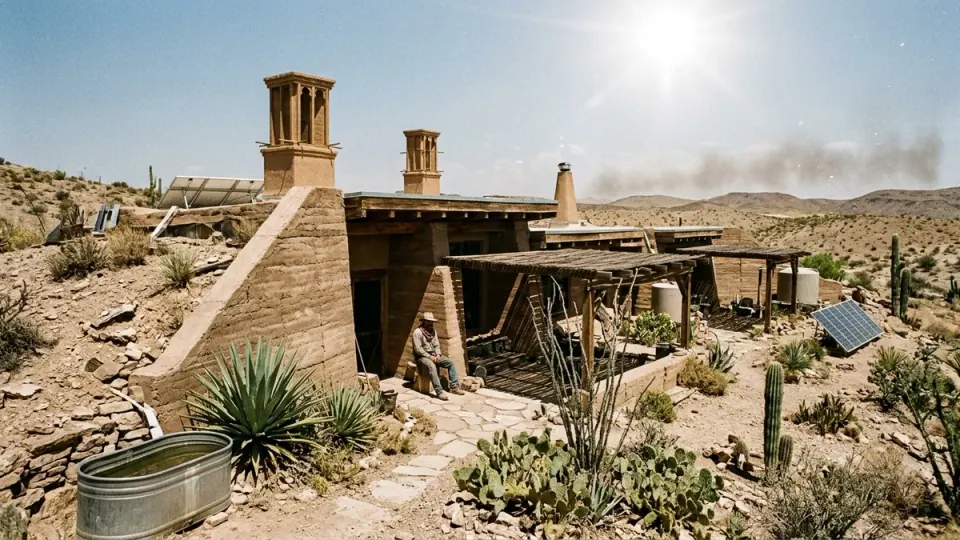
Extreme Thermal Survival Manual
A tactical engineering and physiological survival protocol for surviving prolonged 45°C+ wet-bulb heat events when electrical air conditioning grids collapse. We detail subterranean earth-sheltering, evaporative cooling physics, cellular hydration, and emergency solar water harvesting.