Fuel Rationing and Winter Blackouts: Tactical Energy Survival Manual
A pragmatic, field-tested technical manual for fuel storage chemistry, long-term stabilization, gravity siphon transfers, and off-grid heating when geopolitical conflict shuts down national energy grids.
# Fuel Rationing and Winter Blackouts: Tactical Energy Survival Manual
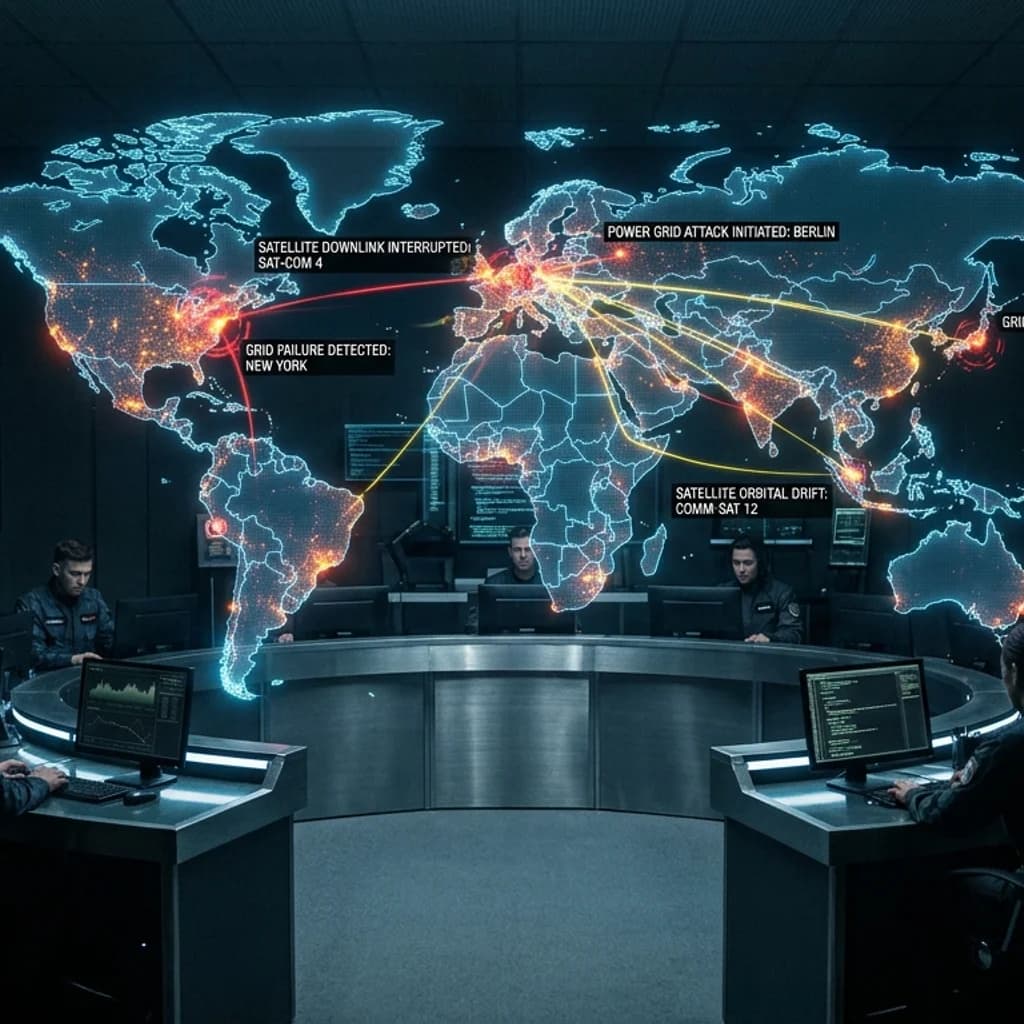
The Inevitability of Civil Fuel Rationing
During periods of escalated regional war and maritime trade blockades, civilian access to liquid petroleum fuels is the first supply chain segment severed by state rationing orders. History demonstrates—from the 1973 OPEC embargo to modern wartime fuel allocation schemes—that commercial gas stations quickly implement strict purchasing caps, transition to emergency services only, or exhaust their underground tanks entirely within 72 hours of panic-buying.
Compounding this crisis, winter weather dramatically multiplies energy vulnerability. Without electricity to run central heating circulation pumps, modern hydronic and forced-air residential heating systems freeze within hours, leading to ruptured plumbing and sub-zero interior living conditions. Enduring an energy siege requires preemptive fuel security and redundant, non-electric thermal systems.
Fuel Chemistry and Long-Term Stabilization Protocols
Raw gasoline and diesel fuel degrade rapidly if left untreated:
1. Gasoline Degradation and Gumming
Modern E10/E15 gasoline contains ethanol, which is hygroscopic (absorbing atmospheric moisture). Within 60 to 90 days, untreated gasoline undergoes phase separation: water-saturated ethanol drops to the bottom of the container, while the remaining gasoline oxidizes into varnish and insoluble gums that clog carburetor jets and fuel injectors.
- Treatment: Add dedicated fuel stabilizers (such as PRI-G or Sta-Bil Storage) immediately at the pump. When dosed correctly and sealed airtight in vapor-tight containers, gasoline remains viable for up to 36 months.
2. Diesel Fuel and Microbial Contamination
Diesel fuel does not contain volatile fractions like gasoline, but it is vulnerable to microbiological contamination (*Cladosporium resinae* fungus and bacteria) that thrive at the water-diesel interface.
- Treatment: Dose with a dual-action biocide and thermal stabilizer (such as PRI-D and Biobor JF). Regularly drain any condensed water bottoms from fuel drums using bottom-draw petcocks.
3. Container Standards and Grounding Safety
- Store fuel strictly in UN/DOT-certified heavy-gauge steel NATO jerry cans (such as Wavian) or high-density polyethylene (HDPE) containers rated for hazardous liquids.
- Always bond and ground steel drums before pouring or pumping fuel. Static electrical discharge across an ungrounded funnel can ignite ambient fuel vapors instantly.
Gravity Siphoning and Safe Liquid Transfer
Never use mouth suction to initiate fuel transfer—ingesting or aspirating even tiny droplets of gasoline or diesel induces severe chemical pneumonitis. Equip your kit with:
- Shaker / Jiggler Siphons: A food-grade anti-static PVC hose fitted with a heavy brass one-way check ball valve. Vigorous up-and-down shaking primes the fluid column automatically without lung contact.
- Rotary Drum Pumps: Cast-iron or PTFE hand-crank barrel pumps fitted with a 2-inch NPT bung adapter for 55-gallon drums, allowing measured extraction into field cans.
Non-Electric Winter Space Heating Protocols
To survive sub-zero temperatures when both the grid and natural gas lines depressurize:
- 01.Establish a Microclimate Shelter: Do not attempt to heat an entire 2,000-square-foot home. Select a single interior room with minimal exterior walls and low ceilings. Hang heavy thermal blankets or wool rugs over doorways and windows.
- 02.Gravity-Fed Wood and Pellet Stoves: Direct-vent cast-iron wood stoves operating on natural chimney draft require zero electrical power. Ensure chimney pipes clear exterior rooflines by at least 3 feet to prevent deadly backdrafts.
- 03.Indoor-Safe Catalytic Kerosene Heaters: In situations where wood burning is not an option, utilize sealed radiant kerosene heaters (e.g., Sengoku KeroHeat) running pure 1-K clear kerosene.
- 04.Carbon Monoxide Defense: Always maintain at least one battery-powered, digital readout carbon monoxide (CO) detector positioned at sleeping height. Never operate unvented open-flame camping stoves or gasoline generators inside living structures.